blog

Fertility

Last update

Mar 13, 2026

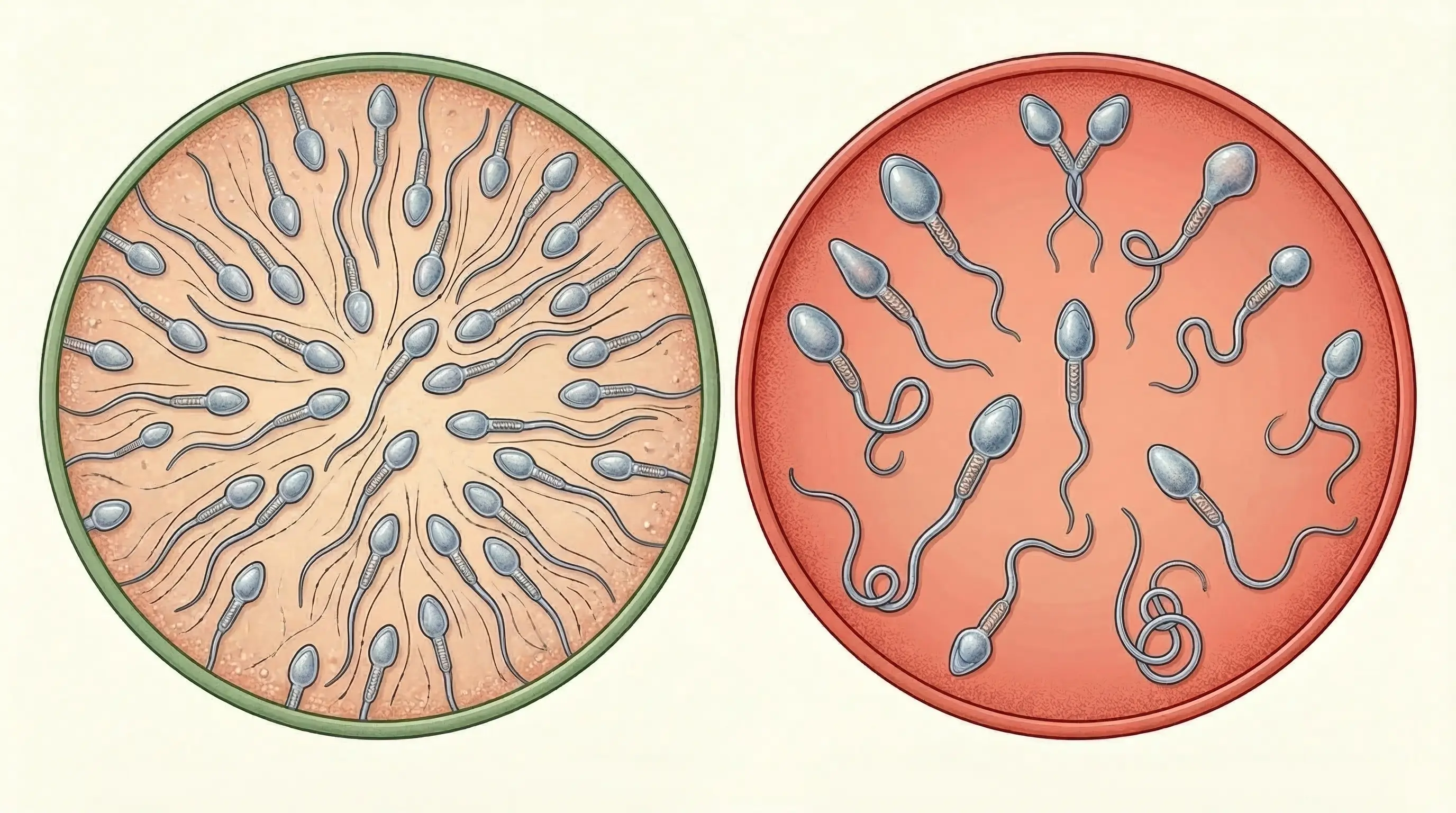
Testosterone Replacement Therapy and Fertility

TRT is a common — and preventable — cause of male infertility. Low sperm count from testosterone can recover with hCG or clomiphene as alternatives.

Medicaly approved by

Ingemārs Sokolovskis, MSc, MBA

MUDr. Peter Kosoň, PhD.
blog

Fertility

Last update

Mar 13, 2026

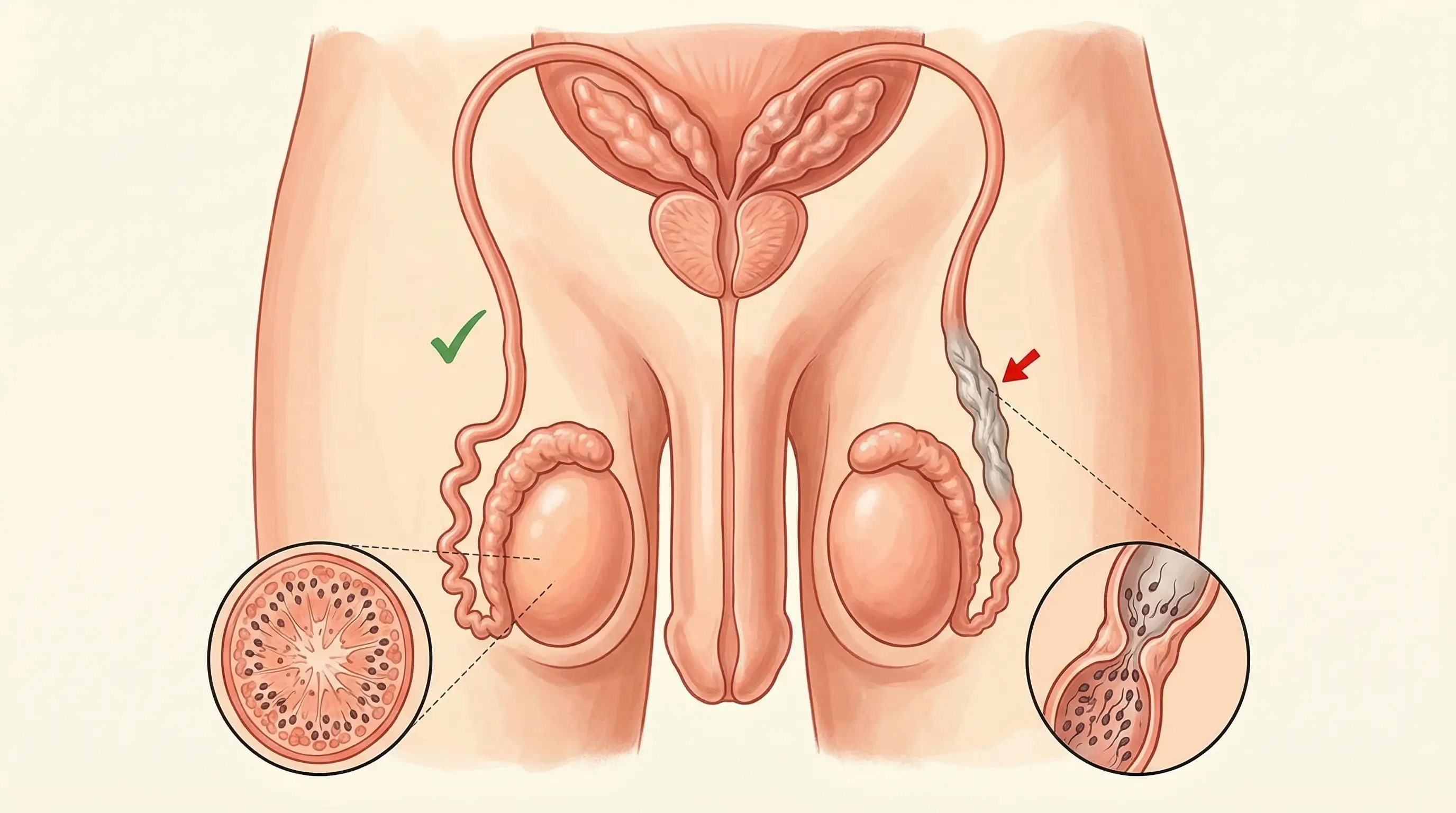
Libido and Erectile Dysfunction

52% of men aged 40–70 have some degree of ED — often signalling cardiovascular risk. Low testosterone, stress, and medications are treatable causes.

Medicaly approved by

Ingemārs Sokolovskis, MSc, MBA

MUDr. Peter Kosoň, PhD.

blog

Fertility

Last update

Mar 13, 2026

Conceiving Tips

The fertile window spans 6 days — peak odds fall 2 days before ovulation. Trying to conceive? Frequency matters more than position or timing apps.

Medicaly approved by

Ingemārs Sokolovskis, MSc, MBA

MUDr. Peter Kosoň, PhD.
blog

Fertility

Last update

Mar 13, 2026

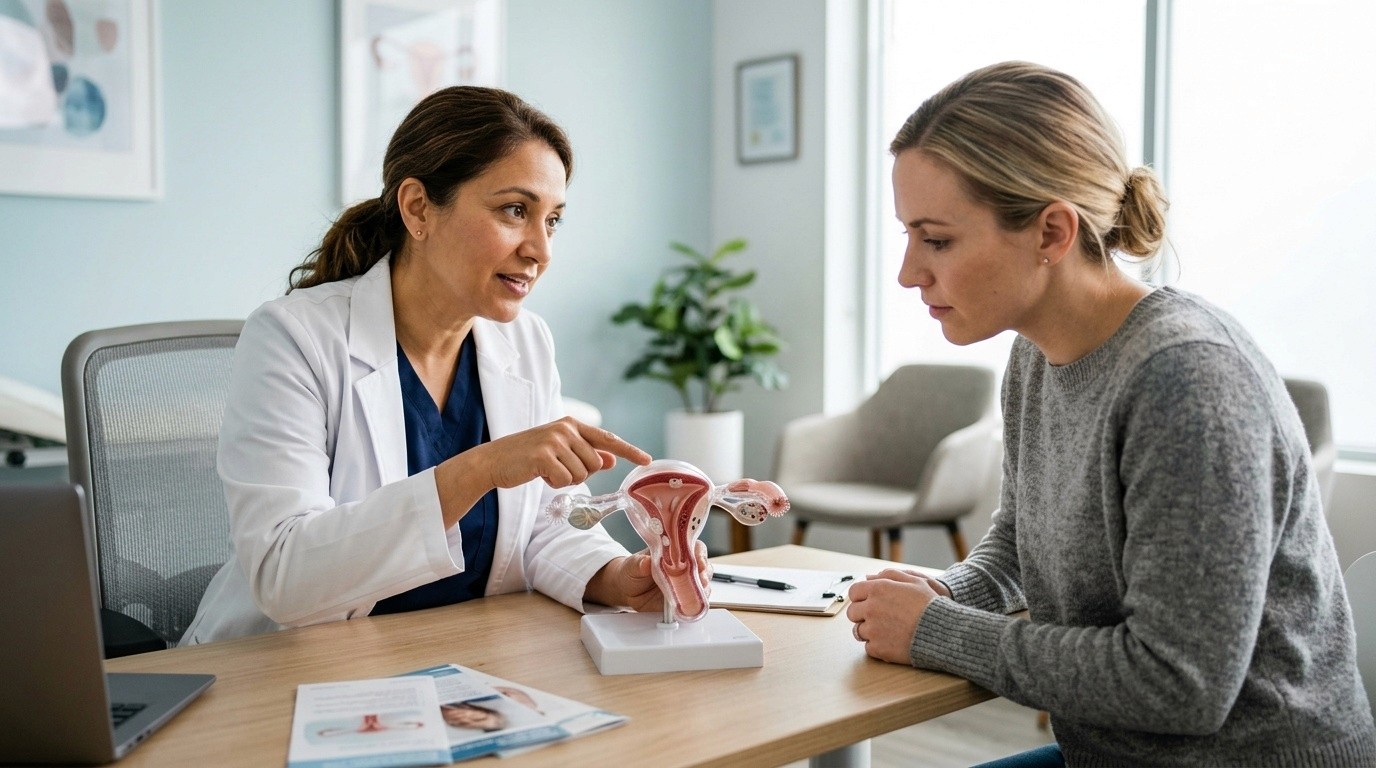
Does Stress Cause Infertility?

Women trying to conceive with the highest stress biomarker had a 29% lower monthly chance — but other studies found no link. The evidence is mixed.

Medicaly approved by

Ingemārs Sokolovskis, MSc, MBA

MUDr. Peter Kosoň, PhD.
blog

Fertility

Last update

Mar 13, 2026

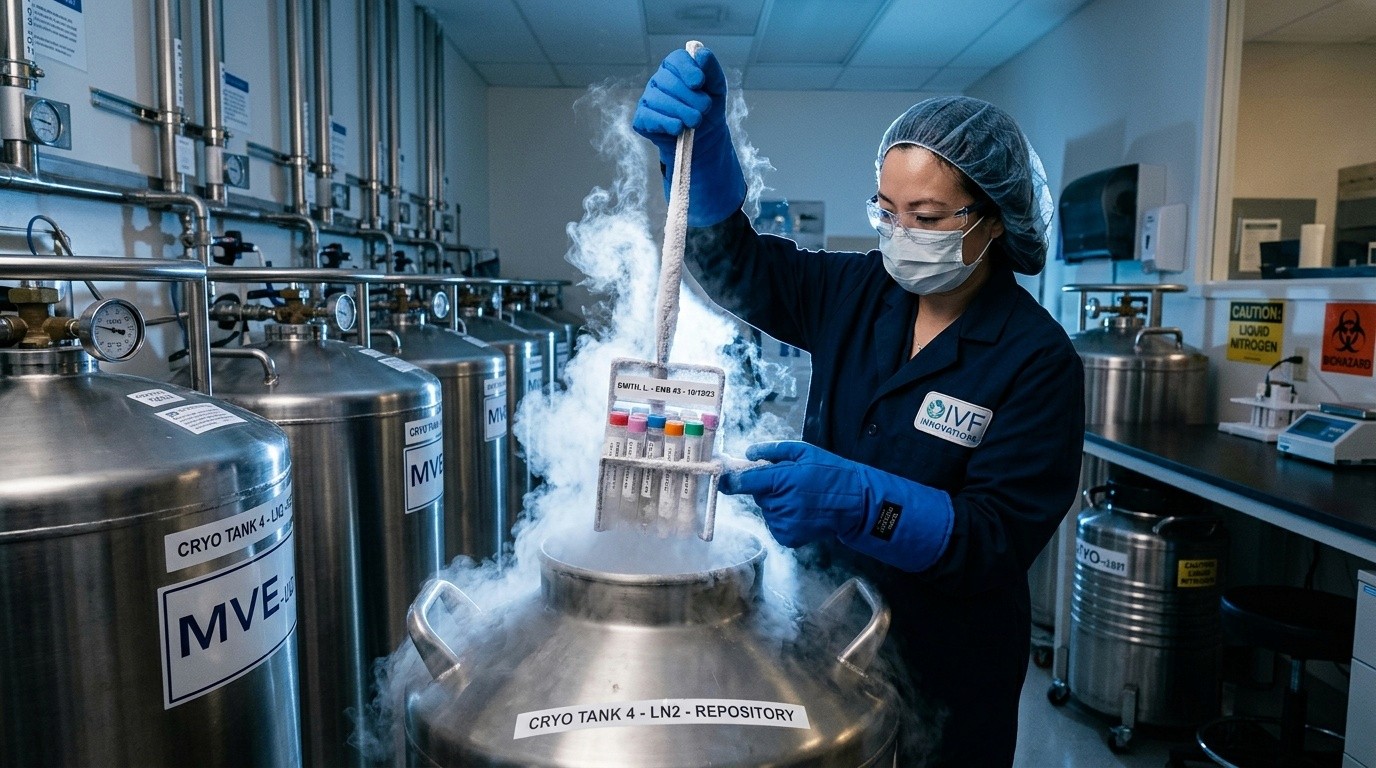
Does Masturbation Affect Sperm Quality?

Shorter abstinence actually improves motility and reduces DNA fragmentation. Your body produces sperm continuously — ejaculating won't lower count.

Medicaly approved by

Ingemārs Sokolovskis, MSc, MBA

MUDr. Peter Kosoň, PhD.
blog

Fertility

Last update

Mar 13, 2026

Does Birth Control Cause Infertility?

Research says no — fertility returns after stopping. The real variable is age: time on contraception doesn't reduce ovarian reserve or egg quality.

Medicaly approved by

Ingemārs Sokolovskis, MSc, MBA

MUDr. Peter Kosoň, PhD.

blog

Fertility

Last update

Mar 13, 2026

Does Age Affect Male Fertility?

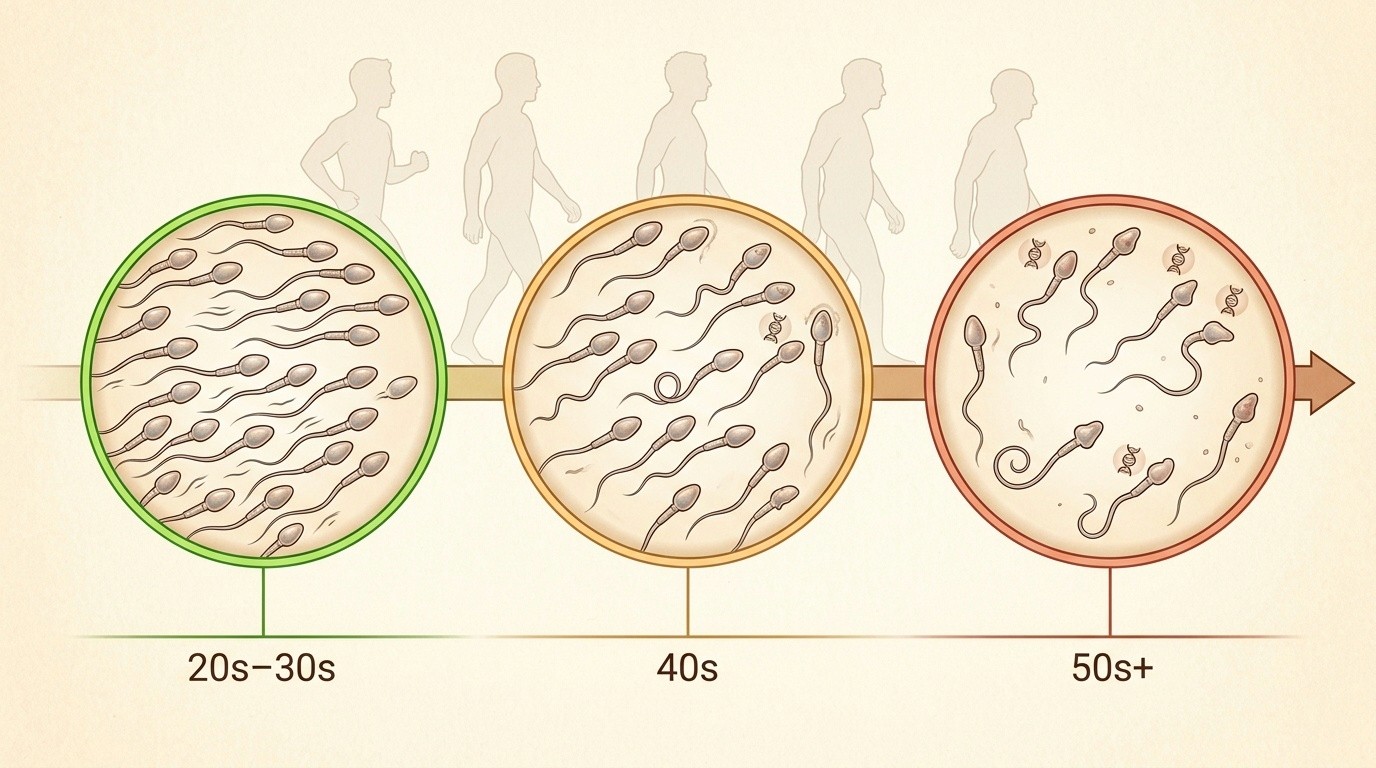
Sperm counts dropped 51.6% since 1973 — DNA fragmentation rises with age. Advanced paternal age is now a recognized risk for IVF and offspring health.

Medicaly approved by

Ingemārs Sokolovskis, MSc, MBA

MUDr. Peter Kosoň, PhD.

blog

Fertility

Last update

Mar 13, 2026

Surgical Solutions for Infertility

From varicocelectomy to micro-TESE and laparoscopic surgery — surgical repair can restore fertility or retrieve sperm when the ejaculate shows zero.

Medicaly approved by

Ingemārs Sokolovskis, MSc, MBA

MUDr. Peter Kosoň, PhD.

blog

Fertility

Last update

Mar 13, 2026

Ovulation Induction

Anovulation causes 20–30% of female infertility. Letrozole is the first-line drug, with higher live birth rates than clomiphene for PCOS patients.

Medicaly approved by

Ingemārs Sokolovskis, MSc, MBA

MUDr. Peter Kosoň, PhD.

blog

Fertility

Last update

Mar 13, 2026

Intrauterine Insemination (IUI)

Washed sperm placed in the uterus — a low-cost first step for trying to conceive. With ovarian stimulation, success improves over 3–6 cycles.

Medicaly approved by

Ingemārs Sokolovskis, MSc, MBA

MUDr. Peter Kosoň, PhD.

blog

Fertility

Last update

Mar 13, 2026

Intracytoplasmic Sperm Injection (ICSI)

A single sperm into the egg — the standard for severe oligospermia or after micro-TESE. Not always needed: no benefit in non-male-factor cases.

Medicaly approved by

Ingemārs Sokolovskis, MSc, MBA

MUDr. Peter Kosoň, PhD.

blog

Fertility

Last update

Mar 13, 2026

In vitro fertilization (IVF)

Over 12 million children have been born since 1978. IVF success rates by age: 40–50% under 35, dropping steeply after 40. ICSI is used in two-thirds of cycles.

Medicaly approved by

Ingemārs Sokolovskis, MSc, MBA

MUDr. Peter Kosoň, PhD.

blog

Fertility

Last update

Mar 13, 2026

Donor Programs and Surrogacy

Egg donation achieves live birth rates of 40–55% regardless of recipient age. Sperm donation and donor eggs IVF have helped millions build families.

Medicaly approved by

Ingemārs Sokolovskis, MSc, MBA

MUDr. Peter Kosoň, PhD.

blog

Fertility

Last update

Mar 13, 2026

Unexplained Infertility

All infertility tests normal — yet trying to conceive hasn't worked. Up to 30% of couples hear this. IUI with stimulation doubles monthly odds.

Medicaly approved by

Ingemārs Sokolovskis, MSc, MBA

MUDr. Peter Kosoň, PhD.

blog

Fertility

Last update

Mar 13, 2026

Ultrasound (Sonography)

No radiation — yet it reveals diminished ovarian reserve, endometrial thickness, and guides every step from ovulation monitoring to embryo transfer.

Medicaly approved by

Ingemārs Sokolovskis, MSc, MBA

MUDr. Peter Kosoň, PhD.

blog

Fertility

Last update

Mar 13, 2026

Semen Analysis

The first male infertility test — measures low sperm count, motility, and morphology in one sample. WHO 2021 values set the current global standard.

Medicaly approved by

Ingemārs Sokolovskis, MSc, MBA

MUDr. Peter Kosoň, PhD.

blog

Fertility

Last update

Mar 13, 2026

Hysterosalpingography (HSG)

Blocked fallopian tubes cause 25–35% of female infertility — this outpatient X-ray with contrast dye reveals tubal blockage or hydrosalpinx fast.

Medicaly approved by

Ingemārs Sokolovskis, MSc, MBA

MUDr. Peter Kosoň, PhD.

blog

Fertility

Last update

Mar 13, 2026

Hormonal Panel for Infertility

A blood draw can reveal infertility causes — from anovulation and low AMH levels to low testosterone. 25–40% of female cases are identified here.

Medicaly approved by

Ingemārs Sokolovskis, MSc, MBA

MUDr. Peter Kosoň, PhD.

blog

Fertility

Last update

Mar 13, 2026

Fertility and Age

Egg quality after 35 declines sharply — diminished ovarian reserve explains why IVF success rates drop with age. AMH levels help predict your window.

Medicaly approved by

Ingemārs Sokolovskis, MSc, MBA

MUDr. Peter Kosoň, PhD.

blog

Fertility

Last update

Mar 13, 2026

Tubal Factor Infertility

Blocked fallopian tubes account for 20–30% of female infertility — and they’re often caused by past infections or surgery you may not connect to fertility. A standard diagnostic procedure called HSG (hysterosalpingography) can confirm whether the tubes are open. Even with both tubes blocked, IVF bypasses them entirely.

Medicaly approved by

Ingemārs Sokolovskis, MSc, MBA

MUDr. Peter Kosoň, PhD.

blog

Fertility

Last update

Mar 13, 2026

Ovulatory Disorders

Missing periods for months, unpredictable cycles, or difficulty conceiving — your body may be signalling an ovulatory disorder. These conditions are among the most treatable causes of infertility, and they can also affect bone density, metabolic health, and cardiovascular risk over time. A new international classification system (FIGO HyPO-P) now helps doctors pinpoint exactly where in the ovulatory process things aren’t working.

Medicaly approved by

Ingemārs Sokolovskis, MSc, MBA

MUDr. Peter Kosoň, PhD.

blog

Fertility

Last update

Mar 13, 2026

Hyperprolactinemia in Women

Missed periods, unexpected breast discharge, difficulty conceiving — these symptoms may all trace back to one hormone: prolactin. Hyperprolactinemia is the most common pituitary hormone disorder, yet it often goes undiagnosed for years. With dopamine agonist medication, 80–90% of patients achieve normal prolactin levels and tumour reduction without surgery.

Medicaly approved by

Ingemārs Sokolovskis, MSc, MBA

MUDr. Peter Kosoň, PhD.

blog

Fertility

Last update

Mar 13, 2026

Endometriosis

Chronic pelvic pain, painful periods, pain during intercourse — if these sound familiar, endometriosis could be the reason. It affects roughly 10% of reproductive-age women, yet the average diagnosis takes 4 to 12 years. Early treatment with medication or surgery can help manage symptoms and address fertility concerns.

Medicaly approved by

Ingemārs Sokolovskis, MSc, MBA

MUDr. Peter Kosoň, PhD.

blog

Fertility

Last update

Mar 13, 2026

Polycystic Ovary Syndrome (PCOS)

Irregular periods, difficulty losing weight, trouble getting pregnant despite regular sex — PCOS connects all of these. It’s the leading cause of ovulation-related infertility worldwide, yet up to 70% of affected women remain undiagnosed. Treatment often starts with lifestyle changes, and first-line medication like letrozole achieves higher live birth rates than older options.

Medicaly approved by

Ingemārs Sokolovskis, MSc, MBA

MUDr. Peter Kosoň, PhD.

blog

Fertility

Last update

Mar 13, 2026

Male Hormonal Disorders

Testosterone replacement therapy is increasingly common for low testosterone — but what most men aren’t told is that it can suppress sperm production and cause infertility. The difference between primary and secondary hypogonadism determines whether the condition is treatable. Fertility-preserving alternatives like clomiphene or hCG can support both testosterone levels and sperm production.

Medicaly approved by

Ingemārs Sokolovskis, MSc, MBA

MUDr. Peter Kosoň, PhD.

blog

Fertility

Last update

Mar 13, 2026

Asthenozoospermia, Oligozoospermia, and Teratozoospermia

Low sperm count, poor motility, abnormal morphology — these are the most common findings on a semen analysis, and they can feel alarming. But abnormal results don’t automatically mean you can’t conceive naturally. Mild to moderate cases may improve with lifestyle changes or medication, while ICSI can help even in severe cases.

Medicaly approved by

Ingemārs Sokolovskis, MSc, MBA

MUDr. Peter Kosoň, PhD.

blog

Fertility

Last update

Mar 13, 2026

Azoospermia

No sperm in the ejaculate is one of the hardest results to hear. Azoospermia affects about 1% of all men, but it does not mean biological fatherhood is impossible. The critical distinction is between obstructive and non-obstructive types — in obstructive cases, surgical sperm retrieval rates exceed 95%.

Medicaly approved by

Ingemārs Sokolovskis, MSc, MBA

MUDr. Peter Kosoň, PhD.

blog-image

Fertility

Last update

Mar 13, 2026

Varicocele

If a semen analysis came back abnormal and your doctor mentioned a varicocele, you’re not alone — it’s found in up to 40% of men evaluated for infertility. It’s also the most common correctable cause of male infertility. Surgical repair improves sperm parameters in approximately 70% of men.

Medicaly approved by

Ingemārs Sokolovskis, MSc, MBA

MUDr. Peter Kosoň, PhD.

blog-image

Fertility

Last update

Mar 13, 2026

Assisted Reproductive Technology

When simpler treatments haven’t worked, IVF and ICSI offer real options — not a last resort. Over 10 million children have been born through assisted reproductive technology worldwide since 1978. For women under 35 using their own eggs, live birth rates per cycle reach 40–50%.

Medicaly approved by

Ingemārs Sokolovskis, MSc, MBA

MUDr. Peter Kosoň, PhD.

blog-image

Fertility

Last update

Mar 13, 2026

Male Infertility: What Every Man Should Know

An abnormal semen analysis can raise a lot of questions — and a lot of anxiety. Male factors play a role in nearly half of all infertility cases, yet men are often the last to be tested. A single semen analysis can identify most causes within weeks, and many are treatable with medication, surgery, or assisted reproduction.

Medicaly approved by

Ingemārs Sokolovskis, MSc, MBA

MUDr. Peter Kosoň, PhD.

blog-image

Fertility

Last update

Mar 13, 2026

Female Infertility: What Every Woman Should Know

If you’ve been trying to get pregnant without success, you’re not alone — and it’s not your fault. Female infertility factors contribute to over 50% of cases when combined with male factors. The most common cause — ovulatory disorders — responds to treatment in up to 80% of cases.

Medicaly approved by

Ingemārs Sokolovskis, MSc, MBA

MUDr. Peter Kosoň, PhD.

blog-image

Fertility

Last update

Mar 13, 2026

Infertility: Everything You Need To Know

Infertility affects 1 in 6 people worldwide — but most assume it means IVF. In reality, 85–90% of cases can be treated with conventional therapies like medication or surgery. First-line testing typically includes a hormonal panel and ultrasound for her, and a semen analysis for him.

Medicaly approved by

Ingemārs Sokolovskis, MSc, MBA

MUDr. Peter Kosoň, PhD.

blog

Fertility

Last update

Mar 13, 2026

Testosterone Replacement Therapy and Fertility

TRT is a common — and preventable — cause of male infertility. Low sperm count from testosterone can recover with hCG or clomiphene as alternatives.

Medicaly approved by

Ingemārs Sokolovskis, MSc, MBA

MUDr. Peter Kosoň, PhD.

blog

Fertility

Last update

Mar 13, 2026

Libido and Erectile Dysfunction

52% of men aged 40–70 have some degree of ED — often signalling cardiovascular risk. Low testosterone, stress, and medications are treatable causes.

Medicaly approved by

Ingemārs Sokolovskis, MSc, MBA

MUDr. Peter Kosoň, PhD.

blog

Fertility

Last update

Mar 13, 2026

Conceiving Tips

The fertile window spans 6 days — peak odds fall 2 days before ovulation. Trying to conceive? Frequency matters more than position or timing apps.

Medicaly approved by

Ingemārs Sokolovskis, MSc, MBA

MUDr. Peter Kosoň, PhD.

blog

Fertility

Last update

Mar 13, 2026

Does Stress Cause Infertility?

Women trying to conceive with the highest stress biomarker had a 29% lower monthly chance — but other studies found no link. The evidence is mixed.

Medicaly approved by

Ingemārs Sokolovskis, MSc, MBA

MUDr. Peter Kosoň, PhD.

blog

Fertility

Last update

Mar 13, 2026

Does Masturbation Affect Sperm Quality?

Shorter abstinence actually improves motility and reduces DNA fragmentation. Your body produces sperm continuously — ejaculating won't lower count.

Medicaly approved by

Ingemārs Sokolovskis, MSc, MBA

MUDr. Peter Kosoň, PhD.

blog

Fertility

Last update

Mar 13, 2026

Does Birth Control Cause Infertility?

Research says no — fertility returns after stopping. The real variable is age: time on contraception doesn't reduce ovarian reserve or egg quality.

Medicaly approved by

Ingemārs Sokolovskis, MSc, MBA

MUDr. Peter Kosoň, PhD.

blog

Fertility

Last update

Mar 13, 2026

Does Age Affect Male Fertility?

Sperm counts dropped 51.6% since 1973 — DNA fragmentation rises with age. Advanced paternal age is now a recognized risk for IVF and offspring health.

Medicaly approved by

Ingemārs Sokolovskis, MSc, MBA

MUDr. Peter Kosoň, PhD.

blog

Fertility

Last update

Mar 13, 2026

Surgical Solutions for Infertility

From varicocelectomy to micro-TESE and laparoscopic surgery — surgical repair can restore fertility or retrieve sperm when the ejaculate shows zero.

Medicaly approved by

Ingemārs Sokolovskis, MSc, MBA

MUDr. Peter Kosoň, PhD.

blog

Fertility

Last update

Mar 13, 2026

Ovulation Induction

Anovulation causes 20–30% of female infertility. Letrozole is the first-line drug, with higher live birth rates than clomiphene for PCOS patients.

Medicaly approved by

Ingemārs Sokolovskis, MSc, MBA

MUDr. Peter Kosoň, PhD.

blog

Fertility

Last update

Mar 13, 2026

Intrauterine Insemination (IUI)

Washed sperm placed in the uterus — a low-cost first step for trying to conceive. With ovarian stimulation, success improves over 3–6 cycles.

Medicaly approved by

Ingemārs Sokolovskis, MSc, MBA

MUDr. Peter Kosoň, PhD.

blog

Fertility

Last update

Mar 13, 2026

Intracytoplasmic Sperm Injection (ICSI)

A single sperm into the egg — the standard for severe oligospermia or after micro-TESE. Not always needed: no benefit in non-male-factor cases.

Medicaly approved by

Ingemārs Sokolovskis, MSc, MBA

MUDr. Peter Kosoň, PhD.

blog

Fertility

Last update

Mar 13, 2026

In vitro fertilization (IVF)

Over 12 million children have been born since 1978. IVF success rates by age: 40–50% under 35, dropping steeply after 40. ICSI is used in two-thirds of cycles.

Medicaly approved by

Ingemārs Sokolovskis, MSc, MBA

MUDr. Peter Kosoň, PhD.

blog

Fertility

Last update

Mar 13, 2026

Donor Programs and Surrogacy

Egg donation achieves live birth rates of 40–55% regardless of recipient age. Sperm donation and donor eggs IVF have helped millions build families.

Medicaly approved by

Ingemārs Sokolovskis, MSc, MBA

MUDr. Peter Kosoň, PhD.

blog

Fertility

Last update

Mar 13, 2026

Unexplained Infertility

All infertility tests normal — yet trying to conceive hasn't worked. Up to 30% of couples hear this. IUI with stimulation doubles monthly odds.

Medicaly approved by

Ingemārs Sokolovskis, MSc, MBA

MUDr. Peter Kosoň, PhD.

blog

Fertility

Last update

Mar 13, 2026

Ultrasound (Sonography)

No radiation — yet it reveals diminished ovarian reserve, endometrial thickness, and guides every step from ovulation monitoring to embryo transfer.

Medicaly approved by

Ingemārs Sokolovskis, MSc, MBA

MUDr. Peter Kosoň, PhD.

blog

Fertility

Last update

Mar 13, 2026

Semen Analysis

The first male infertility test — measures low sperm count, motility, and morphology in one sample. WHO 2021 values set the current global standard.

Medicaly approved by

Ingemārs Sokolovskis, MSc, MBA

MUDr. Peter Kosoň, PhD.

blog

Fertility

Last update

Mar 13, 2026

Hysterosalpingography (HSG)

Blocked fallopian tubes cause 25–35% of female infertility — this outpatient X-ray with contrast dye reveals tubal blockage or hydrosalpinx fast.

Medicaly approved by

Ingemārs Sokolovskis, MSc, MBA

MUDr. Peter Kosoň, PhD.

blog

Fertility

Last update

Mar 13, 2026

Hormonal Panel for Infertility

A blood draw can reveal infertility causes — from anovulation and low AMH levels to low testosterone. 25–40% of female cases are identified here.

Medicaly approved by

Ingemārs Sokolovskis, MSc, MBA

MUDr. Peter Kosoň, PhD.

blog

Fertility

Last update

Mar 13, 2026

Fertility and Age

Egg quality after 35 declines sharply — diminished ovarian reserve explains why IVF success rates drop with age. AMH levels help predict your window.

Medicaly approved by

Ingemārs Sokolovskis, MSc, MBA

MUDr. Peter Kosoň, PhD.

blog

Fertility

Last update

Mar 13, 2026

Tubal Factor Infertility

Blocked fallopian tubes account for 20–30% of female infertility — and they’re often caused by past infections or surgery you may not connect to fertility. A standard diagnostic procedure called HSG (hysterosalpingography) can confirm whether the tubes are open. Even with both tubes blocked, IVF bypasses them entirely.

Medicaly approved by

Ingemārs Sokolovskis, MSc, MBA

MUDr. Peter Kosoň, PhD.

blog

Fertility

Last update

Mar 13, 2026

Ovulatory Disorders

Missing periods for months, unpredictable cycles, or difficulty conceiving — your body may be signalling an ovulatory disorder. These conditions are among the most treatable causes of infertility, and they can also affect bone density, metabolic health, and cardiovascular risk over time. A new international classification system (FIGO HyPO-P) now helps doctors pinpoint exactly where in the ovulatory process things aren’t working.

Medicaly approved by

Ingemārs Sokolovskis, MSc, MBA

MUDr. Peter Kosoň, PhD.

blog

Fertility

Last update

Mar 13, 2026

Hyperprolactinemia in Women

Missed periods, unexpected breast discharge, difficulty conceiving — these symptoms may all trace back to one hormone: prolactin. Hyperprolactinemia is the most common pituitary hormone disorder, yet it often goes undiagnosed for years. With dopamine agonist medication, 80–90% of patients achieve normal prolactin levels and tumour reduction without surgery.

Medicaly approved by

Ingemārs Sokolovskis, MSc, MBA

MUDr. Peter Kosoň, PhD.

blog

Fertility

Last update

Mar 13, 2026

Endometriosis

Chronic pelvic pain, painful periods, pain during intercourse — if these sound familiar, endometriosis could be the reason. It affects roughly 10% of reproductive-age women, yet the average diagnosis takes 4 to 12 years. Early treatment with medication or surgery can help manage symptoms and address fertility concerns.

Medicaly approved by

Ingemārs Sokolovskis, MSc, MBA

MUDr. Peter Kosoň, PhD.

blog

Fertility

Last update

Mar 13, 2026

Polycystic Ovary Syndrome (PCOS)

Irregular periods, difficulty losing weight, trouble getting pregnant despite regular sex — PCOS connects all of these. It’s the leading cause of ovulation-related infertility worldwide, yet up to 70% of affected women remain undiagnosed. Treatment often starts with lifestyle changes, and first-line medication like letrozole achieves higher live birth rates than older options.

Medicaly approved by

Ingemārs Sokolovskis, MSc, MBA

MUDr. Peter Kosoň, PhD.

blog

Fertility

Last update

Mar 13, 2026

Male Hormonal Disorders

Testosterone replacement therapy is increasingly common for low testosterone — but what most men aren’t told is that it can suppress sperm production and cause infertility. The difference between primary and secondary hypogonadism determines whether the condition is treatable. Fertility-preserving alternatives like clomiphene or hCG can support both testosterone levels and sperm production.

Medicaly approved by

Ingemārs Sokolovskis, MSc, MBA

MUDr. Peter Kosoň, PhD.

blog

Fertility

Last update

Mar 13, 2026

Asthenozoospermia, Oligozoospermia, and Teratozoospermia

Low sperm count, poor motility, abnormal morphology — these are the most common findings on a semen analysis, and they can feel alarming. But abnormal results don’t automatically mean you can’t conceive naturally. Mild to moderate cases may improve with lifestyle changes or medication, while ICSI can help even in severe cases.

Medicaly approved by

Ingemārs Sokolovskis, MSc, MBA

MUDr. Peter Kosoň, PhD.

blog

Fertility

Last update

Mar 13, 2026

Azoospermia

No sperm in the ejaculate is one of the hardest results to hear. Azoospermia affects about 1% of all men, but it does not mean biological fatherhood is impossible. The critical distinction is between obstructive and non-obstructive types — in obstructive cases, surgical sperm retrieval rates exceed 95%.

Medicaly approved by

Ingemārs Sokolovskis, MSc, MBA

MUDr. Peter Kosoň, PhD.

blog-image

Fertility

Last update

Mar 13, 2026

Varicocele

If a semen analysis came back abnormal and your doctor mentioned a varicocele, you’re not alone — it’s found in up to 40% of men evaluated for infertility. It’s also the most common correctable cause of male infertility. Surgical repair improves sperm parameters in approximately 70% of men.

Medicaly approved by

Ingemārs Sokolovskis, MSc, MBA

MUDr. Peter Kosoň, PhD.

blog-image

Fertility

Last update

Mar 13, 2026

Assisted Reproductive Technology

When simpler treatments haven’t worked, IVF and ICSI offer real options — not a last resort. Over 10 million children have been born through assisted reproductive technology worldwide since 1978. For women under 35 using their own eggs, live birth rates per cycle reach 40–50%.

Medicaly approved by

Ingemārs Sokolovskis, MSc, MBA

MUDr. Peter Kosoň, PhD.

blog-image

Fertility

Last update

Mar 13, 2026

Male Infertility: What Every Man Should Know

An abnormal semen analysis can raise a lot of questions — and a lot of anxiety. Male factors play a role in nearly half of all infertility cases, yet men are often the last to be tested. A single semen analysis can identify most causes within weeks, and many are treatable with medication, surgery, or assisted reproduction.

Medicaly approved by

Ingemārs Sokolovskis, MSc, MBA

MUDr. Peter Kosoň, PhD.

blog-image

Fertility

Last update

Mar 13, 2026

Female Infertility: What Every Woman Should Know

If you’ve been trying to get pregnant without success, you’re not alone — and it’s not your fault. Female infertility factors contribute to over 50% of cases when combined with male factors. The most common cause — ovulatory disorders — responds to treatment in up to 80% of cases.

Medicaly approved by

Ingemārs Sokolovskis, MSc, MBA

MUDr. Peter Kosoň, PhD.

blog-image

Fertility

Last update

Mar 13, 2026

Infertility: Everything You Need To Know

Infertility affects 1 in 6 people worldwide — but most assume it means IVF. In reality, 85–90% of cases can be treated with conventional therapies like medication or surgery. First-line testing typically includes a hormonal panel and ultrasound for her, and a semen analysis for him.

Medicaly approved by

Ingemārs Sokolovskis, MSc, MBA

MUDr. Peter Kosoň, PhD.

blog

Fertility

Last update

Mar 13, 2026

Testosterone Replacement Therapy and Fertility

TRT is a common — and preventable — cause of male infertility. Low sperm count from testosterone can recover with hCG or clomiphene as alternatives.

Medicaly approved by

Ingemārs Sokolovskis, MSc, MBA

MUDr. Peter Kosoň, PhD.

blog

Fertility

Last update

Mar 13, 2026

Libido and Erectile Dysfunction

52% of men aged 40–70 have some degree of ED — often signalling cardiovascular risk. Low testosterone, stress, and medications are treatable causes.

Medicaly approved by

Ingemārs Sokolovskis, MSc, MBA

MUDr. Peter Kosoň, PhD.

blog

Fertility

Last update

Mar 13, 2026

Conceiving Tips

The fertile window spans 6 days — peak odds fall 2 days before ovulation. Trying to conceive? Frequency matters more than position or timing apps.

Medicaly approved by

Ingemārs Sokolovskis, MSc, MBA

MUDr. Peter Kosoň, PhD.

blog

Fertility

Last update

Mar 13, 2026

Does Stress Cause Infertility?

Women trying to conceive with the highest stress biomarker had a 29% lower monthly chance — but other studies found no link. The evidence is mixed.

Medicaly approved by

Ingemārs Sokolovskis, MSc, MBA

MUDr. Peter Kosoň, PhD.

blog

Fertility

Last update

Mar 13, 2026

Does Masturbation Affect Sperm Quality?

Shorter abstinence actually improves motility and reduces DNA fragmentation. Your body produces sperm continuously — ejaculating won't lower count.

Medicaly approved by

Ingemārs Sokolovskis, MSc, MBA

MUDr. Peter Kosoň, PhD.

blog

Fertility

Last update

Mar 13, 2026

Does Birth Control Cause Infertility?

Research says no — fertility returns after stopping. The real variable is age: time on contraception doesn't reduce ovarian reserve or egg quality.

Medicaly approved by

Ingemārs Sokolovskis, MSc, MBA

MUDr. Peter Kosoň, PhD.

blog

Fertility

Last update

Mar 13, 2026

Does Age Affect Male Fertility?

Sperm counts dropped 51.6% since 1973 — DNA fragmentation rises with age. Advanced paternal age is now a recognized risk for IVF and offspring health.

Medicaly approved by

Ingemārs Sokolovskis, MSc, MBA

MUDr. Peter Kosoň, PhD.

blog

Fertility

Last update

Mar 13, 2026

Surgical Solutions for Infertility

From varicocelectomy to micro-TESE and laparoscopic surgery — surgical repair can restore fertility or retrieve sperm when the ejaculate shows zero.

Medicaly approved by

Ingemārs Sokolovskis, MSc, MBA

MUDr. Peter Kosoň, PhD.

blog

Fertility

Last update

Mar 13, 2026

Ovulation Induction

Anovulation causes 20–30% of female infertility. Letrozole is the first-line drug, with higher live birth rates than clomiphene for PCOS patients.

Medicaly approved by

Ingemārs Sokolovskis, MSc, MBA

MUDr. Peter Kosoň, PhD.

blog

Fertility

Last update

Mar 13, 2026

Intrauterine Insemination (IUI)

Washed sperm placed in the uterus — a low-cost first step for trying to conceive. With ovarian stimulation, success improves over 3–6 cycles.

Medicaly approved by

Ingemārs Sokolovskis, MSc, MBA

MUDr. Peter Kosoň, PhD.

blog

Fertility

Last update

Mar 13, 2026

Intracytoplasmic Sperm Injection (ICSI)

A single sperm into the egg — the standard for severe oligospermia or after micro-TESE. Not always needed: no benefit in non-male-factor cases.

Medicaly approved by

Ingemārs Sokolovskis, MSc, MBA

MUDr. Peter Kosoň, PhD.

blog

Fertility

Last update

Mar 13, 2026

In vitro fertilization (IVF)

Over 12 million children have been born since 1978. IVF success rates by age: 40–50% under 35, dropping steeply after 40. ICSI is used in two-thirds of cycles.

Medicaly approved by

Ingemārs Sokolovskis, MSc, MBA

MUDr. Peter Kosoň, PhD.

blog

Fertility

Last update

Mar 13, 2026

Donor Programs and Surrogacy

Egg donation achieves live birth rates of 40–55% regardless of recipient age. Sperm donation and donor eggs IVF have helped millions build families.

Medicaly approved by

Ingemārs Sokolovskis, MSc, MBA

MUDr. Peter Kosoň, PhD.

blog

Fertility

Last update

Mar 13, 2026

Unexplained Infertility

All infertility tests normal — yet trying to conceive hasn't worked. Up to 30% of couples hear this. IUI with stimulation doubles monthly odds.

Medicaly approved by

Ingemārs Sokolovskis, MSc, MBA

MUDr. Peter Kosoň, PhD.

blog

Fertility

Last update

Mar 13, 2026

Ultrasound (Sonography)

No radiation — yet it reveals diminished ovarian reserve, endometrial thickness, and guides every step from ovulation monitoring to embryo transfer.

Medicaly approved by

Ingemārs Sokolovskis, MSc, MBA

MUDr. Peter Kosoň, PhD.

blog

Fertility

Last update

Mar 13, 2026

Semen Analysis

The first male infertility test — measures low sperm count, motility, and morphology in one sample. WHO 2021 values set the current global standard.

Medicaly approved by

Ingemārs Sokolovskis, MSc, MBA

MUDr. Peter Kosoň, PhD.

blog

Fertility

Last update

Mar 13, 2026

Hysterosalpingography (HSG)

Blocked fallopian tubes cause 25–35% of female infertility — this outpatient X-ray with contrast dye reveals tubal blockage or hydrosalpinx fast.

Medicaly approved by

Ingemārs Sokolovskis, MSc, MBA

MUDr. Peter Kosoň, PhD.

blog

Fertility

Last update

Mar 13, 2026

Hormonal Panel for Infertility

A blood draw can reveal infertility causes — from anovulation and low AMH levels to low testosterone. 25–40% of female cases are identified here.

Medicaly approved by

Ingemārs Sokolovskis, MSc, MBA

MUDr. Peter Kosoň, PhD.

blog

Fertility

Last update

Mar 13, 2026

Fertility and Age

Egg quality after 35 declines sharply — diminished ovarian reserve explains why IVF success rates drop with age. AMH levels help predict your window.

Medicaly approved by

Ingemārs Sokolovskis, MSc, MBA

MUDr. Peter Kosoň, PhD.

blog

Fertility

Last update

Mar 13, 2026

Tubal Factor Infertility

Blocked fallopian tubes account for 20–30% of female infertility — and they’re often caused by past infections or surgery you may not connect to fertility. A standard diagnostic procedure called HSG (hysterosalpingography) can confirm whether the tubes are open. Even with both tubes blocked, IVF bypasses them entirely.

Medicaly approved by

Ingemārs Sokolovskis, MSc, MBA

MUDr. Peter Kosoň, PhD.

blog

Fertility

Last update

Mar 13, 2026

Ovulatory Disorders

Missing periods for months, unpredictable cycles, or difficulty conceiving — your body may be signalling an ovulatory disorder. These conditions are among the most treatable causes of infertility, and they can also affect bone density, metabolic health, and cardiovascular risk over time. A new international classification system (FIGO HyPO-P) now helps doctors pinpoint exactly where in the ovulatory process things aren’t working.

Medicaly approved by

Ingemārs Sokolovskis, MSc, MBA

MUDr. Peter Kosoň, PhD.

blog

Fertility

Last update

Mar 13, 2026

Hyperprolactinemia in Women

Missed periods, unexpected breast discharge, difficulty conceiving — these symptoms may all trace back to one hormone: prolactin. Hyperprolactinemia is the most common pituitary hormone disorder, yet it often goes undiagnosed for years. With dopamine agonist medication, 80–90% of patients achieve normal prolactin levels and tumour reduction without surgery.

Medicaly approved by

Ingemārs Sokolovskis, MSc, MBA

MUDr. Peter Kosoň, PhD.

blog

Fertility

Last update

Mar 13, 2026

Endometriosis

Chronic pelvic pain, painful periods, pain during intercourse — if these sound familiar, endometriosis could be the reason. It affects roughly 10% of reproductive-age women, yet the average diagnosis takes 4 to 12 years. Early treatment with medication or surgery can help manage symptoms and address fertility concerns.

Medicaly approved by

Ingemārs Sokolovskis, MSc, MBA

MUDr. Peter Kosoň, PhD.

blog

Fertility

Last update

Mar 13, 2026

Polycystic Ovary Syndrome (PCOS)

Irregular periods, difficulty losing weight, trouble getting pregnant despite regular sex — PCOS connects all of these. It’s the leading cause of ovulation-related infertility worldwide, yet up to 70% of affected women remain undiagnosed. Treatment often starts with lifestyle changes, and first-line medication like letrozole achieves higher live birth rates than older options.

Medicaly approved by

Ingemārs Sokolovskis, MSc, MBA

MUDr. Peter Kosoň, PhD.

blog

Fertility

Last update

Mar 13, 2026

Male Hormonal Disorders

Testosterone replacement therapy is increasingly common for low testosterone — but what most men aren’t told is that it can suppress sperm production and cause infertility. The difference between primary and secondary hypogonadism determines whether the condition is treatable. Fertility-preserving alternatives like clomiphene or hCG can support both testosterone levels and sperm production.

Medicaly approved by

Ingemārs Sokolovskis, MSc, MBA

MUDr. Peter Kosoň, PhD.

blog

Fertility

Last update

Mar 13, 2026

Asthenozoospermia, Oligozoospermia, and Teratozoospermia

Low sperm count, poor motility, abnormal morphology — these are the most common findings on a semen analysis, and they can feel alarming. But abnormal results don’t automatically mean you can’t conceive naturally. Mild to moderate cases may improve with lifestyle changes or medication, while ICSI can help even in severe cases.

Medicaly approved by

Ingemārs Sokolovskis, MSc, MBA

MUDr. Peter Kosoň, PhD.

blog

Fertility

Last update

Mar 13, 2026

Azoospermia

No sperm in the ejaculate is one of the hardest results to hear. Azoospermia affects about 1% of all men, but it does not mean biological fatherhood is impossible. The critical distinction is between obstructive and non-obstructive types — in obstructive cases, surgical sperm retrieval rates exceed 95%.

Medicaly approved by

Ingemārs Sokolovskis, MSc, MBA

MUDr. Peter Kosoň, PhD.

blog-image

Fertility

Last update

Mar 13, 2026

Varicocele

If a semen analysis came back abnormal and your doctor mentioned a varicocele, you’re not alone — it’s found in up to 40% of men evaluated for infertility. It’s also the most common correctable cause of male infertility. Surgical repair improves sperm parameters in approximately 70% of men.

Medicaly approved by

Ingemārs Sokolovskis, MSc, MBA

MUDr. Peter Kosoň, PhD.

blog-image

Fertility

Last update

Mar 13, 2026

Assisted Reproductive Technology

When simpler treatments haven’t worked, IVF and ICSI offer real options — not a last resort. Over 10 million children have been born through assisted reproductive technology worldwide since 1978. For women under 35 using their own eggs, live birth rates per cycle reach 40–50%.

Medicaly approved by

Ingemārs Sokolovskis, MSc, MBA

MUDr. Peter Kosoň, PhD.

blog-image

Fertility

Last update

Mar 13, 2026

Male Infertility: What Every Man Should Know

An abnormal semen analysis can raise a lot of questions — and a lot of anxiety. Male factors play a role in nearly half of all infertility cases, yet men are often the last to be tested. A single semen analysis can identify most causes within weeks, and many are treatable with medication, surgery, or assisted reproduction.

Medicaly approved by

Ingemārs Sokolovskis, MSc, MBA

MUDr. Peter Kosoň, PhD.

blog-image

Fertility

Last update

Mar 13, 2026

Female Infertility: What Every Woman Should Know

If you’ve been trying to get pregnant without success, you’re not alone — and it’s not your fault. Female infertility factors contribute to over 50% of cases when combined with male factors. The most common cause — ovulatory disorders — responds to treatment in up to 80% of cases.

Medicaly approved by

Ingemārs Sokolovskis, MSc, MBA

MUDr. Peter Kosoň, PhD.

blog-image

Fertility

Last update

Mar 13, 2026

Infertility: Everything You Need To Know

Infertility affects 1 in 6 people worldwide — but most assume it means IVF. In reality, 85–90% of cases can be treated with conventional therapies like medication or surgery. First-line testing typically includes a hormonal panel and ultrasound for her, and a semen analysis for him.

Medicaly approved by

Ingemārs Sokolovskis, MSc, MBA

MUDr. Peter Kosoň, PhD.