


What Is IUI and How Does It Work?
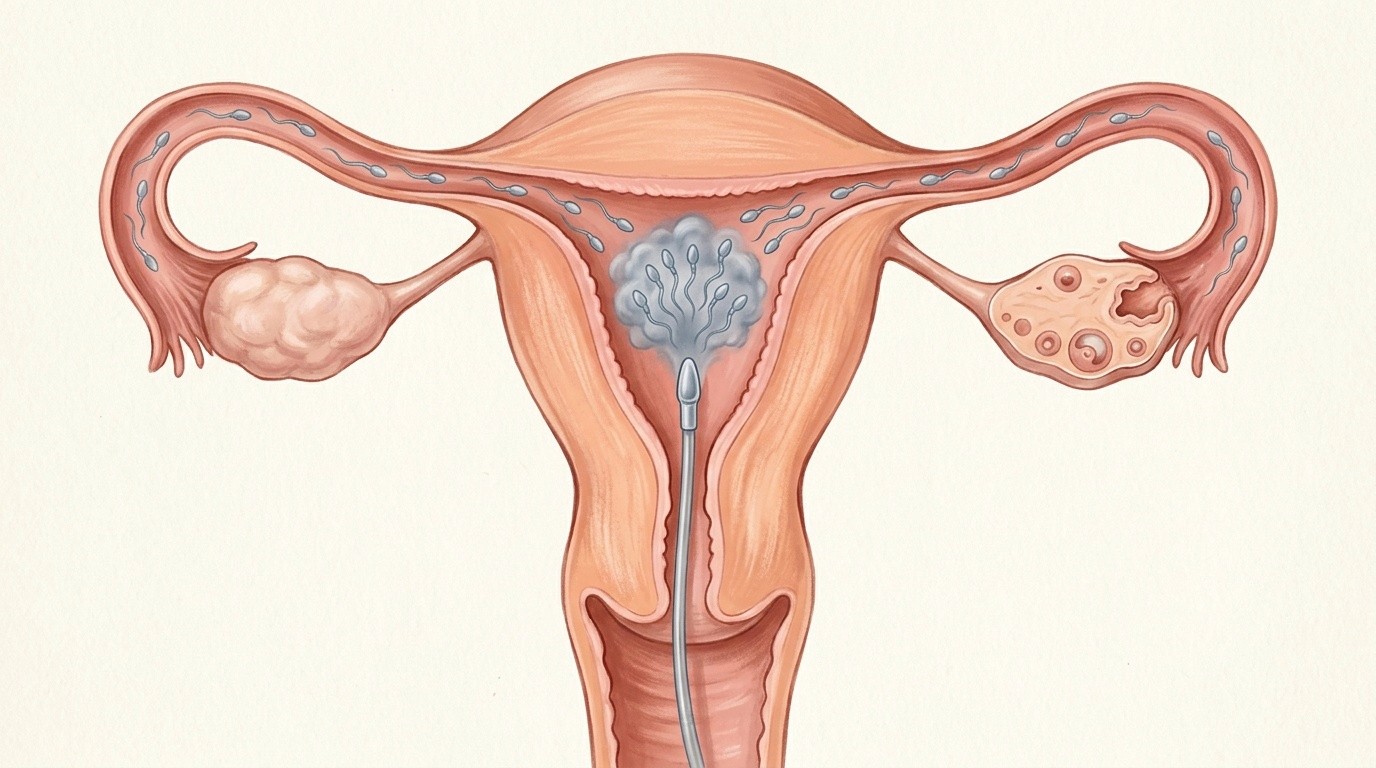
Intrauterine insemination (IUI) is an assisted conception technique in which processed (washed) sperm are placed directly into the uterus through a thin catheter around the time of ovulation.[^1][^2] By depositing concentrated, high-quality sperm past the cervix and closer to the fallopian tubes, IUI increases the number of motile sperm that can reach the egg — improving the chances of fertilization.[^3][^4]
Unlike in vitro fertilization (IVF), fertilization during IUI happens inside the body. IUI does not guarantee that an egg will be fertilized — it works by increasing the probability of sperm meeting the egg at the right time and place.[^5]
The IUI Procedure — Step by Step
1. Monitoring ovulation. Your fertility team tracks your cycle using blood tests (luteinizing hormone, or LH, surge) and/or an ultrasound to pinpoint exactly when you are ovulating.[^1][^4] If ovarian stimulation (OS) is used, medications help develop one or more mature follicles, and a human chorionic gonadotropin (hCG) injection may trigger ovulation at the right moment.[^3]
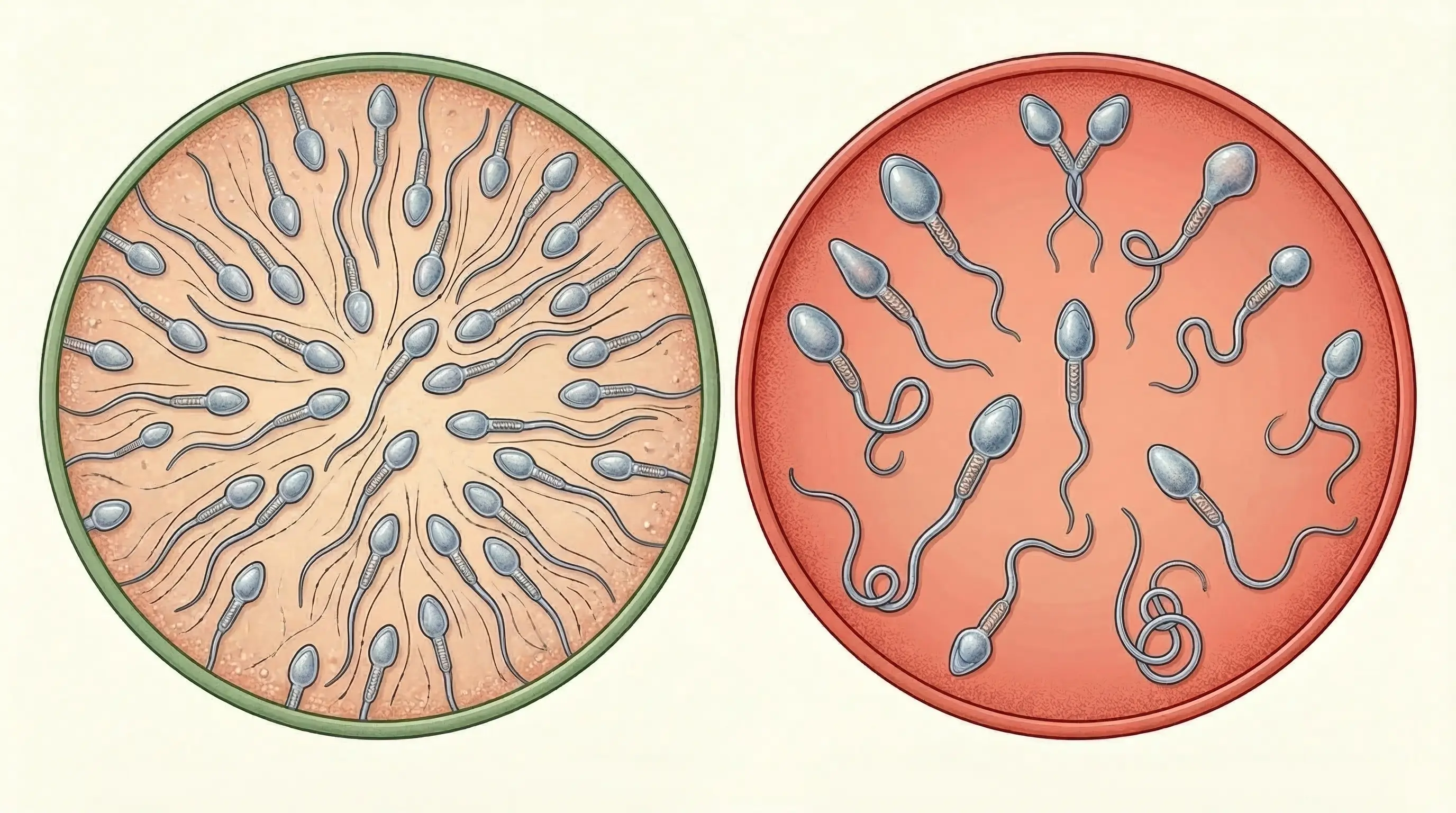
2. Sperm collection and preparation. A semen sample is collected (typically on the same day) and processed in the laboratory. The washing procedure separates healthy, motile sperm from seminal fluid, debris, and dead cells, producing a concentrated sample.[^1][^4][^11]
3. Insemination. A thin, flexible catheter is gently guided through the cervix, and the prepared sperm sample is deposited directly into the uterine cavity. The procedure usually takes less than 10 minutes and is generally painless, though some women experience mild cramping.[^1]
4. Pregnancy test. About two weeks after insemination, a pregnancy test determines whether the cycle was successful.[^1]
When Is IUI Considered in Fertility Treatment?
IUI is often considered a first-line treatment for couples with infertility because it is less invasive, less expensive, and simpler than IVF.[^2][^3] It sits between expectant management (trying naturally) and more advanced assisted reproductive technologies (ART) like IVF or intracytoplasmic sperm injection (ICSI).[^5]
Your doctor may recommend IUI when you’re experiencing:
Unexplained infertility: All tests come back normal, yet pregnancy hasn’t happened. IUI with ovarian stimulation is the recommended initial approach for most couples with unexplained infertility.[^3][^6]
Mild male factor infertility: Moderately reduced sperm count or motility, where enough healthy sperm can be concentrated through washing.[^2][^8]
Cervical factor: Problems with cervical mucus that prevent sperm from passing through the cervix.[^2]
Donor sperm: IUI is the standard method for conception using donor sperm, whether for single women, same-sex couples, or couples requiring a donor.[^1]
Ejaculatory dysfunction: When vaginal intercourse is not possible due to physical or psychological conditions.[^1][^2]
Mild endometriosis (Stage I–II): IUI with controlled ovarian stimulation can be effective when pelvic anatomy is relatively normal.[^2]
→ Learn more: Infertility
Who Is IUI Recommended For — and Who Is Not?
IUI works best for couples who meet certain criteria. A thorough evaluation of both partners is essential before starting treatment to confirm IUI is the appropriate approach.[^2][^7][^8]
IUI Candidate Overview
Good Candidates for IUI | IUI Is Less Likely to Help |
Unexplained infertility Mild male factor (TPMSC > 5 million) Cervical factor infertility Donor sperm use Ejaculatory dysfunction At least one open fallopian tube Female age < 35–38 years | Bilateral tubal blockage Severe male factor (TPMSC < 5 million) Advanced endometriosis (Stage III–IV) Female age ≥ 40 years Multiple failed IUI cycles |
Sources: Allahbadia (2017)[^2], ASRM (2020)[^3], Dias et al. (2024)[^7], Schlegel et al. (2020)[^8]
Key insight:
When the total progressive motile sperm count (TPMSC) after washing falls below 5 million, IUI success rates drop significantly, and ICSI may be a more effective option.[^8][^9]
→ Learn more: Male Infertility, Female Infertility
IUI Treatment Protocols
IUI can be performed in a natural (unstimulated) cycle or combined with ovarian stimulation (OS) — medications that encourage the ovaries to develop one or more mature follicles. The choice of protocol significantly affects both success rates and risks.[^3][^4]
Natural Cycle IUI
No fertility medications are used. IUI is timed to the woman’s own ovulation using LH monitoring or ultrasound.[^1][^3] Evidence shows that IUI in unstimulated cycles is not significantly more effective than expectant management (trying naturally) for unexplained infertility. A large randomized controlled trial (RCT) of 580 couples found live-birth rates of 23% with natural-cycle IUI versus 17% with expectant management — a difference that was not statistically significant.[^3]
Stimulated IUI (OS-IUI)
Ovarian stimulation combined with IUI is the recommended first-line medical treatment for most couples with unexplained infertility.[^3] There are two main oral stimulation options:
Clomiphene citrate with IUI: An oral medication that stimulates follicle development. Significantly more effective than expectant management (live-birth rate 31% vs. 9% over 3 cycles).³ Multiple-gestation pregnancy rates range from 0 to 12.5%.³
Letrozole with IUI: An aromatase inhibitor offering similar efficacy to clomiphene. A large cohort study of 14,519 cycles found comparable per-cycle live birth rates: letrozole-IUI 9.4% versus clomiphene-IUI 8.9%.³ Letrozole may carry a lower multiple-pregnancy rate (1.3% vs. 4.6% with clomiphene).³ Both agents are widely used as first-line oral medications for OS-IUI.
Gonadotropins with IUI: Injectable hormones (follicle-stimulating hormone, or FSH; LH) that provide more potent ovarian stimulation. While they may increase pregnancy rates, they carry a significantly higher risk of multiple-gestation pregnancy (up to 32% in some studies, including triplets and quadruplets).³ For this reason, gonadotropin-IUI is generally not recommended as first-line treatment for unexplained infertility.³
American Society for Reproductive Medicine (ASRM) Recommendation: Couples with unexplained infertility should initially undergo 3–4 cycles of OS-IUI with oral medications (clomiphene or letrozole). If unsuccessful, IVF is recommended rather than switching to gonadotropin-IUI.[^3]
→ Learn more: Ovulation Induction
Sperm Requirements for IUI
Not every sperm sample is suitable for IUI. Before insemination, the semen sample is washed and concentrated in the laboratory to select the healthiest, most motile sperm.[^4][^11] The resulting sample quality is a critical predictor of IUI success.[^7][^9][^12]
Key Sperm Thresholds
Parameter | Threshold for IUI | Clinical Significance |
Total progressive motile sperm count (TPMSC) | ≥ 5 million (minimum)[^8][^9] | Below this threshold, consider ICSI |
Processed total motile sperm (PTMS) | ≥ 10 million (optimal)[^2] | PTMS independently predicts IUI success |
Normal morphology | ≥ 4% normal forms[^2] | Below 4%, IUI outcomes decline |
Sources: Allahbadia (2017)[^2], Schlegel et al. (2020)[^8], Inceoglu et al. (2025)[^9]
Common sperm preparation techniques include density gradient centrifugation and swim-up methods. Both aim to separate the most motile, morphologically normal sperm from the rest of the sample. A Cochrane review found no clear difference in live-birth rates between these two methods.[^11]
→ Learn more: Semen Analysis (Spermiogram)
IUI Success Rates and Influencing Factors
IUI success rates depend on many factors. Per-cycle live birth rates typically range from 6–10% depending on the stimulation protocol and patient characteristics.[^3][^12] Cumulative success improves with multiple cycles, with most pregnancies occurring within the first 3–4 attempts.[^3][^14]
Per-Cycle Live Birth Rates by Protocol
IUI Protocol | Live-Birth Rate per Cycle |
Natural cycle IUI | ~6.2% |
Clomiphene citrate + IUI | ~8.9% |
Letrozole + IUI | ~9.4% |
Gonadotropins + IUI | ~9.5% |
Source: Huang et al. (2018) via ASRM (2020) — 14,519 IUI cycles in 8,583 couples[^3]
Key Factors Influencing IUI Success
Female age: The single strongest predictor. Live birth rates decline notably after age 35 and significantly after 40. In women aged 38–42, per-cycle live birth rates with IUI drop to around 5%, compared to approximately 15% with IVF.[^3][^7][^12][^13]
Duration of infertility: Couples with shorter infertility duration have better outcomes.[^7][^12]
Stimulation protocol: Stimulated IUI is consistently more effective than natural-cycle IUI.[^3][^4]
Sperm quality: Higher TPMSC (> 10 million) is associated with better outcomes.[^2][^9]
Infertility diagnosis: IUI tends to work best for unexplained infertility, cervical factor, and mild male factor.[^2][^7]
Number of mature follicles: Two or more mature follicles on the day of hCG administration improve pregnancy rates, but also increase the risk of multiple pregnancy.[^2][^14]
Cycle number: Most pregnancies occur within the first 3–4 IUI cycles. Returns diminish after 4–6 cycles.[^2][^3] These figures are strongly influenced by female age — women over 38–40 may see diminishing returns earlier, and some providers recommend proceeding directly to IVF in this age group.[^3][^12]
Risks and Limitations of IUI
IUI is a safe, low-risk procedure. The insemination itself carries a very low risk of infection and may cause mild cramping.[^1] The risks associated with IUI are primarily related to the ovarian stimulation medications used alongside it.[^3][^4]
Main Risks
Multiple-gestation pregnancy: The most significant risk, particularly with gonadotropin stimulation. In one large RCT, the multiple-gestation rate with conventional-dose gonadotropin-IUI was 32%, including 10 sets of triplets.[^3] With oral medications (clomiphene, letrozole), the risk is considerably lower (0–12.5%).[^3]
Ovarian hyperstimulation syndrome (OHSS): A potential complication of ovarian stimulation, where the ovaries become swollen and painful. More common with gonadotropin protocols.[^1][^4]
Ectopic pregnancy: A small risk that exists with any pregnancy, slightly increased with fertility treatments.[^1]
Low per-cycle live birth rates: IUI live birth rates per cycle remain relatively low compared to IVF, which can be emotionally and financially taxing over multiple attempts.[^5][^14]
When to Move On from IUI
Knowing when to transition from IUI to IVF is one of the most important decisions in fertility treatment. Evidence supports a clear pathway:[^3][^6]
After 3–4 unsuccessful OS-IUI cycles with oral medications, IVF is recommended rather than adding gonadotropin-IUI cycles.[^3] The fast track and standard treatment (FASTT) trial demonstrated that skipping gonadotropin-IUI and proceeding directly to IVF resulted in a shorter time to pregnancy and lower cost per pregnancy.[^3]
Women aged 38–42: Immediate IVF may yield superior live-birth rates compared to starting with IUI. One RCT found live-birth rates of 31.4% with immediate IVF versus 15.7% with clomiphene-IUI and 13.5% with FSH-IUI in women with a mean age of 40.[^3]
Severe male factor (TPMSC < 5 million): IUI is unlikely to be effective. ICSI should be considered.[^8][^9]
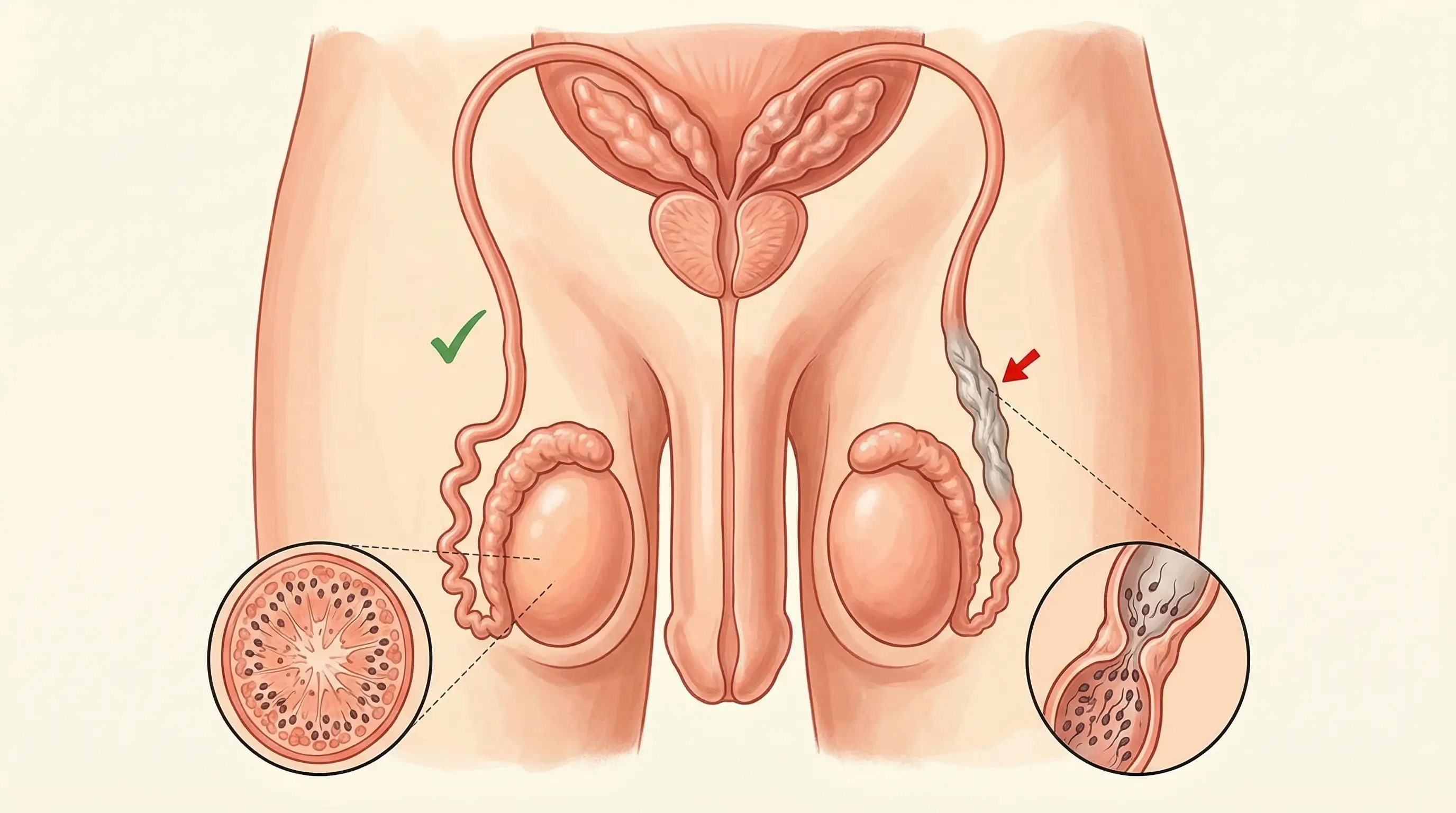
Additional factors: Tubal disease discovered during treatment, advanced endometriosis, or diminished ovarian reserve may also indicate earlier transition to IVF.[^2][^5]
How Is IUI Timed?
Proper timing is essential for IUI success. Evidence suggests that performing a single IUI between 0 and 36 hours after hCG injection yields comparable pregnancy rates to double IUI (two inseminations in the same cycle).[^3] Three RCTs found no significant difference in pregnancy rates between single and double IUI.[^3]
ASRM Recommendation:
A single IUI performed between 0 and 36 hours after hCG injection is sufficient in OS-IUI treatment cycles.[^3]
Living with Negative IUI Results
Undergoing fertility treatment can be one of the most emotionally challenging experiences a person or couple faces. Studies show that patients undergoing IUI experience significant anxiety, depression, and fertility-specific stress — comparable to those undergoing IVF.[^15][^17]
Research has identified several factors that increase psychological distress during IUI treatment:[^16]
Longer duration of infertility [^16]
Younger age (linked to greater expectations and social pressure)[^16]
Unemployment or financial stress [^16]
Repeated failed cycles [^15][^17]
A study on hope therapy in patients undergoing IUI found that structured psychological interventions have been shown to improve mood and reduce scores of depression and anxiety.[^18] Whether such interventions directly influence pregnancy rates remains uncertain — the study was small, and correlation does not equal causation — but the emotional benefits alone make psychological support worthwhile. Open communication with your partner and healthcare team, setting realistic expectations, and seeking professional support when needed are all important coping strategies.[^15]
Important:
A negative IUI result does not mean that pregnancy is impossible. It means that this particular cycle did not result in conception. Your medical team may recommend adjustments to your protocol, additional testing, or a transition to IVF.[^5][^19]
So, What Should You Do Now?
If you’re considering IUI or already in the middle of treatment, here are the steps that matter most.
Step 1: Get a Complete Evaluation
Both you and your partner need a thorough fertility workup before starting IUI. This includes a semen analysis, ovarian reserve testing, and confirmation that at least one fallopian tube is open. IUI only works when the basic conditions are met.
Step 2: Understand Your Protocol Options
Talk to your doctor about whether natural-cycle IUI or stimulated IUI with oral medications (clomiphene or letrozole) is right for you. Stimulated IUI is consistently more effective, but the protocol should match your diagnosis and risk profile.
Step 3: Know Your Numbers
Ask about your TPMSC after washing. If it’s below 5 million, IUI is unlikely to succeed, and your doctor may recommend ICSI instead. Ask about age-specific live birth rates — they matter more than averages.
Step 4: Set a Clear Timeline
Most evidence supports 3–4 OS-IUI cycles before moving on. Don’t keep repeating cycles without a plan. If you’re 38 or older, discuss whether starting with IVF might save time and money.
Step 5: Don’t Ignore the Emotional Side
Fertility treatment is stressful. If you or your partner feel overwhelmed, seek psychological support — structured interventions can improve coping, reduce anxiety, and help you make better decisions about your treatment.
Step 6: Choose the Right Clinic
Not every clinic has the same experience with IUI. Look for transparent, published live birth rates, clear protocols, and a team that communicates openly about when to adjust course.
→ Compare fertility clinics worldwide: MedicalNavigator.com/fertility-clinics
Too Long, Didn’t Read
IUI places washed sperm directly into the uterus around ovulation — it takes about 10 minutes in a clinic.
Stimulated IUI with clomiphene or letrozole is recommended over natural-cycle IUI for unexplained infertility.
Per-cycle live birth rates range from approximately 6–10% depending on the protocol used.
After 3–4 failed OS-IUI cycles with oral medications, transition to IVF — not gonadotropin-IUI.
Female age is the strongest predictor of IUI success — outcomes decline sharply after 38.
A single IUI timed 0–36 hours after hCG is sufficient — double IUI offers no proven benefit.
References
[^1]: United Kingdom National Health Service (NHS). Intrauterine insemination (IUI). Reviewed June 2024.
[^2]: Allahbadia GN. Intrauterine Insemination: Fundamentals Revisited. J Obstet Gynaecol India. 2017;67(6):385–392.
[^3]: Practice Committee of the ASRM. Evidence-based treatments for couples with unexplained infertility: A guideline. Fertil Steril. 2020;113(2):305–322.
[^4]: Chronopoulou E, et al. Optimizing intrauterine insemination: A systematic review and meta-analysis. Acta Obstet Gynecol Scand. 2024;103(10):1919–1932.
[^5]: Carson SA, Kallen AN. Diagnosis and Management of Infertility: A Review. JAMA. 2021;326(1):65–76.
[^6]: Chiu Y-H, et al. Effectiveness and safety of intrauterine insemination versus immediate assisted reproductive technology. Fertil Steril. 2022;118(3):523–532.
[^7]: Dias CMF, et al. Intrauterine insemination: Prognostic factors and clinical outcomes. JBRA Assist Reprod. 2024;28(2):254–262.
[^8]: Schlegel PN, et al. Diagnosis and treatment of infertility in men: AUA/ASRM guideline part II. Fertil Steril. 2020;115(1):54–61.
[^9]: Inceoglu C, Ozkaya E, Yilmaz MB. Intrauterine Insemination (IUI) Outcomes With Total Progressive Motile Sperm Count (TPMSC) Above and Below 5 Million. Cureus. 2025;17(4):e82580.
[^10]: Cryos International. How much sperm should you order?
[^11]: Boomsma CM, Cohlen BJ, Farquhar C. Semen preparation techniques for intrauterine insemination. Cochrane Database Syst Rev. 2019;10(10):CD004507.
[^12]: Starosta A, Gordon CE, Hornstein MD. Predictive factors for intrauterine insemination outcomes: a review. Fertil Res Pract. 2020;6:23.
[^13]: Zhang D, et al. Cumulative live birth rates following intrauterine insemination using donor and husband sperm in different age groups. Int J Gynaecol Obstet. 2024;167(1):142–153.
[^14]: Zippl AL, et al. Predicting success of intrauterine insemination using a clinically based scoring system. Arch Gynecol Obstet. 2022;306(5):1777–1786.
[^15]: Sharma A, Shrivastava D. Psychological Problems Related to Infertility. Cureus. 2022;14(10):e30320.
[^16]: Ran M, Wang Y, Pu Y. Psychological Stress in Patients Undergoing Intrauterine Insemination With Husband’s Sperm: Prevalence, Influencing Factors, and Impact on Conception Success. Clin Exp Obstet Gynecol. 2025;52(10):39785.
[^17]: Awtani M, et al. Infertility Stress in Couples Undergoing Intrauterine Insemination and In Vitro Fertilization Treatments. J Hum Reprod Sci. 2017;10(3):221–225.
[^18]: Zhu H, et al. Effect of hope therapy on fertility stress and pregnancy rate in infertile patients undergoing intrauterine insemination. Am J Transl Res. 2022;14(6):4363–4371.
[^19]: Instituto Bernabeu. Negative IVF: Everything you need to know after a failed IVF.
This guide is for informational purposes only. Always consult qualified healthcare providers for personalized recommendations. For full details, read our Medical Disclaimer.

Author of the article
Date of publication