


What Is ICSI?
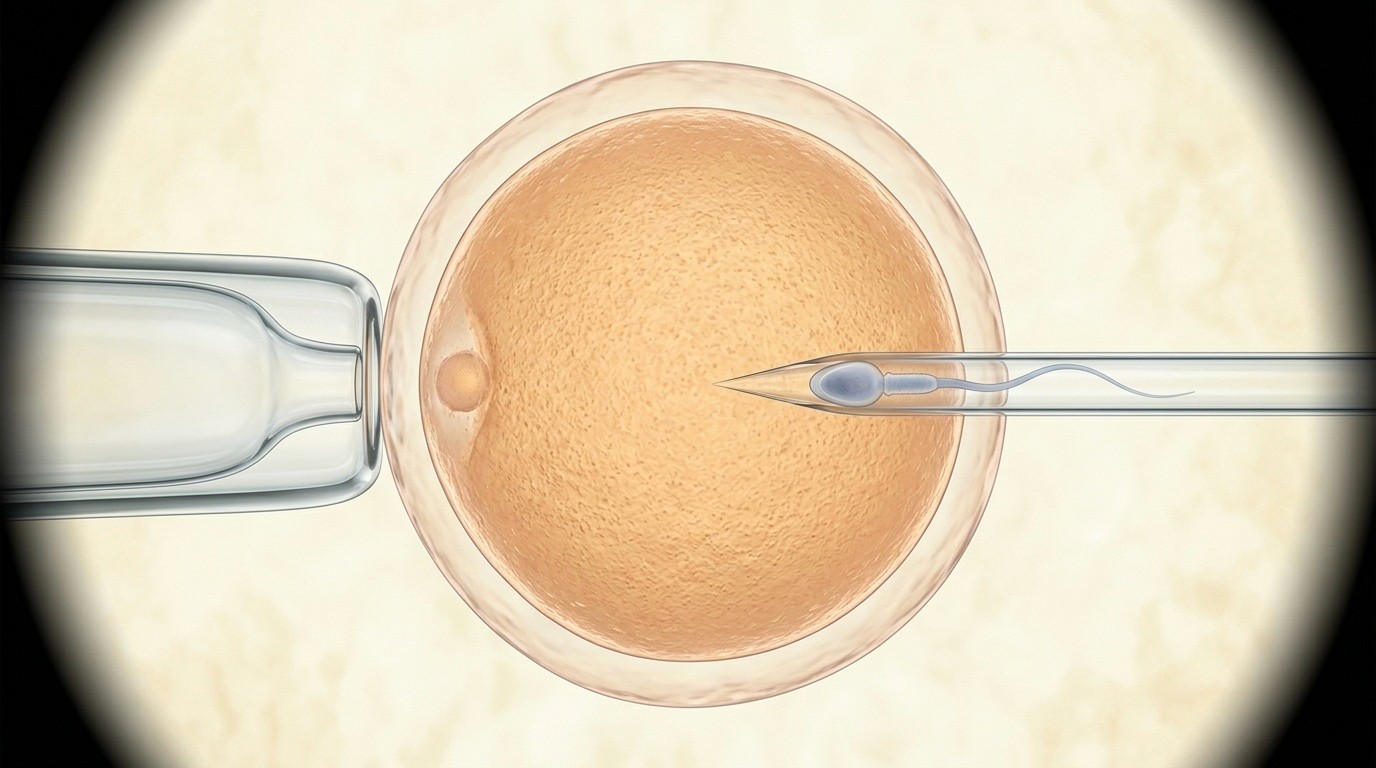
Intracytoplasmic Sperm Injection (ICSI) is an advanced form of in vitro fertilization (IVF) in which a single sperm cell is picked up with a microscopic needle and injected directly into the centre of a mature egg.[^3][^4] Unlike conventional IVF — where thousands of sperm are placed around an egg and fertilization happens on its own — ICSI bypasses all natural barriers to fertilization. That makes it the go-to option when sperm quality, quantity, or function is the problem.
The technique was first reported in 1992 by Palermo and colleagues at the Free University of Brussels, marking a turning point for couples dealing with severe sperm abnormalities.[^2][^7] Before ICSI, men with very low sperm counts, poor motility, or sperm retrieved surgically from the testicle had limited options. ICSI changed that.
Today, ICSI is used in a large proportion of IVF cycles worldwide, especially when male factor infertility is suspected. It is also used in cases requiring surgically retrieved sperm, frozen oocytes, or preimplantation genetic testing (PGT).[^3][^5][^8]
→ Learn more: In Vitro Fertilization (IVF)
When Is ICSI Recommended?
ICSI is not needed in every IVF cycle. Your doctor will recommend it based on specific clinical findings.[^3][^5][^8] The primary indications include:
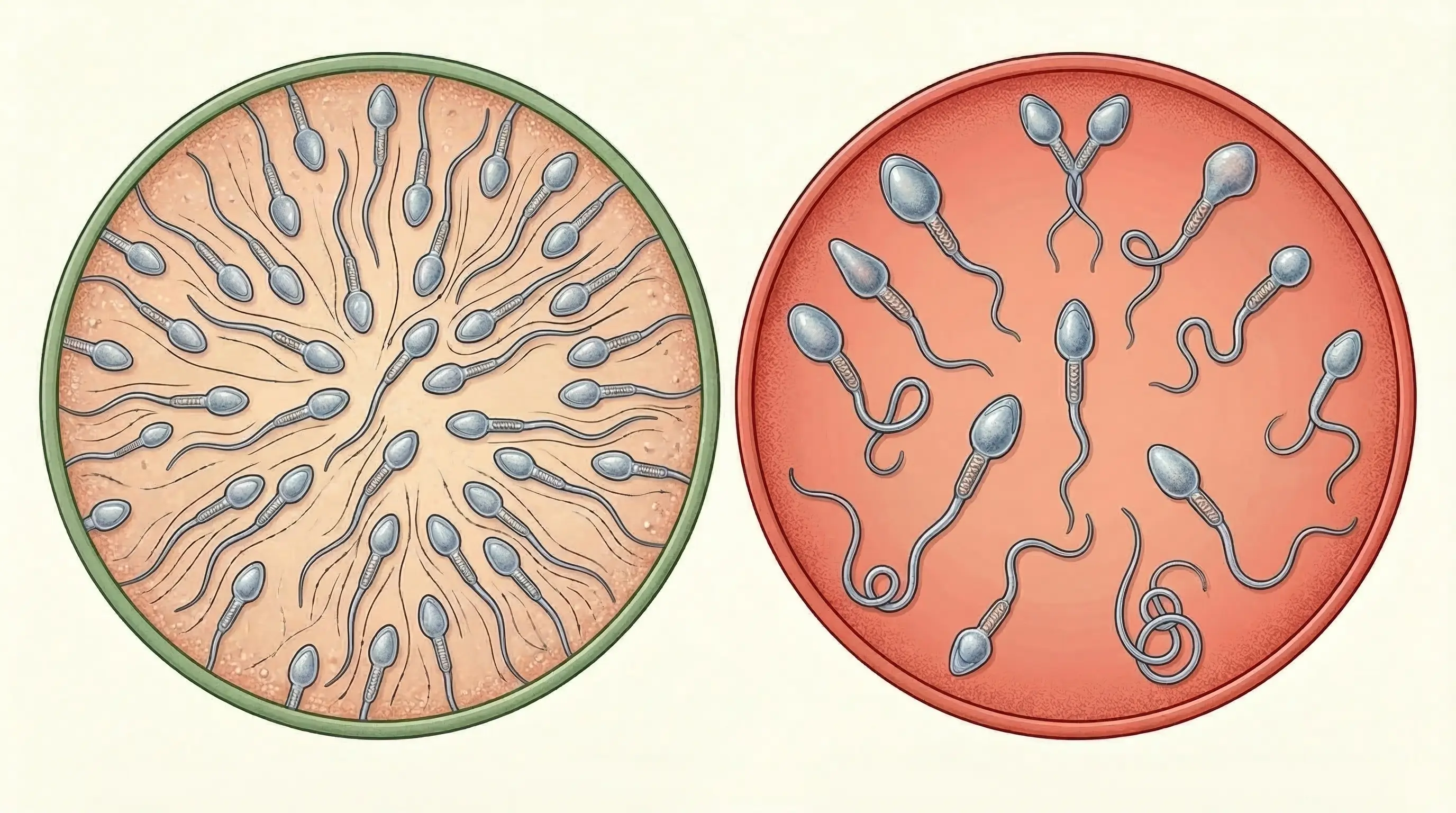
Severe male factor infertility — very low sperm count (severe oligozoospermia), poor motility (asthenozoospermia), or abnormal morphology (teratozoospermia)
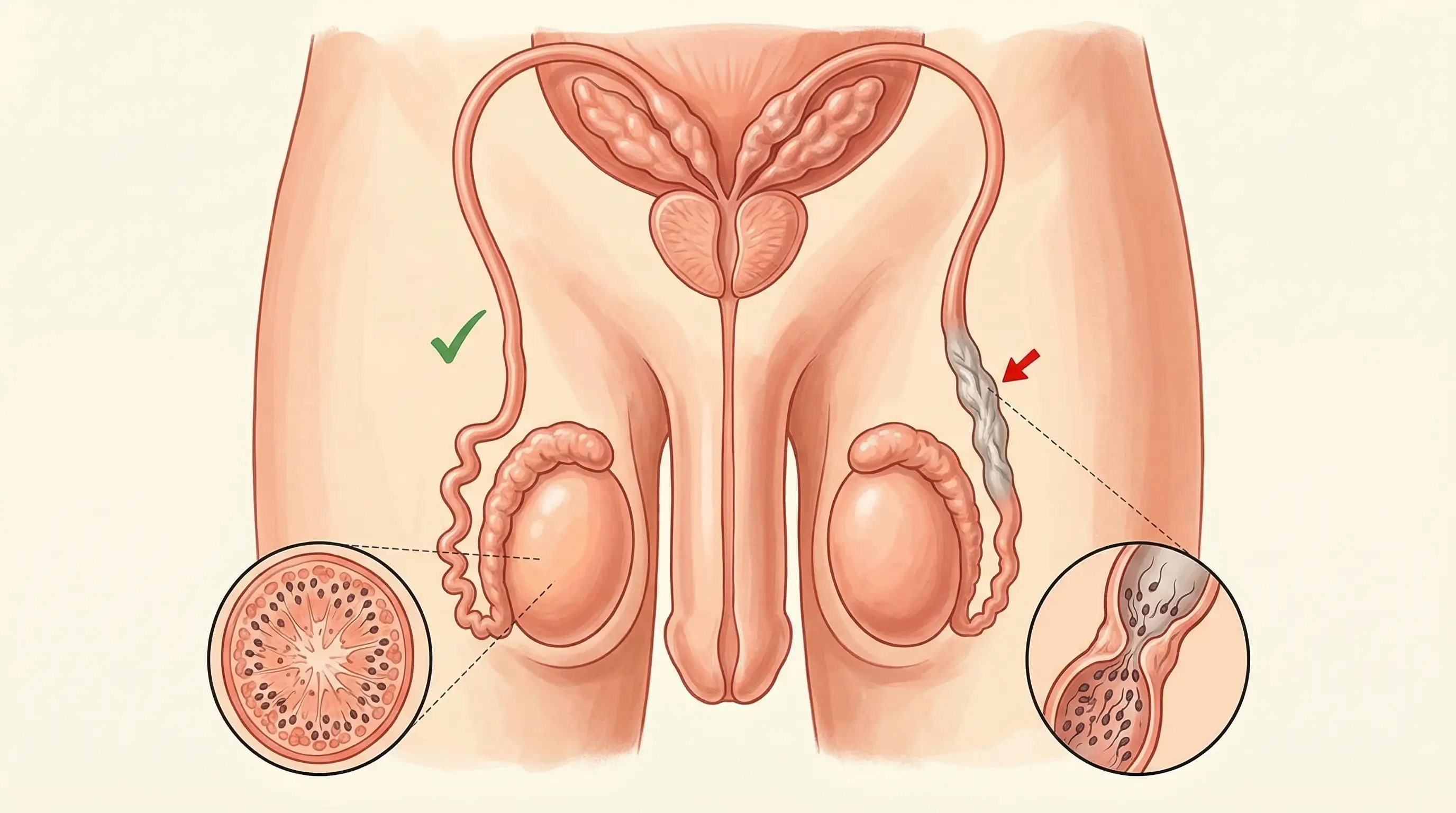
Obstructive or non-obstructive azoospermia — where sperm must be retrieved surgically (TESE, micro-TESE, or MESA)
Previous fertilization failure — when a prior conventional IVF cycle resulted in no fertilization
Frozen or surgically retrieved sperm — which may have reduced motility after thawing
Preimplantation genetic testing (PGT) — to avoid contamination from additional sperm attached to the egg’s surface
Unexplained infertility with poor prior IVF outcomes — as a second-line approach
ICSI vs. Conventional IVF — Do You Actually Need ICSI?
In conventional IVF, sperm and eggs are placed together in a dish, and fertilization happens naturally. ICSI, by contrast, requires a skilled embryologist to manually inject each egg.[^4][^6] Over the past decade, the use of ICSI has expanded well beyond male factor infertility — some clinics now use it for nearly every cycle. But does that make medical sense?
A 2024 systematic review and meta-analysis of 18 randomized trials (3,249 cycles) found that ICSI did not improve live birth rates compared to conventional IVF in non-male factor infertility.[^9] A 2025 multicentre randomized controlled trial (824 women) published in Nature Medicine confirmed these findings: the cumulative live birth rate was 43.2% with ICSI versus 47.3% with conventional IVF — no significant difference.[^10] The trial also found that ICSI may actually reduce the chance of live birth in younger women (≤32 years), with a number needed to harm of just nine.
In the UK, ICSI costs at least £500 more per cycle than conventional IVF.[^9] Opting for ICSI when it is not clinically necessary may increase the cost of your treatment without improving your chances.[^5]
Bottom line:
ICSI is a powerful tool when used for the right reasons. Ask your doctor whether it is specifically indicated for your situation.
→ Learn more: Male Infertility
How Does ICSI Work?
The ICSI treatment process is nearly identical to a conventional IVF cycle. The key difference is what happens in the laboratory after the eggs are collected.[^3][^5][^6]
Step-by-Step: The ICSI Treatment Process
Step 1 — Ovarian Stimulation
The woman receives hormone injections (gonadotropins) to stimulate the ovaries to produce multiple eggs instead of the usual one per cycle. This is called controlled ovarian stimulation (COS). Monitoring with blood tests and ultrasound scans tracks follicle growth throughout.[^11][^12]
Step 2 — Trigger Shot and Egg Retrieval
When follicles reach approximately 18 mm, an injection of hCG (human chorionic gonadotropin) or a GnRH agonist trigger is given. Egg retrieval is performed 34–36 hours later via transvaginal ultrasound-guided aspiration — a short procedure typically done under sedation.[^11][^13]
Step 3 — Sperm Collection and Preparation
On the same day, a semen sample is collected. If the male partner has azoospermia, sperm may be surgically retrieved using techniques such as TESE, micro-TESE, or MESA.[^7][^8] The sperm is then washed and prepared — typically using density gradient centrifugation, swim-up, or microfluidic sorting — to concentrate the healthiest, most motile cells.[^14]
Step 4 — The ICSI Injection
This is where ICSI differs from conventional IVF. The embryologist:
Strips the cumulus cells from each egg to assess maturity. Only mature (metaphase II) oocytes are typically injected. In some clinics, if very few eggs are retrieved, metaphase I and GV (germinal vesicle) oocytes may also be considered for IVM (in vitro maturation), though fertilization rates are lower and the risk of an abnormal genetic result (such as triploidy) is higher.[^4][^6]
Immobilizes a single sperm by pressing the micropipette firmly across the tail in a quick, deliberate motion — less like a gentle touch and more like a precise karate chop at the microscopic scale. This crush breaks the tail membrane, which does two things at once: it stops the sperm from swimming and releases key proteins (including PLCζ) that signal the egg to begin activation once the sperm is inside. The sperm is then aspirated into the injection pipette, and the oocyte is rotated to the position of the first polar body at 6 or 12 o’clock to avoid damaging the meiotic spindle.[^4][^6]
Holds the egg in place with a specialized holding pipette.[^4][^6]
Inserts the injection needle through the egg’s outer shell (zona pellucida) and membrane (oolemma), depositing the sperm directly into the cytoplasm.[^4][^6]
Step 5 — Fertilization Check and Embryo Culture
Approximately 16–18 hours after injection, embryologists check for successful fertilization by looking for two pronuclei (2PN) — one from the egg and one from the sperm.[^4][^9] Fertilized eggs are then cultured in a controlled incubator — typically to the cleavage stage (day 3) or the blastocyst stage (day 5–6), depending on the clinic’s protocol and the number of developing embryos.
Step 6 — Embryo Transfer
One or two embryos are transferred into the uterus. Remaining good-quality embryos may be frozen for future use.[^7][^13]
→ Learn more: Ovulation Induction
Sperm Selection and Preparation for ICSI
Unlike conventional IVF, in which thousands of sperm compete to fertilize the egg, in ICSI the embryologist selects a single sperm for each egg. The quality of that selection matters.[^4][^14]
During ICSI itself, sperm selection is a visual, experience-driven decision made in real time by the embryologist under the microscope. A sperm with normal shape (no two tails, no bent neck), swimming in a straight line with progressive motility, is considered suitable. If a sperm is not moving, twitching in circles, or visually abnormal — it is passed over. Morphology and motility assessment at this stage is standard practice.
A study by Moubasher et al. (2021) found that sperm viability, normal morphology, and DNA fragmentation index were all significant predictors of ICSI fertilization and pregnancy outcomes.[^15]
Common Sperm Preparation Methods
What patients more commonly encounter — and sometimes pay extra for — are the preparation methods used before the embryologist picks the individual sperm. These methods process the semen sample to concentrate the healthiest cells:
Method | How It Works | Key Advantage |
Density gradient centrifugation | Sperm are layered over a density solution and centrifuged; the most motile cells migrate to the bottom. | Isolates a large number of motile, morphologically normal cells. The most widely used method. |
Swim-up | Washed sperm are placed under culture medium; the most motile cells swim upward and are collected from the surface. | Simple, economical, and produces low levels of reactive oxygen species (ROS). |
Microfluidic sorting | Sperm swim through tiny channels that mimic the female reproductive tract; only the best swimmers pass through. | Eliminates centrifugation damage. Reduced DNA fragmentation compared to classical methods. |
MACS | Uses magnetic beads to remove apoptotic (dying) sperm from the sample. | Effective for samples with high DNA fragmentation. Can be combined with other methods. |
Source: Baldini et al. (2021)[^14], Kocur et al. (2025)[^4]
A 2021 review by Baldini et al. evaluated multiple advanced preparation techniques and concluded that no single method has been shown to clearly outperform others in improving overall ICSI outcomes.[^14] The choice of preparation method is typically guided by the clinic’s protocol, the quality of the sperm sample, and whether specific issues (such as high DNA fragmentation) have been identified.
ICSI Success Rates and What Influences Them
ICSI is highly effective at achieving fertilization, but a successful pregnancy depends on many factors beyond the injection itself.[^5][^7]
Fertilization and Pregnancy Rates
UK data from the HFEA, covering 218,830 oocytes (2015–2018), found that the fertilization rate with ICSI was 72.8%, compared to 64.9% with conventional IVF (p < 0.00001).[^8] Approximately 19.1% of oocytes allocated to ICSI were not used — primarily because they were immature or otherwise unsuitable for injection.
The overall clinical pregnancy rate following ICSI has been reported at approximately 30–40% per cycle, though this varies widely depending on individual factors.[^6]
Key Factors That Influence Success
Factor | Impact on ICSI Outcome |
Maternal age | The most important predictor. Older women have fewer and lower-quality eggs, reducing success rates significantly after age 35. |
Sperm source | Fresh ejaculated sperm generally yields higher pregnancy rates than frozen or surgically retrieved sperm. |
Number of MII oocytes | More mature eggs retrieved = more embryos = higher chance of at least one successful implantation. |
Embryo quality | Good-quality blastocysts have higher implantation potential regardless of sperm quality. |
Endometrial thickness | A thicker endometrium is associated with better pregnancy outcomes. |
Sperm DNA fragmentation | High DFI can impair fertilization and embryo development. |
Source: Ashrafi et al. (2013)[^6], Moubasher et al. (2021)[^15], Mazzilli et al. (2022)[^7]
Fresh vs. Frozen Sperm
A 2025 study by Abualiat et al. compared ICSI outcomes using fresh versus frozen-thawed testicular sperm and found that fresh sperm yielded higher clinical pregnancy and live birth rates (approximately 45% vs. 30%).[^18] This is an important consideration for couples whose sperm was previously cryopreserved.
Does Severe Male Factor Affect Embryo Quality?
Mazzilli et al. (2022) have found that while poorer sperm quality increases the risk of fertilization failure and developmental arrest before the blastocyst stage, once a blastocyst forms, its implantation potential is similar regardless of whether the sperm came from a severely affected or a mildly affected sample.[^7] That’s a reassuring finding — it means the embryo’s ability to implant does not appear to be compromised by the severity of the original sperm problem, provided the embryo reaches the blastocyst stage.
→ Learn more: Female Infertility
Risks and Limitations of ICSI
While ICSI is generally safe, there are specific risks to be aware of.[^2][^5][^7]
Procedure-Related Risks
Oocyte damage: A small proportion of eggs may be damaged during the injection process.[^5]
Total fertilization failure (TFF): Reported in 1–3% of ICSI cycles (compared to 5–8% for conventional IVF).[^8]
All standard IVF risks apply, including ovarian hyperstimulation syndrome (OHSS), multiple pregnancy, and emotional stress.[^5][^13]
Concerns About Offspring Health
Research has raised some concerns regarding children conceived through ICSI, though most findings remain inconclusive:
Some studies have found a possible small increase in the risk of congenital abnormalities and epigenetic syndromes in ICSI-conceived children, but it is unclear whether this is caused by the technique itself or by the underlying infertility.[^2][^5][^7]
A boy born through ICSI may inherit his father’s infertility, particularly if it is linked to Y chromosome abnormalities. Genetic testing before treatment can help identify this risk.[^5][^7]
When ICSI is used in couples without male factor infertility, one study found a possible increase in singleton congenital abnormalities.[^9]
When ICSI May Not Help
ICSI is not always the solution. If poor egg quality or oocyte immaturity is the main issue, ICSI is unlikely to improve outcomes.[^5] In some rare conditions, such as globozoospermia (round-headed sperm that lack the proteins needed to activate the egg), additional treatments like assisted oocyte activation (AOA) may be required alongside ICSI.[^4][^7]
For couples without severe male factor infertility, recent high-quality evidence supports conventional IVF as the preferred first-line approach, reserving ICSI for cases where it is specifically indicated.[^9][^10]
Living with Negative ICSI Results
A failed ICSI cycle is a deeply personal experience. The emotional, financial, and physical toll should not be underestimated.[^19][^20][^21]
The Psychological Impact
A 2024 qualitative study found that men with male infertility undergoing ICSI experience significant psychosocial problems, including feelings of guilt, inadequacy, and exclusion from the treatment process.[^20] These feelings are often compounded by societal pressure and the misconception that infertility is primarily a “woman’s issue.”
The prospect of using donor sperm after ICSI failure can further affect a man’s mental health. Yin et al. (2024) reported that the switch to donor sperm has a significant impact on erectile function and psychological well-being, underscoring the need for psychological support throughout the process.[^19]
For women, research shows that the waiting period for results can trigger repetitive negative thinking and distressing emotional responses — patterns that may interfere with coping and recovery.[^21]
What to Do After a Failed Cycle
Talk to your doctor about why the cycle may not have worked and whether your treatment plan should be adjusted.[^5][^22]
Wait at least a couple of months before trying again — to recover physically and emotionally.[^5][^22]
Consider genetic testing if your doctor suspects a heritable cause of infertility.[^5][^22]
Explore all options: another ICSI cycle, donor sperm, donor eggs, or adoption may be right for you.[^5][^22]
Seek emotional support: counselling or peer support groups can make a meaningful difference.[^5][^22]
→ Treatment options: Surgical Solutions, IUI
So, What Should You Do Now?
If you’re considering ICSI or have already been recommended for it, here’s how to move forward:
Step 1: Talk to Your Doctor About Whether ICSI Is Indicated
Ask your fertility specialist whether ICSI is specifically recommended for your situation. If male factor infertility has not been diagnosed, ask about the evidence for conventional IVF as a first-line option.5,9,10
Step 2: Get a Complete Fertility Work-Up
Both partners should be fully evaluated before starting treatment. For men, this includes a semen analysis and, if needed, hormonal or genetic testing. For women, ovarian reserve testing and uterine assessment are standard.3,5
Step 3: Understand Your Clinic’s Protocol
Ask your clinic about the ovarian stimulation protocol, sperm preparation method, and embryo culture strategy it uses. Understanding these details helps you make informed decisions and set realistic expectations.11,14
Step 4: Prepare Emotionally and Financially
ICSI is physically, emotionally, and financially demanding. Consider counselling or a support group before starting treatment — not just after a failed cycle.19,20
Step 5: Choose the Right Clinic
Success rates vary between clinics. Compare laboratory expertise, embryologist experience, and published outcomes. A clinic with strong ICSI-specific results can make a meaningful difference.
→ Compare fertility clinics worldwide: MedicalNavigator.com/fertility-clinics
Too Long, Didn’t Read
ICSI injects a single sperm directly into an egg — the most effective treatment for male factor infertility.
Your doctor should recommend ICSI based on specific indications, not as a routine add-on to every IVF cycle.
Recent evidence shows ICSI does not improve live birth rates over conventional IVF when male factor infertility is not present.
ICSI fertilization rates are approximately 73%, but overall success depends heavily on maternal age, egg quality, and embryo development.
Risks are low but real: small chance of egg damage, possible inherited male infertility in sons, and slightly higher congenital abnormality risk under study.
A failed cycle is not the end — talk to your doctor, take time to recover, and explore all available options.
References
[^1]: Palermo G, Joris H, Devroey P, Van Steirteghem AC. Pregnancies after intracytoplasmic injection of single spermatozoon into an oocyte. Lancet. 1992;340:17–18.
[^2]: Asada Y. Evolution of intracytoplasmic sperm injection: From initial challenges to wider applications. Reprod Med Biol. 2024;23(1):e12582.
[^3]: World Health Organization. Guideline for the prevention, diagnosis and treatment of infertility. WHO; 2025.
[^4]: Kocur OM, Xie P, Cheung S, Ng L, De Jesus A, Rosenwaks Z, Palermo GD. The intricate “ART” of ICSI. J Assist Reprod Genet. 2025;42(2):349–365.
[^5]: Human Fertilisation & Embryology Authority. Intracytoplasmic sperm injection (ICSI). Published March 31, 2016.
[^6]: Ashrafi M, Jahanian Sadatmahalleh S, Akhoond MR, Ghaffari F, Zolfaghari Z. ICSI Outcome in Infertile Couples with Different Causes of Infertility: A Cross-Sectional Study. Int J Fertil Steril. 2013;7(2):88–95.
[^7]: Mazzilli R, Vaiarelli A, Dovere L, et al. Severe male factor in in vitro fertilization: definition, prevalence, and treatment. An update. Asian J Androl. 2022;24(2):125–134.
[^8]: Aggarwal B, Evans AL, Ryan H, Martins da Silva SJ. IVF or ICSI for fertility preservation? Reprod Fertil. 2021;2(1):L1–L3.
[^9]: Yang L, Liang F, Zhu R, Wang Q, Yao L, Zhang X. Efficacy of intracytoplasmic sperm injection in women with non-male factor infertility: A systematic review and meta-analysis. Acta Obstet Gynecol Scand. 2024;103(1):30–41.
[^10]: Berntsen S, Zedeler A, Nøhr B, et al. IVF versus ICSI in patients without severe male factor infertility: a randomized clinical trial. Nat Med. 2025;31(6):1939–1948.
[^11]: Bosch E, Broer S, Griesinger G, et al. ESHRE guideline: Ovarian stimulation for IVF/ICSI. Hum Reprod Open. 2020;2020(2):hoaa009.
[^12]: Shrestha D, La X, Feng HL. Comparison of different stimulation protocols used in in vitro fertilization: a review. Ann Transl Med. 2015;3(10):137.
[^13]: Choe J, Shanks AL. In Vitro Fertilization. StatPearls [Internet]. Updated 2023 Sep 4.
[^14]: Baldini D, Ferri D, Baldini GM, et al. Sperm Selection for ICSI: Do We Have a Winner? Cells. 2021;10(12):3566.
[^15]: Moubasher AEDA, Taha EA, Elnashar EM, et al. Semen parameters on the intracytoplasmic sperm injection day: Predictive values and cutoff thresholds of success. Clin Exp Reprod Med. 2021;48(1):61–68.
[^16]: ESHRE. ICSI vs IVF: the correct choice.
[^17]: Zhu S, Li H, Lv Z, et al. Intracytoplasmic sperm injection compared with in vitro fertilisation in patients with non-male factor infertility with low oocyte retrieval.
[^18]: Abualiat ZM, Makki JS, Aljebeli SM, et al. Comparison of Pregnancy Rate and Live Birth Rate of Intracytoplasmic Sperm Injection Cycles Using Fresh Versus Frozen-Thawed Testicular Sperm. Obstet Gynecol Sci.
[^19]: Yin Y, Wang K, Xu Y, et al. The Impact of Using Donor Sperm After ICSI Failure in Severe Oligozoospermia on Male Mental Health and Erectile Function. J Multidiscip Healthc. 2024;17:21–28.
[^20]: de Vries CEJ, Veerman-Verweij EM, van den Hoogen A, et al. The psychosocial impact of male infertility on men undergoing ICSI treatment: a qualitative study. Reprod Health. 2024;21:26.
[^22]: Instituto Bernabeu. Negative IVF: Everything you need to know after a failed IVF.
This guide is for informational purposes only. Always consult qualified healthcare providers for personalized recommendations. For full details, read our Medical Disclaimer.

Author of the article
Date of publication