


Fertility

Last updated:

Azoospermia

Author:

Juraj Xavier Gabzdil, MBA., MSc.

Medicaly approved by:

Ingemārs Sokolovskis, MBA., MSc. & MUDr. Peter Kosoň, PhD.

Fertility

Last updated:

Azoospermia

Author:

Juraj Xavier Gabzdil, MBA., MSc.

Medicaly approved by:

Ingemārs Sokolovskis, MBA., MSc. & MUDr. Peter Kosoň, PhD.

Fertility

Last updated:

Azoospermia

Author:

Juraj Xavier Gabzdil, MBA., MSc.

Medicaly approved by:

Ingemārs Sokolovskis, MBA., MSc. & MUDr. Peter Kosoň, PhD.

What you will get

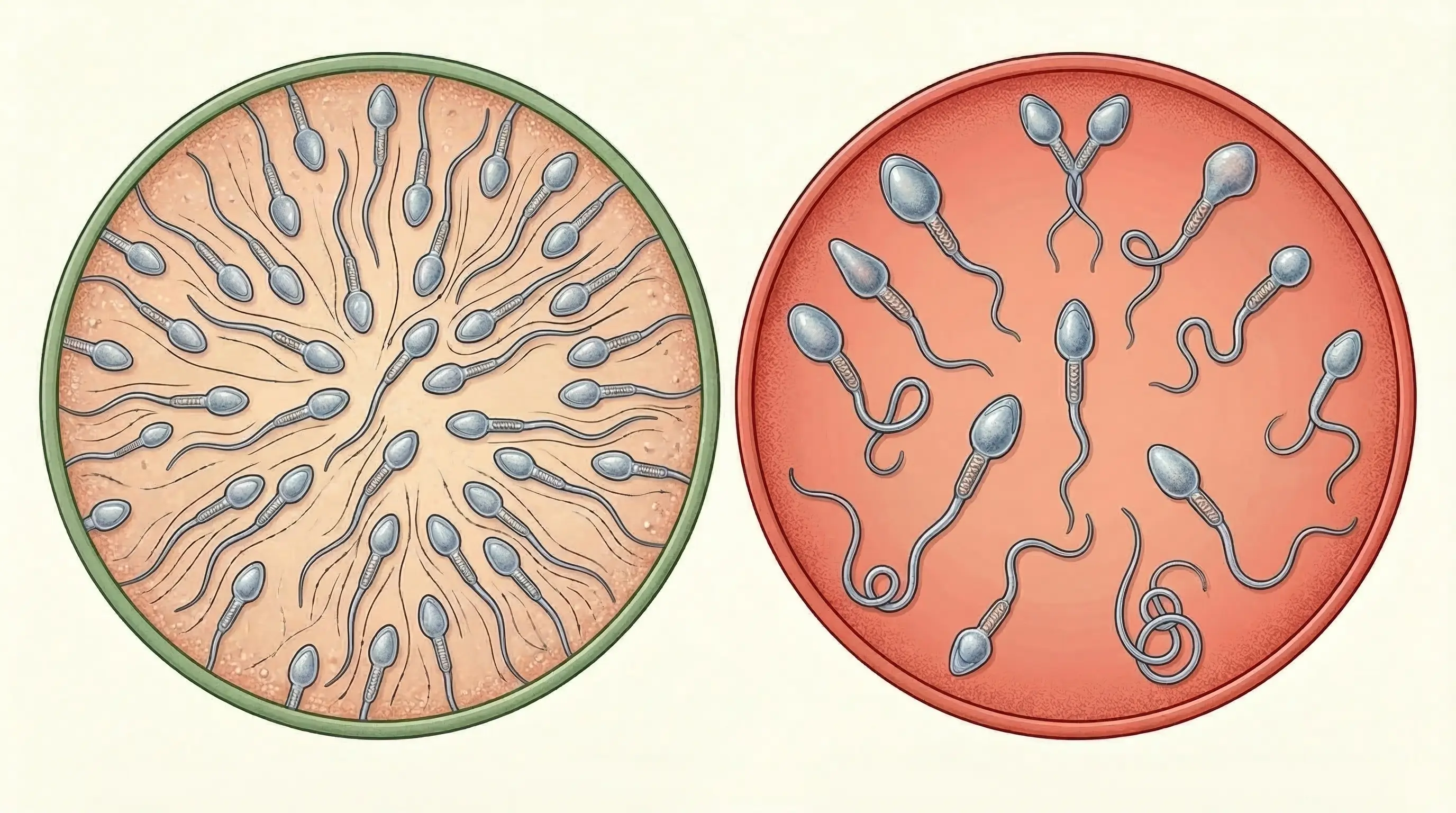
Azoospermia — the complete absence of sperm in the ejaculate — affects about 1% of all men and 5–15% of men evaluated for infertility (the range reflects differences in study populations and diagnostic criteria).

If you’ve received this diagnosis, know that you are not alone, and there are multiple paths forward — from surgical sperm retrieval to donor options. This guide will help you understand your situation and take the next step.

What You’ll Get

  • Azoospermia — what it is and how common it is

  • The critical difference between obstructive and non-obstructive types

  • Causes: genetic, congenital, and acquired

  • How is azoospermia diagnosed

  • Treatment options: sperm retrieval procedures and when to use each

  • Success rates by type and procedure

  • Alternative paths to parenthood

  • Emotional and psychological support resources

What Is Azoospermia?

Azoospermia is defined as the complete absence of sperm in the ejaculate, confirmed after centrifugation of the semen sample on at least two separate occasions.

Approximately 5–15% of men evaluated for infertility are found to be azoospermic. Despite being the most severe form of male infertility, azoospermia does not necessarily mean biological fatherhood is impossible.

What Are the Types of Azoospermia?

Azoospermia is classified into two fundamentally different types, and understanding which type you have is essential for determining the most appropriate treatment.

Feature

Obstructive Azoospermia (OA)

Non-Obstructive Azoospermia (NOA)

What It Means

Sperm are produced but cannot reach the ejaculate due to a blockage.

Sperm production is severely impaired or absent.

Frequency

Approximately 40% of azoospermia cases.

Approximately 60% of cases of azoospermia (the most common).

Testicular Size

Usually normal.

Often reduced.

FSH Levels

Usually normal.

Often elevated.

Sperm Retrieval Success

Above 95% in experienced centers.

Variable (40–60% with micro-TESE in experienced centers).

Source: Hubbard L, et al. Asian J Androl (2025) and Sharma M, Leslie SW. StatPearls (2023)

What Causes Obstructive Azoospermia (OA)?

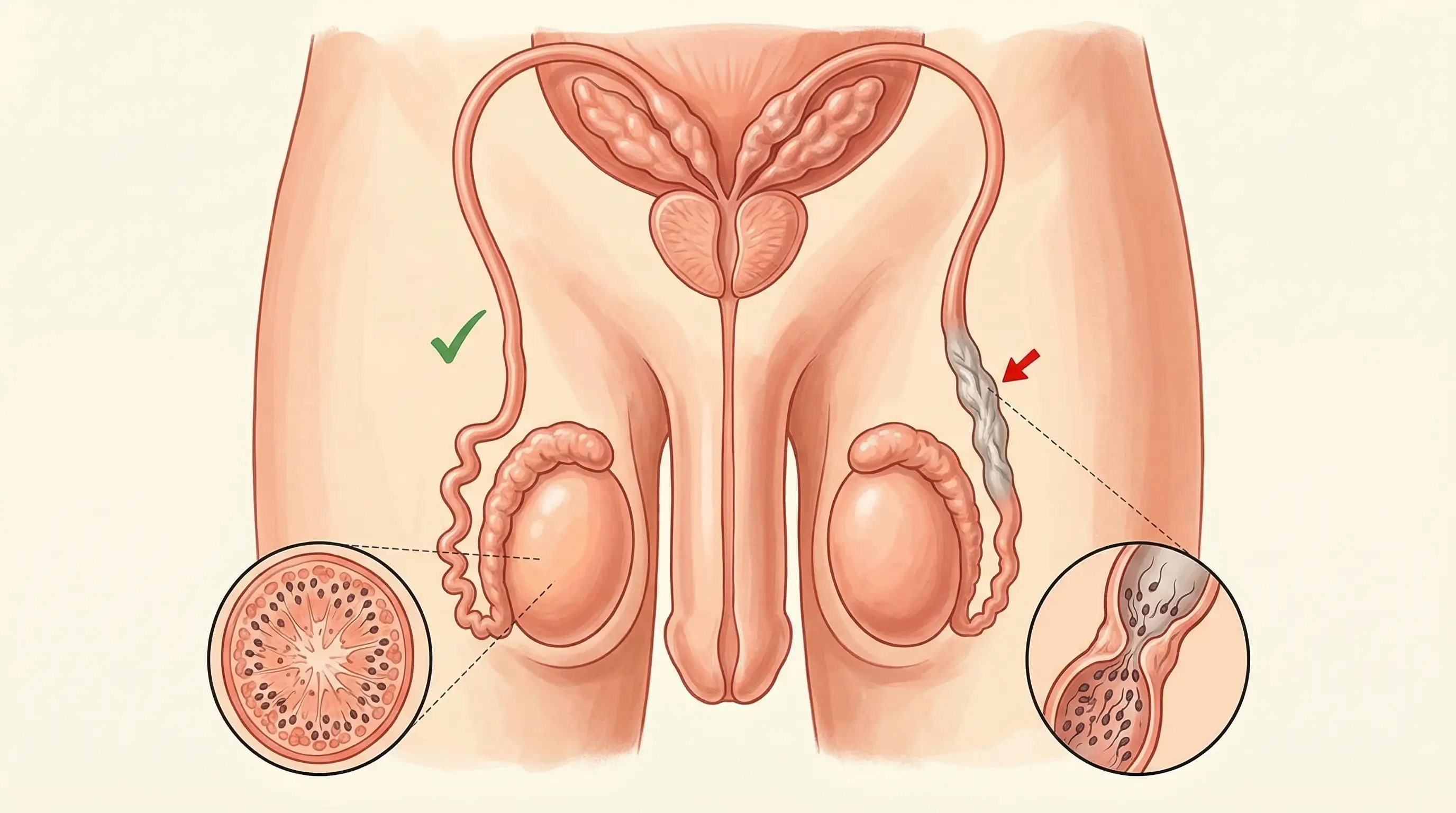
In obstructive azoospermia, the testes produce sperm normally, but a physical blockage prevents sperm from reaching the ejaculate.

  • Congenital Bilateral Absence of the Vas Deferens (CBAVD): Often associated with CFTR gene mutations (cystic fibrosis carrier status). The tubes that transport sperm never developed.

  • Prior Vasectomy: Intentional surgical blockage that may be reversible.

  • Infections: Epididymitis, sexually transmitted infections, or tuberculosis can cause scarring and obstruction.

  • Prior Surgery: Inguinal hernia surgery, scrotal surgery, or pelvic procedures may damage the reproductive tract.

  • Ejaculatory Duct Obstruction: Blockage where the vas deferens meets the urethra.

  • Retrograde Ejaculation: A condition where semen flows backward into the bladder instead of exiting through the urethra. Contributing factors may include diabetes, spinal cord injury, certain medications, and prostate or bladder surgery. Studies suggest it contributes to approximately 0.3–2% of male infertility cases.

What Causes Non-Obstructive Azoospermia (NOA)?

Non-obstructive azoospermia results from severe impairment of sperm production (spermatogenesis) in the testes.

Genetic Causes
  • Klinefelter Syndrome (47, XXY): The most common chromosomal cause, occurring in approximately 1 in 600 males. Causes small, firm testes and typically absent sperm.

  • Y-Chromosome Microdeletions: Deletions in the AZF (azoospermia factor) regions affect approximately 10–15% of men with NOA. Prognosis varies by deletion location (AZFa, AZFb, or AZFc).

  • Other Chromosomal Abnormalities: Translocations and other genetic anomalies.

Source: Punjani N, et al. Best Pract Res Clin Endocrinol Metab (2020)

Acquired Causes
  • Cancer Treatment: Chemotherapy and radiation can severely damage sperm-producing cells.

  • Cryptorchidism: History of undescended testicles, even if surgically corrected.

  • Varicocele: Enlarged veins in the scrotum, though this more commonly causes reduced sperm counts rather than complete absence.

  • Testicular Torsion or Trauma: Physical damage to testicular tissue.

  • Mumps Orchitis: Viral infection affecting the testes after puberty.

Hormonal Causes
  • Hypogonadotropic Hypogonadism: Low hormone signals from the pituitary gland fail to stimulate sperm production.

  • Kallmann Syndrome: A genetic condition causing hormone deficiency, often with an absent sense of smell.

  • Exogenous Testosterone/Anabolic Steroids: Severely suppresses natural sperm production (often reversible after stopping).

  • Hyperprolactinemia: Elevated prolactin levels interfere with reproductive hormones.

Source: Tharakan T, et al. Faculty Reviews (2021) and Tao Y. Asian J Androl (2022)

Key Insight:

Despite extensive evaluation, a substantial proportion — up to 70% of NOA cases — remain idiopathic (no identifiable cause).

How Is Azoospermia Diagnosed?

A thorough diagnostic workup is essential to distinguish between obstructive and non-obstructive azoospermia, identify the underlying cause, and guide treatment decisions.

Test

What It Evaluates

Semen Analysis (×2)

Confirms complete absence of sperm after centrifugation. Repeated to rule out temporary causes.

Physical Examination

Testicular size (small suggests NOA), presence of vas deferens, varicocele, epididymal fullness.

Hormonal Panel

FSH, LH, testosterone, prolactin. Elevated FSH strongly suggests NOA. Normal FSH may indicate OA.

Genetic Testing

Karyotype analysis and Y-chromosome microdeletion testing for men with NOA or severe oligozoospermia.

CFTR Gene Testing

If CBAVD is suspected (absent vas deferens on physical exam).

Transrectal Ultrasound

Evaluates ejaculatory duct obstruction, seminal vesicle abnormalities.

Scrotal Ultrasound

Assesses testicular volume, detects varicocele, epididymal abnormalities.

Source: AUA/ASRM Guidelines (2024), WHO Laboratory Manual 6th ed (2021), and Mittal PK, et al. Radiographics (2017)

How Do FSH Levels Help Distinguish OA from NOA?

Follicle-stimulating hormone (FSH) is one of the most important markers for distinguishing between OA and NOA.

Laboratory-specific reference ranges vary, so values depend on the assay used.

  • Normal FSH (typically <7.6 IU/L): Suggests sperm production may be intact — more likely OA or hypospermatogenesis.

  • Elevated FSH (>7.6 IU/L): Indicates the pituitary is working harder to stimulate failing testes — suggests NOA with impaired spermatogenesis.

  • Very High FSH (>20 IU/L): Often associated with (but not diagnostic of) severe spermatogenic failure such as Sertoli cell-only syndrome or maturation arrest.

Important:

FSH levels alone cannot definitively predict sperm retrieval success. Men with very high FSH can still have focal sperm production.

What Role Does Genetic Testing Play?

Genetic testing is recommended for all men with NOA or severe oligozoospermia (<5 million sperm/mL) to identify inherited conditions that affect prognosis and may be passed to offspring.

What Are Y-Chromosome Microdeletions (AZF Regions)?

The Y chromosome contains genes essential for sperm production. Microdeletions in the AZF (azoospermia factor) regions are found in approximately 10–15% of men with NOA.

Region

Frequency

Sperm Retrieval

Prognosis

AZFa

Rare (approximately 5%).

Virtually zero.

Complete Sertoli cell-only syndrome; sperm retrieval not recommended.

AZFb

Approximately 15–20%.

Extremely rare.

Extremely low success; sperm retrieval is generally not recommended.

AZFc

Approximately 65–70%.

Approximately 50–70%.

Most favorable; sperm often retrievable with micro-TESE.

Source: Punjani N, et al. Best Pract Res Clin Endocrinol Metab (2020)

Key Insight:

Y-chromosome microdeletions will be passed to male offspring conceived through ART. Genetic counseling is strongly recommended before proceeding.

What Are the Treatment Options?

Treatment depends on the type of azoospermia and the underlying cause.

How Is Obstructive Azoospermia Treated?

For OA, treatment focuses on either surgical correction of the blockage or sperm retrieval combined with assisted reproduction.

  • Vasectomy Reversal (Vasovasostomy/Vasoepididymostomy): Microsurgical reconnection of the vas deferens. Success depends on time since vasectomy — patency rates approach 90% if performed within 10 years.

  • Transurethral Resection of Ejaculatory Ducts (TURED): For ejaculatory duct obstruction.

  • Sperm Retrieval + IVF/ICSI: When surgical correction is not possible or preferred. Sperm retrieval success rates are above 95% in experienced centers for OA.

How Is Non-Obstructive Azoospermia Treated?

For NOA, the primary approach is surgical sperm retrieval to find pockets of active sperm production within the testes, followed by ICSI (intracytoplasmic sperm injection).

Medical Optimization Before Sperm Retrieval:

  • Stop exogenous testosterone/anabolic steroids (may take 6–24 months for recovery).

  • Correct hormonal imbalances (clomiphene citrate, hCG, aromatase inhibitors where indicated). May be considered in selected patients.

  • Treat a varicocele if clinically significant.

What Are the Sperm Retrieval Procedures?

When sperm cannot reach the ejaculate, surgical sperm retrieval offers a path to biological fatherhood.

Procedure

Description

Best For

PESA

Percutaneous Epididymal Sperm Aspiration: Needle aspiration from the epididymis.

Obstructive azoospermia.

MESA

Microsurgical Epididymal Sperm Aspiration: Open microsurgical retrieval from epididymis (gold standard for OA).

Obstructive azoospermia; highest yield for OA.

TESA

Testicular Sperm Aspiration: Needle aspiration directly from testicular tissue.

When epididymal sperm are not available, less invasive.

cTESE

Conventional Testicular Sperm Extraction: Open biopsy removing testicular tissue.

Both OA and NOA.

Micro-TESE

Microdissection TESE: Operating microscope used to identify and extract tubules with active sperm production.

NOA (recommended approach); highest success rate.

Source: EAU Guidelines (2025), AUA Guidelines (2024), and Shah R. Indian J Urol (2011)

Why Is Micro-TESE the Gold Standard for NOA?

For men with non-obstructive azoospermia, microdissection TESE (micro-TESE) is the recommended approach according to both AUA and EAU guidelines.

A systematic review and meta-analysis by Bernie et al. (2015) comparing sperm retrieval techniques for NOA found:

  • Micro-TESE was 1.5 times more likely to retrieve sperm compared to conventional TESE.

  • Conventional TESE was 2.0 times more likely to succeed compared to TESA.

  • Micro-TESE is superior because spermatogenesis in NOA often occurs only in small, isolated foci within the testes.

What Are the Success Rates?

Success rates vary significantly by type of azoospermia, underlying cause, and, in selected patients, treatment at experienced centers.

Condition

Sperm Retrieval Rate

Notes

Obstructive Azoospermia

Above 95%.

Sperm are being produced; excellent prognosis.

NOA (overall with micro-TESE)

40–60%.

Varies by underlying histology and cause.

NOA with AZFc deletion

50–70%.

Most favorable NOA genetic prognosis.

NOA with AZFa/AZFb deletion

Near 0%.

Sperm retrieval is not recommended.

Klinefelter syndrome

40–60%.

Possible with micro-TESE + ICSI.

Source: Sharma M, Leslie SW. StatPearls (2023), Kavoussi PK, et al. Asian J Androl (2025), and Lewin J, et al. Fertil Steril (2023)

What Are the Alternative Paths to Parenthood?

When sperm retrieval is unsuccessful or not possible, other paths to building a family exist.

Is Donor Sperm an Option?

Using donor sperm allows couples to achieve pregnancy through IUI (intrauterine insemination) or IVF. This option provides:

  • Ability to experience pregnancy and childbirth.

  • Genetic connection to one parent (the mother).

  • High success rates comparable to fertile couples, when adjusted for female partner age and reproductive health.

What About Adoption?

Adoption remains a meaningful path to parenthood for many couples facing infertility. Research shows that factors influencing family-building decisions include personal values, partner preferences, and financial considerations.

How Can You Get Emotional and Psychological Support?

An azoospermia diagnosis can have a profound emotional impact. Men may experience feelings of inadequacy, grief, anxiety, and depression.

The World Health Organization recognizes that infertility can significantly affect mental health and well-being. Both men and women undergoing fertility treatment are at increased risk for depression and anxiety.

Recommendations for Coping:

  • Seek support: Professional counseling with a mental health provider experienced in fertility issues can be invaluable.

  • Communicate with your partner: Infertility affects both partners; open communication is essential.

  • Connect with others: Support groups (in-person or online) provide a community of people who understand.

  • Give yourself time: Processing a diagnosis takes time — be patient with yourself.

  • Focus on what you can control: Lifestyle modifications, treatment decisions, and self-care.

Key Insight:

Studies show that integrating mental health professionals into fertility care teams improves patient outcomes and treatment outcomes. Ask your fertility clinic about available psychological support services.

So, What Should You Do Now?

If you’ve been diagnosed with azoospermia, here’s a clear path forward:

Step 1: Confirm the Diagnosis

Ensure at least two semen analyses with centrifugation have been performed.

Step 2: See a Reproductive Urologist

A specialist can perform a thorough evaluation, including a physical exam, a hormonal panel, and genetic testing, to determine whether OA or NOA is present.

Step 3: Understand Your Type and Cause

Knowing whether you have OA or NOA — and the underlying cause — is essential for treatment planning.

Step 4: Discuss Treatment Options

Based on your diagnosis, discuss surgical correction (for OA), sperm retrieval + ICSI, or alternative paths with your care team.

Step 5: Consider Genetic Counseling

If genetic abnormalities are identified, genetic counseling helps you understand the implications for offspring and make informed decisions.

Step 6: Seek Emotional Support

This diagnosis is challenging. Connect with support resources, consider counseling, and involve your partner in the journey.

→ Compare fertility clinics worldwide: MedicalNavigator.com/fertility-clinics

Too Long, Didn’t Read

  • Azoospermia means no sperm in the ejaculate — it affects 1% of men and 5–15% of men evaluated for infertility.

  • Two types: Obstructive (OA, approximately 40%) has a blockage; Non-obstructive (NOA, approximately 60%) has impaired sperm production.

  • Diagnosis involves semen analysis, hormones (especially FSH), and genetic testing.

  • For OA: above 95% sperm retrieval success in experienced centers, surgical correction, or sperm retrieval + ICSI.

  • For NOA: Micro-TESE is the gold standard with 40–60% sperm retrieval success in experienced centers.

  • Genetic testing (Y-microdeletions, karyotype) guides prognosis and treatment decisions.

  • Alternative paths include donor sperm and adoption.

  • Emotional support matters — seek professional help if needed.


References

1. Sharma M, Leslie SW. Azoospermia. In: StatPearls [Internet]. StatPearls Publishing; 2025 Jan-. [Updated 2023 Nov 18].

2. Schlegel PN, Sigman M, Collura B, et al. Diagnosis and Treatment of Infertility in Men: AUA/ASRM Guideline Part I. J Urol. 2021;205(1):36-43.

3. World Health Organization. WHO laboratory manual for the examination and processing of human semen, 6th ed. 2021.

4. European Association of Urology. EAU Guidelines on Sexual and Reproductive Health. 2025.

5. Hubbard L, Rambhatla A, Colpi GM. Differentiation between nonobstructive azoospermia and obstructive azoospermia: then and now. Asian J Androl. 2025;27(3):298–306.

6. Baker K, Sabanegh E Jr. Obstructive azoospermia: reconstructive techniques and results. Clinics (Sao Paulo). 2013;68 Suppl 1:61–73.

7. Tharakan T, Luo R, Jayasena CN, Minhas S. Non-obstructive azoospermia: current and future perspectives. Faculty Reviews. 2021;10:7.

8. Punjani N, Kang C, Schlegel PN. Clinical implications of Y chromosome microdeletions among infertile men. Best Pract Res Clin Endocrinol Metab. 2020;34(6):101471.

9. Tao Y. Endocrine aberrations of human nonobstructive azoospermia. Asian J Androl. 2022;24(3):274–286.

10. Rochdi C, Bellajdel I, El Moudane A, et al. Hormonal, clinical, and genetic profile of infertile patients with azoospermia in Morocco. Pan Afr Med J. 2023;45:119.

11. Mittal PK, Little BP, Harri PA, et al. Role of imaging in the evaluation of male infertility. Radiographics. 2017;37(3):837–854.

12. Zarezadeh R, Fattahi A, Nikanfar S, et al. Hormonal markers as noninvasive predictors of sperm retrieval in non-obstructive azoospermia. J Assist Reprod Genet. 2021;38(8):2049–2059.

13. Takeshima T, Karibe J, Saito T, et al. Clinical management of nonobstructive azoospermia: An update. Int J Urol. 2024;31:17-24.

14. Coward RM, Mills JN. A step-by-step guide to office-based sperm retrieval for obstructive azoospermia. Transl Androl Urol. 2017;6(4):730–744.

15. Kanto S, Ichioka K, Sato Y, et al. Revisiting non-obstructive azoospermia: Is there a best way to retrieve testicular sperm? Reprod Med Biol. 2025;24(1):e12632.

16. Miyamoto T, Minase G, Shin T, et al. Human male infertility and its genetic causes. Reprod Med Biol. 2017;16(2):81–88.

17. Shah R. Surgical sperm retrieval: Techniques and their indications. Indian J Urol. 2011;27(1):102–109.

18. Bernie AM, Mata DA, Ramasamy R, Schlegel PN. Comparison of microdissection testicular sperm extraction, conventional testicular sperm extraction, and testicular sperm aspiration for nonobstructive azoospermia: a systematic review and meta-analysis. Fertil Steril. 2015;104(5):1099-103.

19. Kavoussi PK, Atmoko W, Pinggera GM. Technologies to improve sperm retrieval in men undergoing micro-TESE for NOA. Asian J Androl. 2025;27(3):375–382.

20. Lewin J, Lukaszewski T, Sangster P, et al. Reproductive outcomes after surgical sperm retrieval in couples with male factor subfertility: a 10-year retrospective national cohort. Fertil Steril. 2023;119(4):589–595.

21. ESHRE Working Group on Reproductive Donation. Good practice recommendations for information provision for those involved in reproductive donation. Hum Reprod Open. 2022;2022(1):hoac001.

22. Provoost V, Van Rompuy F, Pennings G. Non-donors’ attitudes towards sperm donation and their willingness to donate. J Assist Reprod Genet. 2018;35(1):107–118.

23. Patel A, Sharma PSVN, Kumar P. Psychosocial Aspects of Therapeutic Donor Insemination. J Hum Reprod Sci. 2018;11(4):315–319.

24. Tanderup M, Vassard D, Nielsen BB, et al. Permanently infertile couples and family building — a cross-sectional survey in Denmark. Hum Reprod. 2024;39(11):2525–2536.

25. Sahoo S, Das A, Dash R, et al. The Psychological Impact of Male Infertility: A Narrative Review. Cureus. 2025;17(8):e89453.

26. Cao D, Shen X, Yuan Y, et al. Psychological distress patterns in infertility: A network analysis of anxiety, depression, and stress symptoms. Front Psychol. 2022;13:906226.

27. World Health Organization. Infertility Fact Sheet. November 2023.

28. ESHRE. Routine psychosocial care in infertility and medically assisted reproduction  —  A guide for fertility staff. 2015.

This guide is for informational purposes only. Always consult qualified healthcare providers for personalized recommendations. For full details, read our Medical Disclaimer.

What you will get

Azoospermia — the complete absence of sperm in the ejaculate — affects about 1% of all men and 5–15% of men evaluated for infertility (the range reflects differences in study populations and diagnostic criteria).

If you’ve received this diagnosis, know that you are not alone, and there are multiple paths forward — from surgical sperm retrieval to donor options. This guide will help you understand your situation and take the next step.

What You’ll Get

  • Azoospermia — what it is and how common it is

  • The critical difference between obstructive and non-obstructive types

  • Causes: genetic, congenital, and acquired

  • How is azoospermia diagnosed

  • Treatment options: sperm retrieval procedures and when to use each

  • Success rates by type and procedure

  • Alternative paths to parenthood

  • Emotional and psychological support resources

What Is Azoospermia?

Azoospermia is defined as the complete absence of sperm in the ejaculate, confirmed after centrifugation of the semen sample on at least two separate occasions.

Approximately 5–15% of men evaluated for infertility are found to be azoospermic. Despite being the most severe form of male infertility, azoospermia does not necessarily mean biological fatherhood is impossible.

What Are the Types of Azoospermia?

Azoospermia is classified into two fundamentally different types, and understanding which type you have is essential for determining the most appropriate treatment.

Feature

Obstructive Azoospermia (OA)

Non-Obstructive Azoospermia (NOA)

What It Means

Sperm are produced but cannot reach the ejaculate due to a blockage.

Sperm production is severely impaired or absent.

Frequency

Approximately 40% of azoospermia cases.

Approximately 60% of cases of azoospermia (the most common).

Testicular Size

Usually normal.

Often reduced.

FSH Levels

Usually normal.

Often elevated.

Sperm Retrieval Success

Above 95% in experienced centers.

Variable (40–60% with micro-TESE in experienced centers).

Source: Hubbard L, et al. Asian J Androl (2025) and Sharma M, Leslie SW. StatPearls (2023)

What Causes Obstructive Azoospermia (OA)?

In obstructive azoospermia, the testes produce sperm normally, but a physical blockage prevents sperm from reaching the ejaculate.

  • Congenital Bilateral Absence of the Vas Deferens (CBAVD): Often associated with CFTR gene mutations (cystic fibrosis carrier status). The tubes that transport sperm never developed.

  • Prior Vasectomy: Intentional surgical blockage that may be reversible.

  • Infections: Epididymitis, sexually transmitted infections, or tuberculosis can cause scarring and obstruction.

  • Prior Surgery: Inguinal hernia surgery, scrotal surgery, or pelvic procedures may damage the reproductive tract.

  • Ejaculatory Duct Obstruction: Blockage where the vas deferens meets the urethra.

  • Retrograde Ejaculation: A condition where semen flows backward into the bladder instead of exiting through the urethra. Contributing factors may include diabetes, spinal cord injury, certain medications, and prostate or bladder surgery. Studies suggest it contributes to approximately 0.3–2% of male infertility cases.

What Causes Non-Obstructive Azoospermia (NOA)?

Non-obstructive azoospermia results from severe impairment of sperm production (spermatogenesis) in the testes.

Genetic Causes
  • Klinefelter Syndrome (47, XXY): The most common chromosomal cause, occurring in approximately 1 in 600 males. Causes small, firm testes and typically absent sperm.

  • Y-Chromosome Microdeletions: Deletions in the AZF (azoospermia factor) regions affect approximately 10–15% of men with NOA. Prognosis varies by deletion location (AZFa, AZFb, or AZFc).

  • Other Chromosomal Abnormalities: Translocations and other genetic anomalies.

Source: Punjani N, et al. Best Pract Res Clin Endocrinol Metab (2020)

Acquired Causes
  • Cancer Treatment: Chemotherapy and radiation can severely damage sperm-producing cells.

  • Cryptorchidism: History of undescended testicles, even if surgically corrected.

  • Varicocele: Enlarged veins in the scrotum, though this more commonly causes reduced sperm counts rather than complete absence.

  • Testicular Torsion or Trauma: Physical damage to testicular tissue.

  • Mumps Orchitis: Viral infection affecting the testes after puberty.

Hormonal Causes
  • Hypogonadotropic Hypogonadism: Low hormone signals from the pituitary gland fail to stimulate sperm production.

  • Kallmann Syndrome: A genetic condition causing hormone deficiency, often with an absent sense of smell.

  • Exogenous Testosterone/Anabolic Steroids: Severely suppresses natural sperm production (often reversible after stopping).

  • Hyperprolactinemia: Elevated prolactin levels interfere with reproductive hormones.

Source: Tharakan T, et al. Faculty Reviews (2021) and Tao Y. Asian J Androl (2022)

Key Insight:

Despite extensive evaluation, a substantial proportion — up to 70% of NOA cases — remain idiopathic (no identifiable cause).

How Is Azoospermia Diagnosed?

A thorough diagnostic workup is essential to distinguish between obstructive and non-obstructive azoospermia, identify the underlying cause, and guide treatment decisions.

Test

What It Evaluates

Semen Analysis (×2)

Confirms complete absence of sperm after centrifugation. Repeated to rule out temporary causes.

Physical Examination

Testicular size (small suggests NOA), presence of vas deferens, varicocele, epididymal fullness.

Hormonal Panel

FSH, LH, testosterone, prolactin. Elevated FSH strongly suggests NOA. Normal FSH may indicate OA.

Genetic Testing

Karyotype analysis and Y-chromosome microdeletion testing for men with NOA or severe oligozoospermia.

CFTR Gene Testing

If CBAVD is suspected (absent vas deferens on physical exam).

Transrectal Ultrasound

Evaluates ejaculatory duct obstruction, seminal vesicle abnormalities.

Scrotal Ultrasound

Assesses testicular volume, detects varicocele, epididymal abnormalities.

Source: AUA/ASRM Guidelines (2024), WHO Laboratory Manual 6th ed (2021), and Mittal PK, et al. Radiographics (2017)

How Do FSH Levels Help Distinguish OA from NOA?

Follicle-stimulating hormone (FSH) is one of the most important markers for distinguishing between OA and NOA.

Laboratory-specific reference ranges vary, so values depend on the assay used.

  • Normal FSH (typically <7.6 IU/L): Suggests sperm production may be intact — more likely OA or hypospermatogenesis.

  • Elevated FSH (>7.6 IU/L): Indicates the pituitary is working harder to stimulate failing testes — suggests NOA with impaired spermatogenesis.

  • Very High FSH (>20 IU/L): Often associated with (but not diagnostic of) severe spermatogenic failure such as Sertoli cell-only syndrome or maturation arrest.

Important:

FSH levels alone cannot definitively predict sperm retrieval success. Men with very high FSH can still have focal sperm production.

What Role Does Genetic Testing Play?

Genetic testing is recommended for all men with NOA or severe oligozoospermia (<5 million sperm/mL) to identify inherited conditions that affect prognosis and may be passed to offspring.

What Are Y-Chromosome Microdeletions (AZF Regions)?

The Y chromosome contains genes essential for sperm production. Microdeletions in the AZF (azoospermia factor) regions are found in approximately 10–15% of men with NOA.

Region

Frequency

Sperm Retrieval

Prognosis

AZFa

Rare (approximately 5%).

Virtually zero.

Complete Sertoli cell-only syndrome; sperm retrieval not recommended.

AZFb

Approximately 15–20%.

Extremely rare.

Extremely low success; sperm retrieval is generally not recommended.

AZFc

Approximately 65–70%.

Approximately 50–70%.

Most favorable; sperm often retrievable with micro-TESE.

Source: Punjani N, et al. Best Pract Res Clin Endocrinol Metab (2020)

Key Insight:

Y-chromosome microdeletions will be passed to male offspring conceived through ART. Genetic counseling is strongly recommended before proceeding.

What Are the Treatment Options?

Treatment depends on the type of azoospermia and the underlying cause.

How Is Obstructive Azoospermia Treated?

For OA, treatment focuses on either surgical correction of the blockage or sperm retrieval combined with assisted reproduction.

  • Vasectomy Reversal (Vasovasostomy/Vasoepididymostomy): Microsurgical reconnection of the vas deferens. Success depends on time since vasectomy — patency rates approach 90% if performed within 10 years.

  • Transurethral Resection of Ejaculatory Ducts (TURED): For ejaculatory duct obstruction.

  • Sperm Retrieval + IVF/ICSI: When surgical correction is not possible or preferred. Sperm retrieval success rates are above 95% in experienced centers for OA.

How Is Non-Obstructive Azoospermia Treated?

For NOA, the primary approach is surgical sperm retrieval to find pockets of active sperm production within the testes, followed by ICSI (intracytoplasmic sperm injection).

Medical Optimization Before Sperm Retrieval:

  • Stop exogenous testosterone/anabolic steroids (may take 6–24 months for recovery).

  • Correct hormonal imbalances (clomiphene citrate, hCG, aromatase inhibitors where indicated). May be considered in selected patients.

  • Treat a varicocele if clinically significant.

What Are the Sperm Retrieval Procedures?

When sperm cannot reach the ejaculate, surgical sperm retrieval offers a path to biological fatherhood.

Procedure

Description

Best For

PESA

Percutaneous Epididymal Sperm Aspiration: Needle aspiration from the epididymis.

Obstructive azoospermia.

MESA

Microsurgical Epididymal Sperm Aspiration: Open microsurgical retrieval from epididymis (gold standard for OA).

Obstructive azoospermia; highest yield for OA.

TESA

Testicular Sperm Aspiration: Needle aspiration directly from testicular tissue.

When epididymal sperm are not available, less invasive.

cTESE

Conventional Testicular Sperm Extraction: Open biopsy removing testicular tissue.

Both OA and NOA.

Micro-TESE

Microdissection TESE: Operating microscope used to identify and extract tubules with active sperm production.

NOA (recommended approach); highest success rate.

Source: EAU Guidelines (2025), AUA Guidelines (2024), and Shah R. Indian J Urol (2011)

Why Is Micro-TESE the Gold Standard for NOA?

For men with non-obstructive azoospermia, microdissection TESE (micro-TESE) is the recommended approach according to both AUA and EAU guidelines.

A systematic review and meta-analysis by Bernie et al. (2015) comparing sperm retrieval techniques for NOA found:

  • Micro-TESE was 1.5 times more likely to retrieve sperm compared to conventional TESE.

  • Conventional TESE was 2.0 times more likely to succeed compared to TESA.

  • Micro-TESE is superior because spermatogenesis in NOA often occurs only in small, isolated foci within the testes.

What Are the Success Rates?

Success rates vary significantly by type of azoospermia, underlying cause, and, in selected patients, treatment at experienced centers.

Condition

Sperm Retrieval Rate

Notes

Obstructive Azoospermia

Above 95%.

Sperm are being produced; excellent prognosis.

NOA (overall with micro-TESE)

40–60%.

Varies by underlying histology and cause.

NOA with AZFc deletion

50–70%.

Most favorable NOA genetic prognosis.

NOA with AZFa/AZFb deletion

Near 0%.

Sperm retrieval is not recommended.

Klinefelter syndrome

40–60%.

Possible with micro-TESE + ICSI.

Source: Sharma M, Leslie SW. StatPearls (2023), Kavoussi PK, et al. Asian J Androl (2025), and Lewin J, et al. Fertil Steril (2023)

What Are the Alternative Paths to Parenthood?

When sperm retrieval is unsuccessful or not possible, other paths to building a family exist.

Is Donor Sperm an Option?

Using donor sperm allows couples to achieve pregnancy through IUI (intrauterine insemination) or IVF. This option provides:

  • Ability to experience pregnancy and childbirth.

  • Genetic connection to one parent (the mother).

  • High success rates comparable to fertile couples, when adjusted for female partner age and reproductive health.

What About Adoption?

Adoption remains a meaningful path to parenthood for many couples facing infertility. Research shows that factors influencing family-building decisions include personal values, partner preferences, and financial considerations.

How Can You Get Emotional and Psychological Support?

An azoospermia diagnosis can have a profound emotional impact. Men may experience feelings of inadequacy, grief, anxiety, and depression.

The World Health Organization recognizes that infertility can significantly affect mental health and well-being. Both men and women undergoing fertility treatment are at increased risk for depression and anxiety.

Recommendations for Coping:

  • Seek support: Professional counseling with a mental health provider experienced in fertility issues can be invaluable.

  • Communicate with your partner: Infertility affects both partners; open communication is essential.

  • Connect with others: Support groups (in-person or online) provide a community of people who understand.

  • Give yourself time: Processing a diagnosis takes time — be patient with yourself.

  • Focus on what you can control: Lifestyle modifications, treatment decisions, and self-care.

Key Insight:

Studies show that integrating mental health professionals into fertility care teams improves patient outcomes and treatment outcomes. Ask your fertility clinic about available psychological support services.

So, What Should You Do Now?

If you’ve been diagnosed with azoospermia, here’s a clear path forward:

Step 1: Confirm the Diagnosis

Ensure at least two semen analyses with centrifugation have been performed.

Step 2: See a Reproductive Urologist

A specialist can perform a thorough evaluation, including a physical exam, a hormonal panel, and genetic testing, to determine whether OA or NOA is present.

Step 3: Understand Your Type and Cause

Knowing whether you have OA or NOA — and the underlying cause — is essential for treatment planning.

Step 4: Discuss Treatment Options

Based on your diagnosis, discuss surgical correction (for OA), sperm retrieval + ICSI, or alternative paths with your care team.

Step 5: Consider Genetic Counseling

If genetic abnormalities are identified, genetic counseling helps you understand the implications for offspring and make informed decisions.

Step 6: Seek Emotional Support

This diagnosis is challenging. Connect with support resources, consider counseling, and involve your partner in the journey.

→ Compare fertility clinics worldwide: MedicalNavigator.com/fertility-clinics

Too Long, Didn’t Read

  • Azoospermia means no sperm in the ejaculate — it affects 1% of men and 5–15% of men evaluated for infertility.

  • Two types: Obstructive (OA, approximately 40%) has a blockage; Non-obstructive (NOA, approximately 60%) has impaired sperm production.

  • Diagnosis involves semen analysis, hormones (especially FSH), and genetic testing.

  • For OA: above 95% sperm retrieval success in experienced centers, surgical correction, or sperm retrieval + ICSI.

  • For NOA: Micro-TESE is the gold standard with 40–60% sperm retrieval success in experienced centers.

  • Genetic testing (Y-microdeletions, karyotype) guides prognosis and treatment decisions.

  • Alternative paths include donor sperm and adoption.

  • Emotional support matters — seek professional help if needed.


References

1. Sharma M, Leslie SW. Azoospermia. In: StatPearls [Internet]. StatPearls Publishing; 2025 Jan-. [Updated 2023 Nov 18].

2. Schlegel PN, Sigman M, Collura B, et al. Diagnosis and Treatment of Infertility in Men: AUA/ASRM Guideline Part I. J Urol. 2021;205(1):36-43.

3. World Health Organization. WHO laboratory manual for the examination and processing of human semen, 6th ed. 2021.

4. European Association of Urology. EAU Guidelines on Sexual and Reproductive Health. 2025.

5. Hubbard L, Rambhatla A, Colpi GM. Differentiation between nonobstructive azoospermia and obstructive azoospermia: then and now. Asian J Androl. 2025;27(3):298–306.

6. Baker K, Sabanegh E Jr. Obstructive azoospermia: reconstructive techniques and results. Clinics (Sao Paulo). 2013;68 Suppl 1:61–73.

7. Tharakan T, Luo R, Jayasena CN, Minhas S. Non-obstructive azoospermia: current and future perspectives. Faculty Reviews. 2021;10:7.

8. Punjani N, Kang C, Schlegel PN. Clinical implications of Y chromosome microdeletions among infertile men. Best Pract Res Clin Endocrinol Metab. 2020;34(6):101471.

9. Tao Y. Endocrine aberrations of human nonobstructive azoospermia. Asian J Androl. 2022;24(3):274–286.

10. Rochdi C, Bellajdel I, El Moudane A, et al. Hormonal, clinical, and genetic profile of infertile patients with azoospermia in Morocco. Pan Afr Med J. 2023;45:119.

11. Mittal PK, Little BP, Harri PA, et al. Role of imaging in the evaluation of male infertility. Radiographics. 2017;37(3):837–854.

12. Zarezadeh R, Fattahi A, Nikanfar S, et al. Hormonal markers as noninvasive predictors of sperm retrieval in non-obstructive azoospermia. J Assist Reprod Genet. 2021;38(8):2049–2059.

13. Takeshima T, Karibe J, Saito T, et al. Clinical management of nonobstructive azoospermia: An update. Int J Urol. 2024;31:17-24.

14. Coward RM, Mills JN. A step-by-step guide to office-based sperm retrieval for obstructive azoospermia. Transl Androl Urol. 2017;6(4):730–744.

15. Kanto S, Ichioka K, Sato Y, et al. Revisiting non-obstructive azoospermia: Is there a best way to retrieve testicular sperm? Reprod Med Biol. 2025;24(1):e12632.

16. Miyamoto T, Minase G, Shin T, et al. Human male infertility and its genetic causes. Reprod Med Biol. 2017;16(2):81–88.

17. Shah R. Surgical sperm retrieval: Techniques and their indications. Indian J Urol. 2011;27(1):102–109.

18. Bernie AM, Mata DA, Ramasamy R, Schlegel PN. Comparison of microdissection testicular sperm extraction, conventional testicular sperm extraction, and testicular sperm aspiration for nonobstructive azoospermia: a systematic review and meta-analysis. Fertil Steril. 2015;104(5):1099-103.

19. Kavoussi PK, Atmoko W, Pinggera GM. Technologies to improve sperm retrieval in men undergoing micro-TESE for NOA. Asian J Androl. 2025;27(3):375–382.

20. Lewin J, Lukaszewski T, Sangster P, et al. Reproductive outcomes after surgical sperm retrieval in couples with male factor subfertility: a 10-year retrospective national cohort. Fertil Steril. 2023;119(4):589–595.

21. ESHRE Working Group on Reproductive Donation. Good practice recommendations for information provision for those involved in reproductive donation. Hum Reprod Open. 2022;2022(1):hoac001.

22. Provoost V, Van Rompuy F, Pennings G. Non-donors’ attitudes towards sperm donation and their willingness to donate. J Assist Reprod Genet. 2018;35(1):107–118.

23. Patel A, Sharma PSVN, Kumar P. Psychosocial Aspects of Therapeutic Donor Insemination. J Hum Reprod Sci. 2018;11(4):315–319.

24. Tanderup M, Vassard D, Nielsen BB, et al. Permanently infertile couples and family building — a cross-sectional survey in Denmark. Hum Reprod. 2024;39(11):2525–2536.

25. Sahoo S, Das A, Dash R, et al. The Psychological Impact of Male Infertility: A Narrative Review. Cureus. 2025;17(8):e89453.

26. Cao D, Shen X, Yuan Y, et al. Psychological distress patterns in infertility: A network analysis of anxiety, depression, and stress symptoms. Front Psychol. 2022;13:906226.

27. World Health Organization. Infertility Fact Sheet. November 2023.

28. ESHRE. Routine psychosocial care in infertility and medically assisted reproduction  —  A guide for fertility staff. 2015.

This guide is for informational purposes only. Always consult qualified healthcare providers for personalized recommendations. For full details, read our Medical Disclaimer.

What you will get

Azoospermia — the complete absence of sperm in the ejaculate — affects about 1% of all men and 5–15% of men evaluated for infertility (the range reflects differences in study populations and diagnostic criteria).

If you’ve received this diagnosis, know that you are not alone, and there are multiple paths forward — from surgical sperm retrieval to donor options. This guide will help you understand your situation and take the next step.

What You’ll Get

  • Azoospermia — what it is and how common it is

  • The critical difference between obstructive and non-obstructive types

  • Causes: genetic, congenital, and acquired

  • How is azoospermia diagnosed

  • Treatment options: sperm retrieval procedures and when to use each

  • Success rates by type and procedure

  • Alternative paths to parenthood

  • Emotional and psychological support resources

What Is Azoospermia?

Azoospermia is defined as the complete absence of sperm in the ejaculate, confirmed after centrifugation of the semen sample on at least two separate occasions.

Approximately 5–15% of men evaluated for infertility are found to be azoospermic. Despite being the most severe form of male infertility, azoospermia does not necessarily mean biological fatherhood is impossible.

What Are the Types of Azoospermia?

Azoospermia is classified into two fundamentally different types, and understanding which type you have is essential for determining the most appropriate treatment.

Feature

Obstructive Azoospermia (OA)

Non-Obstructive Azoospermia (NOA)

What It Means

Sperm are produced but cannot reach the ejaculate due to a blockage.

Sperm production is severely impaired or absent.

Frequency

Approximately 40% of azoospermia cases.

Approximately 60% of cases of azoospermia (the most common).

Testicular Size

Usually normal.

Often reduced.

FSH Levels

Usually normal.

Often elevated.

Sperm Retrieval Success

Above 95% in experienced centers.

Variable (40–60% with micro-TESE in experienced centers).

Source: Hubbard L, et al. Asian J Androl (2025) and Sharma M, Leslie SW. StatPearls (2023)

What Causes Obstructive Azoospermia (OA)?

In obstructive azoospermia, the testes produce sperm normally, but a physical blockage prevents sperm from reaching the ejaculate.

  • Congenital Bilateral Absence of the Vas Deferens (CBAVD): Often associated with CFTR gene mutations (cystic fibrosis carrier status). The tubes that transport sperm never developed.

  • Prior Vasectomy: Intentional surgical blockage that may be reversible.

  • Infections: Epididymitis, sexually transmitted infections, or tuberculosis can cause scarring and obstruction.

  • Prior Surgery: Inguinal hernia surgery, scrotal surgery, or pelvic procedures may damage the reproductive tract.

  • Ejaculatory Duct Obstruction: Blockage where the vas deferens meets the urethra.

  • Retrograde Ejaculation: A condition where semen flows backward into the bladder instead of exiting through the urethra. Contributing factors may include diabetes, spinal cord injury, certain medications, and prostate or bladder surgery. Studies suggest it contributes to approximately 0.3–2% of male infertility cases.

What Causes Non-Obstructive Azoospermia (NOA)?

Non-obstructive azoospermia results from severe impairment of sperm production (spermatogenesis) in the testes.

Genetic Causes
  • Klinefelter Syndrome (47, XXY): The most common chromosomal cause, occurring in approximately 1 in 600 males. Causes small, firm testes and typically absent sperm.

  • Y-Chromosome Microdeletions: Deletions in the AZF (azoospermia factor) regions affect approximately 10–15% of men with NOA. Prognosis varies by deletion location (AZFa, AZFb, or AZFc).

  • Other Chromosomal Abnormalities: Translocations and other genetic anomalies.

Source: Punjani N, et al. Best Pract Res Clin Endocrinol Metab (2020)

Acquired Causes
  • Cancer Treatment: Chemotherapy and radiation can severely damage sperm-producing cells.

  • Cryptorchidism: History of undescended testicles, even if surgically corrected.

  • Varicocele: Enlarged veins in the scrotum, though this more commonly causes reduced sperm counts rather than complete absence.

  • Testicular Torsion or Trauma: Physical damage to testicular tissue.

  • Mumps Orchitis: Viral infection affecting the testes after puberty.

Hormonal Causes
  • Hypogonadotropic Hypogonadism: Low hormone signals from the pituitary gland fail to stimulate sperm production.

  • Kallmann Syndrome: A genetic condition causing hormone deficiency, often with an absent sense of smell.

  • Exogenous Testosterone/Anabolic Steroids: Severely suppresses natural sperm production (often reversible after stopping).

  • Hyperprolactinemia: Elevated prolactin levels interfere with reproductive hormones.

Source: Tharakan T, et al. Faculty Reviews (2021) and Tao Y. Asian J Androl (2022)

Key Insight:

Despite extensive evaluation, a substantial proportion — up to 70% of NOA cases — remain idiopathic (no identifiable cause).

How Is Azoospermia Diagnosed?

A thorough diagnostic workup is essential to distinguish between obstructive and non-obstructive azoospermia, identify the underlying cause, and guide treatment decisions.

Test

What It Evaluates

Semen Analysis (×2)

Confirms complete absence of sperm after centrifugation. Repeated to rule out temporary causes.

Physical Examination

Testicular size (small suggests NOA), presence of vas deferens, varicocele, epididymal fullness.

Hormonal Panel

FSH, LH, testosterone, prolactin. Elevated FSH strongly suggests NOA. Normal FSH may indicate OA.

Genetic Testing

Karyotype analysis and Y-chromosome microdeletion testing for men with NOA or severe oligozoospermia.

CFTR Gene Testing

If CBAVD is suspected (absent vas deferens on physical exam).

Transrectal Ultrasound

Evaluates ejaculatory duct obstruction, seminal vesicle abnormalities.

Scrotal Ultrasound

Assesses testicular volume, detects varicocele, epididymal abnormalities.

Source: AUA/ASRM Guidelines (2024), WHO Laboratory Manual 6th ed (2021), and Mittal PK, et al. Radiographics (2017)

How Do FSH Levels Help Distinguish OA from NOA?

Follicle-stimulating hormone (FSH) is one of the most important markers for distinguishing between OA and NOA.

Laboratory-specific reference ranges vary, so values depend on the assay used.

  • Normal FSH (typically <7.6 IU/L): Suggests sperm production may be intact — more likely OA or hypospermatogenesis.

  • Elevated FSH (>7.6 IU/L): Indicates the pituitary is working harder to stimulate failing testes — suggests NOA with impaired spermatogenesis.

  • Very High FSH (>20 IU/L): Often associated with (but not diagnostic of) severe spermatogenic failure such as Sertoli cell-only syndrome or maturation arrest.

Important:

FSH levels alone cannot definitively predict sperm retrieval success. Men with very high FSH can still have focal sperm production.

What Role Does Genetic Testing Play?

Genetic testing is recommended for all men with NOA or severe oligozoospermia (<5 million sperm/mL) to identify inherited conditions that affect prognosis and may be passed to offspring.

What Are Y-Chromosome Microdeletions (AZF Regions)?

The Y chromosome contains genes essential for sperm production. Microdeletions in the AZF (azoospermia factor) regions are found in approximately 10–15% of men with NOA.

Region

Frequency

Sperm Retrieval

Prognosis

AZFa

Rare (approximately 5%).

Virtually zero.

Complete Sertoli cell-only syndrome; sperm retrieval not recommended.

AZFb

Approximately 15–20%.

Extremely rare.

Extremely low success; sperm retrieval is generally not recommended.

AZFc

Approximately 65–70%.

Approximately 50–70%.

Most favorable; sperm often retrievable with micro-TESE.

Source: Punjani N, et al. Best Pract Res Clin Endocrinol Metab (2020)

Key Insight:

Y-chromosome microdeletions will be passed to male offspring conceived through ART. Genetic counseling is strongly recommended before proceeding.

What Are the Treatment Options?

Treatment depends on the type of azoospermia and the underlying cause.

How Is Obstructive Azoospermia Treated?

For OA, treatment focuses on either surgical correction of the blockage or sperm retrieval combined with assisted reproduction.

  • Vasectomy Reversal (Vasovasostomy/Vasoepididymostomy): Microsurgical reconnection of the vas deferens. Success depends on time since vasectomy — patency rates approach 90% if performed within 10 years.

  • Transurethral Resection of Ejaculatory Ducts (TURED): For ejaculatory duct obstruction.

  • Sperm Retrieval + IVF/ICSI: When surgical correction is not possible or preferred. Sperm retrieval success rates are above 95% in experienced centers for OA.

How Is Non-Obstructive Azoospermia Treated?

For NOA, the primary approach is surgical sperm retrieval to find pockets of active sperm production within the testes, followed by ICSI (intracytoplasmic sperm injection).

Medical Optimization Before Sperm Retrieval:

  • Stop exogenous testosterone/anabolic steroids (may take 6–24 months for recovery).

  • Correct hormonal imbalances (clomiphene citrate, hCG, aromatase inhibitors where indicated). May be considered in selected patients.

  • Treat a varicocele if clinically significant.

What Are the Sperm Retrieval Procedures?

When sperm cannot reach the ejaculate, surgical sperm retrieval offers a path to biological fatherhood.

Procedure

Description

Best For

PESA

Percutaneous Epididymal Sperm Aspiration: Needle aspiration from the epididymis.

Obstructive azoospermia.

MESA

Microsurgical Epididymal Sperm Aspiration: Open microsurgical retrieval from epididymis (gold standard for OA).

Obstructive azoospermia; highest yield for OA.

TESA

Testicular Sperm Aspiration: Needle aspiration directly from testicular tissue.

When epididymal sperm are not available, less invasive.

cTESE

Conventional Testicular Sperm Extraction: Open biopsy removing testicular tissue.

Both OA and NOA.

Micro-TESE

Microdissection TESE: Operating microscope used to identify and extract tubules with active sperm production.

NOA (recommended approach); highest success rate.

Source: EAU Guidelines (2025), AUA Guidelines (2024), and Shah R. Indian J Urol (2011)

Why Is Micro-TESE the Gold Standard for NOA?

For men with non-obstructive azoospermia, microdissection TESE (micro-TESE) is the recommended approach according to both AUA and EAU guidelines.

A systematic review and meta-analysis by Bernie et al. (2015) comparing sperm retrieval techniques for NOA found:

  • Micro-TESE was 1.5 times more likely to retrieve sperm compared to conventional TESE.

  • Conventional TESE was 2.0 times more likely to succeed compared to TESA.

  • Micro-TESE is superior because spermatogenesis in NOA often occurs only in small, isolated foci within the testes.

What Are the Success Rates?

Success rates vary significantly by type of azoospermia, underlying cause, and, in selected patients, treatment at experienced centers.

Condition

Sperm Retrieval Rate

Notes

Obstructive Azoospermia

Above 95%.

Sperm are being produced; excellent prognosis.

NOA (overall with micro-TESE)

40–60%.

Varies by underlying histology and cause.

NOA with AZFc deletion

50–70%.

Most favorable NOA genetic prognosis.

NOA with AZFa/AZFb deletion

Near 0%.

Sperm retrieval is not recommended.

Klinefelter syndrome

40–60%.

Possible with micro-TESE + ICSI.

Source: Sharma M, Leslie SW. StatPearls (2023), Kavoussi PK, et al. Asian J Androl (2025), and Lewin J, et al. Fertil Steril (2023)

What Are the Alternative Paths to Parenthood?

When sperm retrieval is unsuccessful or not possible, other paths to building a family exist.

Is Donor Sperm an Option?

Using donor sperm allows couples to achieve pregnancy through IUI (intrauterine insemination) or IVF. This option provides:

  • Ability to experience pregnancy and childbirth.

  • Genetic connection to one parent (the mother).

  • High success rates comparable to fertile couples, when adjusted for female partner age and reproductive health.

What About Adoption?

Adoption remains a meaningful path to parenthood for many couples facing infertility. Research shows that factors influencing family-building decisions include personal values, partner preferences, and financial considerations.

How Can You Get Emotional and Psychological Support?

An azoospermia diagnosis can have a profound emotional impact. Men may experience feelings of inadequacy, grief, anxiety, and depression.

The World Health Organization recognizes that infertility can significantly affect mental health and well-being. Both men and women undergoing fertility treatment are at increased risk for depression and anxiety.

Recommendations for Coping:

  • Seek support: Professional counseling with a mental health provider experienced in fertility issues can be invaluable.

  • Communicate with your partner: Infertility affects both partners; open communication is essential.

  • Connect with others: Support groups (in-person or online) provide a community of people who understand.

  • Give yourself time: Processing a diagnosis takes time — be patient with yourself.

  • Focus on what you can control: Lifestyle modifications, treatment decisions, and self-care.

Key Insight:

Studies show that integrating mental health professionals into fertility care teams improves patient outcomes and treatment outcomes. Ask your fertility clinic about available psychological support services.

So, What Should You Do Now?

If you’ve been diagnosed with azoospermia, here’s a clear path forward:

Step 1: Confirm the Diagnosis

Ensure at least two semen analyses with centrifugation have been performed.

Step 2: See a Reproductive Urologist

A specialist can perform a thorough evaluation, including a physical exam, a hormonal panel, and genetic testing, to determine whether OA or NOA is present.

Step 3: Understand Your Type and Cause

Knowing whether you have OA or NOA — and the underlying cause — is essential for treatment planning.

Step 4: Discuss Treatment Options

Based on your diagnosis, discuss surgical correction (for OA), sperm retrieval + ICSI, or alternative paths with your care team.

Step 5: Consider Genetic Counseling

If genetic abnormalities are identified, genetic counseling helps you understand the implications for offspring and make informed decisions.

Step 6: Seek Emotional Support

This diagnosis is challenging. Connect with support resources, consider counseling, and involve your partner in the journey.

→ Compare fertility clinics worldwide: MedicalNavigator.com/fertility-clinics

Too Long, Didn’t Read

  • Azoospermia means no sperm in the ejaculate — it affects 1% of men and 5–15% of men evaluated for infertility.

  • Two types: Obstructive (OA, approximately 40%) has a blockage; Non-obstructive (NOA, approximately 60%) has impaired sperm production.

  • Diagnosis involves semen analysis, hormones (especially FSH), and genetic testing.

  • For OA: above 95% sperm retrieval success in experienced centers, surgical correction, or sperm retrieval + ICSI.

  • For NOA: Micro-TESE is the gold standard with 40–60% sperm retrieval success in experienced centers.

  • Genetic testing (Y-microdeletions, karyotype) guides prognosis and treatment decisions.

  • Alternative paths include donor sperm and adoption.

  • Emotional support matters — seek professional help if needed.


References

1. Sharma M, Leslie SW. Azoospermia. In: StatPearls [Internet]. StatPearls Publishing; 2025 Jan-. [Updated 2023 Nov 18].

2. Schlegel PN, Sigman M, Collura B, et al. Diagnosis and Treatment of Infertility in Men: AUA/ASRM Guideline Part I. J Urol. 2021;205(1):36-43.

3. World Health Organization. WHO laboratory manual for the examination and processing of human semen, 6th ed. 2021.

4. European Association of Urology. EAU Guidelines on Sexual and Reproductive Health. 2025.

5. Hubbard L, Rambhatla A, Colpi GM. Differentiation between nonobstructive azoospermia and obstructive azoospermia: then and now. Asian J Androl. 2025;27(3):298–306.

6. Baker K, Sabanegh E Jr. Obstructive azoospermia: reconstructive techniques and results. Clinics (Sao Paulo). 2013;68 Suppl 1:61–73.

7. Tharakan T, Luo R, Jayasena CN, Minhas S. Non-obstructive azoospermia: current and future perspectives. Faculty Reviews. 2021;10:7.

8. Punjani N, Kang C, Schlegel PN. Clinical implications of Y chromosome microdeletions among infertile men. Best Pract Res Clin Endocrinol Metab. 2020;34(6):101471.

9. Tao Y. Endocrine aberrations of human nonobstructive azoospermia. Asian J Androl. 2022;24(3):274–286.

10. Rochdi C, Bellajdel I, El Moudane A, et al. Hormonal, clinical, and genetic profile of infertile patients with azoospermia in Morocco. Pan Afr Med J. 2023;45:119.

11. Mittal PK, Little BP, Harri PA, et al. Role of imaging in the evaluation of male infertility. Radiographics. 2017;37(3):837–854.

12. Zarezadeh R, Fattahi A, Nikanfar S, et al. Hormonal markers as noninvasive predictors of sperm retrieval in non-obstructive azoospermia. J Assist Reprod Genet. 2021;38(8):2049–2059.

13. Takeshima T, Karibe J, Saito T, et al. Clinical management of nonobstructive azoospermia: An update. Int J Urol. 2024;31:17-24.

14. Coward RM, Mills JN. A step-by-step guide to office-based sperm retrieval for obstructive azoospermia. Transl Androl Urol. 2017;6(4):730–744.

15. Kanto S, Ichioka K, Sato Y, et al. Revisiting non-obstructive azoospermia: Is there a best way to retrieve testicular sperm? Reprod Med Biol. 2025;24(1):e12632.

16. Miyamoto T, Minase G, Shin T, et al. Human male infertility and its genetic causes. Reprod Med Biol. 2017;16(2):81–88.

17. Shah R. Surgical sperm retrieval: Techniques and their indications. Indian J Urol. 2011;27(1):102–109.

18. Bernie AM, Mata DA, Ramasamy R, Schlegel PN. Comparison of microdissection testicular sperm extraction, conventional testicular sperm extraction, and testicular sperm aspiration for nonobstructive azoospermia: a systematic review and meta-analysis. Fertil Steril. 2015;104(5):1099-103.

19. Kavoussi PK, Atmoko W, Pinggera GM. Technologies to improve sperm retrieval in men undergoing micro-TESE for NOA. Asian J Androl. 2025;27(3):375–382.

20. Lewin J, Lukaszewski T, Sangster P, et al. Reproductive outcomes after surgical sperm retrieval in couples with male factor subfertility: a 10-year retrospective national cohort. Fertil Steril. 2023;119(4):589–595.

21. ESHRE Working Group on Reproductive Donation. Good practice recommendations for information provision for those involved in reproductive donation. Hum Reprod Open. 2022;2022(1):hoac001.

22. Provoost V, Van Rompuy F, Pennings G. Non-donors’ attitudes towards sperm donation and their willingness to donate. J Assist Reprod Genet. 2018;35(1):107–118.

23. Patel A, Sharma PSVN, Kumar P. Psychosocial Aspects of Therapeutic Donor Insemination. J Hum Reprod Sci. 2018;11(4):315–319.

24. Tanderup M, Vassard D, Nielsen BB, et al. Permanently infertile couples and family building — a cross-sectional survey in Denmark. Hum Reprod. 2024;39(11):2525–2536.

25. Sahoo S, Das A, Dash R, et al. The Psychological Impact of Male Infertility: A Narrative Review. Cureus. 2025;17(8):e89453.

26. Cao D, Shen X, Yuan Y, et al. Psychological distress patterns in infertility: A network analysis of anxiety, depression, and stress symptoms. Front Psychol. 2022;13:906226.

27. World Health Organization. Infertility Fact Sheet. November 2023.

28. ESHRE. Routine psychosocial care in infertility and medically assisted reproduction  —  A guide for fertility staff. 2015.

This guide is for informational purposes only. Always consult qualified healthcare providers for personalized recommendations. For full details, read our Medical Disclaimer.