


What Is TRT and Why Do Men Receive It?
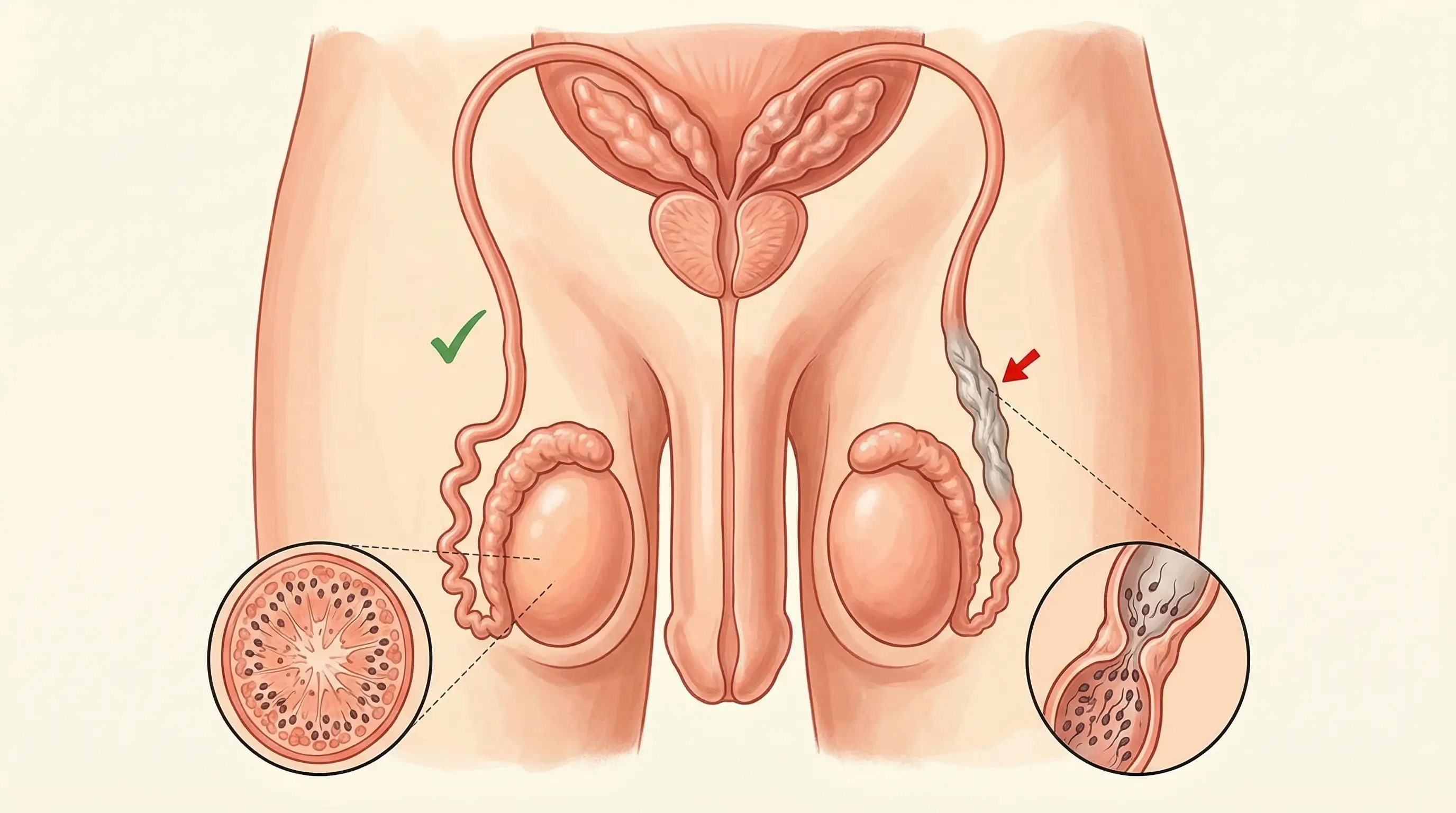
Testosterone is the primary male sex hormone. It’s produced mainly by the Leydig cells in the testes and regulated through a feedback loop involving the hypothalamus and pituitary gland — a system called the hypothalamic-pituitary-gonadal (HPG) axis.[^1] Beyond sex drive and muscle mass, testosterone affects bone density, red blood cell production, fat distribution, mood, and cognitive function.[^1][^2]
When the body doesn’t produce enough testosterone on its own, the condition is called male hypogonadism — defined by the Endocrine Society as a clinical syndrome that results from failure of the testes to produce physiological concentrations of testosterone.[^14] Symptoms can include fatigue, decreased libido, erectile dysfunction, loss of muscle mass, increased body fat, depressed mood, and reduced bone mineral density.[^2][^3] The Endocrine Society often applies a total testosterone level below 300 ng/dL as a threshold for screening, considered alongside clinical symptoms on two separate morning measurements.[^14]
TRT was developed to treat exactly this problem. And when given to genuinely hypogonadal men, it works — a 2024 health technology assessment concluded that TRT improves sexual function and quality of life without adverse effects on blood pressure, lipids, or glycemic markers.[^15][^17] That’s not the issue. The issue is what happens to fertility.
How Common Is TRT Use — and Why Does It Matter for Fertility?
TRT use has surged. A systematic review of prescribing trends in the United States showed a 1.8- to 4-fold increase in TRT prescriptions over two decades.[^7] A cross-sectional analysis of national prescription monitoring data confirmed the trend is ongoing.[^5] Between 2016 and 2019 alone, the number of testosterone prescribers grew by 28.6%, and the total testosterone day supply rose by 52%.[^7] TRT use increased 4-fold in men aged 18–45 and 3-fold in men over 45 between 2003 and 2013.[^6]
Here’s the catch. Many of these men are still of reproductive age. A UK study found that 7% of men presenting to a fertility clinic had a current or prior history of TRT use.[^9] And in a Canadian study of 4,400 men evaluated for fertility, 12% of those on TRT had been prescribed it specifically to address infertility — the exact opposite of what the evidence supports.[^7]
Perhaps most concerning: a survey of American urologists found that approximately 25% would use exogenous testosterone to treat low testosterone levels associated with male infertility.[^11] That’s a quarter of trained specialists reaching for a drug that’s known to make the problem worse.
→ Learn more: Steroids and Male Infertility
How Does TRT Shut Down Sperm Production?
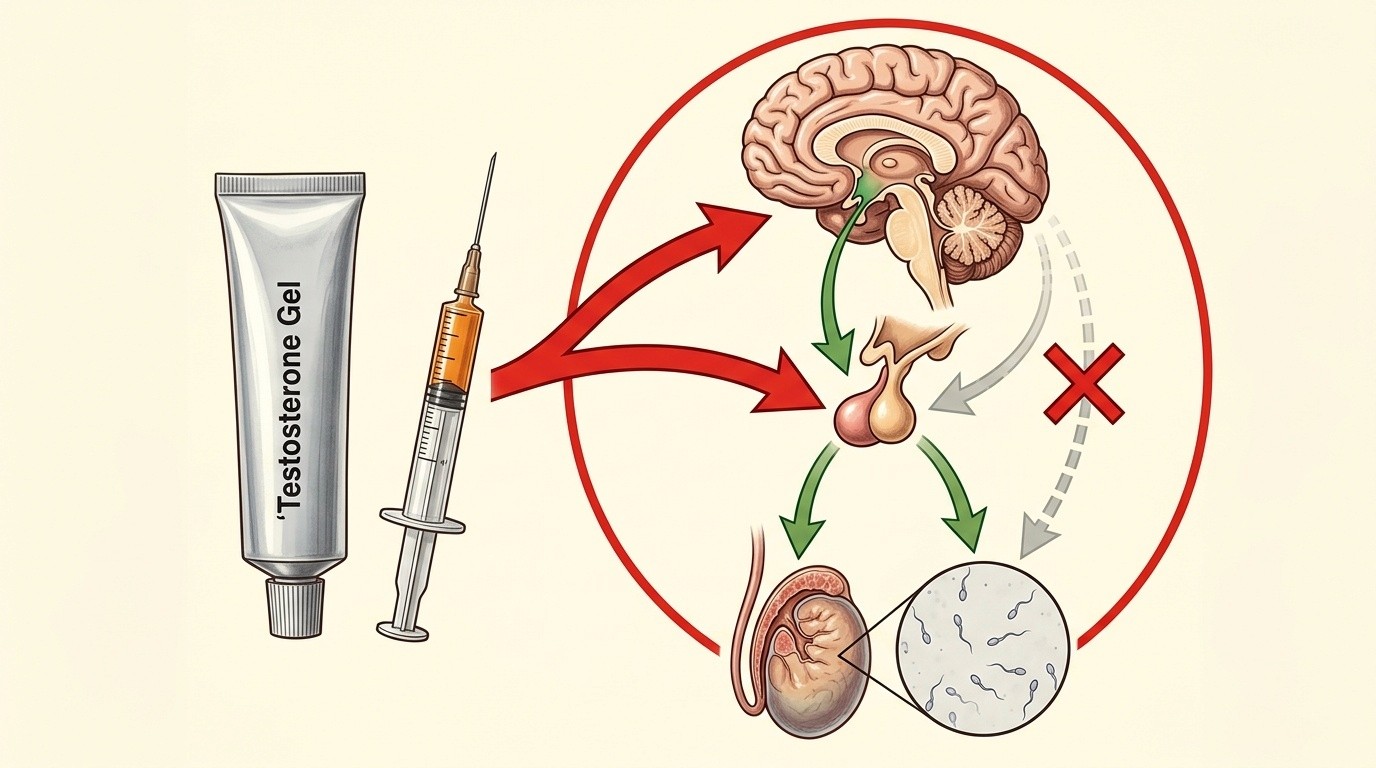
The mechanism isn’t subtle. When you introduce exogenous testosterone — whether through injections, gels, patches, or pellets — your brain detects the elevated testosterone in your blood and essentially says: “We’ve got plenty. Stop making more.”[^7][^9]
More precisely, exogenous testosterone suppresses the gonadotropin-releasing hormone (GnRH) pulse generator in the hypothalamus. This leads to decreased secretion of two critical pituitary hormones: luteinizing hormone (LH) and follicle-stimulating hormone (FSH).[^9][^7] LH is what tells the Leydig cells to produce testosterone inside the testes. FSH drives Sertoli cells to support sperm maturation. Without these signals, both intratesticular testosterone and spermatogenesis collapse.
But testosterone isn’t the only player. Excess testosterone is partially converted to estradiol (E2) by aromatase enzymes.[^7][^10] Estradiol is roughly 200 times more potent than testosterone at suppressing the GnRH pulse frequency — so even a modest rise in E2 can significantly amplify the shutdown.[^7]
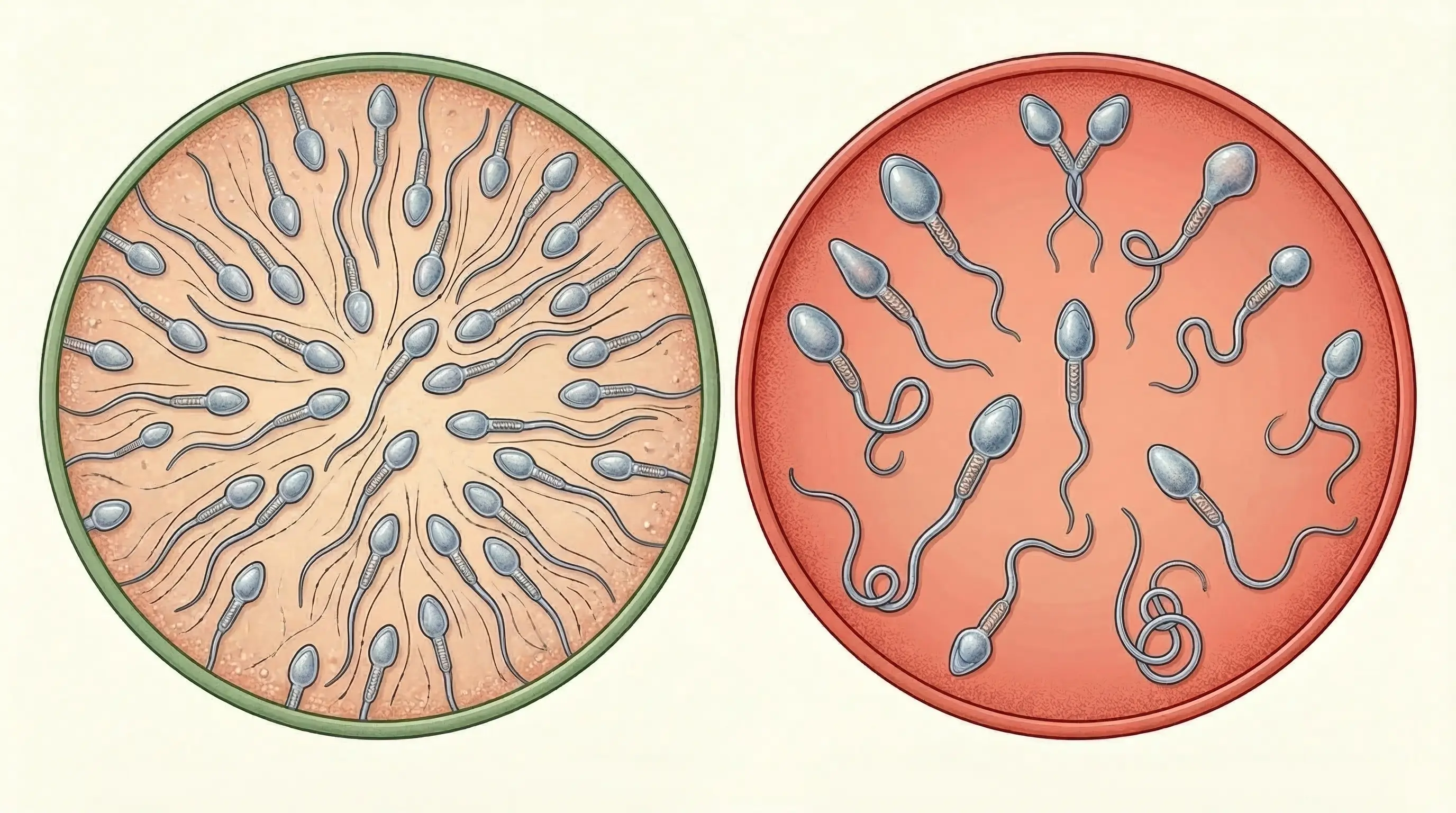
The end result? A multicenter study using testosterone undecanoate — the most commonly prescribed TRT injectable — confirmed it can establish azoospermia (zero sperm in the ejaculate) after just 3 months of therapy in 93–99% of men.[^7][^4] That same testosterone preparation has actually been studied as a male contraceptive. And it works.
Important:
Azoospermia means zero sperm in the ejaculate. It’s identified in approximately 1% of all men and in 5–15% of men evaluated for infertility (the range reflects differences in study populations and diagnostic criteria).[^7] Exogenous testosterone is one of the most common — and completely avoidable — causes.
Do All TRT Formulations Suppress Fertility Equally?
No. And this matters greatly for treatment planning. Not all testosterone products hit the HPG axis with the same force.[^4] Long-acting formulations — particularly injectables like testosterone undecanoate and testosterone enanthate — cause the deepest and most sustained suppression. Short-acting formulations may allow some residual pituitary function.
Formulation | Route | HPG Suppression | Notes |
Testosterone undecanoate (injectable) | Intramuscular | Severe. | Azoospermia in 93–99% after 3 months. |
Testosterone enanthate/cypionate | Intramuscular | Severe. | Most commonly prescribed injectable forms. |
Testosterone gel | Transdermal | Moderate to severe. | Daily application required. |
Testosterone patches | Transdermal | Moderate. | Skin irritation is common. |
Natesto (intranasal) | Nasal | Mild. | Less HPG suppression — may preserve spermatogenesis. |
Source: Fink J et al., Medicina (2024)[^4] and Hashimi MA et al., Asian J Androl (2025)[^7]
One study deserves special mention. Kavoussi et al. switched patients from long-acting TRT to Natesto (intranasal testosterone) and found that 10 of 27 men with proven azoospermia after long-acting TRT had a normal sperm concentration of 41.0 × 10⁶/mL — indicating that spermatogenesis resumed within 3 months of switching, without a washout period.[^7]
This should not be interpreted as guaranteed fertility preservation, and semen monitoring is still needed. Men on Natesto also had normalized levels of testosterone, LH, and FSH, plus significantly lower estradiol concentrations.
Can Fertility Recover After Stopping TRT?
Yes — in most men, but not all. And the timeline isn’t as straightforward as many patients hope.
The largest dataset comes from a meta-analysis of 1,549 men who developed azoospermia from testosterone used as a contraceptive (treatment duration of 18 months or less). After stopping testosterone, the probability of sperm recovering to a concentration of 20 × 10⁶/mL was 67% within 6 months, 90% within 12 months, 96% within 16 months, and approached 100% in the study population within 24 months.[^7][^9] The median time to reach that threshold was 3.4 months.
That sounds reassuring. But there’s an important caveat from the study authors: these results apply to men who used testosterone for 18 months or less, and should not be directly extrapolated to longer durations.[^7]
And for men with longer histories of use — including anabolic-androgenic steroid (AAS) abusers — the picture is grimmer. A 2023 systematic review and meta-analysis of 32 publications confirmed that AAS use is detrimental for sperm motility and has a partially reversible negative impact on male fertility.[^8] One study followed 463 men for a year after stopping anabolic steroids and found abnormal semen parameters in 79%, with azoospermia persisting in 7%.[^7] Even more strikingly, 32% of all men suffering from azoospermia due to exogenous testosterone or AAS remained infertile with proven azoospermia even after 1 year of treatment.[^7]
What Factors Predict How Quickly Fertility Returns?
According to the research, several variables determine recovery speed:[^7][^12]
Factor | Impact on Recovery |
Duration of TRT use | Shorter use (under 1 year) is associated with faster and more complete recovery. |
Age at discontinuation | Younger men recover faster. Increased age at discontinuation limits recovery more than duration of use. |
Baseline testicular function | Men with normal gonadal function before TRT have a better prognosis than those already hypogonadal. |
Type of preparation | Short-acting formulations are associated with faster recovery of spermatogenesis than long-acting injectables. |
Testicular volume | Larger baseline testicular volume correlates with better outcomes. |
Source: Hashimi MA et al., Asian J Androl (2025)[^7]; Kohn TP et al., Fertil Steril (2017)[^12]
A study by Kohn et al. specifically confirmed that both age at discontinuation and duration of testosterone use independently predict the time to recovery.[^12] Seventy percent of men in their cohort achieved restoration of spermatogenesis (defined as sperm concentration greater than 5 × 10⁶ motile sperm per mL — still below the WHO lower reference limit of 16 × 10⁶/mL) within 12 months of stopping TRT and beginning hCG-based therapy.
Key Insight:
Hormones recover faster than sperm. Testosterone levels can normalize within 3 months after stopping TRT, but spermatogenesis — the actual production of sperm — lags behind significantly. Don’t judge recovery by a blood test alone.[^7][^18]
What Are the Alternatives to TRT That Preserve Fertility?
If you’re hypogonadal and want to maintain your ability to conceive, you don’t necessarily have to give up on treating low testosterone. Several medications can raise testosterone levels while keeping the HPG axis intact — meaning your brain keeps sending signals to the testes to produce both testosterone and sperm.[^7][^4]
What Is Clomiphene Citrate and How Does It Work?
Clomiphene citrate (CC) is a selective estrogen receptor modulator (SERM) that works by blocking estrogen receptors in the hypothalamus and pituitary gland. This removes the inhibitory effect of estradiol, causing a release of LH and FSH — which in turn stimulates both testosterone production and spermatogenesis.[^7][^9]
A systematic review and meta-analysis found that CC significantly improves sperm concentration and sperm motility in men with idiopathic infertility, along with increases in testosterone, LH, and FSH levels.[^7] In one small case series, three men with hypogonadotropic hypogonadism or AAS-induced azoospermia treated with 50 mg of CC three times per week showed 100% recovery of gonadotropins, testosterone, and spermatogenesis within three months — with a pregnancy rate of 66%.[^7]
CC isn’t without quirks, though. Three published cases documented oligospermic (low sperm count) men who actually developed azoospermia during CC treatment — a paradoxical effect possibly related to the racemic mixture of two isomers in the drug.[^7] This has pushed interest toward enclomiphene — the trans isomer with pure antiestrogenic effects — which showed statistically significant improvements in semen parameters while maintaining equivalent testosterone levels compared to topical testosterone gel.[^7]
What About hCG — Can It Maintain Fertility During TRT?
Human chorionic gonadotropin (hCG) shares the same alpha subunit as LH and acts as an LH receptor agonist. It directly stimulates the Leydig cells to produce testosterone inside the testes — bypassing the suppressed pituitary entirely.[^7] This makes it particularly useful for men who are already on TRT or who have recently stopped.
A study of 26 men receiving both TRT and concurrent hCG (500 IU every other day) found that no patient became azoospermic during the follow-up period, and nine achieved pregnancy with their partner.[^4] In another study, healthy men on TRT randomized to receive concurrent low-dose hCG (125, 250, or 500 IU every other day) maintained intratesticular testosterone levels in all hCG-treated groups.[^7]
For men with established azoospermia after TRT, the typical treatment protocol described in the literature is 1,000–2,000 IU of hCG subcutaneously 2–3 times weekly, adjusted until serum testosterone normalizes, and continued until sperm recovery.[^7] Dosing is always individualized and must be supervised by a specialist. If sperm concentration remains below 10 × 10⁶/mL after 4–6 months, FSH is added — either as recombinant human FSH or human menopausal gonadotropin, usually starting at 75 IU every other day.
One multicenter series of men with TRT-induced azoospermia treated with 3,000 IU hCG every other day (supplemented with FSH, CC, tamoxifen, or anastrozole) reported a mean recovery to 22 × 10⁶/mL within 4 months.[^7] The combination of hCG and FSH may be particularly effective: dual therapy resulted in sperm recovery nearly three times faster than the hCG-plus-clomiphene combination (5.5 months versus 14.8 months).[^7]
→ Learn more: Male Infertility
What Role Do Aromatase Inhibitors Play?
Aromatase inhibitors (AIs) like anastrozole and letrozole block the conversion of testosterone to estrogen. Since estrogen contributes to HPG axis suppression, reducing it can stimulate gonadotropin production and enhance spermatogenesis.[^7]
AIs are most effective in specific situations — particularly in obese men or those with a serum testosterone-to-estradiol ratio below 10:1, where improvements in semen quality have been observed in approximately 77% of patients.[^7] One study found that letrozole treatment increased ejaculate volume, sperm count, and motility, with 20% of oligospermic men achieving spontaneous pregnancy and 24% of azoospermic patients recovering spermatozoa in the ejaculate.[^7]
But there’s an important warning. All of these medications — CC, hCG, and AIs — are used off-label for male fertility.[^7] None have received FDA or EMA approval specifically for treating male infertility. They work, and the evidence supports their use, but long-term data remain limited and close monitoring is essential.
Should You Freeze Sperm Before Starting TRT?
Yes. If there is any chance you might want biological children in the future — even if that feels distant right now — sperm cryopreservation before starting TRT is the single most effective insurance policy available.[^9][^16]
Here’s the uncomfortable truth: recovery after TRT isn’t guaranteed, and the process can stretch to 24 months. For some men — particularly those with longer use, older age, or compromised baseline function — full recovery may never happen.[^7][^9] One study highlighted that many men starting TRT are not counselled about fertility risks beforehand, and by the time they present to a fertility clinic, they may already be azoospermic.[^7]
Cryopreservation is straightforward, relatively affordable, and well-established.[^16] Frozen sperm can be used for intrauterine insemination (IUI) or in vitro fertilization (IVF) years or even decades later. It removes the uncertainty entirely.
→ Learn more: Fertility Preservation
What Do the Guidelines Say?
Most major clinical guidelines are largely consistent: TRT should not be used in men who want to preserve their fertility.[^7][^14]
The Endocrine Society clinical practice guideline recommends against TRT in men seeking fertility and suggests alternatives like clomiphene or hCG.[^14] The American Urological Association (AUA) guideline on testosterone deficiency specifically addresses fertility considerations and recommends fertility counselling before initiating therapy.[^7] Similarly, the European Association of Urology (EAU) and most other professional organizations stress the negative impact of any TRT in men desiring fertility — regardless of clinical indication.[^7]
The one exception is the International Society for Sexual Medicine (ISSM), which takes a slightly less restrictive position.[^7] But even with that caveat, the overwhelming consensus is clear: if fertility matters to you, discuss alternatives with your doctor before starting TRT.
So, What Should You Do Now?
If you’re on TRT, considering TRT, or trying to recover your fertility after stopping — here’s a practical plan based on current evidence:
Step 1: Talk to Your Doctor About Your Fertility Goals
Before starting any testosterone therapy, have a direct conversation about whether you want children — now or in the future. This single question should shape the entire treatment plan.
Step 2: Get a Semen Analysis
If you’re already on TRT and haven’t checked your sperm, get a semen analysis now — it’ll tell you exactly where things stand. Repeat the test 2–3 weeks later if the results come back abnormal.
Step 3: Consider Sperm Freezing
If you’re about to start TRT — or any testosterone-based treatment — freeze your sperm first. Recovery isn’t guaranteed, and cryopreservation eliminates the gamble.
Step 4: Discuss Fertility-Preserving Alternatives
Ask your specialist about clomiphene citrate, hCG, or aromatase inhibitors. These can raise testosterone while keeping the HPG axis active and sperm production intact.
Step 5: Choose the Right Clinic
Not every prescribing physician understands the fertility implications of TRT. Look for a reproductive urologist or fertility specialist who can manage both your testosterone levels and your reproductive health under one plan.
→ Compare fertility clinics worldwide: MedicalNavigator.com/fertility-clinics
Too Long, Didn’t Read
TRT suppresses the HPG axis, reducing LH and FSH, which shuts down sperm production.
Injectable testosterone undecanoate can cause azoospermia in 93–99% of men within 3 months.
After stopping TRT (used for under 18 months), 67% of men recover sperm counts within 6 months.
hCG, clomiphene citrate, and aromatase inhibitors can restore fertility after TRT.
Sperm freezing before starting TRT is the safest option if future fatherhood is a priority.
Recovery depends on age, duration of use, and baseline testicular function.
References
[^1]: Nassar GN, Leslie SW. Physiology, Testosterone. [Updated 2023 Jan 2]. In: StatPearls [Internet]. Treasure Island (FL): StatPearls Publishing; 2026 Jan-.
[^2]: Sizar O, Leslie SW, Schwartz J. Male Hypogonadism. [Updated 2024 Feb 25]. In: StatPearls [Internet]. Treasure Island (FL): StatPearls Publishing; 2026 Jan-.
[^3]: Sizar O, Leslie SW, Pico J. Androgen Replacement. [Updated 2023]. In: StatPearls [Internet]. Treasure Island (FL): StatPearls Publishing; 2026 Jan-.
[^4]: Fink J, Ide H, Horie S. Management of Male Fertility in Hypogonadal Patients on Testosterone Replacement Therapy. Medicina (Kaunas). 2024;60(2):275.
[^5]: Selinger S, Ancha N, Frei CR. Cross-sectional analysis of national testosterone prescribing through prescription drug monitoring programs, 2018-2022. PLOS ONE. 2024;19(8):e0309160.
[^6]: Rao PK, Boulet SL, Mehta A, et al. Trends in Testosterone Replacement Therapy Use from 2003 to 2013 Among Reproductive-Age Men in the United States. J Urol. 2017;197(4):1121–1126.
[^7]: Hashimi MA, Pinggera GM, Shah R, Agarwal A. Clinician’s guide to the management of azoospermia induced by exogenous testosterone or anabolic-androgenic steroids. Asian J Androl. 2025;27(3):330–341.
[^8]: Mulawkar PM, Maheshwari PN, Gauhar V, et al. Use of Anabolic-Androgenic Steroids and Male Fertility: A Systematic Review and Meta-analysis. J Hum Reprod Sci. 2023;16(4):268–285.
[^9]: Desai A, Yassin M, Cayetano A, et al. Understanding and managing the suppression of spermatogenesis caused by testosterone replacement therapy (TRT) and anabolic-androgenic steroids (AAS). Ther Adv Urol. 2022;14:17562872221105017.
[^10]: Kumar N, Kakoti S, Chung E. Pandemic of testosterone abuse: Considerations for male fertility. Arab J Urol. 2025;23(3):183–189.
[^11]: Ko EY, Siddiqi K. Exogenous testosterone: a preventable cause of male infertility. Transl Androl Urol. 2013;2(2):106–113.
[^12]: Kohn TP, Louis MR, Pickett SM, et al. Age and duration of testosterone therapy predict time to return of sperm count after human chorionic gonadotropin therapy. Fertil Steril. 2017;107(2):351–357.e1.
[^13]: Phillips K, Olanrewaju RA, Omole F. Infertility: Evaluation and Management. Am Fam Physician. 2023;107(6):623–630.
[^14]: Bhasin S, Brito JP, Cunningham GR, et al. Testosterone therapy in men with hypogonadism: an Endocrine Society clinical practice guideline. J Clin Endocrinol Metab. 2018;103(5):1715–1744.
[^15]: Hackett G. An update on the role of testosterone replacement therapy in the management of hypogonadism. Ther Adv Urol. 2016;8(2):147–160.
[^16]: Borate GM, Meshram A. Cryopreservation of sperm: A review. Cureus. 2022;14(11):e31402.
[^17]: Cruickshank M, Hudson J, Hernández R, et al. The effects and safety of testosterone replacement therapy for men with hypogonadism: the TestES evidence synthesis and economic evaluation. Health Technol Assess. 2024;28(43):1–210.
[^18]: Stahl PJ. Recovery of spermatogenesis after hormone therapy: what to expect and when to expect it. Fertil Steril. 2017;107(2):338–339.
This guide is for informational purposes only. Always consult qualified healthcare providers for personalized recommendations. For full details, read our Medical Disclaimer.

Author of the article
Date of publication