


Fertility

Last updated:

Asthenozoospermia, Oligozoospermia, and Teratozoospermia

Author:

author
Juraj Xavier Gabzdil, MBA., MSc.

Medicaly approved by:

Ingemārs Sokolovskis, MBA., MSc. & MUDr. Peter Kosoň, PhD.

Fertility

Last updated:

Asthenozoospermia, Oligozoospermia, and Teratozoospermia

Author:

author
Juraj Xavier Gabzdil, MBA., MSc.

Medicaly approved by:

Ingemārs Sokolovskis, MBA., MSc. & MUDr. Peter Kosoň, PhD.

Fertility

Last updated:

Asthenozoospermia, Oligozoospermia, and Teratozoospermia

Author:

author
Juraj Xavier Gabzdil, MBA., MSc.

Medicaly approved by:

Ingemārs Sokolovskis, MBA., MSc. & MUDr. Peter Kosoň, PhD.

What you will get

About 1 in 6 couples struggle to conceive, and nearly half the time, a male factor plays a role.

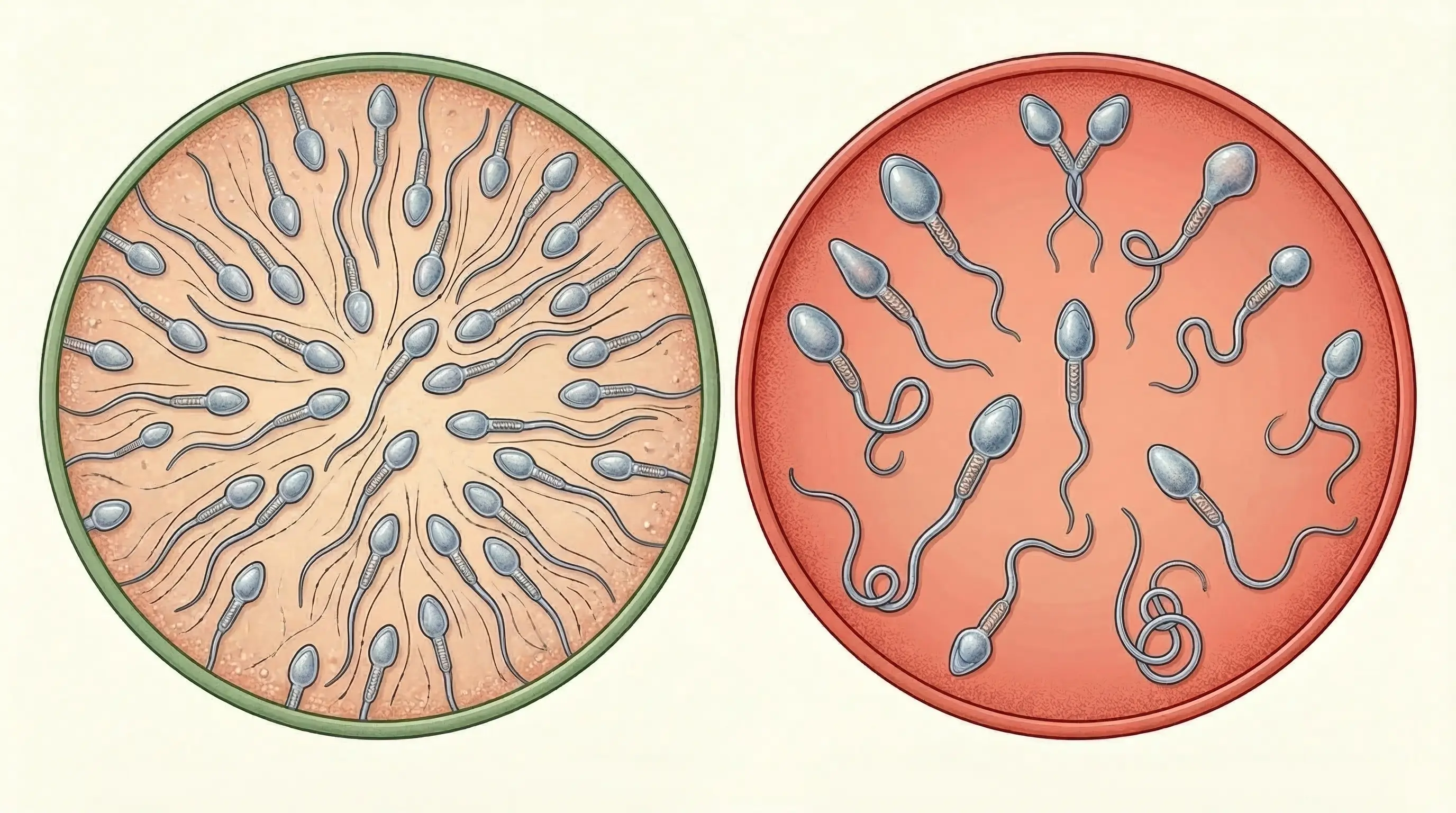
Three of the most common findings on semen analysis — low sperm count (oligozoospermia), poor sperm movement (asthenozoospermia), and abnormal sperm shape (teratozoospermia) — often occur together and are among the leading causes of male-factor infertility worldwide.

What You’ll Get

  • What low count, poor motility, and abnormal morphology really mean

  • Root causes and risk factors you can actually change

  • The full diagnostic workup, from semen analysis to genetic testing

  • Treatment options from lifestyle fixes to IVF/ICSI

  • Your real chances of natural conception by severity level

  • When assisted reproduction becomes necessary

What Are These Conditions?

A semen analysis is the cornerstone of male fertility evaluation. When results fall below certain thresholds, specific diagnostic terms are used. The World Health Organization (WHO) published updated reference values in 2021, which serve as the current global standard for interpreting semen analysis results.

What Is Oligozoospermia (Low Sperm Count)?

Oligozoospermia refers to a sperm concentration below 16 million per milliliter or a total sperm number below 42 million per ejaculate. The condition is considered severe when sperm concentration falls below 5 million/mL.2

A low sperm count is one of the most common findings in male infertility evaluations. It decreases the odds that sperm will reach and fertilize an egg, though natural conception is still possible in many cases.

What Is Asthenozoospermia (Poor Sperm Motility)?

Asthenozoospermia is defined as having less than 30% progressively motile sperm or less than 42% total motility. Progressive motility means sperm are moving forward in a straight line or large circles — the type of movement necessary to swim through the female reproductive tract and reach the egg.

In absolute asthenozoospermia, no sperm move at all, but they may still be viable (alive and potentially capable of fertilization). This distinction (evaluated via sperm vitality testing) matters because immotile but living sperm can still be used for intracytoplasmic sperm injection (ICSI).

What Is Teratozoospermia (Abnormal Sperm Morphology)?

Teratozoospermia occurs when less than 4% of sperm have normal morphology (shape and structure). Sperm morphology is assessed using strict criteria that evaluate the head, neck, and tail of each sperm cell.

Abnormal forms may have head defects (too large, too small, or irregularly shaped), neck abnormalities, tail defects, or excess residual cytoplasm. While a single abnormal sperm is not necessarily dysfunctional, a high percentage of abnormal forms may indicate underlying problems with sperm production.

What Is OAT Syndrome?

When all three parameters are abnormal — low count, poor motility, and abnormal morphology — the condition is called oligoasthenoteratozoospermia (OAT) or OAT syndrome. This is one of the most common abnormal semen analysis findings encountered in male infertility evaluations.

When mild, OAT may indicate a potentially reversible pattern reflecting transient physiological or environmental suppression of spermatogenesis that could improve with lifestyle changes or treatment of an underlying varicocele. When severe, assisted reproduction will likely be necessary.

WHO 2021 Reference Values for Semen Analysis

Parameter

WHO 2021 Lower Limit

Diagnostic Term

Sperm concentration

16 million/mL

Oligozoospermia

Total sperm count

42 million/ejaculate

Oligozoospermia

Progressive motility

30%

Asthenozoospermia

Total motility

42%

Asthenozoospermia

Normal morphology

4%

Teratozoospermia

Source: World Health Organization. WHO laboratory manual for the examination and processing of human semen, 6th ed. Geneva: WHO; 2021.

What Causes Sperm Abnormalities?

The causes of sperm abnormalities can be broadly divided into pretesticular (hormonal or systemic), testicular (direct damage to sperm production), and post-testicular (obstruction or transport problems).

Which Medical Conditions Affect Sperm?

Varicocele

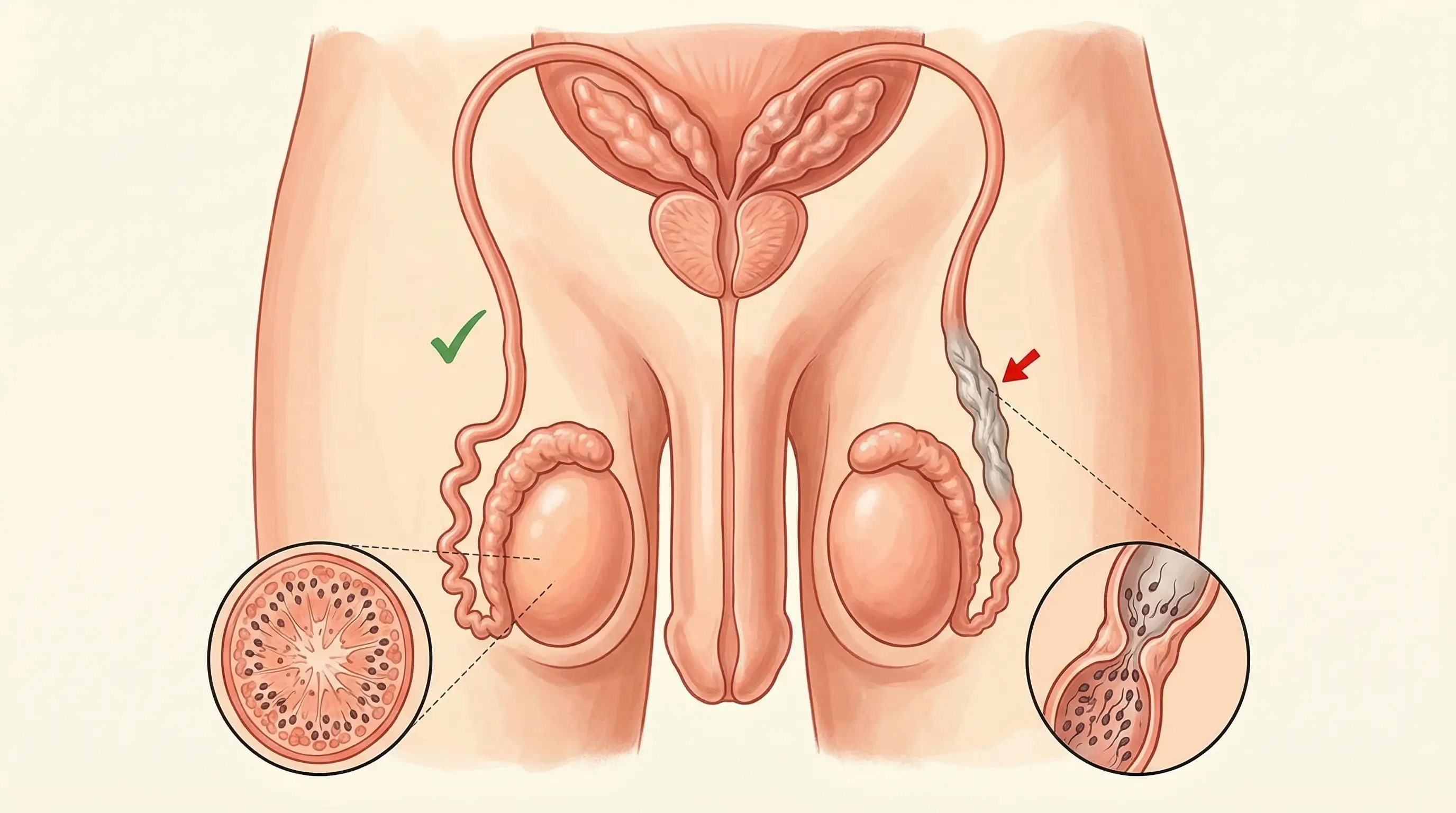
Varicocele is the most common identifiable cause of male infertility, affecting approximately 15–20% of all men and up to 40% of men evaluated for infertility. Varicoceles impair fertility primarily by disrupting the normal temperature regulation of the testicles.

Genetic Conditions

Chromosomal abnormalities are more common in infertile men (up to 15%) than in fertile males (about 0.6%). Klinefelter syndrome (XXY chromosomes) is the most commonly diagnosed genetic cause of male hypogonadism and often presents with azoospermia or severe oligozoospermia. About 10–18% of men with severe oligozoospermia (fewer than 5 million sperm/mL) have Y chromosome microdeletions.

Hormonal Disorders

Disruptions to the hypothalamic-pituitary-gonadal axis can impair sperm production. Hypogonadotropic hypogonadism (low FSH and LH leading to low testosterone) may be caused by pituitary tumors, including prolactinomas, which affect approximately 11% of men with oligozoospermia.

Infections and Inflammation

Sexually transmitted infections (especially gonorrhea and chlamydia), as well as mumps-related testicular inflammation (mumps orchitis), prostatitis (inflammation of the prostate), and epididymitis (inflammation of the epididymis), may damage sperm-producing tissue or block the normal passage of sperm.

Historically, mumps has been one of the most common causes of testicular damage acquired later in life; approximately 25% of adult men who contract mumps develop orchitis, which can lead to reduced testicular function. However, the incidence has declined significantly in regions with routine vaccination.

Cryptorchidism (Undescended Testicle)

An undescended testicle, even when surgically corrected, can affect future fertility. The longer the testicle remains undescended, the greater the risk. Cryptorchidism is present in 2–9% of infertile males.

How Do Lifestyle and Environmental Factors Affect Sperm?

Obesity

Obesity increases peripheral conversion of testosterone to estrogen, which decreases LH levels and is associated with reduced sperm counts. Various studies show that obese men are 3.5 times more likely to have oligozoospermia than men of normal weight. Weight loss has been shown to improve sperm parameters in overweight men.

Smoking and Alcohol

Tobacco use negatively affects sperm count, motility, and morphology. Excessive alcohol consumption is associated with delayed semen liquefaction and reduced sperm quality.

Oxidative Stress

Oxidative stress occurs when reactive oxygen species (ROS) overwhelm the body’s antioxidant defenses. This can damage sperm DNA and cell membranes, impairing motility. Sources include infections, environmental toxins, smoking, and varicoceles.

Environmental Toxins

Exposure to pesticides, heavy metals (lead, mercury, and cadmium), industrial chemicals, and endocrine-disrupting compounds can impair sperm production. Oligozoospermia and asthenozoospermia are significantly more common in men with high exposure to certain pesticides.

Medications and Substances

Testosterone supplementation can completely suppress sperm production and should be avoided by men trying to conceive. Other medications that may affect fertility include chemotherapy, radiation, certain antibiotics, and recreational drugs, including marijuana.

What Are the Symptoms and When Should You Seek Evaluation?

The primary “symptom” of these sperm abnormalities is difficulty conceiving. In most cases, men will not notice any physical signs that their sperm quality is abnormal — this is why semen analysis is essential.

However, certain signs may warrant earlier evaluation:

  • History of undescended testicle, testicular trauma, or surgery

  • Varicocele (visible or palpable enlarged veins in the scrotum)

  • Sexual dysfunction (erectile dysfunction, low sexual desire)

  • Signs of hormonal imbalance (reduced facial or body hair, gynecomastia)

  • History of mumps orchitis or genital infections

  • Previous cancer treatment (chemotherapy, radiotherapy)

  • Family history of genetic conditions affecting fertility

Medical evaluation should begin after 12 months of unprotected intercourse without pregnancy, or earlier if the female partner is over 35 or if risk factors are present.

How Are These Conditions Diagnosed?

The evaluation of male infertility should be systematic and thorough, with both partners investigated simultaneously.

What Does a Semen Analysis Involve?

At least two semen analyses, performed 2–4 weeks apart, are recommended before making a diagnosis. Semen quality can vary significantly between samples, so a single test may not accurately reflect true fertility potential.

Proper collection requires 2–7 days of abstinence. The sample should be analyzed within 1 hour of collection according to WHO guidelines.

What Hormonal Tests Are Performed?

Hormonal evaluation is indicated for men with oligozoospermia, azoospermia, impaired libido, erectile dysfunction, or atrophic testes. The basic panel includes:

  • Follicle-stimulating hormone (FSH): elevated levels suggest testicular damage

  • Testosterone: reflects the testicular Leydig cells function

  • Luteinizing hormone (LH): helps distinguish between primary and secondary hypogonadism

  • Prolactin: elevated in pituitary tumors

Normal testosterone and LH with high FSH suggest primary spermatogenic failure, especially if associated with severe oligozoospermia.

When Is Genetic Testing Recommended?

Genetic screening is recommended for patients with severe oligozoospermia (fewer than 5 million sperm/mL) or azoospermia. Testing typically includes:

  • Karyotype analysis (to detect chromosomal abnormalities such as Klinefelter syndrome)

  • Y chromosome microdeletion testing (AZF deletions)

  • CFTR gene testing (CFTR = gene involved in cystic fibrosis)

What Imaging Studies May Be Needed?

Scrotal ultrasound can identify varicoceles, testicular masses, and epididymal lesions, and can also calculate testicular volume. While American Urological Association (AUA) guidelines do not recommend routine use, many experts advocate for it because it is safe, inexpensive, and can detect pathology not visible on physical exam.

Transrectal ultrasound (TRUS) may be needed to evaluate ejaculatory duct obstruction in men with low semen volume.

What Are the Treatment Options?

Treatment depends on the underlying cause, severity of the abnormality, and the couple’s goals and timeline.

What Lifestyle Changes Can Help?

All men with fertility concerns should be counseled on lifestyle optimization:

  • Stop tobacco and cannabis use

  • Limit or eliminate alcohol consumption

  • Achieve a healthy weight — weight loss improves sperm parameters in obese men

  • Adopt a nutritious diet (the Mediterranean diet has been associated with better sperm quality)

  • Avoid testosterone supplements — they inhibit spermatogenesis (sperm production)

  • Minimize exposure to heat (hot tubs, saunas, tight underwear)

  • Reduce environmental toxin exposure when possible

What Medical Treatments Are Available?

Antioxidant Supplements

While current guidelines do not formally recommend supplements, evidence suggests potential benefits from:

  • Coenzyme Q10: may improve sperm motility, morphology, and concentration

  • L-carnitine: supports sperm energy production and may improve sperm concentration, motility, and morphology

  • Vitamins C and E: potent antioxidants that may protect sperm DNA

  • Zinc and folic acid: involved in DNA synthesis and spermatogenesis

Hormonal Medications

Clomiphene citrate is an anti-estrogen that can increase FSH and LH levels, thereby stimulating testosterone production and spermatogenesis. Its benefit is greatest in men with evidence of functional hypogonadism or low to low-normal testosterone levels.

Tamoxifen may be added to clomiphene therapy to provide additional benefit, particularly in improving sperm counts.

For men with hypogonadotropic hypogonadism, gonadotropin therapy (HCG with or without FSH) can restore spermatogenesis in up to 80% of cases.

When Is Surgical Treatment Needed?

Varicocelectomy

Surgical treatment of varicoceles is expected to improve semen parameters in 60–70% of patients with clinically significant (palpable) varicoceles. Surgery is generally recommended for men with abnormal semen parameters and large, clinical-grade varicoceles.

However, varicocele surgery is generally not recommended for men with very low sperm counts (severe oligozoospermia or azoospermia) and high FSH, as these features suggest extensive testicular damage that is unlikely to improve.

Obstruction Surgery

Vasovasostomy (vasectomy reversal) can achieve pregnancy rates of approximately 60%. Vasoepididymostomy may be used to bypass epididymal obstruction. Ejaculatory duct resection can be used to treat obstructive lesions.

Is Natural Conception Still Possible?

A key message for couples is that abnormal semen parameters do not equal sterility. Natural conception remains possible in many cases, though the time to pregnancy may be prolonged.

Isolated low motility or abnormal morphology with a normal sperm count are not considered significant contributors to infertility unless severe. Studies show that isolated low sperm motility alone does not appear to significantly affect natural pregnancy rates unless very low.

Even in men with severe oligozoospermia (fewer than 2 million sperm/mL), in observational studies, about 7.6% of untreated couples achieved pregnancy within 2 years. Overall, 23% of untreated infertile couples conceive after 2 years, rising to 33% after 4 years.

Research has shown that semen parameters correlate with time to pregnancy in a gradual, continuous fashion rather than as clear “fertile versus infertile” cutoffs. A semen analysis cannot reliably predict pregnancy outcomes except in the most extreme cases.

Natural Pregnancy Possibilities by Severity

Severity

Natural Conception

Recommended Approach

Mild (near threshold)

Good chances

Lifestyle optimization, timed intercourse.

Moderate

Reduced but possible

Consider IUI after 6–12 months.

Severe (<5 million/mL)

Low (approximately 7.6% in 2 years)

IVF with ICSI is typically needed.

Source: Leslie SW, et al. Male Infertility. StatPearls; 2025.

When Is Assisted Reproduction Needed?

When natural conception is unlikely or when couples have been trying for an extended period, assisted reproductive technologies (ART) offer effective solutions.

What Is Intrauterine Insemination (IUI)?

IUI involves placing washed, prepared sperm directly into the uterus. It requires a total motile sperm count (TMSC) of at least 1 million for a reasonable chance of success, and above 5 million for optimal chances.

Success rates are about 4% per cycle when used alone, but increase to around 12–17% per cycle when combined with ovarian stimulation in the female partner. Three to four IUI attempts are typically recommended before considering IVF for unexplained or mild male factor infertility.

What Is In Vitro Fertilization (IVF)?

IVF involves retrieving oocytes (eggs) from the female partner and fertilizing them with prepared sperm in a laboratory setting. It is indicated when IUI has failed or when sperm parameters are too low for IUI.

What Is Intracytoplasmic Sperm Injection (ICSI)?

ICSI involves injecting a single sperm directly into an oocyte. It is the treatment of choice for:

  • Severe oligozoospermia

  • Severe asthenozoospermia

  • Severe teratozoospermia

  • Previous IVF fertilization failure

  • Sperm retrieved surgically from the testicle or the epididymis

ICSI requires only a single viable sperm per oocyte, making it possible for even men with very low sperm counts or surgically retrieved sperm to father biological children.

What Advanced Sperm Selection Techniques Exist?

Various techniques can select the best sperm for ART:

  • Density gradient centrifugation: separates sperm by density, recovering motile, morphologically normal sperm

  • Swim-up technique: selects sperm with the best motility

  • Microfluidic sperm sorting: uses microchip-based devices to select motile sperm with high DNA integrity by mimicking the natural selection process in the female reproductive tract

  • Hyaluronic acid binding: selects mature sperm with intact DNA

Recommended ART Approach by Severity

Condition

First-Line ART

TMSC Requirement

Mild oligozoospermia

IUI + ovarian stimulation

More than 1 million.

Moderate OAT

IUI or IVF

More than 1 million for IUI.

Severe oligozoospermia

IVF with ICSI

1 sperm per oocyte.

Severe asthenozoospermia

IVF with ICSI

1 viable sperm.

Surgically retrieved sperm

ICSI only

1 sperm per oocyte.

Source: Leslie SW, et al. Male Infertility. StatPearls; 2025; Mazzilli R, et al. J Endocrinol Invest. 2023.

So, What Should You Do Now?

If you suspect a sperm-related issue may be contributing to difficulty conceiving, here is a practical path forward.

Step 1: Get a Semen Analysis

A semen analysis is the essential first step. If the initial results are abnormal, a second test should be performed 2–4 weeks later to confirm the findings. Ask your doctor to interpret the results using the current WHO 2021 reference values.

Step 2: Address Lifestyle Factors

While waiting for results or between tests, consider optimizing your lifestyle. Stop smoking and cannabis use, limit alcohol, achieve a healthy weight, and avoid testosterone supplements — these changes can meaningfully improve sperm quality over 2–3 months.

Step 3: Follow Up with Your Doctor

If your semen analysis confirms oligozoospermia, asthenozoospermia, teratozoospermia, or OAT syndrome, your doctor may recommend hormonal testing, genetic screening (for severe cases), or a scrotal ultrasound to identify treatable causes such as varicocele.

Step 4: Explore Treatment Options

Depending on the diagnosis, treatment may include antioxidant supplements, hormonal medications such as clomiphene citrate, or surgical varicocelectomy. For severe cases, your doctor will discuss assisted reproduction options, including IUI, IVF, or ICSI.

Step 5: Choose the Right Clinic

If assisted reproduction is recommended, selecting an experienced fertility clinic is one of the most important decisions you will make. Compare success rates, available technologies, and specialist expertise before committing.

→ Compare fertility clinics worldwide: MedicalNavigator.com/fertility-clinics

Too Long, Didn’t Read

  • Oligozoospermia = count below 16 million/mL; asthenozoospermia = below 30% motility; teratozoospermia = below 4% normal forms (WHO 2021).

  • OAT syndrome (all three abnormal) is one of the most common male infertility findings.

  • Varicocele is the leading correctable cause, found in up to 40% of infertile men.

  • Diagnosis requires two semen analyses; severe cases need hormonal and genetic testing.

  • Lifestyle changes (quit smoking, lose weight, cut alcohol) can meaningfully improve sperm quality.

  • Natural conception is possible even in severe cases — about 7.6% conceive within 2 years untreated.

  • IUI needs more than 1 million motile sperm; ICSI needs only 1 viable sperm per egg.


References

1. World Health Organization. WHO laboratory manual for the examination and processing of human semen, 6th ed. Geneva: WHO; 2021.

2. Leslie SW, Soon-Sutton TL, Khan MAB. Male Infertility. In: StatPearls [Internet]. Treasure Island (FL): StatPearls Publishing; 2025 Jan-.

3. Krausz C, Farnetani G. Clinical Interpretation of Semen Analysis. In: Bettocchi C, Busetto GM, Carrieri G, Cormio L (eds) Practical Clinical Andrology. Springer, Cham; 2023.

4. Patel AS, Leong JY, Ramasamy R. Prediction of male infertility by the World Health Organization laboratory manual for assessment of semen analysis: A systematic review. Arab J Urol. 2018;16(1):96-102.

5. Okonofua FE, Ntoimo LFC, Omonkhua A, et al. Causes and Risk Factors for Male Infertility: A Scoping Review of Published Studies. Int J Gen Med. 2022;15:5985-5997.

6. Omu AE. Sperm parameters: paradigmatic index of good health and longevity. Med Princ Pract. 2013;22 Suppl 1:30-42.

7. Wang Y, Fu X, Li H. Mechanisms of oxidative stress-induced sperm dysfunction. Front Endocrinol. 2025;16:1520835.

8. Chamanmalik SI, Nerli RB, Umarane P. Lifestyle and hormonal factors affecting semen quality and sperm DNA integrity: A cross-sectional study. Oncoscience. 2025;12:115-129.

9. European Association of Urology. EAU Guidelines on Sexual and Reproductive Health – Male Infertility. 2024.

10. Mittal PK, Little B, Harri PA, et al. Role of Imaging in the Evaluation of Male Infertility. Radiographics. 2017;37(3):837-854.

11. Babakhanzadeh E, Nazari M, Ghasemifar S, Khodadadian A. Some of the Factors Involved in Male Infertility: A Prospective Review. Int J Gen Med. 2020;13:29-41.

12. American Urological Association/American Society for Reproductive Medicine. Diagnosis and Treatment of Infertility in Men: AUA/ASRM Guideline. 2024.

13. National Research Council (US). Clinical Evaluation of Male Infertility. In: Biologic Markers in Reproductive Toxicology. Washington (DC): National Academies Press (US); 1989.

14. Ye JJ, Chen ZY, Wang QH, et al. Current treatment for male infertility: an umbrella review of systematic reviews and meta-analyses. Asian J Androl. 2024;26(6):645-652.

15. Keihani S, Verrilli LE, Zhang C, et al. Semen parameter thresholds and time-to-conception in subfertile couples: how high is high enough? Hum Reprod. 2021;36(8):2121-2133.

16. Romero Herrera JA, Bang AK, Priskorn L, et al. Semen quality and waiting time to pregnancy were explored using association mining. Andrology. 2021;9(2):577-587.

17. Lamb DJ, Marinaro JA. Can semen parameters predict pregnancy outcomes? Fertil Steril. 2023;120(4):709-714.

18. American Society for Reproductive Medicine. Tobacco or marijuana use and infertility: a committee opinion. 2023.

19. Santi D, Greco C, Barbonetti A, et al. Weight Loss as Therapeutic Option to Restore Fertility in Obese Men: A Meta-Analytic Study. World J Mens Health. 2025;43(2):333-343.

20. Mazzilli R, Rucci C, Vaiarelli A, et al. Male factor infertility and assisted reproductive technologies: indications, minimum access criteria and outcomes. J Endocrinol Invest. 2023;46(6):1079-1085.

21. Cariati F, Orsi MG, Bagnulo F, et al. Advanced Sperm Selection Techniques for Assisted Reproduction. J Pers Med. 2024;14(7):726.

22. Piera-Jordan CA, Prieto Huecas L, Serrano De La Cruz Delgado V, et al. Influence of the Mediterranean diet on seminal quality — a systematic review. Front Nutr. 2024;11:1287864.

This guide is for informational purposes only. Always consult qualified healthcare providers for personalized recommendations. For full details, read our Medical Disclaimer.


What you will get

About 1 in 6 couples struggle to conceive, and nearly half the time, a male factor plays a role.

Three of the most common findings on semen analysis — low sperm count (oligozoospermia), poor sperm movement (asthenozoospermia), and abnormal sperm shape (teratozoospermia) — often occur together and are among the leading causes of male-factor infertility worldwide.

What You’ll Get

  • What low count, poor motility, and abnormal morphology really mean

  • Root causes and risk factors you can actually change

  • The full diagnostic workup, from semen analysis to genetic testing

  • Treatment options from lifestyle fixes to IVF/ICSI

  • Your real chances of natural conception by severity level

  • When assisted reproduction becomes necessary

What Are These Conditions?

A semen analysis is the cornerstone of male fertility evaluation. When results fall below certain thresholds, specific diagnostic terms are used. The World Health Organization (WHO) published updated reference values in 2021, which serve as the current global standard for interpreting semen analysis results.

What Is Oligozoospermia (Low Sperm Count)?

Oligozoospermia refers to a sperm concentration below 16 million per milliliter or a total sperm number below 42 million per ejaculate. The condition is considered severe when sperm concentration falls below 5 million/mL.2

A low sperm count is one of the most common findings in male infertility evaluations. It decreases the odds that sperm will reach and fertilize an egg, though natural conception is still possible in many cases.

What Is Asthenozoospermia (Poor Sperm Motility)?

Asthenozoospermia is defined as having less than 30% progressively motile sperm or less than 42% total motility. Progressive motility means sperm are moving forward in a straight line or large circles — the type of movement necessary to swim through the female reproductive tract and reach the egg.

In absolute asthenozoospermia, no sperm move at all, but they may still be viable (alive and potentially capable of fertilization). This distinction (evaluated via sperm vitality testing) matters because immotile but living sperm can still be used for intracytoplasmic sperm injection (ICSI).

What Is Teratozoospermia (Abnormal Sperm Morphology)?

Teratozoospermia occurs when less than 4% of sperm have normal morphology (shape and structure). Sperm morphology is assessed using strict criteria that evaluate the head, neck, and tail of each sperm cell.

Abnormal forms may have head defects (too large, too small, or irregularly shaped), neck abnormalities, tail defects, or excess residual cytoplasm. While a single abnormal sperm is not necessarily dysfunctional, a high percentage of abnormal forms may indicate underlying problems with sperm production.

What Is OAT Syndrome?

When all three parameters are abnormal — low count, poor motility, and abnormal morphology — the condition is called oligoasthenoteratozoospermia (OAT) or OAT syndrome. This is one of the most common abnormal semen analysis findings encountered in male infertility evaluations.

When mild, OAT may indicate a potentially reversible pattern reflecting transient physiological or environmental suppression of spermatogenesis that could improve with lifestyle changes or treatment of an underlying varicocele. When severe, assisted reproduction will likely be necessary.

WHO 2021 Reference Values for Semen Analysis

Parameter

WHO 2021 Lower Limit

Diagnostic Term

Sperm concentration

16 million/mL

Oligozoospermia

Total sperm count

42 million/ejaculate

Oligozoospermia

Progressive motility

30%

Asthenozoospermia

Total motility

42%

Asthenozoospermia

Normal morphology

4%

Teratozoospermia

Source: World Health Organization. WHO laboratory manual for the examination and processing of human semen, 6th ed. Geneva: WHO; 2021.

What Causes Sperm Abnormalities?

The causes of sperm abnormalities can be broadly divided into pretesticular (hormonal or systemic), testicular (direct damage to sperm production), and post-testicular (obstruction or transport problems).

Which Medical Conditions Affect Sperm?

Varicocele

Varicocele is the most common identifiable cause of male infertility, affecting approximately 15–20% of all men and up to 40% of men evaluated for infertility. Varicoceles impair fertility primarily by disrupting the normal temperature regulation of the testicles.

Genetic Conditions

Chromosomal abnormalities are more common in infertile men (up to 15%) than in fertile males (about 0.6%). Klinefelter syndrome (XXY chromosomes) is the most commonly diagnosed genetic cause of male hypogonadism and often presents with azoospermia or severe oligozoospermia. About 10–18% of men with severe oligozoospermia (fewer than 5 million sperm/mL) have Y chromosome microdeletions.

Hormonal Disorders

Disruptions to the hypothalamic-pituitary-gonadal axis can impair sperm production. Hypogonadotropic hypogonadism (low FSH and LH leading to low testosterone) may be caused by pituitary tumors, including prolactinomas, which affect approximately 11% of men with oligozoospermia.

Infections and Inflammation

Sexually transmitted infections (especially gonorrhea and chlamydia), as well as mumps-related testicular inflammation (mumps orchitis), prostatitis (inflammation of the prostate), and epididymitis (inflammation of the epididymis), may damage sperm-producing tissue or block the normal passage of sperm.

Historically, mumps has been one of the most common causes of testicular damage acquired later in life; approximately 25% of adult men who contract mumps develop orchitis, which can lead to reduced testicular function. However, the incidence has declined significantly in regions with routine vaccination.

Cryptorchidism (Undescended Testicle)

An undescended testicle, even when surgically corrected, can affect future fertility. The longer the testicle remains undescended, the greater the risk. Cryptorchidism is present in 2–9% of infertile males.

How Do Lifestyle and Environmental Factors Affect Sperm?

Obesity

Obesity increases peripheral conversion of testosterone to estrogen, which decreases LH levels and is associated with reduced sperm counts. Various studies show that obese men are 3.5 times more likely to have oligozoospermia than men of normal weight. Weight loss has been shown to improve sperm parameters in overweight men.

Smoking and Alcohol

Tobacco use negatively affects sperm count, motility, and morphology. Excessive alcohol consumption is associated with delayed semen liquefaction and reduced sperm quality.

Oxidative Stress

Oxidative stress occurs when reactive oxygen species (ROS) overwhelm the body’s antioxidant defenses. This can damage sperm DNA and cell membranes, impairing motility. Sources include infections, environmental toxins, smoking, and varicoceles.

Environmental Toxins

Exposure to pesticides, heavy metals (lead, mercury, and cadmium), industrial chemicals, and endocrine-disrupting compounds can impair sperm production. Oligozoospermia and asthenozoospermia are significantly more common in men with high exposure to certain pesticides.

Medications and Substances

Testosterone supplementation can completely suppress sperm production and should be avoided by men trying to conceive. Other medications that may affect fertility include chemotherapy, radiation, certain antibiotics, and recreational drugs, including marijuana.

What Are the Symptoms and When Should You Seek Evaluation?

The primary “symptom” of these sperm abnormalities is difficulty conceiving. In most cases, men will not notice any physical signs that their sperm quality is abnormal — this is why semen analysis is essential.

However, certain signs may warrant earlier evaluation:

  • History of undescended testicle, testicular trauma, or surgery

  • Varicocele (visible or palpable enlarged veins in the scrotum)

  • Sexual dysfunction (erectile dysfunction, low sexual desire)

  • Signs of hormonal imbalance (reduced facial or body hair, gynecomastia)

  • History of mumps orchitis or genital infections

  • Previous cancer treatment (chemotherapy, radiotherapy)

  • Family history of genetic conditions affecting fertility

Medical evaluation should begin after 12 months of unprotected intercourse without pregnancy, or earlier if the female partner is over 35 or if risk factors are present.

How Are These Conditions Diagnosed?

The evaluation of male infertility should be systematic and thorough, with both partners investigated simultaneously.

What Does a Semen Analysis Involve?

At least two semen analyses, performed 2–4 weeks apart, are recommended before making a diagnosis. Semen quality can vary significantly between samples, so a single test may not accurately reflect true fertility potential.

Proper collection requires 2–7 days of abstinence. The sample should be analyzed within 1 hour of collection according to WHO guidelines.

What Hormonal Tests Are Performed?

Hormonal evaluation is indicated for men with oligozoospermia, azoospermia, impaired libido, erectile dysfunction, or atrophic testes. The basic panel includes:

  • Follicle-stimulating hormone (FSH): elevated levels suggest testicular damage

  • Testosterone: reflects the testicular Leydig cells function

  • Luteinizing hormone (LH): helps distinguish between primary and secondary hypogonadism

  • Prolactin: elevated in pituitary tumors

Normal testosterone and LH with high FSH suggest primary spermatogenic failure, especially if associated with severe oligozoospermia.

When Is Genetic Testing Recommended?

Genetic screening is recommended for patients with severe oligozoospermia (fewer than 5 million sperm/mL) or azoospermia. Testing typically includes:

  • Karyotype analysis (to detect chromosomal abnormalities such as Klinefelter syndrome)

  • Y chromosome microdeletion testing (AZF deletions)

  • CFTR gene testing (CFTR = gene involved in cystic fibrosis)

What Imaging Studies May Be Needed?

Scrotal ultrasound can identify varicoceles, testicular masses, and epididymal lesions, and can also calculate testicular volume. While American Urological Association (AUA) guidelines do not recommend routine use, many experts advocate for it because it is safe, inexpensive, and can detect pathology not visible on physical exam.

Transrectal ultrasound (TRUS) may be needed to evaluate ejaculatory duct obstruction in men with low semen volume.

What Are the Treatment Options?

Treatment depends on the underlying cause, severity of the abnormality, and the couple’s goals and timeline.

What Lifestyle Changes Can Help?

All men with fertility concerns should be counseled on lifestyle optimization:

  • Stop tobacco and cannabis use

  • Limit or eliminate alcohol consumption

  • Achieve a healthy weight — weight loss improves sperm parameters in obese men

  • Adopt a nutritious diet (the Mediterranean diet has been associated with better sperm quality)

  • Avoid testosterone supplements — they inhibit spermatogenesis (sperm production)

  • Minimize exposure to heat (hot tubs, saunas, tight underwear)

  • Reduce environmental toxin exposure when possible

What Medical Treatments Are Available?

Antioxidant Supplements

While current guidelines do not formally recommend supplements, evidence suggests potential benefits from:

  • Coenzyme Q10: may improve sperm motility, morphology, and concentration

  • L-carnitine: supports sperm energy production and may improve sperm concentration, motility, and morphology

  • Vitamins C and E: potent antioxidants that may protect sperm DNA

  • Zinc and folic acid: involved in DNA synthesis and spermatogenesis

Hormonal Medications

Clomiphene citrate is an anti-estrogen that can increase FSH and LH levels, thereby stimulating testosterone production and spermatogenesis. Its benefit is greatest in men with evidence of functional hypogonadism or low to low-normal testosterone levels.

Tamoxifen may be added to clomiphene therapy to provide additional benefit, particularly in improving sperm counts.

For men with hypogonadotropic hypogonadism, gonadotropin therapy (HCG with or without FSH) can restore spermatogenesis in up to 80% of cases.

When Is Surgical Treatment Needed?

Varicocelectomy

Surgical treatment of varicoceles is expected to improve semen parameters in 60–70% of patients with clinically significant (palpable) varicoceles. Surgery is generally recommended for men with abnormal semen parameters and large, clinical-grade varicoceles.

However, varicocele surgery is generally not recommended for men with very low sperm counts (severe oligozoospermia or azoospermia) and high FSH, as these features suggest extensive testicular damage that is unlikely to improve.

Obstruction Surgery

Vasovasostomy (vasectomy reversal) can achieve pregnancy rates of approximately 60%. Vasoepididymostomy may be used to bypass epididymal obstruction. Ejaculatory duct resection can be used to treat obstructive lesions.

Is Natural Conception Still Possible?

A key message for couples is that abnormal semen parameters do not equal sterility. Natural conception remains possible in many cases, though the time to pregnancy may be prolonged.

Isolated low motility or abnormal morphology with a normal sperm count are not considered significant contributors to infertility unless severe. Studies show that isolated low sperm motility alone does not appear to significantly affect natural pregnancy rates unless very low.

Even in men with severe oligozoospermia (fewer than 2 million sperm/mL), in observational studies, about 7.6% of untreated couples achieved pregnancy within 2 years. Overall, 23% of untreated infertile couples conceive after 2 years, rising to 33% after 4 years.

Research has shown that semen parameters correlate with time to pregnancy in a gradual, continuous fashion rather than as clear “fertile versus infertile” cutoffs. A semen analysis cannot reliably predict pregnancy outcomes except in the most extreme cases.

Natural Pregnancy Possibilities by Severity

Severity

Natural Conception

Recommended Approach

Mild (near threshold)

Good chances

Lifestyle optimization, timed intercourse.

Moderate

Reduced but possible

Consider IUI after 6–12 months.

Severe (<5 million/mL)

Low (approximately 7.6% in 2 years)

IVF with ICSI is typically needed.

Source: Leslie SW, et al. Male Infertility. StatPearls; 2025.

When Is Assisted Reproduction Needed?

When natural conception is unlikely or when couples have been trying for an extended period, assisted reproductive technologies (ART) offer effective solutions.

What Is Intrauterine Insemination (IUI)?

IUI involves placing washed, prepared sperm directly into the uterus. It requires a total motile sperm count (TMSC) of at least 1 million for a reasonable chance of success, and above 5 million for optimal chances.

Success rates are about 4% per cycle when used alone, but increase to around 12–17% per cycle when combined with ovarian stimulation in the female partner. Three to four IUI attempts are typically recommended before considering IVF for unexplained or mild male factor infertility.

What Is In Vitro Fertilization (IVF)?

IVF involves retrieving oocytes (eggs) from the female partner and fertilizing them with prepared sperm in a laboratory setting. It is indicated when IUI has failed or when sperm parameters are too low for IUI.

What Is Intracytoplasmic Sperm Injection (ICSI)?

ICSI involves injecting a single sperm directly into an oocyte. It is the treatment of choice for:

  • Severe oligozoospermia

  • Severe asthenozoospermia

  • Severe teratozoospermia

  • Previous IVF fertilization failure

  • Sperm retrieved surgically from the testicle or the epididymis

ICSI requires only a single viable sperm per oocyte, making it possible for even men with very low sperm counts or surgically retrieved sperm to father biological children.

What Advanced Sperm Selection Techniques Exist?

Various techniques can select the best sperm for ART:

  • Density gradient centrifugation: separates sperm by density, recovering motile, morphologically normal sperm

  • Swim-up technique: selects sperm with the best motility

  • Microfluidic sperm sorting: uses microchip-based devices to select motile sperm with high DNA integrity by mimicking the natural selection process in the female reproductive tract

  • Hyaluronic acid binding: selects mature sperm with intact DNA

Recommended ART Approach by Severity

Condition

First-Line ART

TMSC Requirement

Mild oligozoospermia

IUI + ovarian stimulation

More than 1 million.

Moderate OAT

IUI or IVF

More than 1 million for IUI.

Severe oligozoospermia

IVF with ICSI

1 sperm per oocyte.

Severe asthenozoospermia

IVF with ICSI

1 viable sperm.

Surgically retrieved sperm

ICSI only

1 sperm per oocyte.

Source: Leslie SW, et al. Male Infertility. StatPearls; 2025; Mazzilli R, et al. J Endocrinol Invest. 2023.

So, What Should You Do Now?

If you suspect a sperm-related issue may be contributing to difficulty conceiving, here is a practical path forward.

Step 1: Get a Semen Analysis

A semen analysis is the essential first step. If the initial results are abnormal, a second test should be performed 2–4 weeks later to confirm the findings. Ask your doctor to interpret the results using the current WHO 2021 reference values.

Step 2: Address Lifestyle Factors

While waiting for results or between tests, consider optimizing your lifestyle. Stop smoking and cannabis use, limit alcohol, achieve a healthy weight, and avoid testosterone supplements — these changes can meaningfully improve sperm quality over 2–3 months.

Step 3: Follow Up with Your Doctor

If your semen analysis confirms oligozoospermia, asthenozoospermia, teratozoospermia, or OAT syndrome, your doctor may recommend hormonal testing, genetic screening (for severe cases), or a scrotal ultrasound to identify treatable causes such as varicocele.

Step 4: Explore Treatment Options

Depending on the diagnosis, treatment may include antioxidant supplements, hormonal medications such as clomiphene citrate, or surgical varicocelectomy. For severe cases, your doctor will discuss assisted reproduction options, including IUI, IVF, or ICSI.

Step 5: Choose the Right Clinic

If assisted reproduction is recommended, selecting an experienced fertility clinic is one of the most important decisions you will make. Compare success rates, available technologies, and specialist expertise before committing.

→ Compare fertility clinics worldwide: MedicalNavigator.com/fertility-clinics

Too Long, Didn’t Read

  • Oligozoospermia = count below 16 million/mL; asthenozoospermia = below 30% motility; teratozoospermia = below 4% normal forms (WHO 2021).

  • OAT syndrome (all three abnormal) is one of the most common male infertility findings.

  • Varicocele is the leading correctable cause, found in up to 40% of infertile men.

  • Diagnosis requires two semen analyses; severe cases need hormonal and genetic testing.

  • Lifestyle changes (quit smoking, lose weight, cut alcohol) can meaningfully improve sperm quality.

  • Natural conception is possible even in severe cases — about 7.6% conceive within 2 years untreated.

  • IUI needs more than 1 million motile sperm; ICSI needs only 1 viable sperm per egg.


References

1. World Health Organization. WHO laboratory manual for the examination and processing of human semen, 6th ed. Geneva: WHO; 2021.

2. Leslie SW, Soon-Sutton TL, Khan MAB. Male Infertility. In: StatPearls [Internet]. Treasure Island (FL): StatPearls Publishing; 2025 Jan-.

3. Krausz C, Farnetani G. Clinical Interpretation of Semen Analysis. In: Bettocchi C, Busetto GM, Carrieri G, Cormio L (eds) Practical Clinical Andrology. Springer, Cham; 2023.

4. Patel AS, Leong JY, Ramasamy R. Prediction of male infertility by the World Health Organization laboratory manual for assessment of semen analysis: A systematic review. Arab J Urol. 2018;16(1):96-102.

5. Okonofua FE, Ntoimo LFC, Omonkhua A, et al. Causes and Risk Factors for Male Infertility: A Scoping Review of Published Studies. Int J Gen Med. 2022;15:5985-5997.

6. Omu AE. Sperm parameters: paradigmatic index of good health and longevity. Med Princ Pract. 2013;22 Suppl 1:30-42.

7. Wang Y, Fu X, Li H. Mechanisms of oxidative stress-induced sperm dysfunction. Front Endocrinol. 2025;16:1520835.

8. Chamanmalik SI, Nerli RB, Umarane P. Lifestyle and hormonal factors affecting semen quality and sperm DNA integrity: A cross-sectional study. Oncoscience. 2025;12:115-129.

9. European Association of Urology. EAU Guidelines on Sexual and Reproductive Health – Male Infertility. 2024.

10. Mittal PK, Little B, Harri PA, et al. Role of Imaging in the Evaluation of Male Infertility. Radiographics. 2017;37(3):837-854.

11. Babakhanzadeh E, Nazari M, Ghasemifar S, Khodadadian A. Some of the Factors Involved in Male Infertility: A Prospective Review. Int J Gen Med. 2020;13:29-41.

12. American Urological Association/American Society for Reproductive Medicine. Diagnosis and Treatment of Infertility in Men: AUA/ASRM Guideline. 2024.

13. National Research Council (US). Clinical Evaluation of Male Infertility. In: Biologic Markers in Reproductive Toxicology. Washington (DC): National Academies Press (US); 1989.

14. Ye JJ, Chen ZY, Wang QH, et al. Current treatment for male infertility: an umbrella review of systematic reviews and meta-analyses. Asian J Androl. 2024;26(6):645-652.

15. Keihani S, Verrilli LE, Zhang C, et al. Semen parameter thresholds and time-to-conception in subfertile couples: how high is high enough? Hum Reprod. 2021;36(8):2121-2133.

16. Romero Herrera JA, Bang AK, Priskorn L, et al. Semen quality and waiting time to pregnancy were explored using association mining. Andrology. 2021;9(2):577-587.

17. Lamb DJ, Marinaro JA. Can semen parameters predict pregnancy outcomes? Fertil Steril. 2023;120(4):709-714.

18. American Society for Reproductive Medicine. Tobacco or marijuana use and infertility: a committee opinion. 2023.

19. Santi D, Greco C, Barbonetti A, et al. Weight Loss as Therapeutic Option to Restore Fertility in Obese Men: A Meta-Analytic Study. World J Mens Health. 2025;43(2):333-343.

20. Mazzilli R, Rucci C, Vaiarelli A, et al. Male factor infertility and assisted reproductive technologies: indications, minimum access criteria and outcomes. J Endocrinol Invest. 2023;46(6):1079-1085.

21. Cariati F, Orsi MG, Bagnulo F, et al. Advanced Sperm Selection Techniques for Assisted Reproduction. J Pers Med. 2024;14(7):726.

22. Piera-Jordan CA, Prieto Huecas L, Serrano De La Cruz Delgado V, et al. Influence of the Mediterranean diet on seminal quality — a systematic review. Front Nutr. 2024;11:1287864.

This guide is for informational purposes only. Always consult qualified healthcare providers for personalized recommendations. For full details, read our Medical Disclaimer.


What you will get

About 1 in 6 couples struggle to conceive, and nearly half the time, a male factor plays a role.

Three of the most common findings on semen analysis — low sperm count (oligozoospermia), poor sperm movement (asthenozoospermia), and abnormal sperm shape (teratozoospermia) — often occur together and are among the leading causes of male-factor infertility worldwide.

What You’ll Get

  • What low count, poor motility, and abnormal morphology really mean

  • Root causes and risk factors you can actually change

  • The full diagnostic workup, from semen analysis to genetic testing

  • Treatment options from lifestyle fixes to IVF/ICSI

  • Your real chances of natural conception by severity level

  • When assisted reproduction becomes necessary

What Are These Conditions?

A semen analysis is the cornerstone of male fertility evaluation. When results fall below certain thresholds, specific diagnostic terms are used. The World Health Organization (WHO) published updated reference values in 2021, which serve as the current global standard for interpreting semen analysis results.

What Is Oligozoospermia (Low Sperm Count)?

Oligozoospermia refers to a sperm concentration below 16 million per milliliter or a total sperm number below 42 million per ejaculate. The condition is considered severe when sperm concentration falls below 5 million/mL.2

A low sperm count is one of the most common findings in male infertility evaluations. It decreases the odds that sperm will reach and fertilize an egg, though natural conception is still possible in many cases.

What Is Asthenozoospermia (Poor Sperm Motility)?

Asthenozoospermia is defined as having less than 30% progressively motile sperm or less than 42% total motility. Progressive motility means sperm are moving forward in a straight line or large circles — the type of movement necessary to swim through the female reproductive tract and reach the egg.

In absolute asthenozoospermia, no sperm move at all, but they may still be viable (alive and potentially capable of fertilization). This distinction (evaluated via sperm vitality testing) matters because immotile but living sperm can still be used for intracytoplasmic sperm injection (ICSI).

What Is Teratozoospermia (Abnormal Sperm Morphology)?

Teratozoospermia occurs when less than 4% of sperm have normal morphology (shape and structure). Sperm morphology is assessed using strict criteria that evaluate the head, neck, and tail of each sperm cell.

Abnormal forms may have head defects (too large, too small, or irregularly shaped), neck abnormalities, tail defects, or excess residual cytoplasm. While a single abnormal sperm is not necessarily dysfunctional, a high percentage of abnormal forms may indicate underlying problems with sperm production.

What Is OAT Syndrome?

When all three parameters are abnormal — low count, poor motility, and abnormal morphology — the condition is called oligoasthenoteratozoospermia (OAT) or OAT syndrome. This is one of the most common abnormal semen analysis findings encountered in male infertility evaluations.

When mild, OAT may indicate a potentially reversible pattern reflecting transient physiological or environmental suppression of spermatogenesis that could improve with lifestyle changes or treatment of an underlying varicocele. When severe, assisted reproduction will likely be necessary.

WHO 2021 Reference Values for Semen Analysis

Parameter

WHO 2021 Lower Limit

Diagnostic Term

Sperm concentration

16 million/mL

Oligozoospermia

Total sperm count

42 million/ejaculate

Oligozoospermia

Progressive motility

30%

Asthenozoospermia

Total motility

42%

Asthenozoospermia

Normal morphology

4%

Teratozoospermia

Source: World Health Organization. WHO laboratory manual for the examination and processing of human semen, 6th ed. Geneva: WHO; 2021.

What Causes Sperm Abnormalities?

The causes of sperm abnormalities can be broadly divided into pretesticular (hormonal or systemic), testicular (direct damage to sperm production), and post-testicular (obstruction or transport problems).

Which Medical Conditions Affect Sperm?

Varicocele

Varicocele is the most common identifiable cause of male infertility, affecting approximately 15–20% of all men and up to 40% of men evaluated for infertility. Varicoceles impair fertility primarily by disrupting the normal temperature regulation of the testicles.

Genetic Conditions

Chromosomal abnormalities are more common in infertile men (up to 15%) than in fertile males (about 0.6%). Klinefelter syndrome (XXY chromosomes) is the most commonly diagnosed genetic cause of male hypogonadism and often presents with azoospermia or severe oligozoospermia. About 10–18% of men with severe oligozoospermia (fewer than 5 million sperm/mL) have Y chromosome microdeletions.

Hormonal Disorders

Disruptions to the hypothalamic-pituitary-gonadal axis can impair sperm production. Hypogonadotropic hypogonadism (low FSH and LH leading to low testosterone) may be caused by pituitary tumors, including prolactinomas, which affect approximately 11% of men with oligozoospermia.

Infections and Inflammation

Sexually transmitted infections (especially gonorrhea and chlamydia), as well as mumps-related testicular inflammation (mumps orchitis), prostatitis (inflammation of the prostate), and epididymitis (inflammation of the epididymis), may damage sperm-producing tissue or block the normal passage of sperm.

Historically, mumps has been one of the most common causes of testicular damage acquired later in life; approximately 25% of adult men who contract mumps develop orchitis, which can lead to reduced testicular function. However, the incidence has declined significantly in regions with routine vaccination.

Cryptorchidism (Undescended Testicle)

An undescended testicle, even when surgically corrected, can affect future fertility. The longer the testicle remains undescended, the greater the risk. Cryptorchidism is present in 2–9% of infertile males.

How Do Lifestyle and Environmental Factors Affect Sperm?

Obesity

Obesity increases peripheral conversion of testosterone to estrogen, which decreases LH levels and is associated with reduced sperm counts. Various studies show that obese men are 3.5 times more likely to have oligozoospermia than men of normal weight. Weight loss has been shown to improve sperm parameters in overweight men.

Smoking and Alcohol

Tobacco use negatively affects sperm count, motility, and morphology. Excessive alcohol consumption is associated with delayed semen liquefaction and reduced sperm quality.

Oxidative Stress

Oxidative stress occurs when reactive oxygen species (ROS) overwhelm the body’s antioxidant defenses. This can damage sperm DNA and cell membranes, impairing motility. Sources include infections, environmental toxins, smoking, and varicoceles.

Environmental Toxins

Exposure to pesticides, heavy metals (lead, mercury, and cadmium), industrial chemicals, and endocrine-disrupting compounds can impair sperm production. Oligozoospermia and asthenozoospermia are significantly more common in men with high exposure to certain pesticides.

Medications and Substances

Testosterone supplementation can completely suppress sperm production and should be avoided by men trying to conceive. Other medications that may affect fertility include chemotherapy, radiation, certain antibiotics, and recreational drugs, including marijuana.

What Are the Symptoms and When Should You Seek Evaluation?

The primary “symptom” of these sperm abnormalities is difficulty conceiving. In most cases, men will not notice any physical signs that their sperm quality is abnormal — this is why semen analysis is essential.

However, certain signs may warrant earlier evaluation:

  • History of undescended testicle, testicular trauma, or surgery

  • Varicocele (visible or palpable enlarged veins in the scrotum)

  • Sexual dysfunction (erectile dysfunction, low sexual desire)

  • Signs of hormonal imbalance (reduced facial or body hair, gynecomastia)

  • History of mumps orchitis or genital infections

  • Previous cancer treatment (chemotherapy, radiotherapy)

  • Family history of genetic conditions affecting fertility

Medical evaluation should begin after 12 months of unprotected intercourse without pregnancy, or earlier if the female partner is over 35 or if risk factors are present.

How Are These Conditions Diagnosed?

The evaluation of male infertility should be systematic and thorough, with both partners investigated simultaneously.

What Does a Semen Analysis Involve?

At least two semen analyses, performed 2–4 weeks apart, are recommended before making a diagnosis. Semen quality can vary significantly between samples, so a single test may not accurately reflect true fertility potential.

Proper collection requires 2–7 days of abstinence. The sample should be analyzed within 1 hour of collection according to WHO guidelines.

What Hormonal Tests Are Performed?

Hormonal evaluation is indicated for men with oligozoospermia, azoospermia, impaired libido, erectile dysfunction, or atrophic testes. The basic panel includes:

  • Follicle-stimulating hormone (FSH): elevated levels suggest testicular damage

  • Testosterone: reflects the testicular Leydig cells function

  • Luteinizing hormone (LH): helps distinguish between primary and secondary hypogonadism

  • Prolactin: elevated in pituitary tumors

Normal testosterone and LH with high FSH suggest primary spermatogenic failure, especially if associated with severe oligozoospermia.

When Is Genetic Testing Recommended?

Genetic screening is recommended for patients with severe oligozoospermia (fewer than 5 million sperm/mL) or azoospermia. Testing typically includes:

  • Karyotype analysis (to detect chromosomal abnormalities such as Klinefelter syndrome)

  • Y chromosome microdeletion testing (AZF deletions)

  • CFTR gene testing (CFTR = gene involved in cystic fibrosis)

What Imaging Studies May Be Needed?

Scrotal ultrasound can identify varicoceles, testicular masses, and epididymal lesions, and can also calculate testicular volume. While American Urological Association (AUA) guidelines do not recommend routine use, many experts advocate for it because it is safe, inexpensive, and can detect pathology not visible on physical exam.

Transrectal ultrasound (TRUS) may be needed to evaluate ejaculatory duct obstruction in men with low semen volume.

What Are the Treatment Options?

Treatment depends on the underlying cause, severity of the abnormality, and the couple’s goals and timeline.

What Lifestyle Changes Can Help?

All men with fertility concerns should be counseled on lifestyle optimization:

  • Stop tobacco and cannabis use

  • Limit or eliminate alcohol consumption

  • Achieve a healthy weight — weight loss improves sperm parameters in obese men

  • Adopt a nutritious diet (the Mediterranean diet has been associated with better sperm quality)

  • Avoid testosterone supplements — they inhibit spermatogenesis (sperm production)

  • Minimize exposure to heat (hot tubs, saunas, tight underwear)

  • Reduce environmental toxin exposure when possible

What Medical Treatments Are Available?

Antioxidant Supplements

While current guidelines do not formally recommend supplements, evidence suggests potential benefits from:

  • Coenzyme Q10: may improve sperm motility, morphology, and concentration

  • L-carnitine: supports sperm energy production and may improve sperm concentration, motility, and morphology

  • Vitamins C and E: potent antioxidants that may protect sperm DNA

  • Zinc and folic acid: involved in DNA synthesis and spermatogenesis

Hormonal Medications

Clomiphene citrate is an anti-estrogen that can increase FSH and LH levels, thereby stimulating testosterone production and spermatogenesis. Its benefit is greatest in men with evidence of functional hypogonadism or low to low-normal testosterone levels.

Tamoxifen may be added to clomiphene therapy to provide additional benefit, particularly in improving sperm counts.

For men with hypogonadotropic hypogonadism, gonadotropin therapy (HCG with or without FSH) can restore spermatogenesis in up to 80% of cases.

When Is Surgical Treatment Needed?

Varicocelectomy

Surgical treatment of varicoceles is expected to improve semen parameters in 60–70% of patients with clinically significant (palpable) varicoceles. Surgery is generally recommended for men with abnormal semen parameters and large, clinical-grade varicoceles.

However, varicocele surgery is generally not recommended for men with very low sperm counts (severe oligozoospermia or azoospermia) and high FSH, as these features suggest extensive testicular damage that is unlikely to improve.

Obstruction Surgery

Vasovasostomy (vasectomy reversal) can achieve pregnancy rates of approximately 60%. Vasoepididymostomy may be used to bypass epididymal obstruction. Ejaculatory duct resection can be used to treat obstructive lesions.

Is Natural Conception Still Possible?

A key message for couples is that abnormal semen parameters do not equal sterility. Natural conception remains possible in many cases, though the time to pregnancy may be prolonged.

Isolated low motility or abnormal morphology with a normal sperm count are not considered significant contributors to infertility unless severe. Studies show that isolated low sperm motility alone does not appear to significantly affect natural pregnancy rates unless very low.

Even in men with severe oligozoospermia (fewer than 2 million sperm/mL), in observational studies, about 7.6% of untreated couples achieved pregnancy within 2 years. Overall, 23% of untreated infertile couples conceive after 2 years, rising to 33% after 4 years.

Research has shown that semen parameters correlate with time to pregnancy in a gradual, continuous fashion rather than as clear “fertile versus infertile” cutoffs. A semen analysis cannot reliably predict pregnancy outcomes except in the most extreme cases.

Natural Pregnancy Possibilities by Severity

Severity

Natural Conception

Recommended Approach

Mild (near threshold)

Good chances

Lifestyle optimization, timed intercourse.

Moderate

Reduced but possible

Consider IUI after 6–12 months.

Severe (<5 million/mL)

Low (approximately 7.6% in 2 years)

IVF with ICSI is typically needed.

Source: Leslie SW, et al. Male Infertility. StatPearls; 2025.

When Is Assisted Reproduction Needed?

When natural conception is unlikely or when couples have been trying for an extended period, assisted reproductive technologies (ART) offer effective solutions.

What Is Intrauterine Insemination (IUI)?

IUI involves placing washed, prepared sperm directly into the uterus. It requires a total motile sperm count (TMSC) of at least 1 million for a reasonable chance of success, and above 5 million for optimal chances.

Success rates are about 4% per cycle when used alone, but increase to around 12–17% per cycle when combined with ovarian stimulation in the female partner. Three to four IUI attempts are typically recommended before considering IVF for unexplained or mild male factor infertility.

What Is In Vitro Fertilization (IVF)?

IVF involves retrieving oocytes (eggs) from the female partner and fertilizing them with prepared sperm in a laboratory setting. It is indicated when IUI has failed or when sperm parameters are too low for IUI.

What Is Intracytoplasmic Sperm Injection (ICSI)?

ICSI involves injecting a single sperm directly into an oocyte. It is the treatment of choice for:

  • Severe oligozoospermia

  • Severe asthenozoospermia

  • Severe teratozoospermia

  • Previous IVF fertilization failure

  • Sperm retrieved surgically from the testicle or the epididymis

ICSI requires only a single viable sperm per oocyte, making it possible for even men with very low sperm counts or surgically retrieved sperm to father biological children.

What Advanced Sperm Selection Techniques Exist?

Various techniques can select the best sperm for ART:

  • Density gradient centrifugation: separates sperm by density, recovering motile, morphologically normal sperm

  • Swim-up technique: selects sperm with the best motility

  • Microfluidic sperm sorting: uses microchip-based devices to select motile sperm with high DNA integrity by mimicking the natural selection process in the female reproductive tract

  • Hyaluronic acid binding: selects mature sperm with intact DNA

Recommended ART Approach by Severity

Condition

First-Line ART

TMSC Requirement

Mild oligozoospermia

IUI + ovarian stimulation

More than 1 million.

Moderate OAT

IUI or IVF

More than 1 million for IUI.

Severe oligozoospermia

IVF with ICSI

1 sperm per oocyte.

Severe asthenozoospermia

IVF with ICSI

1 viable sperm.

Surgically retrieved sperm

ICSI only

1 sperm per oocyte.

Source: Leslie SW, et al. Male Infertility. StatPearls; 2025; Mazzilli R, et al. J Endocrinol Invest. 2023.

So, What Should You Do Now?

If you suspect a sperm-related issue may be contributing to difficulty conceiving, here is a practical path forward.

Step 1: Get a Semen Analysis

A semen analysis is the essential first step. If the initial results are abnormal, a second test should be performed 2–4 weeks later to confirm the findings. Ask your doctor to interpret the results using the current WHO 2021 reference values.

Step 2: Address Lifestyle Factors

While waiting for results or between tests, consider optimizing your lifestyle. Stop smoking and cannabis use, limit alcohol, achieve a healthy weight, and avoid testosterone supplements — these changes can meaningfully improve sperm quality over 2–3 months.

Step 3: Follow Up with Your Doctor

If your semen analysis confirms oligozoospermia, asthenozoospermia, teratozoospermia, or OAT syndrome, your doctor may recommend hormonal testing, genetic screening (for severe cases), or a scrotal ultrasound to identify treatable causes such as varicocele.

Step 4: Explore Treatment Options

Depending on the diagnosis, treatment may include antioxidant supplements, hormonal medications such as clomiphene citrate, or surgical varicocelectomy. For severe cases, your doctor will discuss assisted reproduction options, including IUI, IVF, or ICSI.

Step 5: Choose the Right Clinic

If assisted reproduction is recommended, selecting an experienced fertility clinic is one of the most important decisions you will make. Compare success rates, available technologies, and specialist expertise before committing.

→ Compare fertility clinics worldwide: MedicalNavigator.com/fertility-clinics

Too Long, Didn’t Read

  • Oligozoospermia = count below 16 million/mL; asthenozoospermia = below 30% motility; teratozoospermia = below 4% normal forms (WHO 2021).

  • OAT syndrome (all three abnormal) is one of the most common male infertility findings.

  • Varicocele is the leading correctable cause, found in up to 40% of infertile men.

  • Diagnosis requires two semen analyses; severe cases need hormonal and genetic testing.

  • Lifestyle changes (quit smoking, lose weight, cut alcohol) can meaningfully improve sperm quality.

  • Natural conception is possible even in severe cases — about 7.6% conceive within 2 years untreated.

  • IUI needs more than 1 million motile sperm; ICSI needs only 1 viable sperm per egg.


References

1. World Health Organization. WHO laboratory manual for the examination and processing of human semen, 6th ed. Geneva: WHO; 2021.

2. Leslie SW, Soon-Sutton TL, Khan MAB. Male Infertility. In: StatPearls [Internet]. Treasure Island (FL): StatPearls Publishing; 2025 Jan-.

3. Krausz C, Farnetani G. Clinical Interpretation of Semen Analysis. In: Bettocchi C, Busetto GM, Carrieri G, Cormio L (eds) Practical Clinical Andrology. Springer, Cham; 2023.

4. Patel AS, Leong JY, Ramasamy R. Prediction of male infertility by the World Health Organization laboratory manual for assessment of semen analysis: A systematic review. Arab J Urol. 2018;16(1):96-102.

5. Okonofua FE, Ntoimo LFC, Omonkhua A, et al. Causes and Risk Factors for Male Infertility: A Scoping Review of Published Studies. Int J Gen Med. 2022;15:5985-5997.

6. Omu AE. Sperm parameters: paradigmatic index of good health and longevity. Med Princ Pract. 2013;22 Suppl 1:30-42.

7. Wang Y, Fu X, Li H. Mechanisms of oxidative stress-induced sperm dysfunction. Front Endocrinol. 2025;16:1520835.

8. Chamanmalik SI, Nerli RB, Umarane P. Lifestyle and hormonal factors affecting semen quality and sperm DNA integrity: A cross-sectional study. Oncoscience. 2025;12:115-129.

9. European Association of Urology. EAU Guidelines on Sexual and Reproductive Health – Male Infertility. 2024.

10. Mittal PK, Little B, Harri PA, et al. Role of Imaging in the Evaluation of Male Infertility. Radiographics. 2017;37(3):837-854.

11. Babakhanzadeh E, Nazari M, Ghasemifar S, Khodadadian A. Some of the Factors Involved in Male Infertility: A Prospective Review. Int J Gen Med. 2020;13:29-41.

12. American Urological Association/American Society for Reproductive Medicine. Diagnosis and Treatment of Infertility in Men: AUA/ASRM Guideline. 2024.

13. National Research Council (US). Clinical Evaluation of Male Infertility. In: Biologic Markers in Reproductive Toxicology. Washington (DC): National Academies Press (US); 1989.

14. Ye JJ, Chen ZY, Wang QH, et al. Current treatment for male infertility: an umbrella review of systematic reviews and meta-analyses. Asian J Androl. 2024;26(6):645-652.

15. Keihani S, Verrilli LE, Zhang C, et al. Semen parameter thresholds and time-to-conception in subfertile couples: how high is high enough? Hum Reprod. 2021;36(8):2121-2133.

16. Romero Herrera JA, Bang AK, Priskorn L, et al. Semen quality and waiting time to pregnancy were explored using association mining. Andrology. 2021;9(2):577-587.

17. Lamb DJ, Marinaro JA. Can semen parameters predict pregnancy outcomes? Fertil Steril. 2023;120(4):709-714.

18. American Society for Reproductive Medicine. Tobacco or marijuana use and infertility: a committee opinion. 2023.

19. Santi D, Greco C, Barbonetti A, et al. Weight Loss as Therapeutic Option to Restore Fertility in Obese Men: A Meta-Analytic Study. World J Mens Health. 2025;43(2):333-343.

20. Mazzilli R, Rucci C, Vaiarelli A, et al. Male factor infertility and assisted reproductive technologies: indications, minimum access criteria and outcomes. J Endocrinol Invest. 2023;46(6):1079-1085.

21. Cariati F, Orsi MG, Bagnulo F, et al. Advanced Sperm Selection Techniques for Assisted Reproduction. J Pers Med. 2024;14(7):726.

22. Piera-Jordan CA, Prieto Huecas L, Serrano De La Cruz Delgado V, et al. Influence of the Mediterranean diet on seminal quality — a systematic review. Front Nutr. 2024;11:1287864.

This guide is for informational purposes only. Always consult qualified healthcare providers for personalized recommendations. For full details, read our Medical Disclaimer.