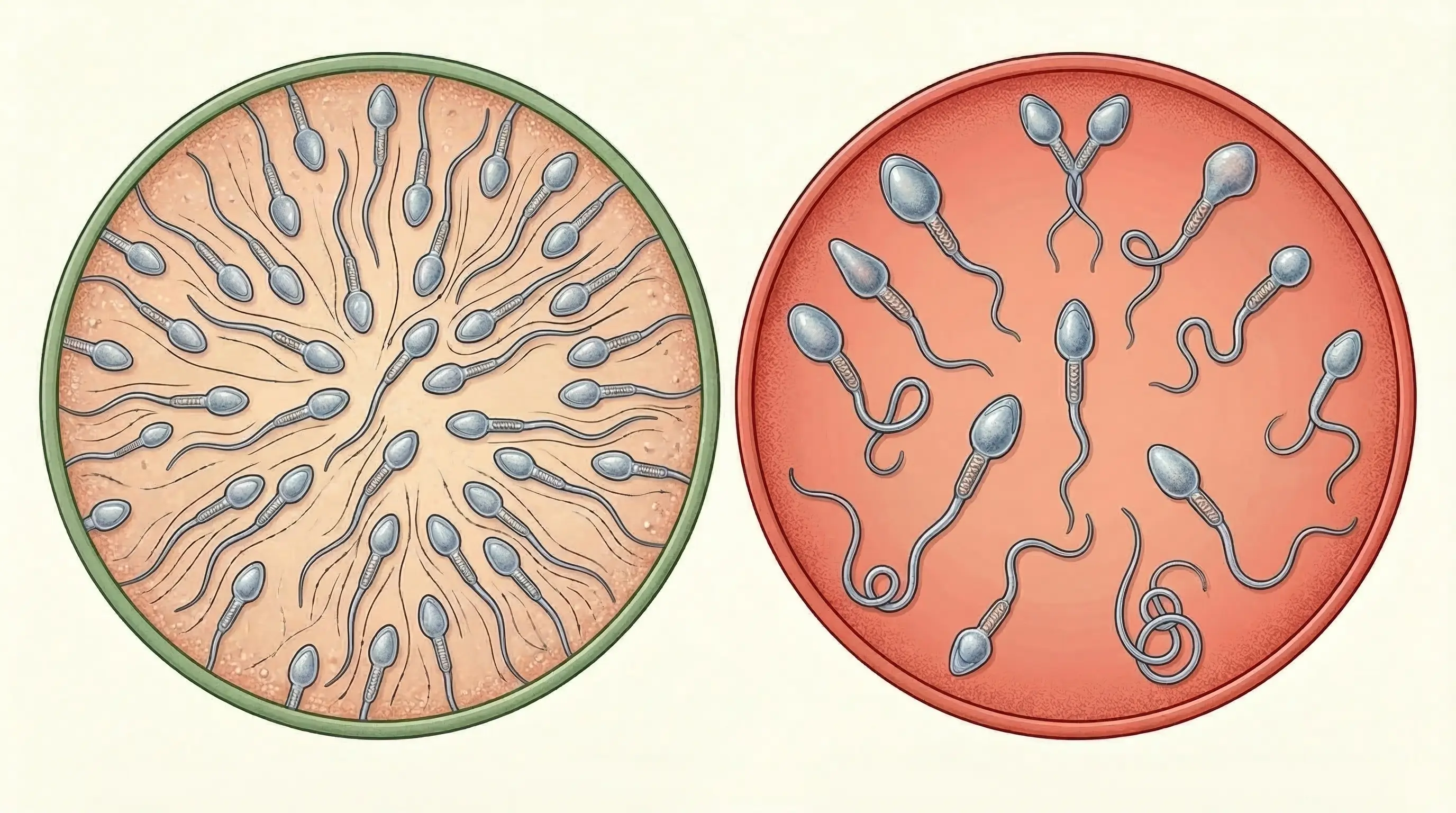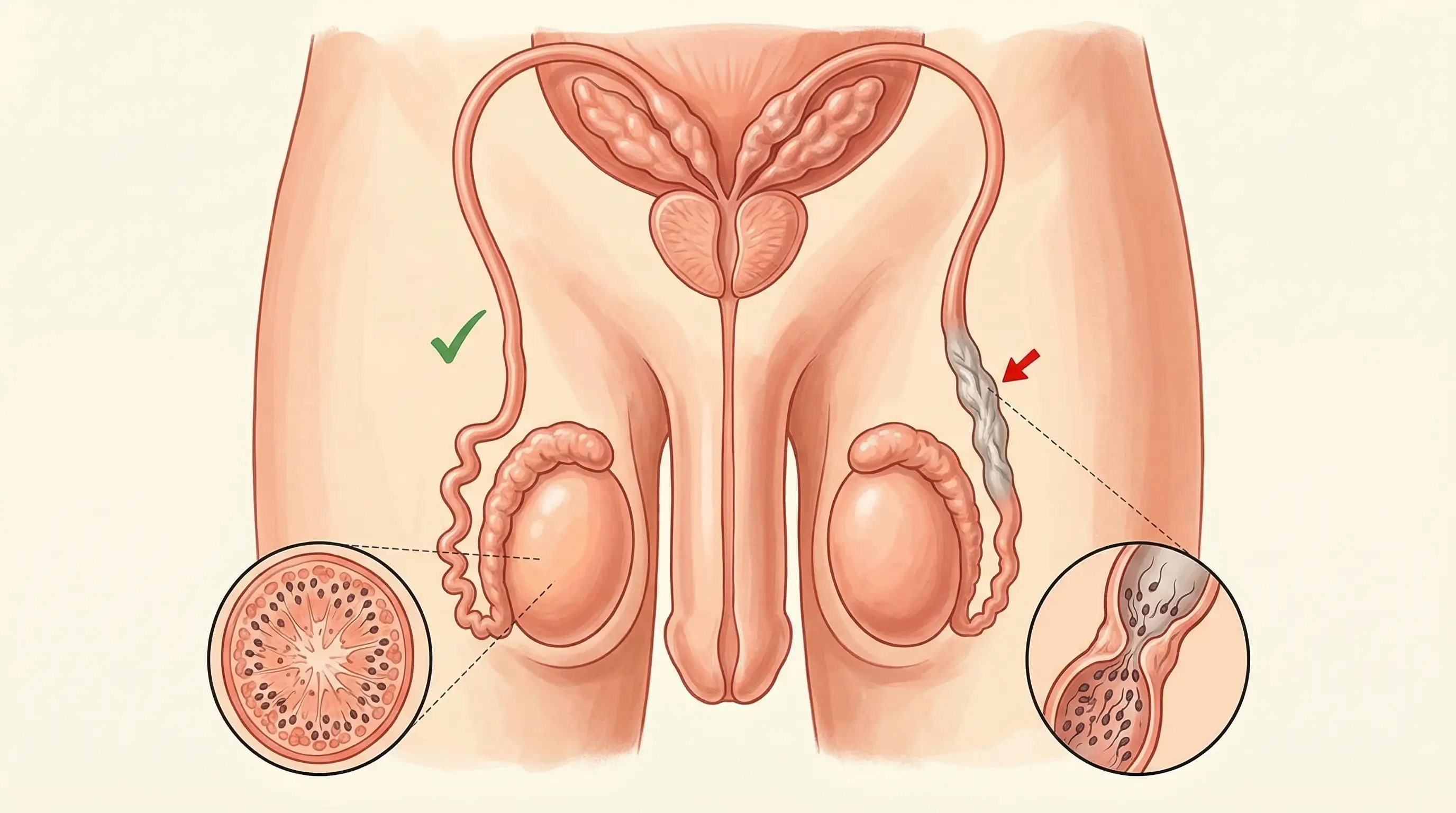




What Is Conception and How Does It Actually Happen?
Conception isn’t just about sperm meeting an egg. It’s a multi-step biological process that begins with ovulation — the release of a mature egg from the ovary — and ends, if everything aligns, with implantation of an embryo into the uterine wall.[^1][^2]
The ovarian cycle is driven by a hormonal chain reaction. The hypothalamus releases gonadotropin-releasing hormone (GnRH), which signals the pituitary gland to produce follicle-stimulating hormone (FSH) and luteinizing hormone (LH).[^1] FSH stimulates follicle development, while a sharp LH surge triggers the release of the dominant egg — an event that typically occurs around 14 days before the next menstrual period.[^1]
Once released, the egg is captured by the fimbriae of the fallopian tube, where it remains viable for approximately 12–24 hours.[^1][^2] Sperm, by contrast, can survive in the female reproductive tract for up to 5 days — which is why intercourse before ovulation can still lead to pregnancy.[^7]
But here’s what surprises most people: fertilization itself isn’t the hardest step. Implantation is one of the key limiting steps in human reproduction, alongside fertilization and embryo development.3 The fertilized egg (zygote) must travel to the uterus, develop to the blastocyst stage, and successfully attach to the endometrium during a narrow window — roughly 6–10 days after ovulation.[^2][^24] Even with perfectly timed intercourse, the probability of conception in any single cycle is only about 20–30%.[^4]
How Long Does It Normally Take to Get Pregnant?
This is often the first question couples ask — and the answer shifts depending on age, timing, and underlying health.
The American Society for Reproductive Medicine (ASRM) reports that approximately 60–80% of couples conceive within 6 months, depending on age and the population studied, with monthly fecundity rates being highest in the first 3 months of attempts.[^4] A 2021 study tracking women who used fertility-awareness methods found a median time to pregnancy of just 4 cycles among app users — a self-selected population — and women under 35 with regular cycles who timed intercourse well achieved a 6-cycle cumulative pregnancy rate of 88%.[^5]
So not conceiving in month one (or month three) is completely normal. The clinical definition of infertility — according to the ASRM’s 2023 committee opinion — is failure to achieve a clinical pregnancy after 12 months of regular, unprotected sexual intercourse.[^6] For women aged 35 or older, this threshold drops to 6 months.[^6]
Important:
Not conceiving within a few months doesn’t mean something is wrong. Monthly conception rates are highest in the first three cycles and decrease gradually from there — patience is part of the process.[^4]
What Is the Fertile Window and Why Does It Matter?
The fertile window is the span of days each cycle during which intercourse can result in pregnancy. A landmark study in the New England Journal of Medicine established that this window spans approximately 6 days — the 5 days before ovulation plus the day of ovulation itself.[^7]
Peak conception probability falls on the 2 days immediately before ovulation.[^7] After the egg is released, the window closes fast — the egg survives only about 12–24 hours, and intercourse on the day after ovulation rarely leads to conception.[^4][^7]
Many people assume this window always lands on days 10–17 of the cycle. A prospective BMJ study showed that’s true for only about 30% of women.[^8] Ovulation timing varies — sometimes substantially — even among women with regular cycles.[^8] Calendar counting alone is less reliable than methods that track biological markers of ovulation.
How Can You Identify Your Fertile Window?
Method | How It Works | Reliability |
Basal body temperature (BBT) | Temperature rises 0.2–0.5°C after ovulation. | Confirms ovulation after the fact — not predictive. |
Cervical mucus monitoring | Fertile mucus is clear, stretchy, and slippery (with an egg-white consistency). | Good real-time indicator when combined with other methods. |
Ovulation predictor kits (OPKs) | Detect the LH surge* in urine 24–36 hours before ovulation. | Most practical single method for timing intercourse. |
Fertility apps | Track cycle length and symptoms to estimate the time of ovulation. | Variable accuracy — algorithm quality matters. |
Source: ASRM Committee Opinion on Optimizing Natural Fertility (2022)[^4]
*Women with polycystic ovary syndrome (PCOS) may get false-positive readings due to elevated baseline LH levels — OPKs are less reliable in this group.
A 2023 Cochrane review examined the evidence for timed intercourse methods and found that while these approaches are widely used, the overall quality of evidence comparing different timing strategies remains low.[^25]
→ Learn more: Infertility
How Often Should You Have Sex When Trying to Conceive?
This question generates a surprising amount of confusion. Some couples abstain for days to “save up” sperm. Others worry that daily sex will somehow exhaust the supply. The evidence tells a different story.
The ASRM recommends intercourse every 1–2 days during the fertile window.[^4] Daily intercourse produces the highest per-cycle pregnancy rates, while every-other-day intercourse yields nearly equivalent results.[^4] There’s no evidence that daily ejaculation harms fertility — in fact, it may help.
A 2025 cross-sectional study found that shorter ejaculatory abstinence intervals were associated with better sperm motility and lower DNA fragmentation.[^9] Longer abstinence (more than 3–5 days) boosted semen volume and total count, but also increased the proportion of damaged, less motile sperm.[^9] In other words, “saving up” can actually backfire.
What if tracking ovulation feels stressful? A 12-month randomized trial found that advising couples to have sex every other day throughout the cycle versus specifically timing intercourse to the fertile window produced no significant difference in pregnancy rates.[^10] Depression and sexual dysfunction increased over time in both groups, regardless of strategy.[^10] Regular, untimed sex every other day is a perfectly valid approach for most couples without known fertility issues.
Key Insight:
Don’t “save up” sperm by abstaining for long periods. Frequent ejaculation during the fertile window improves sperm quality and doesn’t reduce your chances of conceiving.[^4][^9]
Do Lifestyle Factors Affect Your Chances of Conceiving?
Yes — and they affect both partners. The ASRM identifies several modifiable lifestyle factors that influence fertility.[^4]
Does Body Weight Matter?
Both overweight and underweight are associated with reduced fecundability (lower probability of conceiving per menstrual cycle) and increased risk of subfecundity (impaired fertility over time) in women.[^11] A 2024 systematic review and meta-analysis confirmed that deviations from a healthy body mass index (BMI) in either direction can impair conception.[^11] In men, obesity is associated with poorer semen parameters and hormonal changes that can reduce fertility.[^27]
What About Diet?
A 2023 systematic scoping review of 36 studies found that adherence to a Mediterranean-style diet — rich in fruits, vegetables, whole grains, fish, and olive oil — was generally associated with better fertility outcomes in women.[^12] The same pattern holds for men: a 2024 review confirmed that diets high in fruits, vegetables, fish, and nuts are associated with better semen quality, while diets high in processed meat, saturated fat, and sugar are linked to poorer parameters.[^13]
Smoking, Alcohol, and Caffeine
Smoking is one of the clearest threats to fertility for both sexes. A systematic review showed that maternal smoking increases the risk of first-trimester miscarriage and is associated with reduced fecundability.[^14] In men, decreases in sperm density and motility and abnormalities in sperm morphology have been observed in smokers, though the available data don’t conclusively demonstrate that smoking decreases male fertility.[^4]
The data on alcohol is more nuanced. Heavy intake — more than 6 drinks per week — during the luteal phase and ovulatory subphase was associated with reduced odds of conception in a 2021 study.[^16] Moderate intake (3–6 drinks per week) in the luteal phase was also linked to lower fecundability.[^16] A separate 2025 study found that preconception alcohol use in either partner was not associated with higher miscarriage risk.[^30] The safest approach? Minimize alcohol when actively trying to conceive.
Caffeine in high doses has been associated with increased risk of spontaneous abortion.[^15] The ASRM recommends keeping intake moderate — generally under 200–300 mg per day (roughly 2–3 cups of coffee) — when trying to conceive.[^4][^15]
Recreational Drugs and Cannabis
Evidence on cannabis and fertility is still evolving. Animal studies suggest that cannabinoids can alter spermatogenesis and ovarian function, while human data remains limited.[^26] The ASRM advises avoiding cannabis for both partners when trying to conceive.[^4]
For other recreational drugs, a scoping review found that paternal exposure was associated with small increases in the odds of certain congenital malformations and childhood cancers, though the human evidence is limited.[^31]
Can Supplements Help You Conceive?
The supplement market is enormous — and most of what’s sold has limited evidence behind it. Here’s what the research actually supports.
For women, a 2025 umbrella review analyzing multiple systematic reviews found that folic acid supplementation has the strongest evidence base — it’s recommended before and during early pregnancy to prevent neural tube defects and may support fertility.[^17] Vitamin D deficiency has been associated with poorer reproductive outcomes, and supplementation is reasonable when deficiency is confirmed by laboratory testing.[^17] The evidence for coenzyme Q10 (CoQ10) and inositol is growing but not yet definitive.[^4][^17] Dehydroepiandrosterone (DHEA) is sometimes discussed in this context, but it’s a prescription-only medication in many countries — not a standard over-the-counter supplement.[^4][^17]
For men, a 2024 review found that antioxidant supplementation — including vitamins C and E, selenium, zinc, L-carnitine, and CoQ10 — is associated with improvements in semen parameters such as concentration, motility, and morphology.[^18] The ASRM notes that while some evidence supports antioxidant use in men with documented oxidative stress or poor semen quality, the data isn’t strong enough to recommend universal supplementation.[^4]
Important:
Supplements are not a substitute for a healthy diet and lifestyle. Start with the basics — balanced nutrition, a healthy weight, no smoking — before adding pills.[^4]
Does Age Affect Your Ability to Conceive?
Age is the single most significant non-modifiable factor in female fertility. After age 30, fecundability begins to decline — and the decline accelerates after 35.[^4] A 2017 cohort study found that compared to women aged 25–27, the fecundability ratio dropped to 0.82 for women aged 33–34 (roughly 18% lower conception probability) and 0.59 for women aged 38–39 (roughly 41% lower).[^19]
For men, the decline is more gradual but still real. A 2025 prospective cohort study showed that increasing male age was independently associated with longer time to pregnancy and higher miscarriage risk — even after adjusting for female age.[^20]
The ASRM recommends that women under 35 seek evaluation after 12 months of unsuccessful attempts, and women 35 and older seek evaluation after just 6 months.[^6] For men, the guidelines don’t specify an age cutoff, but semen analysis is recommended as part of any infertility workup.[^23]
→ Learn more: Does Age Affect Male Fertility?
Can Stress Affect Fertility?
The relationship between stress and fertility is real — but complicated. A 2018 review in Dialogues in Clinical Neuroscience noted that infertility causes significant psychological stress, and that stress may in turn affect fertility, but the direction of causation is not clear.[^21]
What is clear: the psychological burden of infertility is substantial. A 2024 global review covering a decade of research confirmed that depression and anxiety are significantly more prevalent among individuals experiencing infertility.[^28] And a 2023 systematic review and meta-analysis found that psychological interventions — including cognitive behavioral therapy and mindfulness — significantly improve anxiety, depression, and well-being in people with infertility.[^22] Some studies also suggest these interventions may modestly improve pregnancy rates, though the evidence is mixed.[^22]
The practical takeaway? Stress management won’t guarantee pregnancy, but it can improve your quality of life while you’re trying — and that matters.
→ Learn more: Male Infertility
When Should You See a Fertility Specialist?
Not every couple needs medical help — but some should seek it earlier than they think. The ASRM and the American Academy of Family Physicians recommend the following timelines:[^6][^29]
Under 35: Seek evaluation after 12 months of regular, unprotected intercourse without pregnancy.
35 and older: Seek evaluation after 6 months.
Known risk factors: Seek evaluation immediately if either partner has a known condition — irregular or absent periods, prior pelvic surgery, known endometriosis, a history of cancer treatment, or a prior diagnosis of low sperm count.[^23][^29]
A 2021 review in the Journal of the American Medical Association (JAMA) emphasized that both partners should be evaluated simultaneously — male factor infertility accounts for approximately 20–30% of cases, and combined male and female factors account for another 30–40%.[^23]
Important:
Seeking help isn’t giving up — it’s getting a diagnosis. The timelines above aren’t deadlines, and earlier evaluation is always reasonable if something feels off.
So, What Should You Do Now?
If you’re trying to conceive — or about to start — here’s a practical plan based on the evidence above.
Step 1: Learn Your Fertile Window
Use ovulation predictor kits, cervical mucus monitoring, or a combination of methods to identify your most fertile days. Don’t rely solely on calendar counting — ovulation timing varies more than most people think.[^4][^8]
Step 2: Have Regular Sex During the Fertile Window
Aim for intercourse every 1–2 days during the fertile window.[^4] If tracking feels stressful, having sex every other day throughout your cycle works nearly as well.[^10]
Step 3: Optimize Your Lifestyle — Both Partners
Eat a balanced, Mediterranean-style diet. Maintain a healthy weight. Stop smoking. Limit alcohol and caffeine. Consider evidence-based supplements — especially folic acid for women and antioxidants for men.[^4][^12][^13][^18]
Step 4: Don’t Wait Too Long to Seek Help
If you’re under 35 and haven’t conceived after 12 months, or over 35 and haven’t conceived after 6 months, schedule an evaluation. If you have known risk factors, don’t wait at all.[^6][^23]
Step 5: Choose the Right Clinic
If you need specialist care, research fertility clinics carefully. Compare success rates, available treatments, and patient reviews before committing to a provider.
→ Compare fertility clinics worldwide: MedicalNavigator.com/fertility-clinics
Too Long, Didn’t Read
The probability of conceiving in any single cycle is about 20–30%, even with perfect timing.
About 60–80% of couples conceive within 6 months, depending on age and population.
The fertile window spans 6 days, with peak fertility in the 2 days before ovulation.
Have sex every 1–2 days during the fertile window — don’t “save up” sperm.
Diet, weight, smoking, and alcohol all affect fertility in both partners.
Seek a specialist after 12 months (or 6 months if over 35) without pregnancy.
References
[^1]: Holesh JE, Bass AN, Lord M. Physiology, Ovulation. [Updated 2023 May 1]. In: StatPearls [Internet]. Treasure Island (FL): StatPearls Publishing; 2023.
[^2]: Oliver R, Basit H. Embryology, Fertilization. [Updated 2023 Apr 17]. In: StatPearls [Internet]. Treasure Island (FL): StatPearls Publishing; 2026 Jan-.
[^3]: Muter J, Lynch VJ, McCoy RC, Brosens JJ. Human embryo implantation. Development. 2023;150(10):dev201507.
[^4]: Practice Committee of ASRM and SREI. Optimizing natural fertility: a committee opinion. Fertil Steril. 2022;117(1):53–63.
[^5]: Favaro C, Pearson JT, Rowland SP, et al. Time to pregnancy for women using a fertility awareness based mobile application to plan a pregnancy. J Women’s Health. 2021;30(12):1738–1748.
[^6]: Practice Committee of ASRM. Definition of infertility: a committee opinion. Fertil Steril. 2023;120(6):1170–1173.
[^7]: Wilcox AJ, Weinberg CR, Baird DD. Timing of sexual intercourse in relation to ovulation: effects on the probability of conception, survival of the pregnancy, and sex of the baby. N Engl J Med. 1995;333(23):1517–1521.
[^8]: Wilcox AJ, Dunson DB, Baird DD. The timing of the fertile window in the menstrual cycle: day specific estimates from a prospective study. BMJ. 2000;321(7271):1259–1262.
[^9]: Xi J, Wei Y, Zhang Z, Wu X, Sun Y, Li X. Impact of ejaculation frequency on semen parameters and DNA fragmentation: a cross-sectional study. Reprod Biol Endocrinol. 2025;23(1):100.
[^10]: Martins MV, Fernandes J, Pedro J, et al. Effects of trying to conceive using an every-other-day strategy versus fertile window monitoring on stress: a 12-month randomized controlled trial. Hum Reprod. 2022;37(12):2845–2855.
[^11]: Zhou J, Zhang Y, Teng Y, et al. Association between preconception body mass index and fertility in adult female: a systematic review and meta-analysis. Obes Rev. 2024;25(10):e13804.
[^12]: Alesi S, Habibi N, Silva TR, et al. Assessing the influence of preconception diet on female fertility: a systematic scoping review of observational studies. Hum Reprod Update. 2023;29(6):811–828.
[^13]: Tully CA, Alesi S, McPherson NO, et al. Assessing the influence of preconception diet on male fertility: a systematic scoping review. Hum Reprod Update. 2024;30(3):243–261.
[^14]: Oostingh EC, Hall J, Koster MPH, et al. The impact of maternal lifestyle factors on periconception outcomes: a systematic review of observational studies. Reprod Biomed Online. 2019;38(1):77–94.
[^15]: Lyngsø J, Ramlau-Hansen CH, Bay B, et al. Association between coffee or caffeine consumption and fecundity and fertility: a systematic review and dose–response meta-analysis. Clin Epidemiol. 2017;9:699–719.
[^16]: Anwar MY, Marcus M, Taylor KC. The association between alcohol intake and fecundability during menstrual cycle phases. Hum Reprod. 2021;36(9):2538–2548.
[^17]: Hamdi N, Alesi S, Moran LJ, et al. The role of nutrient supplements in female infertility: an umbrella review and hierarchical evidence synthesis. Nutrients. 2025;17(1):57.
[^18]: Ghewade P, Vagha S, Ghewade B, Gadkari P. Role of dietary antioxidant supplements in male infertility: a review. Cureus. 2024;16(6):e61951.
[^19]: Wesselink AK, Rothman KJ, Hatch EE, et al. Age and fecundability in a North American preconception cohort study. Am J Obstet Gynecol. 2017;217(6):667.e1–667.e8.
[^20]: Nijholt W, Luinenburg MJ, Weiler I, et al. Age among women and men, time to pregnancy and risk of miscarriage. Hum Reprod Open. 2025;2025(3):hoaf029.
[^21]: Rooney KL, Domar AD. The relationship between stress and infertility. Dialogues Clin Neurosci. 2018;20(1):41–47.
[^22]: Dube L, Bright K, Hayden KA, Gordon JL. Efficacy of psychological interventions for mental health and pregnancy rates among individuals with infertility: a systematic review and meta-analysis. Hum Reprod Update. 2023;29(1):71–94.
[^23]: Carson SA, Kallen AN. Diagnosis and management of infertility: a review. JAMA. 2021;326(1):65–76.
[^24]: Benagiano G, Mancuso S, Gianaroli L, Di Renzo GC. Events leading to the establishment of pregnancy and placental formation: the need to fine-tune the nomenclature on pregnancy and gestation. Int J Mol Sci. 2023;24(20):15386.
[^25]: Gibbons T, Reavey J, Georgiou EX, Becker CM. Timed intercourse for couples trying to conceive. Cochrane Database Syst Rev. 2023;9(9):CD011345.
[^26]: Lo JO, Hedges JC, Girardi G. Impact of cannabinoids on pregnancy, reproductive health, and offspring outcomes. Am J Obstet Gynecol. 2022;227(4):571–581.
[^27]: Lim S, Harrison C, Callander E, et al. Addressing obesity in preconception, pregnancy, and postpartum: a review of the literature. Curr Obes Rep. 2022;11(4):405–414.
[^28]: Braverman A, Davoudian T, Levin I, et al. Depression, anxiety, quality of life, and infertility: a global lens on the last decade of research. Fertil Steril. 2024;121:379–383.
[^29]: Collins GG, Rossi BV. Infertility: evaluation and management. Am Fam Physician. 2023;107(6):623–630.
[^30]: Eisenberg ML, Scott M, Seranio N, et al. Preconception alcohol consumption in both partners and risk of miscarriage. Reprod Biomed Online. 2025;51(2):104698.
[^31]: Verstegen RHJ, Wang G, Langenberg-Ververgaert KPS, et al. Paternal exposure to recreational drugs before conception and its effect on live-born offspring: a scoping review. Birth Defects Res. 2020;112(13):970–988.
This guide is for informational purposes only. Always consult qualified healthcare providers for personalized recommendations. For full details, read our Medical Disclaimer.

Author of the article
Date of publication