


What Is Reproductive Surgery?
Surgery, broadly defined, is the branch of medicine concerned with the treatment of injuries, diseases, and other disorders by manual and instrumental means.[^4] In the context of fertility, reproductive surgery refers to surgical procedures performed on male or female reproductive organs with the primary aim of improving or restoring fertility, and in some cases alleviating associated symptoms.[^2]
Reproductive surgery encompasses a wide array of procedures — from the removal of uterine fibroids and endometriosis lesions, to the correction of varicoceles in men, to the delicate extraction of sperm directly from the testicle. These procedures demand the utmost technical expertise and a thorough understanding of anatomy, ovarian reserve, tubal function, and the integrity of uterine or testicular tissue.[^2][^5]
The World Health Organization (WHO) has underscored that safe surgical care is a critical component of health systems worldwide, and its Safe Surgery Saves Lives initiative defines core safety standards applicable across all member states.[^1]
How Do Surgical Solutions Fit into Fertility Treatments?
Surgery is often not the first step in fertility care, although it may be indicated early in specific conditions. Most treatment pathways begin with diagnosis and, where appropriate, lifestyle changes or medication. However, when structural problems are identified — a blocked tube, a varicocele, uterine polyps, or endometriosis — surgery can address underlying anatomical or structural abnormalities rather than working around them.[^2][^6]
In some cases, surgery is performed before assisted reproductive technology (ART) to improve its chances of success. For instance, removing a hydrosalpinx (a fluid-filled, blocked fallopian tube) before in vitro fertilization (IVF) has been shown to significantly increase ongoing pregnancy rates compared to proceeding directly to IVF.[^7] In other situations, surgery is an alternative to ART — a well-executed laparoscopic procedure for mild endometriosis may improve the likelihood of natural conception in selected cases without requiring IVF at all.[^8]
The decision between surgery, ART, or a combination of both is a shared one between patient, partner, and clinician. Factors such as the patient’s age, ovarian reserve, the severity and type of pathology, previous treatments, and personal preferences all play a role.[^2][^9]
→ Learn more: Infertility
Male Fertility Surgeries
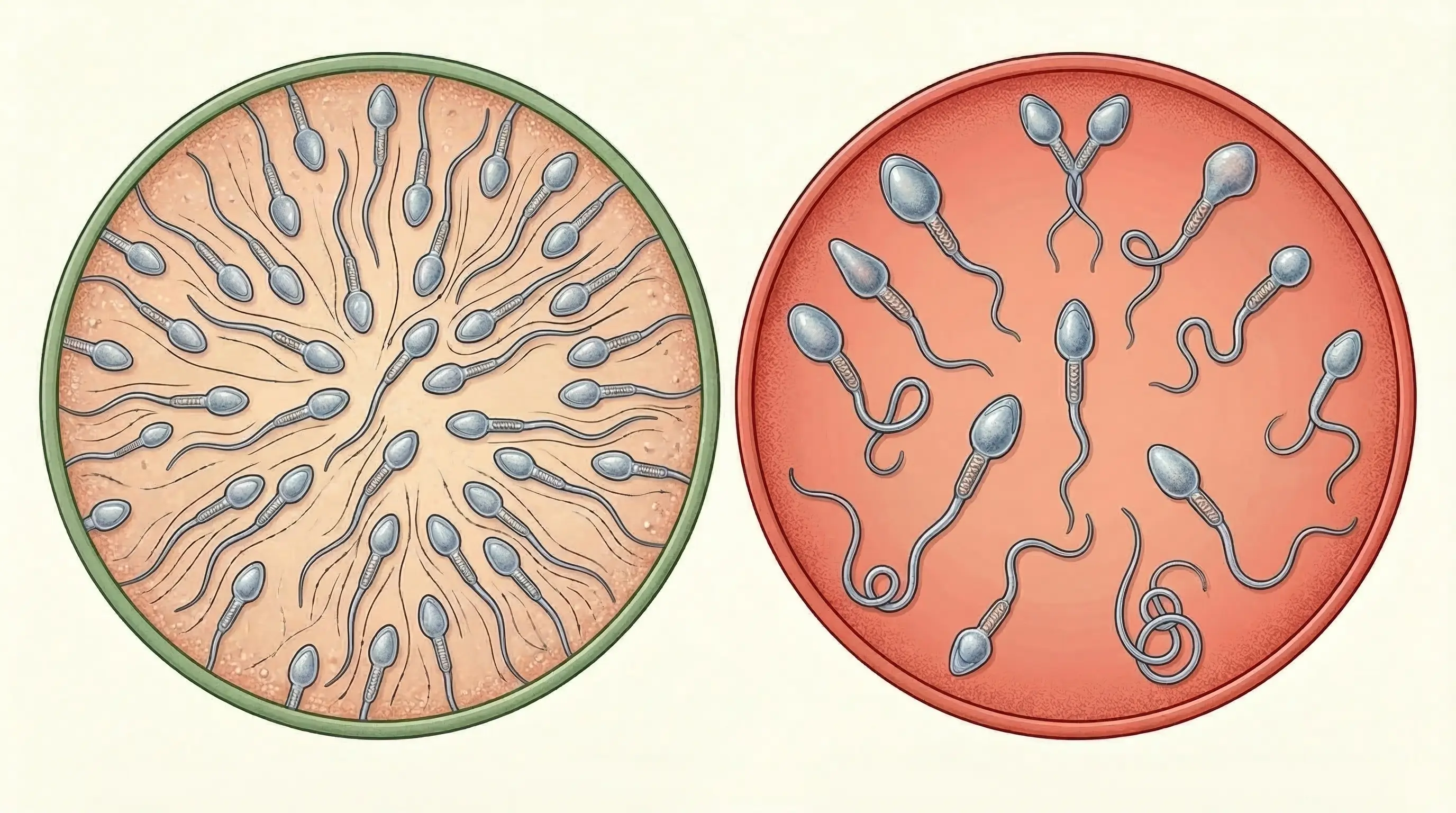
A contributing male factor is responsible for up to 50% of couples with infertility, yet men are frequently under-evaluated in clinical practice.[^10] Surgical intervention in the male partner can range from correcting dilated veins around the testicle to harvesting sperm directly from the reproductive tract when no sperm appear in the ejaculate.
→ Learn more: Male Infertility
What Is a Varicocelectomy?
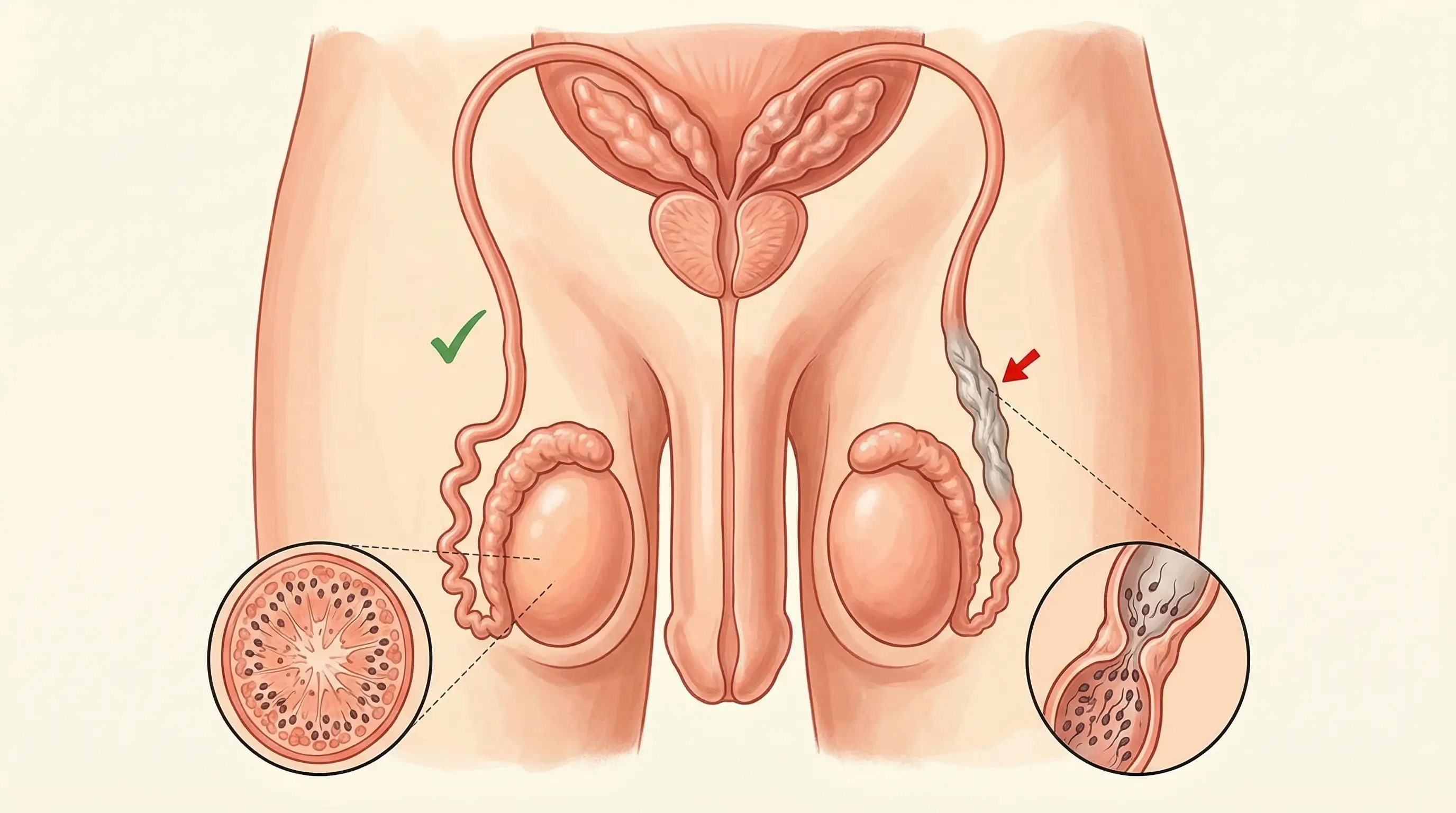
A varicocele is a dilation of veins in the scrotum (the pampiniform plexus). Varicoceles are present in approximately 15% of all men and up to 40% of men evaluated for primary infertility; in men with secondary infertility, the incidence may reach 75–81%.[^11] The condition is thought to impair spermatogenesis through mechanisms such as increased scrotal temperature, oxidative stress, and reflux of toxic metabolites.[^10][^11]
When Is Varicocelectomy Indicated?
Guidelines recommend surgery when the male has a clinical (palpable) varicocele, abnormal semen parameters, and otherwise unexplained infertility, while the female partner has adequate ovarian reserve.[^10] Correction of subclinical (non-palpable) varicoceles has not been shown to significantly improve spontaneous pregnancy rates.[^10]
What Are the Outcomes?
A systematic review and meta-analysis of 31 studies found that varicocele correction is associated with a significantly higher pregnancy rate (OR = 1.82; 95% CI: 1.37–2.41; P < 0.0001) — meaning men who underwent surgery were nearly twice as likely to achieve pregnancy. The same analysis reported a higher live birth rate (OR = 2.80; 95% CI: 1.67–4.72; P = 0.0001) compared to no treatment.[^12]
In a separate study, laparoscopic varicocelectomy normalised semen parameters according to WHO reference values in 32% of patients with oligoasthenoteratozoospermia (OAT), with significant improvements in total sperm count (P < 0.005), sperm density (P < 0.005), and total motile sperm count (P < 0.005).[^11]
What Are the Risks and Limitations?
The most common complications include recurrence, hydrocele formation, and — rarely — testicular atrophy. Microsurgical (sub-inguinal) varicocelectomy carries the lowest recurrence rate (approximately 0.4%) and complication rates compared with laparoscopic or open approaches.[^10]
Varicocelectomy Techniques at a Glance
Technique | Recurrence (%) | Key Advantage | Key Disadvantage |
Microsurgical | Approximately 0.4%. | Lowest complication rate. | Requires microsurgical training. |
Laparoscopic | 3–6%. | Good visualisation. | Higher hydrocele rates (7–43%). |
Open retroperitoneal | 15–29%. | Simple technique. | Highest recurrence. |
Embolisation | 3–11%. | No incision. | Technical failure 7–27%. |
Source: Chan VA, et al. Aust J Gen Pract (2023)[^10]
What Are Sperm Retrieval Procedures?
When no sperm are present in the ejaculate (azoospermia), surgical retrieval is often the only path to biological fatherhood. The choice of technique depends on whether the azoospermia is obstructive (a blockage prevents sperm from reaching the ejaculate) or non-obstructive (impaired sperm production within the testis).[^13][^14]
For Non-Obstructive Azoospermia (NOA)
NOA accounts for approximately 60% of azoospermia cases and represents one of the most challenging forms of male infertility.[^15] Despite this, roughly 50% of affected men have residual sperm production within the seminiferous tubules, which can be retrieved and used for ICSI.[^13]
Micro-TESE (Microdissection Testicular Sperm Extraction) is considered the gold standard for sperm retrieval in NOA. Under an operating microscope at 16–25× magnification, the surgeon identifies dilated seminiferous tubules that are more likely to contain sperm, excises them, and immediately transfers the tissue to the laboratory. There, embryologists process it under a microscope using mechanical and/or enzymatic techniques to dissect the seminiferous tubules and isolate viable sperm for use in assisted reproductive procedures such as intracytoplasmic sperm injection (ICSI).[^13]
AUA/ASRM guidelines recommend mTESE over conventional TESE based on evidence showing it is 1.5 times more likely to successfully retrieve sperm (pooled SRR: 52% for mTESE vs. 35% for cTESE across 1,254 patients).[^13] mTESE is also associated with a lower complication rate (1.3% vs. 3.0%) and less testicular tissue damage.[^13]
A study of 463 men with NOA reported a micro-TESE sperm retrieval success rate of 38%, with clinical pregnancy achieved in 22.3% and live birth in 10.7% of men who proceeded to ICSI.[^15]
For Obstructive Azoospermia (OA)
When spermatogenesis is normal, but a blockage prevents delivery, several options exist:
MESA (Microscopic Epididymal Sperm Aspiration) involves puncturing epididymal tubules under an operating microscope to collect mature, motile sperm. In a study of 108 OA patients, motile sperm were recovered in 100% of cases. After ICSI, the fertilisation rate was 76.2%, the clinical pregnancy rate per transfer cycle was 41.0%, and the per-patient live birth rate was 84.8%.[^16] Keep in mind that results vary across clinics, depending on the patient’s age, fertility factors, and surgical expertise.
PESA (Percutaneous Epididymal Sperm Aspiration) is a simpler needle-based approach performed under local anaesthesia. It does not require microsurgical skill but yields fewer sperm and carries a higher risk of vessel injury.[^10]
Sperm Retrieval Techniques at a Glance
Technique | Best For | Sperm Retrieval Rate | Anaesthesia | Key Consideration |
Micro-TESE | NOA | 42–63% | General | Gold standard for NOA; requires microsurgical training. |
Conventional TESE | NOA / OA | 16.7–45% | General | Wider availability; higher tissue damage vs. micro-TESE. |
MESA | OA | Approx. 90–100% | General / Local | Large sperm yield; allows cryopreservation for future ICSI. |
PESA | OA | Approx. 80% | Local | Simple; lower sperm yield; blind technique. |
TESA (Testicular Sperm Aspiration) | OA / selected NOA | 10–23% (NOA) | Local / General | Lowest yield; last resort for NOA. |
Sources: Esteves SC. Int Braz J Urol (2022)[^13]
Female Fertility Surgeries
Female reproductive surgery targets structural obstacles that prevent the egg and sperm from meeting or an embryo from implanting. The three most commonly performed procedures in fertility care are laparoscopy, hysteroscopy, and salpingectomy.[^2][^6]
→ Learn more: Female Infertility
What Is Laparoscopy?
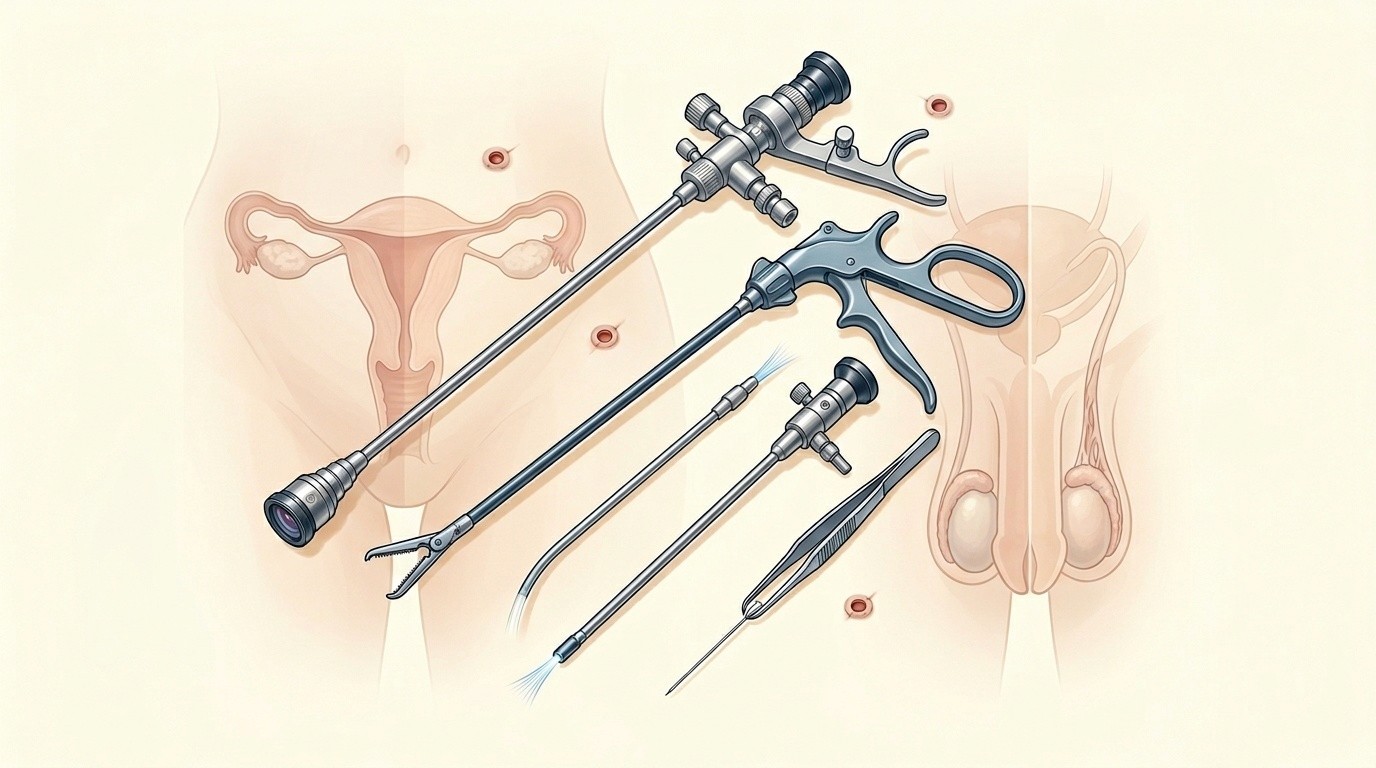
Laparoscopy is a minimally invasive surgical procedure in which a thin, camera-equipped instrument (laparoscope) is inserted through small abdominal incisions into the abdominal cavity, allowing visualisation and surgical manipulation of internal organs. It is used to diagnose and treat endometriosis, pelvic adhesions, ovarian cysts, and tubal disease. It remains the gold standard for diagnosing endometriosis when clinically indicated and surgical confirmation is required.[^2][^6]
How Does Laparoscopy Help with Endometriosis-Related Infertility?
In women with minimal/mild endometriosis, laparoscopic destruction of lesions has been shown to increase spontaneous pregnancy rates compared with diagnostic laparoscopy alone.[^8] However, for more advanced disease, the decision between surgery and proceeding directly to IVF depends on the individual clinical picture. A multicentre randomised controlled trial (SVIDOE) has been designed to compare surgical outcomes versus IVF in women with infertility associated with ovarian and deep endometriosis, with clinical pregnancy rate as the primary endpoint. As of the most recent publication, the trial protocol has been registered and published, but results have not yet been reported.[^17]
What Are the Risks and Considerations?
Laparoscopic ovarian surgery (for example, endometrioma excision) carries a risk of diminishing ovarian reserve. Surgeons must balance the benefits of complete lesion removal against the potential impact on ovarian function and future fertility, particularly in patients desiring pregnancy.[^2]
What Is Hysteroscopy?
Hysteroscopy allows direct visualisation of the uterine cavity using a hysteroscope — a camera-equipped instrument inserted through the cervix. It is used to diagnose and treat intrauterine pathologies such as polyps, submucosal fibroids, adhesions, and uterine septa that may impair embryo implantation or cause abnormal bleeding.[^2]
What Is the Impact on IVF Outcomes?
A study of women with unexplained infertility found that hysteroscopic polypectomy before IVF was associated with improved implantation and clinical pregnancy rates, suggesting that removing even small intrauterine lesions can meaningfully enhance reproductive outcomes.[^18]
What Is Salpingectomy?
Salpingectomy — the surgical removal of one or both fallopian tubes — is most commonly performed in fertility medicine when a hydrosalpinx (a blocked, fluid-filled tube) is present. The fluid that leaks from a hydrosalpinx into the uterine cavity may have harmful effects on embryos and endometrial receptivity, significantly decreasing IVF success.[^7][^9]
What Is the Evidence for Pre-IVF Salpingectomy?
A network meta-analysis of 9 randomized controlled trials (RCTs) found that salpingectomy significantly increased the rate of ongoing pregnancy compared with no treatment (OR = 4.35; 95% CI: 1.70–11.14).[^7] Laparoscopic proximal tubal occlusion (LTO) showed a comparable benefit for clinical pregnancy rates.[^7] The ASRM committee opinion states that surgical treatment should be considered in most cases, unless contraindicated, for women with hydrosalpinges prior to IVF.[^9]
What About Ovarian Reserve Concerns?
A common concern is whether salpingectomy may compromise ovarian blood supply and thus ovarian reserve. Evidence is mixed: one study found no significant difference in ovarian reserve after unilateral versus bilateral salpingectomy, though individual outcomes may vary with surgical approach and baseline ovarian reserve.[^19]
Living with Surgical Infertility Treatment
Infertility is more than a medical diagnosis — it affects all aspects of life, including mental health. A person undergoing fertility treatment may experience prolonged stress, anxiety, depression, feelings of guilt, and a sense of emptiness.[^20]
When surgery enters the picture, the psychological burden can intensify. Couples face decisional conflict — the uncertainty of choosing between surgery, ART, or both — which has been quantified and shown to be a significant source of distress, particularly when the decision involves three parties: the clinician, the patient, and the partner.[^21][^22]
Does Psychology Affect Surgical Outcomes?
Remarkably, yes. A systematic review found that psychological interventions (such as cognitive-behavioural therapy, mindfulness, and relaxation techniques) are associated with improved perioperative outcomes by positively modulating the body’s metabolic stress response to surgery. Patients who received psychological support before surgery showed reductions in cortisol levels, reducing anxiety and pain.[^24]
Psychological aspects of infertility — including depression, sleep disturbances, and relationship strain — have been extensively reviewed, with evidence suggesting that delivering psychological support through clinical specialists may enhance the results of IVF and ART.[^20][^23]
Important:
If you are considering or preparing for fertility surgery, do not overlook your mental health. Ask your treatment team about counselling, support groups, or psychological preparation programmes — they may improve not only your well-being but also your surgical and reproductive outcomes.
→ Compare fertility clinics worldwide: MedicalNavigator.com/fertility-clinics
Too Long, Didn’t Read
Reproductive surgery addresses structural causes of infertility and can improve natural conception or optimise IVF outcomes.
Varicocelectomy improves semen parameters and significantly increases pregnancy rates in men with clinical varicoceles.
Micro-TESE is the gold standard for sperm retrieval in non-obstructive azoospermia, with retrieval rates of approximately 50%.
Salpingectomy for hydrosalpinx before IVF significantly improves ongoing pregnancy rates.
Laparoscopy and hysteroscopy can treat structural obstacles to implantation in women.
Psychological support before and during surgical treatment is associated with improved well-being and clinical outcomes.
References
[^1]: World Health Organization. Safe Surgery. WHO Patient Safety Programme.
[^2]: Urman B, Ata B, Gomel V. Reproductive surgery remains an essential element of reproductive medicine. Facts Views Vis ObGyn. 2024;16(2):145–162.
[^3]: Bortoletto P, Romanski PA, Petrozza JC, Pfeifer SM. Reproductive surgery: revisiting its origins and role in the modern management of fertility. Fertil Steril. 2023.
[^4]: Encyclopaedia Britannica. Surgery. Britannica, 2026.
[^5]: American Medical Association. Definition of Surgery (H-475.983). AMA Policy.
[^6]: Bosteels J, Weyers S, Mathieu C, Mol BW, D’Hooghe T. The effectiveness of reproductive surgery in the treatment of female infertility. Facts Views Vis ObGyn. 2010;2(4):232–252.
[^7]: Pérez-Milán F, Caballero-Campo M, Carrera-Roig M, et al. Hydrosalpinx treatment before in-vitro fertilization: systematic review and network meta-analysis. Ultrasound Obstet Gynecol. 2025;65(4):414–426.
[^8]: Grigoriadis G, Roman H, Gkrozou F, Daniilidis A. The impact of laparoscopic surgery on fertility outcomes in patients with minimal/mild endometriosis. J Clin Med. 2024;13(16):4817.
[^9]: Practice Committee of ASRM. Role of tubal surgery in the era of assisted reproductive technology: a committee opinion. Fertil Steril. 2021;115(5):1143–1150.
[^10]: Chan VA, Duns GC, Katz DJ. Surgical management of male infertility: An overview. Aust J Gen Pract. 2023;52(1-2):24–31.
[^11]: Seiler F, Kneissl P, Hamann C, Jünemann KP, Osmonov D. Laparoscopic varicocelectomy in male infertility: Improvement of seminal parameters and effects on spermatogenesis. Wien Klin Wochenschr. 2022;134(1-2):51–55.
[^12]: Birowo P, Tendi W, Widyahening IS, Atmoko W, Rasyid N. The benefits of varicocele repair for achieving pregnancy in male infertility: A systematic review and meta-analysis. Heliyon. 2020;6(11):e05439.
[^13]: Esteves SC. Microdissection TESE versus conventional TESE for men with nonobstructive azoospermia. Int Braz J Urol. 2022;48(3):569–578.
[^14]: AUA/ASRM. Diagnosis and Treatment of Infertility in Men: AUA/ASRM Guideline Part II. J Urol. 2021;205:44–51.
[^15]: Vahidi S, Horoki AZ, Talkhooncheh MH, et al. Success rate and ART outcome of microsurgical sperm extraction in non-obstructive azoospermia. Int J Reprod Biomed. 2021;19(9):781–788.
[^16]: Hibi H, Sonohara M, Sugie M, Fukunaga N, Asada Y. Microscopic epididymal sperm aspiration (MESA) should be employed over TESE for obstructive azoospermia. Cureus. 2023;15(6):e40659.
[^17]: Ottolina J, Vignali M, Papaleo E, et al. Surgery versus IVF for the treatment of infertility associated to ovarian and deep endometriosis (SVIDOE). PLoS One. 2022;17(8):e0271173.
[^18]: Triantafyllidou O, Korompokis I, Chasiakou S, et al. Impact of hysteroscopic polypectomy on IVF outcomes in women with unexplained infertility. J Clin Med. 2024;13(16):4755.
[^19]: Behery MA, Ali EA, Esmail K. Impact of unilateral and bilateral salpingectomy on ovarian reserve. JBRA Assist Reprod. 2025;29(3):452–456.
[^20]: Sharma A, Shrivastava D. Psychological problems related to infertility. Cureus. 2022;14(10):e30320.
[^21]: Anguzu R, Cusatis R, Fergestrom N, et al. Decisional conflict among couples seeking specialty treatment for infertility. Hum Reprod. 2020;35(3):573–582.
[^22]: Chan CHY, Lau BHP, Tam MYJ, Ng EHY. Preferred problem solving and decision-making role in fertility treatment among women following an unsuccessful IVF cycle. BMC Women’s Health. 2019;19(1):153.
[^23]: Szkodziak F, Krzyżanowski J, Szkodziak P. Psychological aspects of infertility: A systematic review. J Int Med Res. 2020;48(6):300060520932403.
[^24]: Lanini I, Amass T, Calabrisotto CS, et al. The influence of psychological interventions on surgical outcomes: a systematic review. J Anesth Analg Crit Care. 2022;2:31.
This guide is for informational purposes only. Always consult qualified healthcare providers for personalized recommendations. For full details, read our Medical Disclaimer.
Author of the article
Date of publication