


What Is IVF and How Does It Work?
In vitro fertilization (IVF) is the most widely used form of assisted reproductive technology (ART). The term “in vitro” literally means “outside a living organism” — oocytes (eggs) are fertilized with sperm in a laboratory dish rather than inside the body.[^2] The first live birth from IVF was reported in July 1978 in England by Robert Edwards, Ph.D., and Patrick Steptoe, MD — a breakthrough that earned Dr. Edwards the Nobel Prize in Medicine in 2010.[^2]
Originally developed to bypass irreparable tubal disease, IVF is now applied to many infertility causes, including endometriosis, male factor infertility, and unexplained infertility.[^2][^3] Women who cannot use their own eggs due to primary ovarian insufficiency or age-related decline can become pregnant using donor oocytes through IVF.[^2]
The Basic Steps of IVF
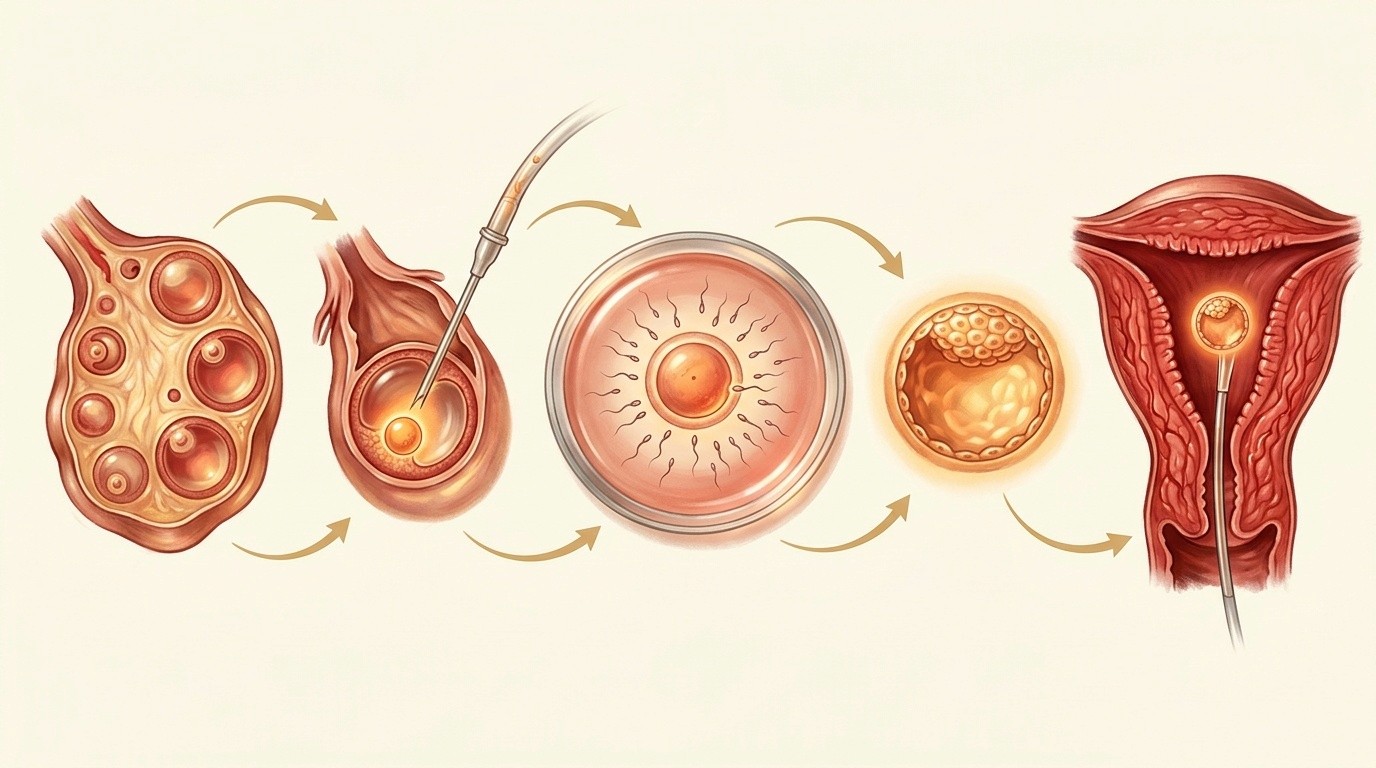
Although every clinic may vary slightly, the core laboratory steps of IVF are consistent worldwide:[^3][^4]
Ovarian stimulation: Hormonal medications stimulate the ovaries to produce multiple mature eggs instead of the single egg released in a natural cycle.[^2][^6]
Egg retrieval (oocyte pick-up): Mature oocytes are collected 34–36 hours after a trigger injection using ultrasound-guided transvaginal aspiration under sedation.[^2]
Fertilization: Retrieved eggs are combined with processed sperm in the laboratory. Approximately 50,000–100,000 sperm are incubated with each oocyte for 12–18 hours.[^2][^4] If sperm quality is poor, intracytoplasmic sperm injection (ICSI) may be used instead. Today, ICSI accounts for approximately two-thirds of all fresh ART cycles worldwide — and in some regions, that figure exceeds 80%.[^4][^15]
Embryo culture: Fertilized embryos develop in tightly controlled incubators — pH, temperature, humidity, gas composition, and osmolality are all continuously monitored — for 3–5 days.[^13]
Embryo selection and transfer: The best-quality embryo(s) are transferred into the uterus through a thin catheter under ultrasound guidance.[^2] Surplus high-quality embryos can be cryopreserved (frozen) for future use, although some patients decline this option for personal, financial, or religious reasons.
In this guide, “IVF” refers to the overall treatment process. When distinguishing the fertilization method from ICSI, we use “conventional IVF” or “c-IVF.”
→ Learn more: Female Infertility
When Is IVF Considered?
IVF is typically not the first line of fertility treatment. It’s considered when simpler approaches — such as ovulation induction, timed intercourse, or intrauterine insemination (IUI) — have not resulted in pregnancy.[^1][^3] According to the WHO guideline and ASRM recommendations, for couples with unexplained infertility, endometriosis, or mild male factor infertility, an initial 3–4 cycles of ovarian stimulation with IUI may be pursued before moving to IVF.[^1][^3]
Timing matters. Because female fertility declines with age, this factor should guide decision-making. Immediate IVF may be considered as a first-line treatment in women aged 38 years or older, particularly those over 40.[^3][^7] Cumulative live birth rates decrease with advancing maternal age, and delaying treatment can reduce the chances of success.[^7]
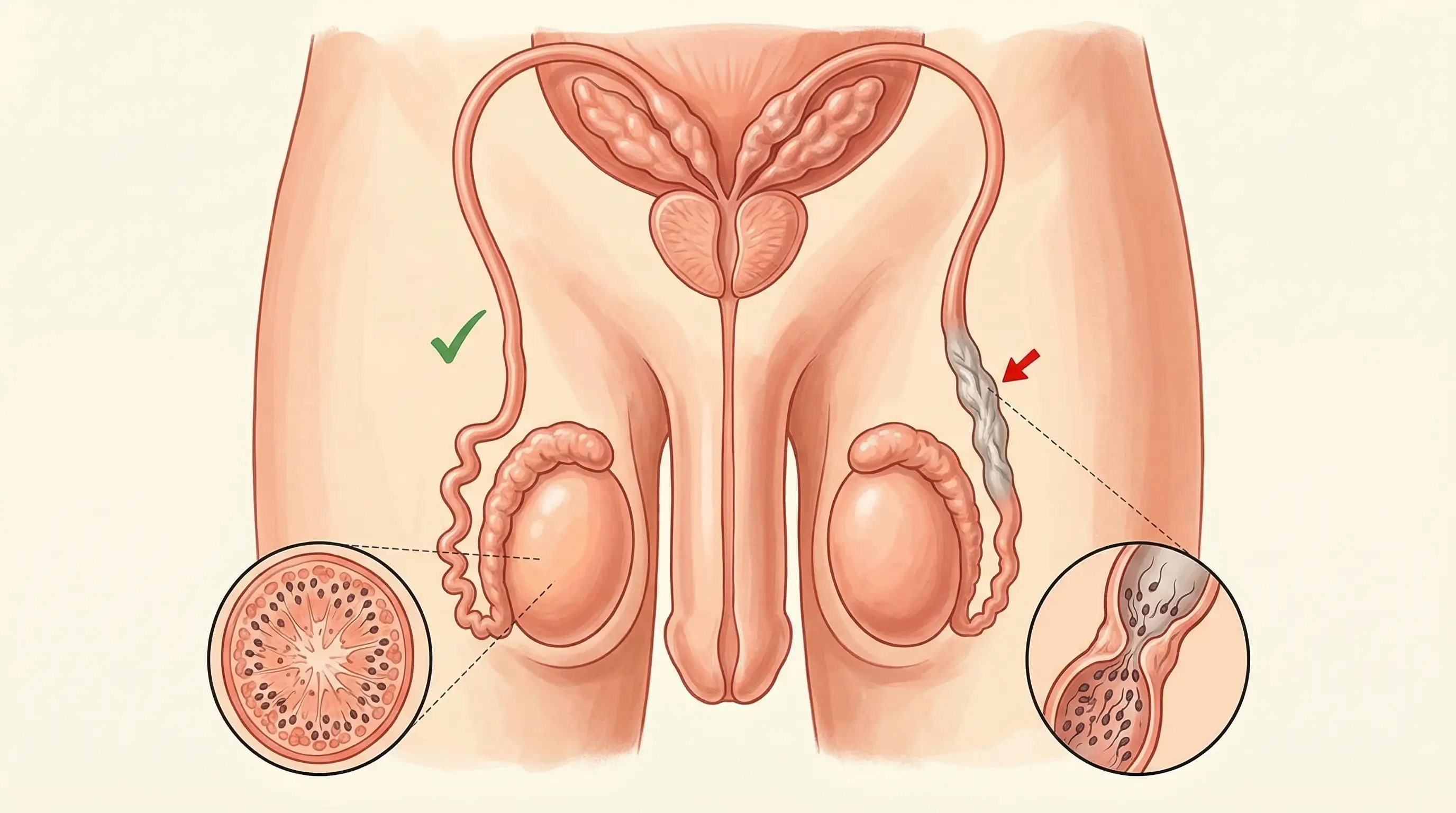
IVF is also the appropriate choice when severe male factor infertility or bilateral tubal occlusion is present, as these conditions cannot be effectively treated with other methods.[^1][^2][^3]
→ Learn more: Infertility
Who Is IVF Recommended For?
IVF can help many individuals and couples. The main clinical indications include:[^1][^2][^3]
Tubal factor infertility: Blocked or damaged fallopian tubes (the most common historical indication), often caused by pelvic inflammatory disease or prior surgery.[^2]
Endometriosis: A chronic inflammatory condition associated with reduced fertility. Conventional IVF performs similarly in women with and without endometriosis.[^18]
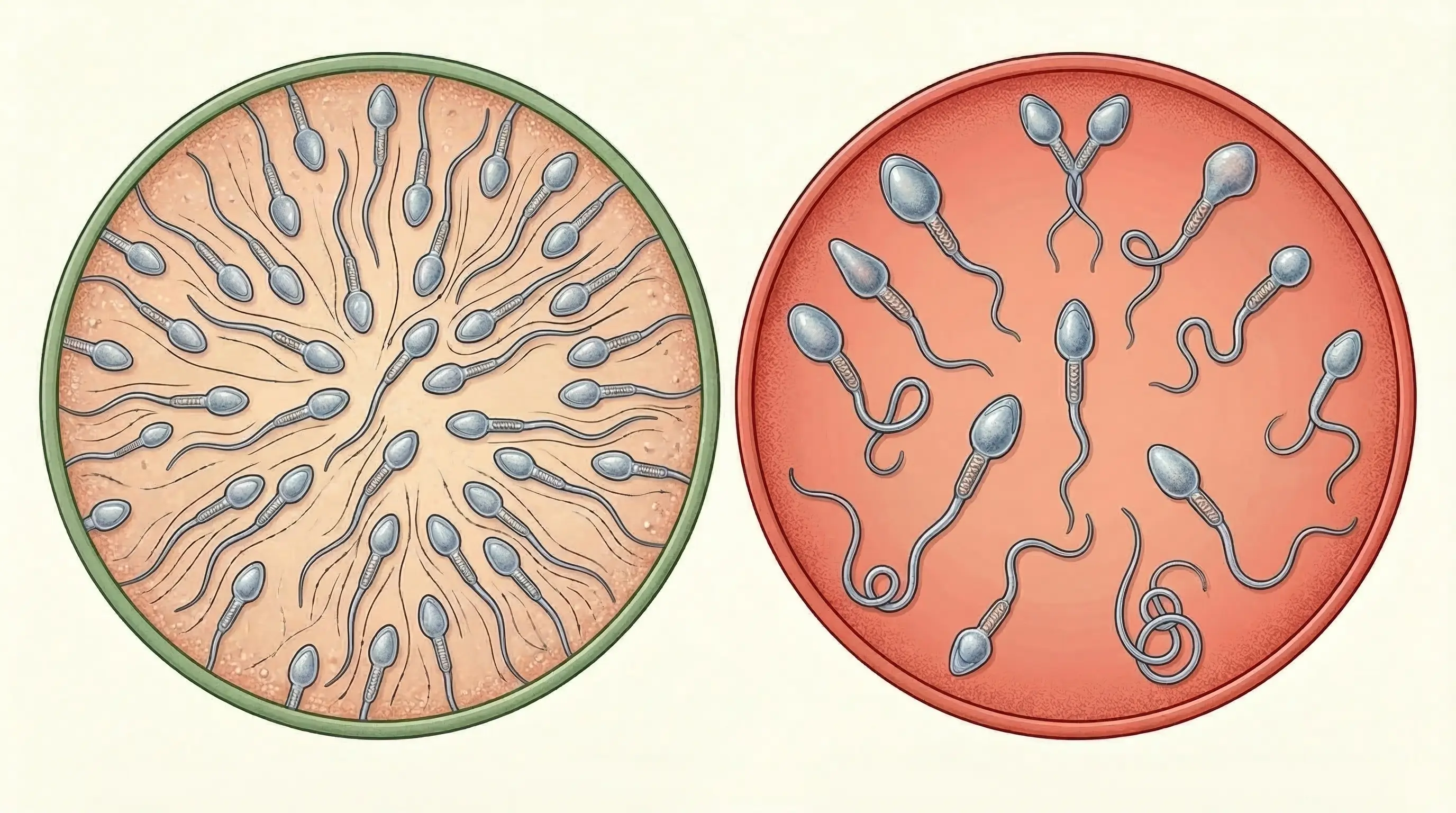
Male factor infertility: Low sperm count, motility, or morphology. IVF with or without ICSI can bypass many sperm-related problems.[^2][^3]
Unexplained infertility: When all standard tests come back normal yet pregnancy doesn’t occur after conventional treatments.[^1][^3]
Advanced maternal age: Women over 38–40 who haven’t achieved pregnancy with less intensive treatments. IVF cannot reverse age-related oocyte decline, but it maximizes the chance of pregnancy per cycle.[^3][^7]
Diminished ovarian reserve or primary ovarian insufficiency: IVF with donor oocytes may be the only path to pregnancy for these patients.[^2]
Fertility preservation: Women facing cancer treatment or those who wish to delay childbearing can freeze (cryopreserve) oocytes or embryos through the IVF process.[^2][^4]
Genetic screening: Couples at risk of transmitting genetic conditions may use IVF combined with preimplantation genetic testing (PGT).[^4]
Important:
A thorough medical history is essential before starting IVF. Underlying health conditions — from thyroid disorders to cardiovascular issues — must be identified and managed, as they can affect both the safety of the procedure and the pregnancy outcome.[^20]
→ Learn more: Male Infertility
IVF Treatment Protocols
The IVF cycle begins with controlled ovarian stimulation — the goal is to produce multiple mature oocytes for retrieval — ideally 10–20 in younger women, though fewer may be expected depending on age and ovarian reserve.[^2] Your fertility specialist will select the stimulation protocol best suited to your age, ovarian reserve, and medical history.[^6][^10]
Main Stimulation Protocols
Long GnRH Agonist Protocol
A GnRH (Gonadotropin-releasing hormone) agonist (for example, leuprolide) is started around cycle day 21 of the preceding month to suppress your body’s own hormone release. Gonadotropin injections — follicle-stimulating hormone (FSH) and luteinizing hormone (LH) — then begin on cycle day 2 to stimulate follicle growth. This protocol offers predictable timing and is well-studied.[^2][^10]
GnRH Antagonist Protocol
Gonadotropin injections start on cycle day 2–3 without prior suppression. A GnRH antagonist is added when the leading follicle reaches approximately 14 mm to prevent a premature LH surge. This protocol requires fewer injections and carries a lower risk of ovarian hyperstimulation syndrome (OHSS).[^2][^6][^12]
Minimal Stimulation Protocol
Uses oral medications (clomiphene citrate or letrozole) with or without lower-dose gonadotropins. While the live birth rate per cycle is slightly lower compared to conventional stimulation, this approach significantly reduces the risk of OHSS and multiple pregnancies.[^2][^10]
Regardless of the protocol, follicular growth is monitored by transvaginal ultrasound and blood hormone levels. When several leading follicles reach approximately 17–18 mm, a trigger injection (hCG(human chorionic gonadotropin) or GnRH agonist) is administered. Egg retrieval follows 34–36 hours later.[^2][^6]
→ Learn more: Ovulation Induction
The IVF Laboratory Process
Once the eggs are retrieved, the laboratory takes over. The IVF lab is a highly controlled environment where temperature, pH, air quality (particulate matter), gas composition, humidity, and osmolality are continuously monitored to mimic conditions within the human body.[^4][^13]
Fertilization
In conventional IVF (c-IVF), each mature oocyte is placed in a dish with approximately 50,000–100,000 prepared sperm and incubated overnight. The sperm must penetrate the zona pellucida (the egg’s outer shell) on its own — a competitive selection process in which no single sperm is manually chosen.[^2][^15]
When sperm quality is insufficient for conventional insemination, intracytoplasmic sperm injection (ICSI) is used: a single sperm is injected directly into the egg under a microscope. ICSI was first reported in 1992 and remains the standard for severe male factor infertility.[^2][^15]
Embryo Culture and Selection
Fertilized embryos are cultured in incubators for 3–5 days. Embryos may be transferred at the cleavage stage (day 3) or the blastocyst stage (day 5). Blastocyst-stage transfers generally offer higher live birth rates per cycle because embryologists can better assess viability at day 5 — some day 3 embryos that look promising stop developing, while others that appear less viable grow into healthy blastocysts. Elective single embryo transfer (eSET) can be performed at either stage, but is more commonly done at the blastocyst stage, where embryo selection is more reliable. This approach reduces the risk of multiple pregnancies.[^2][^13]
Modern IVF laboratories increasingly use time-lapse imaging and artificial intelligence to continuously monitor embryo development without removing them from the incubator, thereby improving embryo selection.[^4]
IVF Success Rates and Influencing Factors
IVF success depends on many variables, but maternal age is the single most important factor. Live birth rates per intended egg retrieval decline progressively with increasing age:[^2]
Age Group | Live Birth Rate | Singletons | Twins |
<35 | 47.6% | 89.4% | 10.4% |
35–37 | 30.7% | 90.3% | 9.5% |
38–40 | 21.7% | 90.9% | 8.9% |
41–42 | 10.4% | 93.6% | 6.3% |
>42 | 3.1% | 94.9% | 5.1% |
Source: Society for Assisted Reproductive Technology (SART), via Choe J, Shanks AL. StatPearls (2023)[^2]
Key Factors Influencing Success
Maternal age: Female fecundity remains relatively stable through the late twenties and early thirties, then declines more noticeably after 35 and significantly after 40. After 40, the probability of natural conception per cycle drops substantially — and by the mid-40s, it may fall below 5%.[^3][^7]
Ovarian reserve: Measured by AMH, FSH, or antral follicle count — this predicts how many eggs the ovaries can produce.[^1][^2]
Embryo quality: Higher-quality embryos have better implantation rates. Culture conditions (oxygen tension, media composition) affect embryo viability.[^13][^15]
Cause of infertility: Some conditions (for example, severe endometriosis, diminished ovarian reserve) are associated with lower success rates.[^2][^3]
Number of previous cycles: Cumulative live birth rates increase with additional cycles, although the rate of improvement tends to decline after several attempts.[^7]
Lifestyle factors: Smoking, obesity, and excessive alcohol consumption adversely affect IVF outcomes.[^3]
IVF now accounts for 1.9% of all live births in the USA, 4.1% in Australia/New Zealand, and over 5% in several European countries — a testament to its growing reach and efficacy.[^4]
Risks and Limitations of IVF
While IVF is generally safe, it’s not without risks. Understanding potential complications helps you make an informed decision together with your healthcare team.[^1][^2][^19]
Ovarian Hyperstimulation Syndrome (OHSS)
OHSS occurs when the ovaries overreact to hormonal stimulation. Mild cases cause bloating and discomfort; severe cases (estimated at 0.2–1% of all stimulation cycles) can lead to fluid accumulation in the abdomen and chest, electrolyte imbalances, blood clots, and — in rare cases — kidney failure.[^2][^12] Modern protocols using GnRH antagonists and agonist triggers have substantially reduced this risk.[^6][^12]
Multiple Pregnancies
Transferring more than one embryo increases the chance of twins or higher-order multiples, which carry higher risks for preterm birth and pregnancy complications.[^2][^19] Guidelines now recommend elective single embryo transfer (eSET) in most cases to minimize this risk.[^2]
Pregnancy Complications
IVF pregnancies — even singleton ones — have a slightly elevated risk for hypertensive disorders, gestational diabetes, preterm delivery, and low birth weight compared to spontaneously conceived pregnancies.[^2][^19] In one study, the prevalence of preterm birth among IVF newborns was 25.9%, approximately 2.5 times the global average.[^19]
Psychological and Emotional Burden
The IVF process is physically and emotionally demanding. The repeated clinic visits, hormone injections, waiting periods, and uncertainty can lead to significant anxiety, depression, and relationship strain.[^22][^23] Financial, physical, and psychological burdens are among the main reasons patients discontinue IVF before achieving pregnancy.[^4]
Contraindications — Important Cautions
There are a few absolute contraindications to the IVF procedure itself. Pregnancy, however, may be contraindicated in certain medical conditions — for example, severe uncontrolled cardiac disease or pulmonary hypertension. In these situations, IVF can still be performed with a gestational carrier.[^2]
→ Learn more: Fertility and Age
IVF or ICSI — When to Choose Which?
This is one of the most debated questions in reproductive medicine. In conventional IVF (c-IVF), sperm and egg meet in a dish. In ICSI, a single sperm is injected directly into the egg. ICSI was developed for couples with severe male factor infertility — but its use has expanded well beyond that original indication.[^8][^15]
What the Evidence Shows
A landmark 2025 randomized controlled trial (the INVICSI study) enrolled 824 women across six fertility clinics in Denmark. The cumulative live birth rate was 43.2% with ICSI versus 47.3% with conventional IVF (risk ratio 0.91; 95% CI 0.79–1.06).[^8] The conclusion: ICSI does not improve outcomes compared to c-IVF when severe male factor infertility is absent.[^8]
Among younger women (32 years or under), ICSI actually reduced the likelihood of live birth. Put differently, for every nine women in this age group who received ICSI instead of c-IVF, one fewer achieved a live birth. This may reflect the advantage of competitive sperm selection in c-IVF, particularly when oocyte and sperm conditions are optimal.[^8]
When Is ICSI Indicated?
Severe male factor infertility (very low count, motility, or morphology).[^1][^2][^8]
Surgically retrieved sperm (from testicular or epididymal extraction).[^2]
Previous total fertilization failure in a c-IVF cycle.[^15]
Presence of antisperm antibodies that interfere with fertilization.[^15]
For all other cases — including unexplained infertility, advanced maternal age, and diminished ovarian reserve with normal sperm parameters — c-IVF is safe, effective, less invasive, and more cost-effective.[^8][^15][^16] The decision should be guided by evidence, not by financial incentives.[^8]
→ Learn more: Unexplained Infertility
Living with Negative IVF Results
Infertility is more than a medical condition — it is deeply personal. Psychological problems related to infertility include anxiety, depression, low self-esteem, relationship difficulties, and social stigma.[^22] These emotional responses are common and understandable.
Research shows that undergoing IVF or IUI significantly increases stress levels in both partners.[^23] The psychological status of women can fluctuate throughout the IVF process, with anxiety and depression levels changing at different treatment stages.[^24]
When a cycle fails, infertile women often become trapped in repetitive negative thinking — replaying what went wrong, questioning themselves — and experience a range of emotional responses that can suppress the healing process and increase physical vulnerability to further stress.[^25]
Coping After a Failed IVF Cycle
A negative result doesn’t mean the end of the road. Several strategies can help:[^22][^26]
Understand what happened: Discuss the results with your fertility specialist. The cause may be identifiable — and in many cases, it can be addressed in a subsequent cycle.[^26]
Seek psychological support: Counseling, support groups, and e-therapy (online psychological support delivered via apps or video call) have been shown to be beneficial. Patients who lack emotional support are associated with lower conception rates and higher treatment dropout rates.[^2][^4]
Allow yourself to grieve: A failed cycle is a loss. Acknowledging and processing that emotion is part of the recovery process.[^22]
Consider the bigger picture: Cumulative success rates increase with additional cycles. Many patients who ultimately succeed needed more than one attempt.[^7]
Both partners must be supported throughout the process. An interdisciplinary team — physicians, nurses, embryologists, and mental health professionals — is essential for patient-centered IVF care.[^2]
→ Compare fertility clinics worldwide: MedicalNavigator.com/fertility-clinics
Too Long, Didn’t Read
IVF is the most common form of ART — eggs are fertilized with sperm in a lab dish, then transferred to the uterus.
IVF is recommended for tubal disease, endometriosis, male factor infertility, unexplained infertility, and fertility preservation.
Maternal age is the strongest predictor of success: under 35, the live birth rate per cycle is approximately 48%; over 42, it drops to approximately 3%.
For couples without severe male factor infertility, conventional IVF is as effective as ICSI — and less invasive.
Main risks include OHSS (0.2–1% of cycles), multiple pregnancy, and higher rates of preterm birth.
Psychological support is essential — a failed cycle is not a personal failure, and many patients succeed with additional attempts.
References
[^1]: World Health Organization. Guideline for the prevention, diagnosis and treatment of infertility. Geneva: WHO; 2025.
[^2]: Choe J, Shanks AL. In Vitro Fertilization. [Updated 2023 Sep 4]. In: StatPearls [Internet]. Treasure Island (FL): StatPearls Publishing; 2025 Jan-.
[^3]: Carson SA, Kallen AN. Diagnosis and Management of Infertility: A Review. JAMA. 2021;326(1):65–76.
[^4]: Kushnir VA, Smith GD, Adashi EY. The Future of IVF: The New Normal in Human Reproduction. Reprod Sci. 2022;29(3):849–856.
[^5]: Bosch E, Broer S, Griesinger G, et al. ESHRE guideline: Ovarian stimulation for IVF/ICSI. Hum Reprod Open. 2020;2020(2):hoaa009.
[^6]: Luke B, Brown MB, Wantman E, et al. Cumulative birth rates with linked assisted reproductive technology cycles. N Engl J Med. 2012;366(26):2483–2491.
[^7]: Berntsen S, Zedeler A, Nøhr B, et al. IVF versus ICSI in patients without severe male factor infertility: a randomized clinical trial. Nat Med. 2025;31:1939–1948.
[^8]: Shrestha D, La X, Feng HL. Comparison of different stimulation protocols used in in vitro fertilization: a review. Ann Transl Med. 2015;3(10):137.
[^9]: Practice Committee of ASRM. Prevention and treatment of moderate and severe ovarian hyperstimulation syndrome: a guideline. Fertil Steril. 2023.
[^10]: Sciorio R, Rinaudo P. Culture conditions in the IVF laboratory: state of the ART and possible new directions. J Assist Reprod Genet. 2023;40(11):2591–2607.
[^11]: Balli M, Cecchele A, Pisaturo V, et al. Opportunities and Limits of Conventional IVF versus ICSI: It Is Time to Come off the Fence. J Clin Med. 2022;11(19):5722.
[^12]: Giacobbe M, Conatti M, Gomes A, et al. Effectivity of conventional in vitro fertilization (IVF) and intracytoplasmic sperm injection (ICSI) when male factor is absent. JBRA Assist Reprod. 2022;26(1):123–128.
[^13]: Viganò P, Reschini M, Ciaffaglione M, et al. Conventional IVF performs similarly in women with and without endometriosis. J Assist Reprod Genet. 2023;40(3):599–607.
[^14]: Tocariu R, Stan D, Mitroi RF, et al. Incidence of complications among in vitro fertilization pregnancies. J Med Life. 2023;16(3):399–405.
[^15]: Papathanasiou A, Hindmarsh D, Searle B. Risk assessment of patients with underlying health conditions who present for IVF treatment. J Assist Reprod Genet. 2024;41(12):3251–3259.
[^16]: Sharma A, Shrivastava D. Psychological Problems Related to Infertility. Cureus. 2022;14(10):e30320.
[^17]: Awtani M, Mathur K, Shah S, Banker M. Infertility Stress in Couples Undergoing Intrauterine Insemination and In Vitro Fertilization Treatments. J Hum Reprod Sci. 2017;10(3):221–225.
[^18]: Li N, Bai J, Wang L, et al. Factors influencing the anxiety and depression status in patients undergoing in vitro fertilization-embryo transfer assisted pregnancy. Sci Rep. 2025;15:16303.
[^19]: Talebi M, et al. Effects of Infertility Stress, Psychological Symptoms, and Quality of Life on Predicting Success Rate of IVF/ICSI Treatment in Infertile Women. J Practice Clin Psychol.
[^20]: Instituto Bernabeu. Negative IVF: Everything you need to know after a failed IVF.
This guide is for informational purposes only. Always consult qualified healthcare providers for personalized recommendations. For full details, read our Medical Disclaimer.

Author of the article
Date of publication