


What Is Semen Analysis?
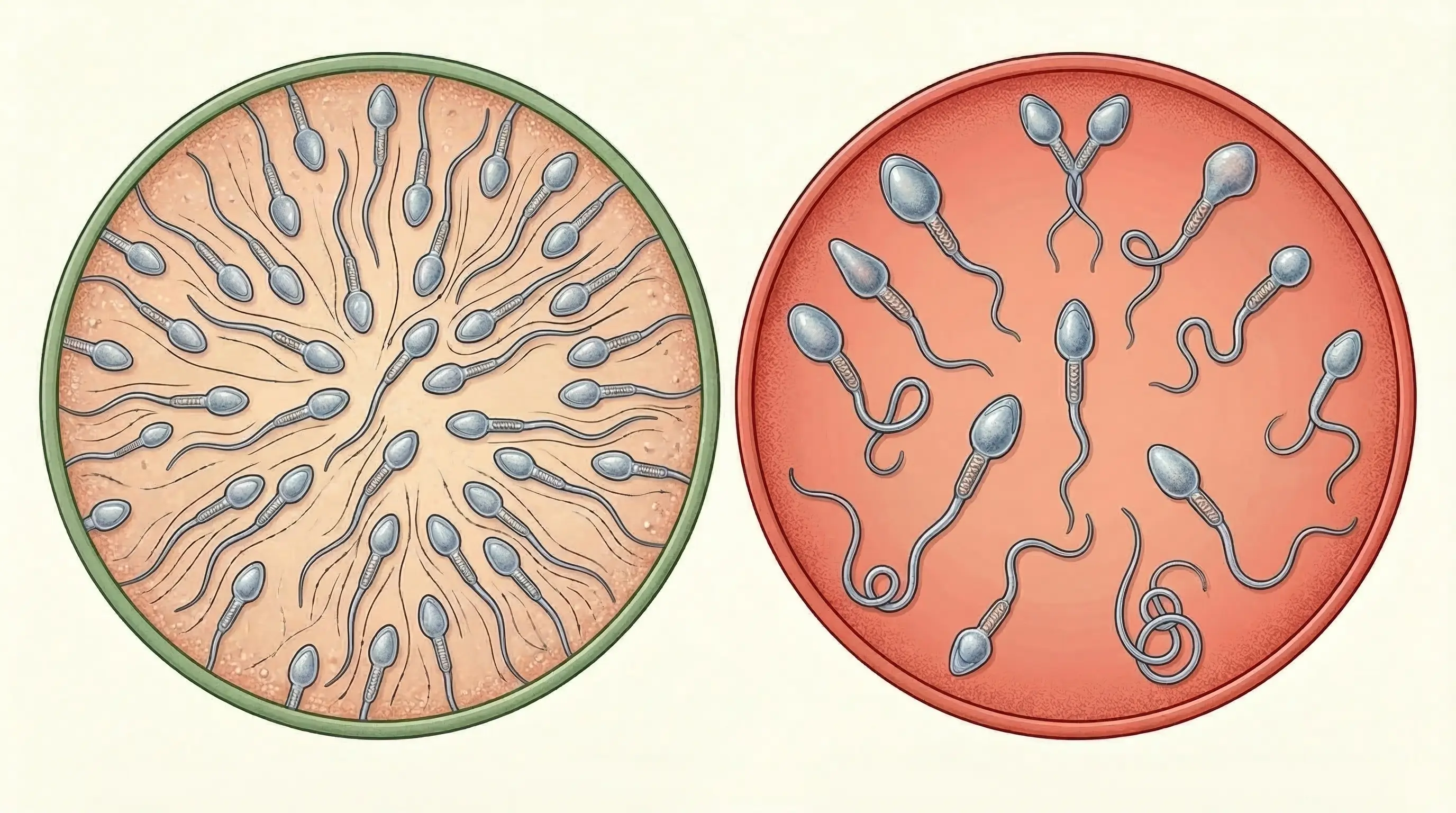
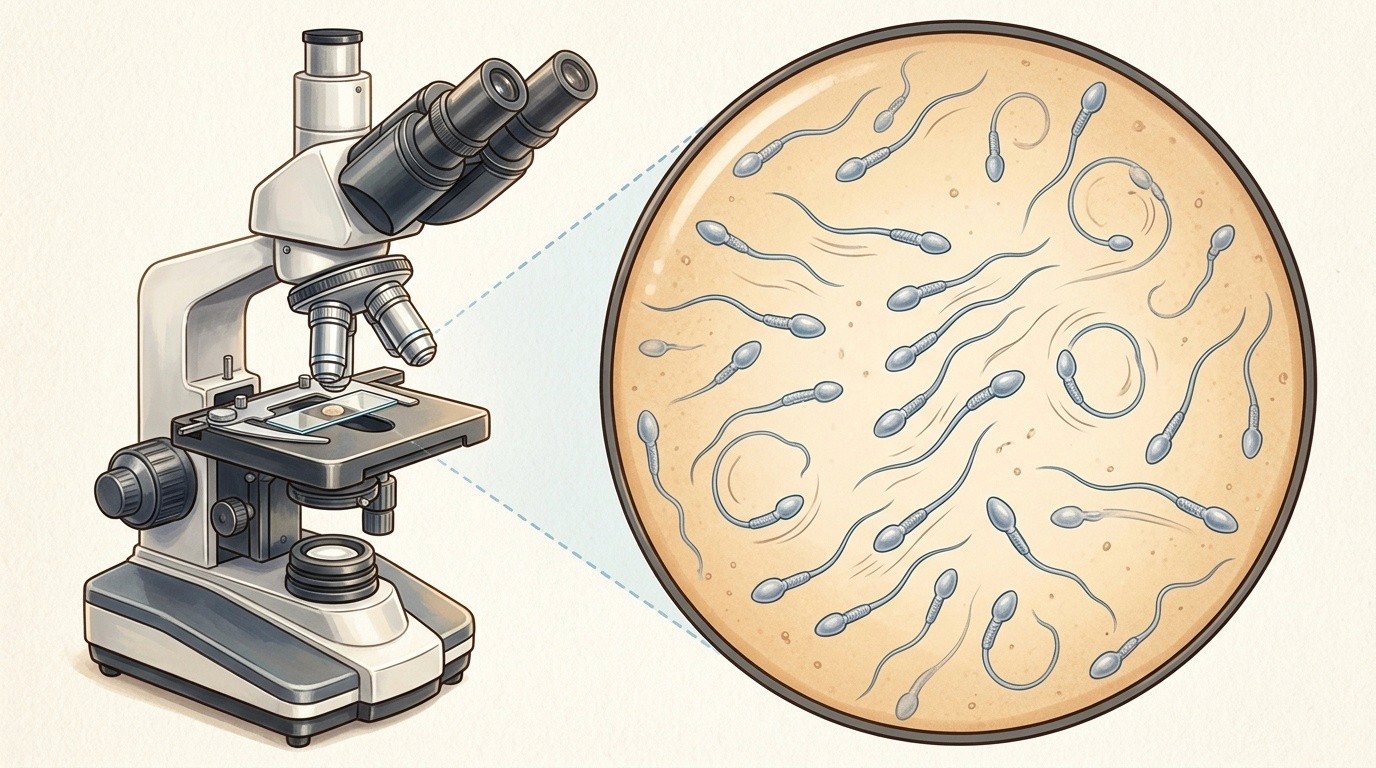
Semen analysis is a laboratory test that evaluates a man’s semen sample — both its macroscopic characteristics (volume, liquefaction, pH, appearance) and its microscopic properties.[^2] It measures how many sperm are present, how well they move, and what they look like. It’s the most important first-line diagnostic tool for couples struggling to conceive.[^1][^3]
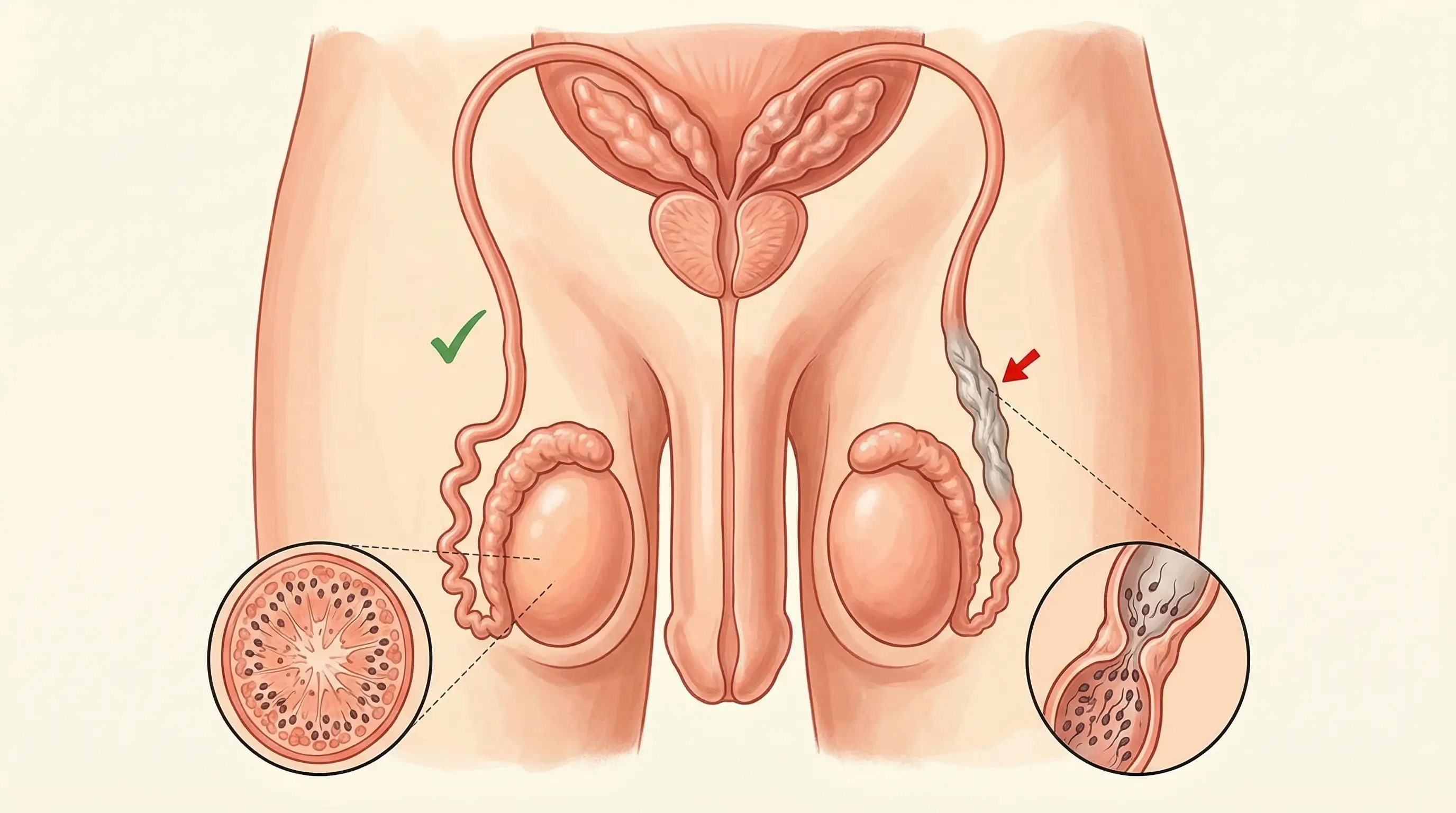
Semen is a complex fluid. It contains spermatozoa produced in the testes, matured in the epididymides, and mixed with secretions from the prostate, seminal vesicles, and bulbourethral glands.[^2] A detailed breakdown of these components helps pinpoint where the problem may lie.
When Is Semen Analysis Ordered?
Infertility evaluation: If a couple has been trying to conceive for 12 months (or 6 months if the woman is over 35) without success, semen analysis is one of the first tests recommended.[^2][^5]
Post-vasectomy check: To confirm the vasectomy was successful, and no sperm remains in the ejaculate.[^5]
Monitoring treatment: To track improvements after medical or surgical interventions for male infertility.[^14][^15]
→ Learn more: Male Infertility
How Is Semen Analysis Performed?
Collecting a semen sample may feel awkward, but the process is straightforward. Proper collection is crucial — small mistakes can significantly affect results.[^1][^4]
Before Collection
You’ll be asked to abstain from any sexual activity for 2–7 days before the test — though many clinics recommend 3–5 days as the optimal window.[^1][^3] This abstinence period helps ensure sperm values are at their most standardized level. Too short an abstinence period may reduce sperm count, while longer abstinence can decrease motility and increase DNA fragmentation.[^4]
Sample Collection
The sample is produced by masturbation, ideally in a private sample collection room at the laboratory or clinic. If collected at home, it must be delivered to the lab within 1 hour and kept at a temperature close to body temperature (approximately 37 °C).[^2] A sterile, wide-mouthed, non-toxic container is provided. Latex condoms must not be used, as they contain agents that harm sperm. Regular lubricants and saliva should also be avoided — only fertility-approved lubricants are acceptable.[^2]
If you’re unable to produce a sample through masturbation (for example, due to religious reasons), a special non-toxic condom can be used during intercourse.[^2][^5]
In the Laboratory
Once in the lab, the semen sample goes through a series of standardized steps described in the WHO Laboratory Manual (6th edition, 2021):[^1]
Liquefaction: Fresh semen is gel-like. It’s placed at 37 °C and allowed to liquefy for up to 60 minutes.[^2]
Volume and pH measurement
Motility assessment: Evaluated within one hour of collection.[^2]
Concentration and total sperm count
Vitality: Distinguishing live-immotile from dead sperm. This test is typically performed when motility falls below 40%, as most sperm are immotile.[^3]
Morphology: Smears are prepared and stained to assess sperm shape and structure.[^2]
MAR test (Mixed Antiglobulin Reaction): Screens for antisperm antibodies. Performed routinely in some laboratories, while others offer it as an additional test.[^1]
What Are the Key Semen Parameters?
Semen analysis evaluates multiple characteristics at once, because a combination of several parameters is a better predictor of fertility than any single measurement alone.[^10]
Volume
The total amount of fluid in the ejaculate. Low volume (<1.4 mL) may indicate retrograde ejaculation, ejaculatory duct obstruction, or congenital absence of the vas deferens.[^2]
Sperm Concentration and Total Sperm Count
Concentration refers to the number of sperm per milliliter; total sperm count is the concentration multiplied by volume. The 6th edition of the WHO Manual emphasizes that total sperm number per ejaculate may provide a more complete assessment than concentration alone.[^3]
Motility
How well sperm swim. Motility is classified as progressive (moving forward), non-progressive (moving but not advancing), or immotile. Sperm need to swim effectively to reach and fertilize an egg.[^1][^2]
Morphology
The size and shape of sperm are assessed using strict criteria. Abnormal morphology suggests problems during sperm production (spermatogenesis).[^2] The clinical impact of morphology on In Vitro Fertilization (IVF) outcomes remains debated.[^11]
Vitality
The percentage of live sperm. This test is especially useful when motility is reduced — it shows whether immotile sperm are alive or dead, which can be critical for deciding whether Intracytoplasmic sperm injection (ICSI) is an option.[^3]
Acidity (pH)
Reflects the chemical environment of semen. A very low pH combined with low volume and absent sperm may point to congenital bilateral absence of the vas deferens or ejaculatory duct obstruction.[^2]
Other Markers
Leukocyte (white blood cell) counts above 1 million/mL may indicate infection or inflammation in the genital tract, though the clinical significance is debated and doesn’t automatically mean treatment is necessary.[^2] The 6th edition of the WHO Manual also introduced extended examinations, including sperm DNA fragmentation (SDF) testing, now recognized as one of the most promising additions to male infertility assessment.[^3]
What Influences Semen Parameters?
Semen quality isn’t fixed — it fluctuates naturally and can be affected by many factors. Understanding these influences helps you take control and optimize your fertility potential.
What Lifestyle Factors Affect Sperm?
Smoking: A systematic review and meta-analysis of 46 studies found that cigarette smoking was associated with reductions in all semen parameters.[^10] Men trying to conceive should abstain from smoking.[^10]
Obesity: Overweight and obesity have been linked to increased prevalence of azoospermia (no sperm) and oligozoospermia (low sperm count), although evidence remains somewhat conflicting.[^10] Weight loss is recommended when BMI indicates obesity.[^8]
Heat exposure: While animal data strongly suggest that heat harms sperm production, human evidence linking everyday heat exposure (tight clothing, saunas, laptops) to reduced fertility remains limited.[^10][^8]
Alcohol and drugs: Excessive alcohol, recreational drugs, and anabolic steroids can suppress sperm production and hormonal balance.[^6][^8]
Diet and exercise: A balanced diet rich in antioxidants and regular moderate exercise support overall reproductive health.[^6][^2]
What Medical and Environmental Factors Play a Role?
Infections: Genital tract infections (chlamydia, gonorrhea, tuberculosis) can obstruct ducts and damage sperm.[^2]
Hormonal imbalances: Conditions affecting the hypothalamic-pituitary-testicular axis can impair sperm production.[^2]
Varicocele: The most common correctable cause of male infertility, found in approximately 15–20% of all men and up to 40% of infertile men — may affect sperm quality.[^10]
Environmental toxins: Endocrine-disrupting chemicals (EDCs) and occupational exposures to pesticides, heavy metals, and solvents are associated with declining semen quality trends across populations.[^7]
Genetic factors: Chromosomal abnormalities, Y chromosome microdeletions, and CFTR gene mutations can cause severe deficits in sperm production.[^10]
→ Learn more: Male Infertility
What Are the WHO Reference Values?
The World Health Organization provides reference values based on semen samples from men whose partners became pregnant within 12 months of unprotected intercourse. These are 5th percentile values — meaning that 95% of fertile men scored above these thresholds.[^1][^3]
Important:
Falling below these values does not automatically mean you’re infertile. And being above them doesn’t guarantee fertility. These are reference points, not pass/fail scores.[^3][^9]
Parameter | WHO 2010 (5th ed.) | WHO 2021 (6th ed.) |
Semen volume (mL) | 1.5 (1.4–1.7) | 1.4 (1.3–1.5) |
Total sperm number (×10⁶) | 39 (33–46) | 39 (35–40) |
Total motility (%) | 40 (38–42) | 42 (40–43) |
Progressive motility (%) | 32 (31–34) | 30 (29–31) |
Vitality (%) | 58 (55–63) | 54 (50–56) |
Normal morphology (%) | 4 (3–4) | 4 (3.9–4) |
Source: Chung E, et al. Arab J Urol (2023)[^3], adapted from Boitrelle et al.
Despite including additional data from approximately 1,700 fertile men from 5 new geographic regions in the 6th edition, most lower reference limits remained similar to the previous edition, indicating stable reference data across populations.[^3]
What Do Abnormal Results Mean?
Term | Meaning |
Oligozoospermia | Low sperm concentration |
Asthenozoospermia | Reduced sperm motility |
Teratozoospermia | Abnormal sperm morphology |
Azoospermia | No sperm detected in the ejaculate |
Necrozoospermia | All sperm in the ejaculate are dead |
OAT syndrome | Oligoasthenoteratozoospermia — combined low count, poor motility, and abnormal shape |
Source: WHO Laboratory Manual (6th ed.)[^1] and Sunder M, Leslie SW. StatPearls[^2]
What Are the Limitations of Semen Analysis?
Despite being the gold standard first-line test, semen analysis has important limitations that both patients and clinicians should understand.
It’s not a fertility test. There’s a substantial overlap between semen parameters of fertile and infertile men. A man with “normal” results can still struggle to conceive, and men with “abnormal” results may father children naturally.[^9][^10]
Natural variability: Semen quality fluctuates significantly from sample to sample within the same man, influenced by abstinence time, stress, illness, and even seasonal changes.[^10][^4]
Lab quality matters: Many laboratories don’t fully adhere to WHO-standardized methods, which can undermine diagnostic accuracy.[^10][^4]
Can’t predict embryo quality: Standard semen parameters show no significant association with embryo quality outcomes during IVF.[^12]
Doesn’t assess sperm function: Conventional analysis measures quantity and appearance but doesn’t evaluate whether sperm can actually bind to and fertilize an egg. Newer tests, such as sperm DNA fragmentation analysis, aim to fill this gap.[^9][^11]
At least one semen analysis is required for initial evaluation, though most guidelines recommend at least two analyses before drawing conclusions — because sperm parameters can vary considerably between samples. These repeat tests are usually collected 2–3 weeks apart. For borderline results, repeating after a full spermatogenesis cycle (approximately 74 days) can add clarity.[^2][^10]
How Does Semen Analysis Guide Treatment?
Semen analysis results help direct the next clinical steps. Combined with a physical examination, medical history, and sometimes hormonal testing, they form the roadmap for treatment.[^14][^15]
Finding | Possible Next Steps |
Normal results | Focus shifts to the female partner; timed intercourse may be recommended. |
Mild abnormalities | Lifestyle modifications, repeat analysis, or intrauterine insemination (IUI). |
Moderate abnormalities | Hormonal assessment, ultrasound, possible IUI or IVF. |
Severe oligozoospermia (<5 ×10⁶/mL) | Genetic testing (karyotype, Y chromosome microdeletions), specialist referral, ICSI. |
Azoospermia | Hormonal workup, genetic screening, testicular sperm extraction (TESE), or donor sperm consideration. |
Low volume + low pH + no sperm | Evaluation for congenital bilateral absence of the vas deferens; CFTR genetic testing. |
Source: AUA/ASRM Guideline (2024)[^14], EAU Guidelines (2024)[^15], and Sunder M, Leslie SW. StatPearls[^2]
Different sperm quality profiles may also influence the choice between conventional IVF and ICSI. A study evaluating fertilization strategies for varying semen parameters found that selecting the appropriate technique based on sperm quality improved outcomes.[^13]
What If Your Results Are Abnormal?
Receiving abnormal semen analysis results can be a deeply emotional experience. For many men, fertility is closely tied to identity and masculinity, and a diagnosis of male factor infertility often brings feelings of shock, frustration, and self-blame.[^18][^19]
Research shows that infertile men experience elevated levels of infertility-specific anxiety, particularly around the time of diagnosis and at the start of treatment.[^18] Men with male factor infertility report more symptoms of depression and anxiety compared to fertile men, and their quality of life in certain domains can be significantly affected.[^20]
The rates of clinically significant mental health disorders among infertile men are generally no higher than in the general population.[^18][^20] What makes the difference is coping style: men who are socially isolated or tend to avoid confronting stressful situations are more vulnerable to severe anxiety.[^18]
Unsuccessful treatment can lead to a state of lasting sadness.[^18] Research has found associations between psychological distress and semen parameters, but the exact nature of this relationship isn’t fully established. What is clear: emotional well-being matters, and access to support can make a real difference.[^17]
What Can Help?
Open communication: Talking to your partner, friends, or a professional can help reduce feelings of isolation. Men generally prefer receiving support from their fertility clinicians rather than from formal support groups.[^18]
Psychosocial care: The ESHRE guidelines recommend that fertility clinics incorporate routine psychosocial care for both partners, not just the woman undergoing treatment.[^16]
Relaxation techniques: Meditation, deep breathing, yoga, and guided imagery have been shown to reduce anxiety and improve well-being during fertility treatment.[^17]
Psychotherapy: For couples experiencing significant distress, professional counseling is recommended — ideally starting before medical interventions begin.[^17][^19]
Remember:
While not all causes of male infertility can be directly treated, modern assisted reproductive technologies offer realistic pathways to parenthood for the great majority of couples — including those with severely abnormal results.
So, What Should You Do Now?
If you’re reading this, you’re already taking the right first step. Here’s what to do next.
Step 1: Get a Semen Analysis
If you and your partner have been trying to conceive for 12 months without success (or 6 months if she’s over 35), ask your doctor for a semen analysis. It’s the single most informative test for male fertility.
Step 2: Follow Collection Instructions Carefully
Abstain for 3–5 days, produce the sample at the lab if possible, and avoid lubricants or saliva. Small details make a big difference in the accuracy.
Step 3: Don’t Panic Over a Single Result
Semen parameters vary naturally. If results are abnormal, your doctor will likely recommend a repeat analysis 2–3 weeks later before drawing any conclusions.
Step 4: Address Modifiable Risk Factors
Quit smoking, reduce alcohol consumption, maintain a healthy weight, and avoid prolonged exposure to heat. These changes can improve your numbers over the course of one spermatogenesis cycle (approximately 74 days).
Step 5: Choose the Right Clinic
Not all laboratories follow WHO-standardized methods, and not all clinics offer the same level of male fertility expertise. Compare clinics, ask about their testing protocols, and make sure both partners are evaluated together.
→ Compare fertility clinics worldwide: MedicalNavigator.com/fertility-clinics
Too Long, Didn’t Read
Semen analysis is the cornerstone of male fertility evaluation — measuring count, motility, morphology, and more.
Abstain from sexual activity for 2–7 days (ideally 3–5 days) before the test and deliver the sample within one hour.
WHO reference values are statistical thresholds based on fertile men — not pass/fail scores for fertility.
Normal results don’t guarantee fertility; abnormal results don’t mean you’re infertile.
Lifestyle factors — smoking, obesity, heat, alcohol — can be modified to improve results.
Results guide treatment: from lifestyle changes and IUI to IVF, ICSI, or surgical sperm retrieval.
References
[^1]: World Health Organization. WHO laboratory manual for the examination and processing of human semen. 6th ed. 2021.
[^2]: Sunder M, Leslie SW. Semen Analysis. [Updated 2022 Oct 24]. In: StatPearls [Internet]. Treasure Island (FL): StatPearls Publishing; 2025 Jan–.
[^3]: Chung E, Atmoko W, Saleh R, Shah R, Agarwal A. Sixth edition of the WHO laboratory manual of semen analysis: Updates and essential take away for busy clinicians. Arab J Urol. 2023;22(2):71–74.
[^4]: Björndahl L, Kirkman Brown J. The sixth edition of the WHO Laboratory Manual for the Examination and Processing of Human Semen: ensuring quality and standardization in basic examination of human ejaculates. Fertil Steril. 2022;117(2):246–251.
[^5]: Cleveland Clinic. Semen Analysis. Last updated 01/30/2024.
[^6]: Tesarik J. Lifestyle and Environmental Factors Affecting Male Fertility, Individual Predisposition, Prevention, and Intervention. Int J Mol Sci. 2025;26(6):2797.
[^7]: Skakkebaek NE, Rajpert-De Meyts E, Buck Louis GM, et al. Male Reproductive Disorders and Fertility Trends: Influences of Environment and Genetic Susceptibility. Physiol Rev. 2016;96(1):55–97.
[^8]: Durairajanayagam D. Lifestyle causes of male infertility. Arab J Urol. 2018;16(1):10–20.
[^9]: Wang C, Swerdloff RS. Limitations of semen analysis as a test of male fertility and anticipated needs from newer tests. Fertil Steril. 2014;102(6):1502–1507.
[^10]: Barratt CLR, Björndahl L, De Jonge CJ, et al. The diagnosis of male infertility: an analysis of the evidence to support the development of global WHO guidance. Hum Reprod Update. 2017;23(6):660–680.
[^11]: Oehninger S, Ombelet W. Limits of current male fertility testing. Fertil Steril. 2019;111(5):835–841.
[^12]: Dashtkoohi M, Haddadi M, Saeedinia M, et al. Semen Characteristics and Embryo Outcomes in IVF. J Family Reprod Health. 2025;19(3):226–231.
[^13]: Qiu L, Wu J, Chen J, et al. Selection of fertilization strategies for different sperm parameters in vitro fertilization. Ann Transl Med. 2022;10(18):996.
[^14]: American Urological Association & American Society for Reproductive Medicine. Diagnosis and treatment of infertility in men. AUA/ASRM Guideline. 2024.
[^15]: European Association of Urology. EAU Guidelines on Sexual and Reproductive Health. 2024.
[^16]: European Society of Human Reproduction and Embryology. Routine psychosocial care in infertility and MAR. ESHRE Guideline. 2023.
[^17]: Simionescu G, Doroftei B, Maftei R, et al. The complex relationship between infertility and psychological distress (Review). Exp Ther Med. 2021;21(4):306.
[^18]: Fisher JR, Hammarberg K. Psychological and social aspects of infertility in men: an overview of the evidence and implications for psychologically informed clinical care and future research. Asian J Androl. 2012;14(1):121–129.
[^19]: Sahoo S, Das A, Dash R, et al. The Psychological Impact of Male Infertility: A Narrative Review. Cureus. 2025;17(8):e89453.
[^20]: Biggs SN, Halliday J, Hammarberg K. Psychological consequences of a diagnosis of infertility in men: a systematic analysis. Asian J Androl. 2024;26(1):10–19.
This guide is for informational purposes only. Always consult qualified healthcare providers for personalized recommendations. For full details, read our Medical Disclaimer.

Author of the article
Date of publication