


What Is Infertility?
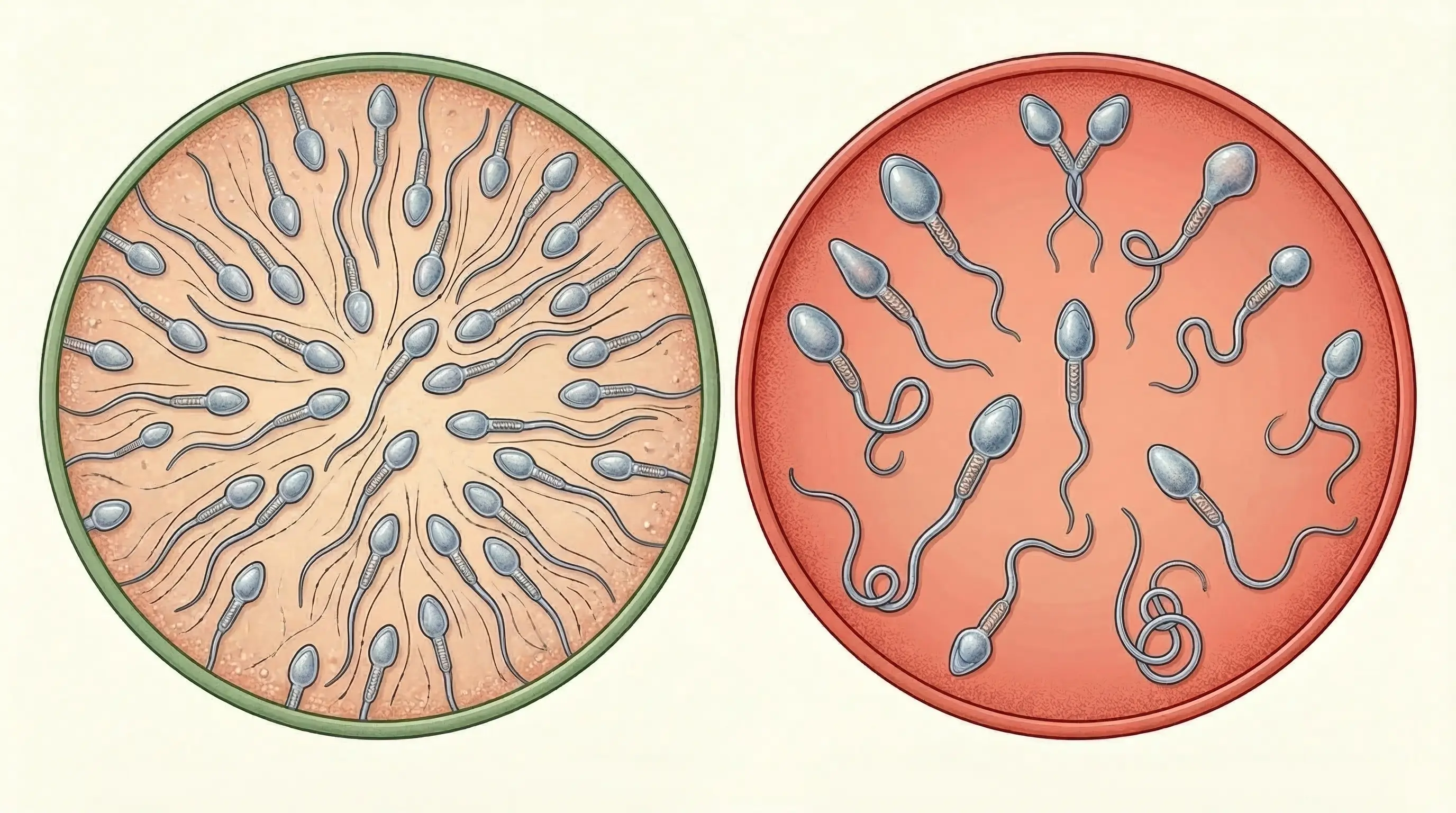
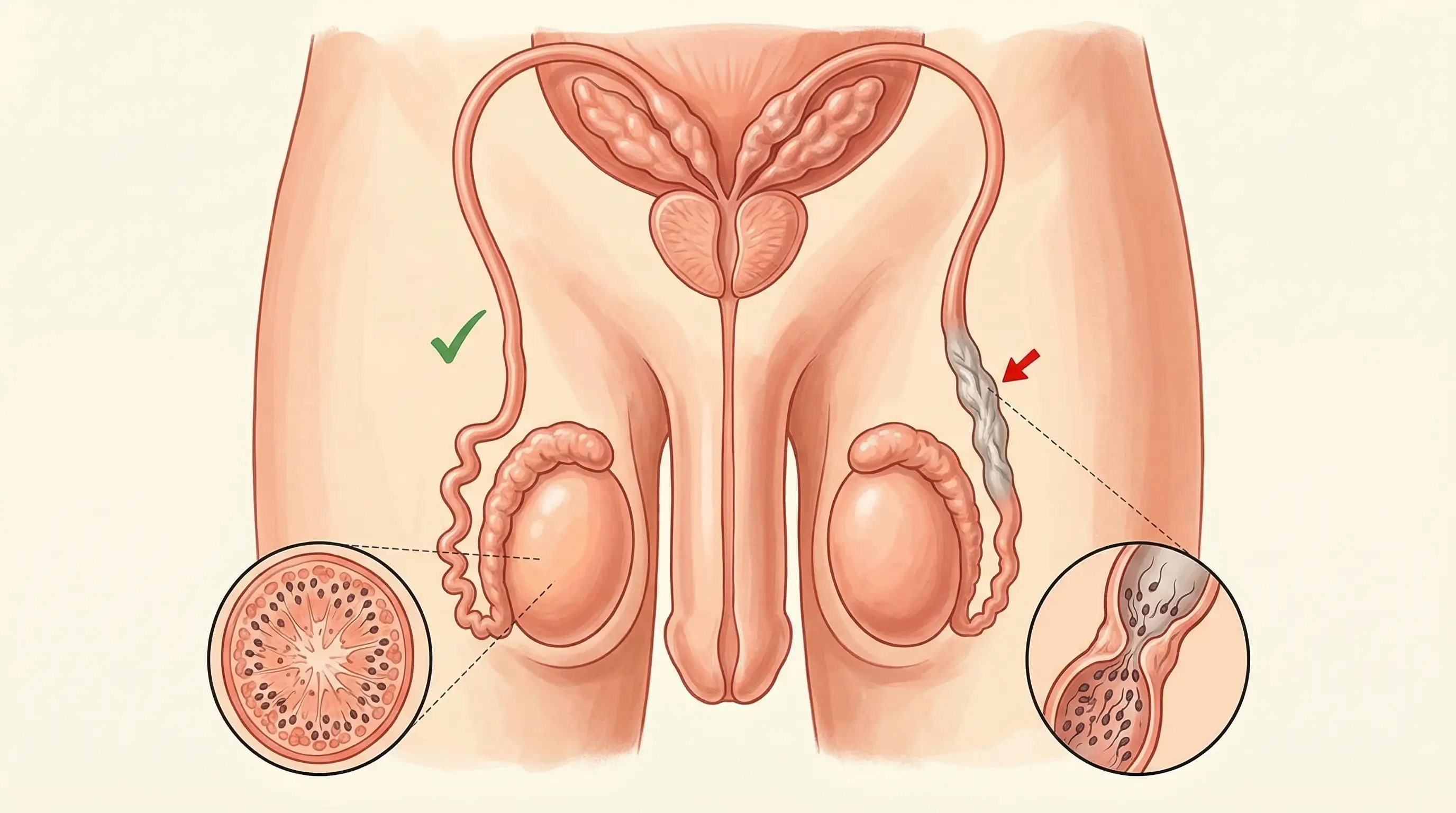
Infertility is classified as a disease of the reproductive system by the World Health Organization (WHO). It is defined as the failure to achieve pregnancy after 12 months or more of regular, unprotected sexual intercourse.[^1][^2] The condition affects approximately 1 in 6 people of reproductive age worldwide.[^2]
Infertility is not a personal failure. It is a medical condition with often identifiable causes and, in the vast majority of cases, effective treatment options — from lifestyle changes and medication to assisted reproductive technologies such as in vitro fertilization (IVF).[^3]
→ Learn more: Infertility
What Is Birth Control?
Birth control — also called contraception — is any method, device, or medication used to prevent pregnancy.[^4] The first oral contraceptive pill was approved in the United States in 1960, and since then contraceptive technology has expanded dramatically.[^5] Today, options range from daily pills and weekly patches to devices that last years, giving individuals more control over the timing of pregnancy than at any point in history.[^6]
How Does Birth Control Work?
Most hormonal contraceptives contain synthetic versions of the hormones estrogen and progesterone, or progestin (a synthetic form of progesterone) alone.[^7][^9] These synthetic hormones are structurally similar to the body’s own hormones but are modified to improve stability, bioavailability, and duration of action.[^9]
Hormonal contraceptives work through several mechanisms. Progestins suppress the release of gonadotropin-releasing hormone (GnRH) from the hypothalamus, which in turn lowers luteinizing hormone (LH) from the pituitary gland — and this prevents ovulation.[^7][^10] They also thicken cervical mucus, making it harder for sperm to reach the egg, and make the uterine lining less suitable for implantation.[^7]
Estrogen enhances this effect by further suppressing follicle-stimulating hormone (FSH), which prevents a dominant follicle from developing.[^7] One important clinical role is stabilizing the uterine lining and reducing irregular bleeding — one of the main reasons many women prefer combined hormonal methods.[^7][^8]
Non-hormonal methods like the copper intrauterine device (IUD) work differently. The copper creates a localized immune response in the uterus that impairs sperm function, preventing fertilization without affecting your hormonal cycle.[^7][^8]
What Types of Contraception (Birth Control) Exist?
Reversible contraceptive methods are typically grouped as hormonal (such as pills, patches, or hormonal IUDs) or non-hormonal (such as condoms or the copper IUD), and as long-acting (IUDs, implants) or short-acting (pills, patches, rings).[^7][^11] In the United States, oral contraceptive pills remain the most commonly used reversible method, comprising about 21.9% of all contraception in current use.[^7]
Method | Type | Hormonal? | Typical Effectiveness | Duration |
Combined oral pill | Estrogen + progestin | Yes | 93–96% | Daily |
Progestin-only pill | Progestin only | Yes | 93–96% | Daily |
Hormonal IUD | Levonorgestrel | Yes | >99% | 3–8 years |
Copper IUD | Copper | No | >99% | Up to 10 years |
Subdermal implant (placed under the skin) | Etonogestrel | Yes | >99% | Up to 3 years |
Injectable | DMPA (depot medroxyprogesterone acetate) | Yes | 94–96% | Every 3 months |
Patch | Estrogen + progestin | Yes | 93–96% | Weekly |
Vaginal ring | Estrogen + progestin | Yes | 93–96% | Monthly |
Source: Teal & Edelman, JAMA (2021)[^7]
Long-acting reversible contraceptives (LARCs) — specifically IUDs and implants — have the highest effectiveness, with failure rates below 1% per year.[^7] Their use has grown substantially, rising from 6% of all contraceptive users in 2008 to 17.8% in 2016.[^7] The American Academy of Pediatrics considers LARCs first-line options even for adolescents.[^13]
Does Birth Control Affect Your Fertility?
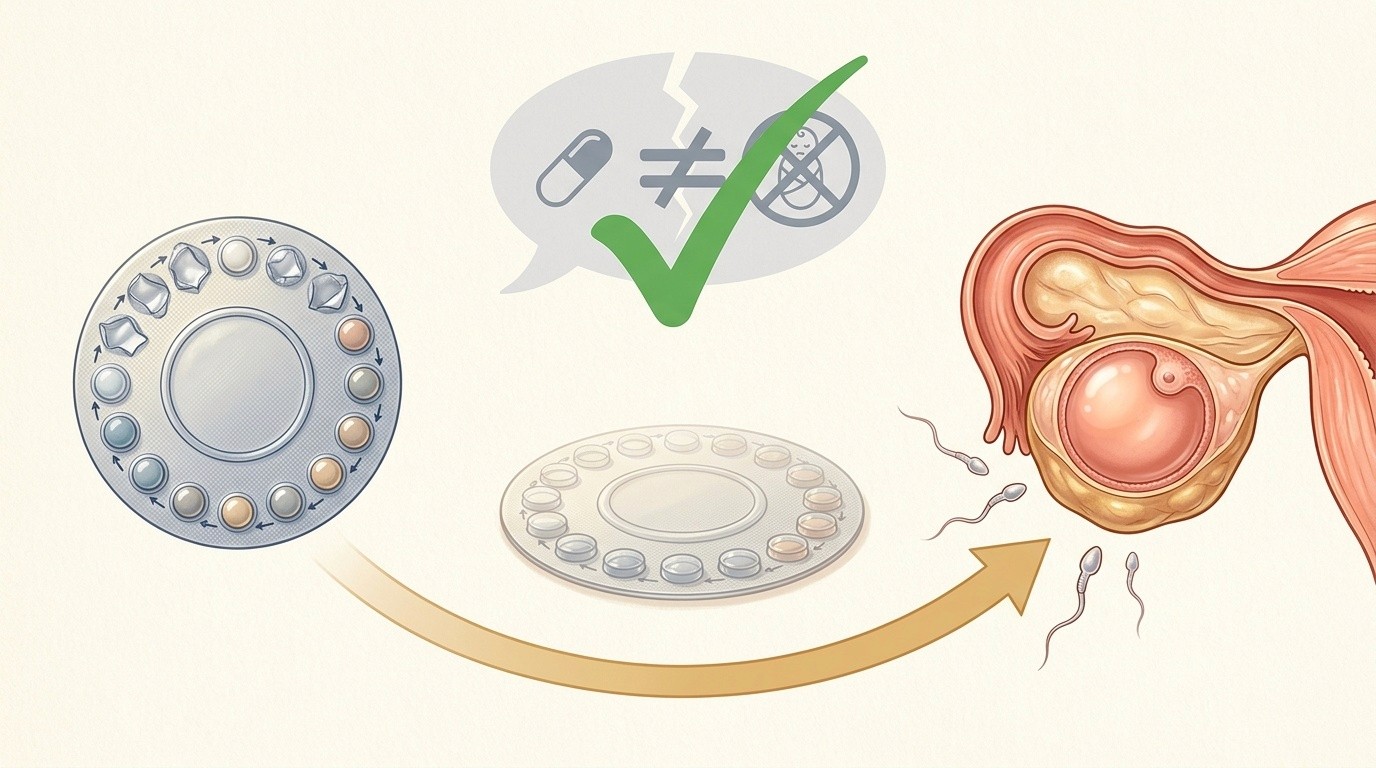
This is the central question — and the research is reassuring. A landmark systematic review and meta-analysis by Girum and Wasie (2018) pooled data from multiple studies and found that 12-month pregnancy rates after stopping contraception were comparable across all methods, including oral pills, IUDs, and implants.[^14] Importantly, the duration of pill use did not affect the return of fertility either — women who took the pill for one year had the same conception rates as those who used it for a decade.[^14]
Despite this evidence, concerns persist. A Danish questionnaire study found that a significant proportion of current and former oral contraceptive users worried about their future fertility — a concern that often influenced their decision to stop or switch methods.[^15] These fears, while understandable, are not supported by the weight of clinical evidence.
What About Each Method Specifically?
The Pill (Oral Contraceptives)
The pill is the most studied contraceptive method in terms of fertility return. After stopping oral contraceptives, most women resume ovulation within one to three months.[^14][^21] Studies consistently show that 12-month pregnancy rates are no different from those of women who never used the pill.[^14] Research into biomarkers that could predict individual speed of fertility return is ongoing. So far, no single marker reliably predicts how quickly a specific person will resume ovulation after stopping the pill — but hormonal, ovarian, and genomic markers are being investigated as candidates.[^21]
Hormonal IUD (Levonorgestrel IUD)
The hormonal IUD releases a small amount of levonorgestrel directly into the uterus. A pilot study found that 81% of former IUD users (both copper and hormonal combined) were pregnant within 12 months, compared with 70% of women who had used non-IUD contraceptive methods — a difference that was not statistically significant.[^17] Even in IVF settings, women with prior levonorgestrel IUD use had slightly thinner endometrial stripes (endometrial thickness on ultrasound) during treatment cycles, but their implantation and pregnancy outcomes were the same or slightly better than those of women without prior IUD use.[^16]
Copper IUD
Because the copper IUD is entirely non-hormonal, it does not directly suppress ovulation or systemic hormonal cycles. Fertility is expected to return immediately after removal, and studies confirm that 12-month pregnancy rates are comparable to other methods.[^14][^17]
Injectable Contraception (DMPA)
The depot medroxyprogesterone acetate (DMPA) injection is the only method for which a temporary delay is well-documented. Because the hormone is deposited in tissue and released slowly, return to ovulation can take longer than with other methods — typically 6–9 months after the last injection.[^14][^18] One study from Ethiopia reported a 75% pregnancy rate within 12 months for injectable users, compared with higher rates for pill, implant, and IUD users.[^18] However, fertility does return — older age was also a contributing factor in delays, not just the method itself.[^18][^20]
Subdermal Implant
The subdermal etonogestrel implant (placed under the skin) is one of the most effective contraceptives available, with a failure rate below 1%.[^7][^19] After removal, fertility returns generally rapidly.[^14] A study from low- and middle-income countries found that implant users experienced some short-term reduction in fecundability (the probability of conceiving in a single cycle) compared with barrier method users, but pregnancy rates equalized within a few months.[^20] Side effects, such as irregular bleeding, mean the implant is not ideal for everyone, but it does not cause lasting infertility.[^19]
Patch and Ring
The transdermal patch and vaginal ring both deliver combined hormones (estrogen plus progestin) similarly to the pill. Their fertility return profiles are comparable to oral contraceptives, with ovulation typically resuming within one to three cycles after discontinuation.[^7][^8][^14]
Does Birth Control Damage Your Ovarian Reserve?
Antimüllerian hormone (AMH) is a blood marker that reflects your ovarian reserve — roughly, how many eggs you have left. There is a widespread concern that hormonal contraceptives might “use up” eggs or permanently lower AMH. The evidence tells a different story.
A study of the SELF cohort found that while AMH levels can be lower during active use of most hormonal contraceptives, this suppression is temporary and reversible. The duration of hormonal contraceptive use was not meaningfully linked to the degree of AMH reduction.[^22]
A large population study of 42,684 women confirmed these findings in detail. Combined oral contraceptive users showed AMH levels about 17% lower on average — a difference that is generally not clinically significant for most individuals — while hormonal IUD users showed no measurable effect on AMH.[^23] Crucially, these contraceptive-dependent differences were small compared with the normal biological variability in ovarian reserve at any given age.[^23]
A study at the University of Colorado specifically examined women seeking infertility evaluations and found no significant difference in ovarian reserve markers (AMH, FSH, antral follicle count) between long-term hormonal contraceptive users and short-term or never users, after adjusting for age and polycystic ovary syndrome (PCOS).[^24] Even after years of use, markers of ovarian reserve were similar to non-users, suggesting no lasting impact.[^24]
Important:
If you get an AMH test while on hormonal contraception, the result may appear lower than your true baseline. This does not mean your eggs are disappearing — it means the test is reading a temporarily suppressed value. Discuss the timing of any fertility testing with your doctor.[^22][^23]
What Other Health Risks Are Linked to Birth Control?
Birth control does come with real — though generally small — health risks. Understanding these helps you make a fully informed choice.
Does Birth Control Increase the Risk of Blood Clots?
Estrogen-containing methods (combined pills, patch, ring) are associated with a modest increase in the risk of venous thromboembolism (VTE). The risk of VTE increases from about 5–10 cases per 10,000 women per year in non-users to approximately 8–10 cases per 10,000 women per year among users of combined oral contraceptives.[^25] For context, the risk of VTE during pregnancy and the postpartum period is substantially higher than the risk from any oral contraceptive.[^25]
Progestin-only and non-hormonal methods — such as progestin-only pills, implants, hormonal IUDs, and condoms — are not associated with increased blood clot risk.[^7][^25]
Can Birth Control Affect Your Mood?
A systematic review found that in women without a prior mental health disorder, hormonal contraceptive use was associated with a slight increase in reported depressive symptoms.[^26] In women with pre-existing mental health conditions, there was actually a slight protective effect.[^26]
Another systematic review and network meta-analysis of randomized trials noted an important nuance: women who are already prone to low mood may be more likely to attribute their symptoms to the pill and switch methods. This does not dismiss the concern, but it adds context that makes interpreting the data more complex.[^27]
Does Birth Control Increase Cancer Risk?
The relationship between hormonal contraceptives and cancer is not one-directional. Both combined and progestin-only hormonal contraceptives are associated with a modest relative increase in breast cancer risk of roughly 20–30% — which corresponds to a small absolute increase in risk for most women.[^28] To put that in perspective: a 20–30% relative increase on an already low baseline risk means the actual change for any individual woman remains small.
On the other hand, combined oral contraceptives have been shown to significantly reduce the risk of ovarian and endometrial cancers.[^29] There is no association between past contraceptive use and increased cancer mortality overall.[^7][^29]
Bottom Line:
Birth control modestly increases breast cancer risk but significantly reduces ovarian and endometrial cancer risk. Past contraceptive use is not associated with increased cancer mortality overall.[^7][^28][^29]
So, What Should You Do Now?
Whether you’re thinking about stopping birth control to conceive, or you simply want to understand your options better, here are concrete next steps.
Step 1: Know That Fertility Typically Returns
For the vast majority of methods, fertility returns within one to three months after discontinuation.14 Injectable users may wait a few months longer. This is a delay, not a loss.18
Step 2: Time Your AMH Test Wisely
If you want to check your ovarian reserve, keep in mind that hormonal contraceptives can temporarily lower AMH results.22,23 Discuss with your healthcare provider whether to test while on contraception or after a washout period.
Step 3: Consider Your Age
Age is the single strongest predictor of fertility — not your contraceptive history. If you are under 35, most guidelines recommend trying for 12 months before seeking evaluation. If you are 35–39, consult after 6 months. If you are 40 or older, seek evaluation promptly.2
Step 4: Talk to Your Doctor About Your Specific Situation
Every woman’s health profile is different. Discuss your contraceptive history, age, medical conditions, and reproductive goals with a qualified healthcare provider who can offer personalized guidance.
Step 5: Choose the Right Clinic
If you’re experiencing difficulty conceiving after stopping birth control, a fertility specialist (reproductive endocrinologist) can run a thorough evaluation and discuss next steps — from lifestyle changes to assisted reproduction.
→ Compare fertility clinics worldwide: MedicalNavigator.com/fertility-clinics
Too Long, Didn’t Read
Birth control does not cause infertility — 12-month pregnancy rates after stopping any method are comparable to never-users.
Most methods allow fertility to return within 1–3 months; the injectable (DMPA) may take 6–9 months, but fertility still returns.
AMH levels may appear temporarily lower during hormonal contraceptive use, but this suppression is reversible and does not reflect egg loss.
Estrogen-containing methods carry a small increased risk of blood clots, but the absolute risk remains low — and lower than in pregnancy itself.
Oral contraceptives modestly increase breast cancer risk but significantly reduce ovarian and endometrial cancer risk.
Age — not your contraceptive history — is the most important factor in fertility.
References
[^1]: Zegers-Hochschild F, Adamson GD, Dyer S, et al. The international glossary on infertility and fertility care, 2017. Human Reproduction. 2017;32(9):1786–1801.
[^2]: World Health Organization. Infertility Fact Sheet. November 2023.
[^3]: Wymelenberg S; Institute of Medicine (US). Science and Babies: Private Decisions, Public Dilemmas. Washington (DC): National Academies Press (US); 1990. Chapter 2, Infertility.
[^4]: Bansode OM, Sarao MS, Cooper DB. Contraception. [Updated 2023 Jul 24]. In: StatPearls [Internet]. Treasure Island (FL): StatPearls Publishing; 2026 Jan-.
[^5]: Anderson DJ, Johnston DS. A brief history and future prospects of contraception. Science. 2023;380(6641):154–158.
[^6]: Horvath S, Schreiber CA, Sonalkar S. Contraception. [Updated 2018 Jan 17]. In: Feingold KR, et al., editors. Endotext [Internet]. South Dartmouth (MA): MDText.com, Inc.; 2000-.
[^7]: Teal S, Edelman A. Contraception Selection, Effectiveness, and Adverse Effects: A Review. JAMA. 2021;326(24):2507–2518.
[^8]: Britton LE, Alspaugh A, Greene MZ, McLemore MR. CE: An Evidence-Based Update on Contraception. The American Journal of Nursing. 2020;120(2):22–33.
[^9]: Gebel Berg E. The Chemistry of the Pill. ACS Central Science. 2015;1(1):5–7.
[^10]: Wright AA, Fayad GN, Selgrade JF, Olufsen MS. Mechanistic model of hormonal contraception. PLoS Computational Biology. 2020;16(6):e1007848.
[^11]: Cooper DB, Patel P. Oral Contraceptive Pills. [Updated 2024 Feb 29]. In: StatPearls [Internet]. Treasure Island (FL): StatPearls Publishing; 2026 Jan-.
[^12]: NICHD — Eunice Kennedy Shriver National Institute of Child Health and Human Development. Contraception Fact Sheet.
[^13]: Committee on Adolescence, Braverman PK, Adelman WP, et al. Contraception for Adolescents. Pediatrics. 2014;134(4):e1244–e1256.
[^14]: Girum T, Wasie A. Return of fertility after discontinuation of contraception: a systematic review and meta-analysis. Contraception and Reproductive Medicine. 2018;3:9.
[^15]: Kjær T, Albieri V, Jannet Skovlund C, Lidegaard Ø. Concerns on future fertility among users and past-users of combined oral contraceptives: a questionnaire survey. Acta Obstetricia et Gynecologica Scandinavica. 2019;98(12):1638–1647.
[^16]: Vanderhoff A, Wald K, Ceders M, Kaser D, Ginsburg E. Impact of prior levonorgestrel intrauterine device use at the time of embryo transfer. Reproduction & Fertility. 2024;5(4):e240099.
[^17]: Dude JN, Haider S, Simmons KB, Secura GM. Fertility after intrauterine device removal: a pilot study. Contraception. 2015;92(4):323–328.
[^18]: Damtie Y, Zeleke BM, Yeshita HY, Worke MD. Fertility return after hormonal contraceptive discontinuation and associated factors. PLOS ONE. 2023;18(7):e0287440.
[^19]: Ali RA. Clinical effectiveness and side effect profile of contraceptive implant (Implanon) among women at Sulaimaniyah, Iraq: a cross-sectional study. BMC Women’s Health. 2025;25(1):530.
[^20]: Gemmill A, Bradley SEK, Berger BO, Bell SO. The Relationship Between Contraceptive Method Use and Return of Fecundity Among Women Attempting Pregnancy in Low- and Middle-Income Countries. Demography. 2023;60(4):1163–1179.
[^21]: Cordova-Gomez A, Wong AP, Sims LB, Doncel GF, Dorflinger LJ. Potential biomarkers to predict return to fertility after discontinuation of female contraceptives—looking to the future. Frontiers in Reproductive Health. 2023;5:1210083.
[^22]: Bernardi LA, Weiss MS, Waldo A, et al. Duration, recency, and type of hormonal contraceptive use and antimüllerian hormone levels. Fertility and Sterility. 2021;116(1):208–217.
[^23]: Nelson SM, Ewing BJ, Gromski PS, Briggs SF. Contraceptive-specific antimüllerian hormone values in reproductive-age women: a population study of 42,684 women. Fertility and Sterility. 2023;119(6):1069–1077.
[^24]: Siegel DR, Fresia J, Fought A, et al. The effect of hormonal contraception use on ovarian reserve markers and the uptake of assisted reproductive technology in individuals seeking an infertility evaluation. Cureus. 2023;15(6):e40927.
[^25]: Dragoman MV, Tepper NK, Fu R, Curtis KM, Chou R, Gaffield ME. A systematic review and meta-analysis of venous thrombosis risk among users of combined oral contraception. International Journal of Gynaecology and Obstetrics. 2018;141(3):287–294.
[^26]: Jahanfar S, Mortazavi J, Lapidow A, et al. Assessing the impact of contraceptive use on mental health among women of reproductive age — a systematic review. BMC Pregnancy and Childbirth. 2024;24(1):396.
[^27]: de Wit AE, de Vries YA, de Boer MK, et al. Hormonal contraceptive use and depressive symptoms: systematic review and network meta-analysis of randomised trials. BJPsych Open. 2021;7(4):e110.
[^28]: Fitzpatrick D, Pirie K, Reeves G, Green J, Beral V. Combined and progestagen-only hormonal contraceptives and breast cancer risk: A UK nested case-control study and meta-analysis. PLOS Medicine. 2023;20(3):e1004188.
[^29]: National Cancer Institute. Oral Contraceptives (Birth Control Pills) and Cancer Risk. Updated 2024.
This guide is for informational purposes only. Always consult qualified healthcare providers for personalized recommendations. For full details, read our Medical Disclaimer.

Author of the article
Date of publication