


What Are Donor Programs?
Donor programs in assisted reproduction involve using donated sperm, eggs (oocytes), or embryos from a third party to help individuals or couples achieve pregnancy. Donor-assisted conception is an option for heterosexual couples who cannot conceive with their own gametes, for same-sex couples, and for single individuals who want to become parents.[^1]
According to the 2019 International Federation of Fertility Societies (IFFS) surveillance report, gamete donation is permitted in most countries worldwide.[^1] Sperm donation is allowed in 48 of 71 countries surveyed, and oocyte donation in 43 of 69.[^1] Double donation of sperm and oocytes to create an embryo (“de novo”) is allowed in 21 of 50 countries, and embryo donation in 31 of 53.[^1]
In Europe alone, the European Society of Human Reproduction and Embryology (ESHRE) European IVF Monitoring Consortium reported 50 467 donor-sperm IUI cycles and 73 927 assisted reproductive technology (ART) treatments with donated oocytes in a single reporting period.[^1]
→ Learn more: Female Infertility
Sperm Donation
The first documented sperm donation took place in 1884 in the USA.[^2] Since then, the use of donor sperm has become widespread. In the United States, it is estimated that almost half a million women used donor sperm for fertility treatment in a single year.[^7]
Who Uses Donor Sperm?
Donor sperm recipients are a diverse group. A recent single-centre study from the USA found that approximately 50% were same-sex female couples, about 24% were single women, and roughly 26% were heterosexual couples with male-factor infertility.[^7][^9] Demand has been rising as diverse family structures become more socially and legally recognized.[^9]
Donor Selection and Screening
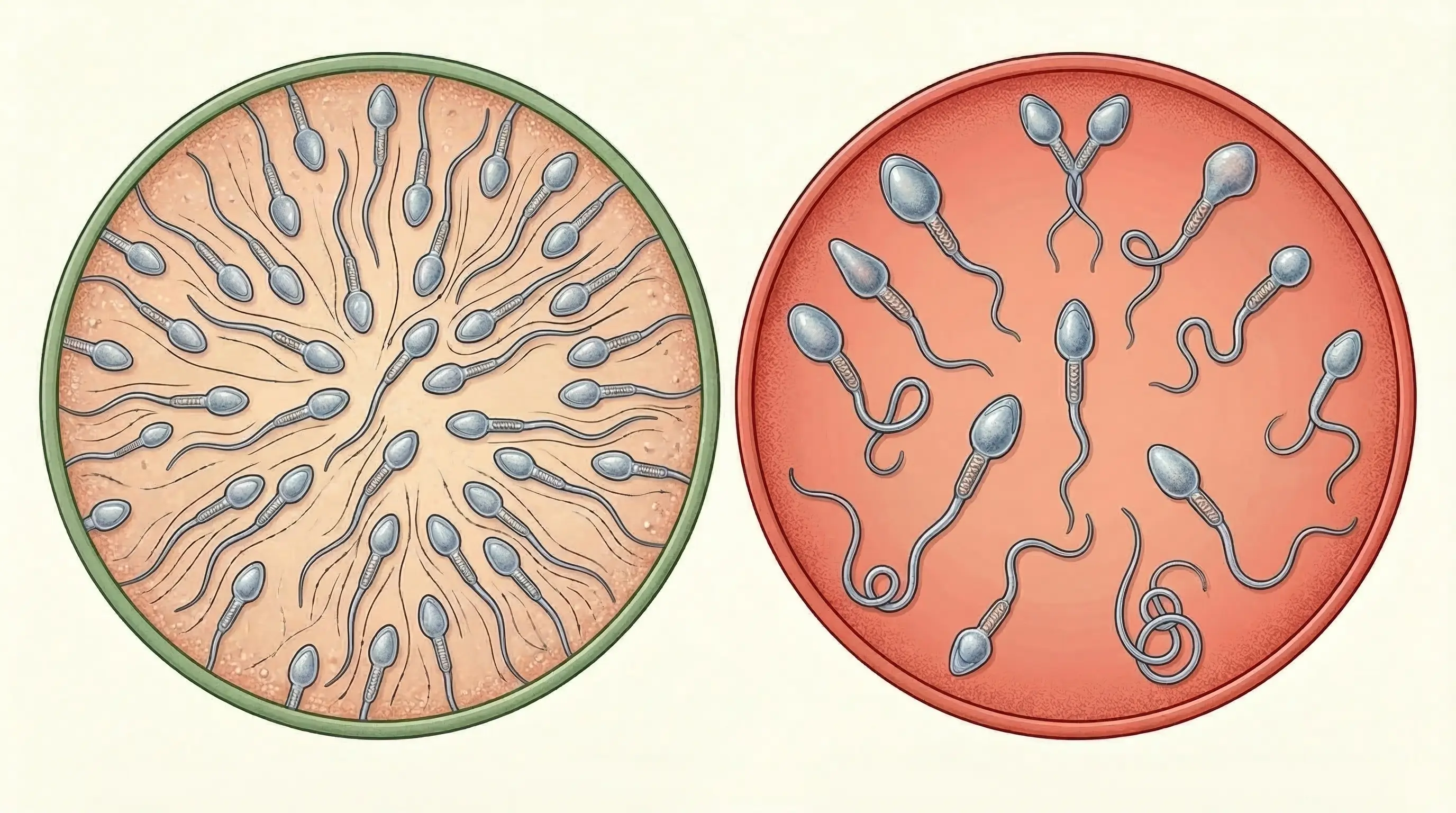
Sperm donors undergo thorough medical, genetic, and psychological screening.[^2][^3] Both ESHRE and the ASRM recommend a comprehensive evaluation of donors, including screening for sexually transmitted infections and heritable conditions.[^1][^3] A study on sperm donor populations highlighted that semen quality among potential donors has decreased over time, reflecting wider trends in male reproductive health.[^8]
Global Factors Affecting Sperm Donation
Multiple factors influence a man’s decision to donate sperm, including legal frameworks, anonymity policies, cultural attitudes, and financial compensation.[^9]
Previously, some countries excluded men based on their sexual orientation or same-sex sexual history. That approach is increasingly being reconsidered in favour of individual risk assessment that does not discriminate on the basis of sexual preference.[^9] Countries, such as the UK and Denmark, already allow donation regardless of sexual orientation.[^9]
→ Learn more: Male Infertility
Egg (Oocyte) Donation
The first oocyte donation was performed in 1983 in Australia.[^2] Today, donor-oocyte cycles represent the most successful ART treatment worldwide, with live birth rates ranging from approximately 40% to 55% depending on whether fresh or frozen oocytes are used.[^16][^20]
Who Needs Egg Donation?
The most common reason women need donor oocytes is diminished ovarian reserve due to advanced maternal age — the gradual decline in egg quality and quantity that accelerates after 35.[^16][^20] In the largest US national dataset, three out of four donor-oocyte recipients reported diminished ovarian reserve as their primary diagnosis.[^20]
Premature ovarian insufficiency (POI) — menopause before age 40 — is another important indication, accounting for up to 88% of recipients in some single-centre studies.[^16] Other indications include risk of passing on a genetic condition or postponement of motherhood for social or professional reasons.[^16]
The use of donor oocytes has risen sharply. In the UK, 3 924 women underwent IVF with donor oocytes in 2016 — a 105% increase compared to 2006. In the USA, 24 049 donor-oocyte IVF cycles were performed in 2018.[^16]
Risks and Considerations for Egg Donation
Pregnancies achieved through oocyte donation carry a higher risk of certain complications. The risk of pre-eclampsia — a pregnancy condition after 20 weeks marked by high blood pressure and organ dysfunction, often with protein in the urine — is approximately 2 to 3 times higher than in standard IVF pregnancies.[^13] One leading hypothesis: the genetically unrelated embryo may trigger a more pronounced maternal immune response. Hypertensive disorders of pregnancy are also more frequent.[^13]
Donors face the short-term risks of ovarian stimulation, including ovarian hyperstimulation syndrome (OHSS), discomfort from hormonal medications, infection or bleeding after oocyte retrieval, and the emotional toll of the donation process.[^14] A study on donor awareness found that only 38% of oocyte donors were fully informed about all potential risks — highlighting the need for thorough counselling.[^14]
For recipients, age remains a key factor: those who achieved pregnancy were, on average, significantly younger than those who did not (41.7 vs 45.3 years in one study).[^16] Known (non-anonymous) donation carries unique psychosocial considerations, including managing the ongoing relationship between donor and recipient.[^15]
→ Learn more: Assisted Reproductive Technology (ART)
Embryo Donation
Embryo donation involves transferring an embryo from one couple (or from a double-gamete donation) to another individual or couple. The embryos may be surplus embryos from couples who have completed their family through IVF, or they may be intentionally created from donated sperm and donated oocytes — a practice more accurately termed “double donation.”[^1][^21] Regulations vary widely: some countries permit the donation of embryos created from a couple’s own gametes, while others allow donation only of embryos created exclusively from donated gametes.[^1]
Between 2010 and the recent reporting periods, the use of embryo donation has been increasing.[^21] The ASRM Ethics Committee defines embryo donation as the relinquishment of rights over cryopreserved embryos for reproductive use by others.[^18] The UK’s Human Fertilisation and Embryology Authority (HFEA) provides guidance and frequently asked questions about the process.[^17]
National trends in the USA from 2004–2019 show that embryo donation cycles and live births have been increasing over time.[^19] Ethically, embryo donation raises unique questions compared to single-gamete donation, as neither intended parent shares a genetic link with the child.[^21]
→ Learn more: In Vitro Fertilization (IVF)
Surrogacy
Surrogacy is an ART practice in which a person — the gestational carrier — becomes pregnant, carries, and delivers a child on behalf of another couple or individual, the intended parent(s).[^5] The number of surrogacy cases has been rising globally, although they remain difficult to quantify because few registers collect specific data on surrogacy.[^5][^6]
Types of Surrogacy
Type | Description |
Gestational Surrogacy | The carrier has no genetic link to the child. Embryos are created using the gametes of the intended parents or donors. The ASRM recommends this form. |
Traditional Surrogacy | The carrier provides her own oocyte and is therefore the genetic mother. In most jurisdictions, the carrier is considered both the biological and legal mother until a court order or other legal process transfers parental rights to the intended parents. This modality has largely been abandoned, and the ASRM recommends against it. |
Altruistic Surrogacy | The carrier is not paid beyond reimbursement of reasonable expenses and loss of income. |
Commercial Surrogacy | The carrier receives financial compensation for the surrogacy. In the USA, carrier compensation ranges from $20 000 to $55 000. In lower-income countries such as Ukraine, carrier compensation has been reported at around $20 000. |
Sources: Shenfield F, et al. Hum Reprod (2025);[^5] Brandão P, Garrido N. Rev Bras Ginecol Obstet (2022)[^6]
Indications for Surrogacy
Medical indications include an absent or scarred uterus (for example, congenital conditions such as Mayer–Rokitansky–Küster–Hauser syndrome, hysterectomy), medical contraindications to pregnancy (for example, severe heart or renal disease, cancer survivors who cannot carry), and recurrent pregnancy loss or repeated IVF failures.[^5] Non-medical indications include male same-sex couples or single males wishing to pursue parenthood.[^5]
Surrogacy Costs
In the USA, a complete surrogacy process may cost up to $200 000, including $20 000–80 000 for medical expenses, $3 000–15 000 for legal support, $6 000–54 000 for recruiting programmes, and $20 000–55 000 for carrier compensation.[^6]
In Europe, costs vary dramatically by country and programme type. In countries where commercial surrogacy is legal — such as Ukraine (where the practice remains legal although the ongoing war has made arrangements considerably harder) and Georgia — total costs are substantially lower. Ukrainian carriers have been compensated at around $20 000 per surrogacy, with total programme costs typically ranging from $30 000 to $50 000.[^6] In jurisdictions that permit only altruistic surrogacy (for example, Greece, the UK, Belgium, Portugal), the intended parents still cover medical, legal, and living expenses, but carrier compensation beyond reimbursement is prohibited.[^5][^6]
Legal Considerations
The legal landscape for donor programmes and surrogacy varies enormously across the world. More than half the countries surveyed by the International Federation of Fertility Societies (IFFS) reported having legislation covering gamete donation: 40 out of 73 for oocyte donation and a similar proportion for sperm donation.[^1] National legislation on surrogacy, however, is far more fragmented.[^6]
Surrogacy Laws Worldwide
Legislation ranges from a complete ban (for example, France, Germany, Italy, Spain) to permitted if altruistic (for example, Greece, UK, Belgium, Portugal) to commercial surrogacy allowed (for example, certain US states, Georgia, and Ukraine, where it remains legal although the war has made arrangements considerably harder).[^5][^6] In the USA, by 2021, 16 states explicitly allowed commercial surrogacy, 7 states implicitly allowed it, 5 states prohibited it, and 22 states had no legal statute at all.[^6]
Cross-border surrogacy has been growing as patients seek treatment abroad where it is legal and more affordable. This leads to significant legal complications, particularly regarding the legal recognition of children born abroad and the establishment of parenthood upon return home.[^5][^6] Italy, for example, passed a 2024 law criminalising citizens who seek surrogacy abroad, with penalties including imprisonment.[^5]
Donor Anonymity
Donor anonymity remains one of the most debated topics in reproductive medicine. The global picture is a patchwork: some countries guarantee full lifetime anonymity (for example, Spain, Czech Republic, Latvia), while others have moved to mandatory identity release once the donor-conceived person reaches adulthood — typically at age 18 (for example, Sweden, UK, Finland, the Netherlands).[^1][^2][^9]
These differences drive cross-border reproductive care. A telling example: Swedish law grants donor-conceived individuals the right to identify donor information at age 18. As a result, many Swedish patients travel to neighbouring countries with full anonymity — such as Latvia or Spain — for donor gamete treatment.[^1][^9]
Evolving legal trends increasingly recognise the right of donor-conceived people to access identifying information about their donors.[^2][^9] The rise of publicly accessible DNA databases and direct-to-consumer genetic testing further complicates the sustainability of long-term anonymity — even in countries where it is legally protected, genetic matches can reveal donor identity.[^1][^2]
Ethical and Psychosocial Aspects
Ethical standards in donor programmes must consistently protect the rights of all parties: donors, recipients, and offspring.[^1][^2][^22] The International Federation of Gynaecology and Obstetrics (FIGO) Committee emphasises that individuals making the profound decision to donate gametes must be equipped with full knowledge to make this choice with complete awareness.[^2]
Informed Consent
Informed consent is the cornerstone of ethical donor programmes. Both donors and recipients must be thoroughly informed about the medical, emotional, psychological, and legal implications.[^2][^3] Counselling should be provided separately to all parties — before, during, and after the procedure.[^1][^2]
Preventing Exploitation
Financial incentives must not overshadow ethical considerations. ESHRE has stated that “payment for services is unacceptable; only reimbursement of reasonable expenses and compensation for loss of actual income should be considered.”[^6] FIGO also recommends that surrogate arrangements should not be commercial.[^2] The American Medical Association (AMA) Code of Medical Ethics provides additional guidelines on responsible gamete donation practices.[^22]
The Ethics of Surrogacy
The ESHRE Ethics Committee concludes that non-commercial surrogacy is an acceptable method of assisted reproduction for specific indications. When using surrogacy, it is essential to have measures that protect all parties, guarantee well-considered decision-making, and minimise risks.[^5] Concerns include the potential for women to be viewed merely as a “way to conception” and children as products of conception.[^6] The recent EU Directive on Human Trafficking considers exploitation of a surrogate through coercion or deception as a form of human trafficking.[^5]
Success Rates and Outcomes
Outcomes of donor-assisted reproduction depend on the type of donation, the age of the recipient, and the treatment protocol used.
Donor Sperm Outcomes
Treatment Type | Live Birth Rate per Cycle |
IUI with donor sperm | 8–17% (clinical pregnancy rate). |
IVF with donor sperm | 30–45%. |
Co-IVF (reciprocal IVF) | Approximately 61%. |
Source: Diego D, et al. J Assist Reprod Genet (2022)[^7]
A Danish nationwide study comparing donor sperm vs. partner sperm in ART found that the type of sperm used can affect outcomes, with nuanced differences depending on the treatment protocol and patient characteristics.[^10] For women aged 40 and older undergoing IVF with donor sperm, reproductive outcomes remain encouraging, although age-related decline still applies.[^11]
Donor Oocyte Outcomes
Donor-oocyte cycles achieve the highest success rates in assisted reproduction. In one study, the overall clinical pregnancy rate was 47.6%, and the live birth rate was 41.3%.[^16] Cumulative pregnancy rates after four donor-oocyte cycles can reach 70–80%.[^16]
A large US national study (2013–2020) of 135 085 donor-oocyte embryo transfer cycles found that the use of frozen embryos has increased substantially (from 42.3% to 76.6%), as has single embryo transfer (from 36.4% to 85.5%).[^20] Live birth rates were slightly higher with fresh vs. frozen donor oocytes (55.9% vs. 46.2% for fresh embryo transfers), but neonatal outcomes (term, normal-birthweight singletons) were comparable.[^20]
Surrogacy Outcomes
Pregnancy rates after surrogacy are satisfactory and comparable to those reported for similar ART treatments without surrogacy.[^5] Safety concerns are similar to other ART procedures and depend on factors such as the age of the oocyte provider and the specific protocols used.[^5]
Living with Donor Conception or Surrogacy
One of the most important long-term considerations in third-party reproduction is how families handle the psychological and emotional aspects of donor conception and surrogacy.
Child Well-being
Research has shown that the quality of children’s relationships with their family and the attitudes of the society in which they live matter more than their mode of conception.[^5] The parent–child relationship in surrogacy-born families has been found to be good.[^5]
A study comparing children born through embryo donation (ages 3–7) with naturally conceived children found no statistically significant differences in psychological adjustment or parenting styles.[^23] The authors concluded that the lack of a genetic parent–child relationship does not appear to be a dominant factor affecting children’s psychological well-being.[^23]
Psycho-emotional Acceptance
Psychological counselling is valuable for both couples and single women choosing IVF with donor eggs. A study on psycho-emotional acceptance found that addressing feelings about using donated gametes — including grief over the loss of a genetic connection — is a critical part of the treatment process.[^24] When donors are known (non-anonymous), both donors and recipients face additional emotional complexities that benefit from specialised fertility counselling.[^15]
Disclosure
Both ESHRE and FIGO recommend openness about donor conception towards the child.[^1][^2] The potential wish of future children to know their genetic origins should be taken into account by parents.[^5] Research indicates that secrecy about donor conception can be detrimental to family communication and the psychological well-being of children.[^23]
Surrogacy and Families
Families of gestational surrogates also experience a complex emotional process. Research on the psychological impact of surrogacy on the families of gestational surrogates suggests that with appropriate support and counselling, outcomes are generally positive, but the process requires sensitivity and ongoing attention.[^25]
→ Learn more: Assisted Reproductive Technology (ART)
So, What Should You Do Now?
If you’re considering donor programs or surrogacy, here are the steps to get started.
Step 1: Talk to a Fertility Specialist
Schedule a consultation with a reproductive endocrinologist or fertility specialist who can assess your situation and explain which donor or surrogacy options may be right for you.
Step 2: Understand the Legal Framework
Research the laws governing donor conception and surrogacy in your country — and in any country you’re considering for cross-border treatment. Legal counsel specialised in reproductive law is strongly recommended.
Step 3: Seek Psychological Counselling
Both ESHRE and FIGO recommend counselling for all parties involved — donors, recipients, and (where relevant) gestational carriers. This isn’t optional preparation; it’s a core part of the process.
Step 4: Review Success Rates and Risks
Ask your clinic about success rates specific to your age, diagnosis, and the type of donation or surrogacy you’re considering. Don’t rely on headline numbers — your individual profile matters.
Step 5: Choose the Right Clinic
Compare clinics based on their experience with donor programs and surrogacy, transparency about outcomes, and the support services they offer.
→ Compare fertility clinics worldwide: MedicalNavigator.com/fertility-clinics
Too Long, Didn’t Read
Donor programmes (sperm, egg, and embryo) and surrogacy help people who cannot conceive with their own gametes build families.
Donor-oocyte IVF is the highest-success-rate ART treatment, with live birth rates ranging from 40% to 55% per cycle.
Sperm donation IVF live birth rates range from approximately 30–45% per cycle, depending on the recipient’s age.
Legal frameworks vary enormously — from complete bans to fully regulated commercial surrogacy.
Surrogacy pregnancy rates are comparable to standard ART treatments without surrogacy.
Children conceived through donor programmes show no significant differences in psychological adjustment compared to naturally conceived children.
References
[^1]: ESHRE Working Group on Reproductive Donation. Good practice recommendations for information provision for those involved in reproductive donation. Hum Reprod Open. 2022;2022(1):hoac001.
[^2]: Henry L, Antsaklis A, Feldberg D, et al. FIGO position statement: Gamete donations. Int J Gynaecol Obstet. 2025;170(1):15–24.
[^3]: American Society for Reproductive Medicine. Guidance regarding gamete and embryo donation. Fertil Steril. 2021;115(6):1395–1410.
[^4]: Bashiri A, Cherlow Y, Kresch-Jaffe T. Surrogacy: An important pathway to parenthood. J Reprod Immunol. 2024;163:104247.
[^5]: Shenfield F, Tarlatzis B, Baccino G, et al. (ESHRE Ethics Committee). Ethical considerations on surrogacy. Hum Reprod. 2025;40(3):420–425.
[^6]: Brandão P, Garrido N. Commercial Surrogacy: An Overview. Rev Bras Ginecol Obstet. 2022;44(12):1141–1158.
[^7]: Diego D, Medline A, Shandley LM, Kawwass JF, Hipp HS. Donor sperm recipients: fertility treatments, trends, and pregnancy outcomes. J Assist Reprod Genet. 2022;39(10):2303–2310.
[^8]: Fonseca ACS, Barreiro M, Tomé A, Vale-Fernandes E. Male Reproductive Health — study of a sperm donor population. JBRA Assist Reprod. 2022;26(2):247–254.
[^9]: Mincheva M, Fraire-Zamora JJ, Sharma K, et al. To be or not to be a sperm donor: global factors affecting sperm donation in the 21st century. Hum Reprod. 2025;40(6):1234–1240.
[^10]: Catalini L, Fedder J, Nørgård BM, Jølving LR. Assisted Reproductive Technology Results Using Donor or Partner Sperm: A Danish Nationwide Register-Based Cohort Study. J Clin Med. 2023;12(7):2571.
[^11]: Bortoletto P, Willson S, Romanski PA, Davis OK, Rosenwaks Z. Reproductive outcomes of women aged 40 and older undergoing IVF with donor sperm. Hum Reprod. 2021;36(1):229–235.
[^12]: ESHRE. Egg Donation (patient leaflet).
[^13]: Silvestris E, Petracca EA, Mongelli M, et al. Pregnancy by Oocyte Donation: Reviewing Fetal-Maternal Risks and Complications. Int J Mol Sci. 2023;24(18):13945.
[^14]: Tulay P, Atılan O. Oocyte donors’ awareness on donation procedure and risks. J Turk Ger Gynecol Assoc. 2019;20(4):236–242.
[^15]: Martin N, Mahmoodi N, Hudson N, Jones G. Recipient and donor experiences of known egg donation. J Reprod Infant Psychol. 2020;38(4):354–366.
[^16]: Robin FK, Andrade GM, Bos-Mikich A, Frantz N, Zocche DAA, Leal SMC. Donor oocyte cycle characteristics and outcomes. JBRA Assist Reprod. 2023;27(2):185–190.
[^17]: Human Fertilisation & Embryology Authority. Donating your embryos.
[^18]: Ethics Committee of the American Society for Reproductive Medicine. Defining embryo donation: an Ethics Committee opinion. Fertil Steril. 2023;119(6):944–947.
[^19]: Lee JC, DeSantis CE, Boulet SL, Kawwass JF. Embryo donation: national trends and outcomes, 2004–2019. Am J Obstet Gynecol. 2023;228(3):318.e1–318.e7.
[^20]: Braun CB, DeSantis CE, Lee JC, Kissin DM, Kawwass JF. Trends and outcomes of fresh and frozen donor oocyte cycles in the United States. Fertil Steril. 2024;122(5):844–855.
[^21]: Huele EH, Kool EM, Bos AME, Fauser BCJM, Bredenoord AL. The ethics of embryo donation. Hum Reprod. 2020;35(10):2171–2178.
[^22]: American Medical Association. Code of Medical Ethics: 4.2.2 Gamete Donation.
[^23]: Kaveh M, Hosseini SH, Sharif Nia H, Peyvandi S. The Impact of Embryo Donation Technology on Child Psychological Adjustment and parenting styles. Int J Fertil Steril. 2025;19(1):96–103.
[^24]: Montagnini HL, Kimati CT, Lorenzon AR, et al. Psycho-emotional acceptance in couple and single women who choose to undergo IVF treatment with donor eggs. JBRA Assist Reprod. 2023;27(2):259–266.
[^25]: Riddle MP. The psychological impact of surrogacy on the families of gestational surrogates. J Psychosom Obstet Gynaecol. 2022;43(2):122–127.
This guide is for informational purposes only. Always consult qualified healthcare providers for personalized recommendations. For full details, read our Medical Disclaimer.

Author of the article
Date of publication