


Fertility

Last updated:

Endometriosis

Author:

Juraj Xavier Gabzdil, MBA., MSc.

Medicaly approved by:

Ingemārs Sokolovskis, MBA., MSc. & MUDr. Peter Kosoň, PhD.

Fertility

Last updated:

Endometriosis

Author:

Juraj Xavier Gabzdil, MBA., MSc.

Medicaly approved by:

Ingemārs Sokolovskis, MBA., MSc. & MUDr. Peter Kosoň, PhD.

Fertility

Last updated:

Endometriosis

Author:

Juraj Xavier Gabzdil, MBA., MSc.

Medicaly approved by:

Ingemārs Sokolovskis, MBA., MSc. & MUDr. Peter Kosoň, PhD.

What you will get

Endometriosis affects an estimated 10% of reproductive-age women worldwide. Yet the average time from symptom onset to diagnosis is 4 to 12 years.

If you’re experiencing chronic pelvic pain, painful periods, or struggling to conceive, this guide will help you understand your symptoms, seek the right diagnosis, and explore effective treatment options.

What You’ll Get

  • What endometriosis is and how it develops

  • Types of endometriosis: superficial, ovarian, and deep infiltrating

  • The rASRM staging system (Stage I–IV) explained

  • Common symptoms and clinical presentation

  • Impact on fertility: egg quality, implantation, tubal function

  • Diagnosis methods: laparoscopy, imaging, biomarkers

  • Treatment options: pain management, hormonal therapy, and surgery

  • Assisted reproduction for endometriosis-related infertility: IUI, IVF, ICSI

  • Living with endometriosis and pain management strategies

What Is Endometriosis?

Endometriosis is a chronic inflammatory disease characterised by the presence of endometrium-like tissue (tissue normally found only in the lining of the uterus) growing outside the uterus. This misplaced tissue causes inflammation, scar tissue formation, and a range of symptoms that can significantly impact quality of life.

The condition most commonly occurs in the pelvis but can also develop elsewhere in the body, including the abdomen and chest.

Symptoms often begin in adolescence, sometimes around menarche, but may also develop later in reproductive life and can persist through menopause.

Endometriosis affects women regardless of ethnic origin or social status, and can also affect transgender men and non-binary individuals who menstruate.

There is currently no known cure for endometriosis. However, symptoms can be effectively managed with medications or, in some cases, surgery.

What Causes Endometriosis?

The exact causes of endometriosis remain unknown. However, emerging research suggests the condition is associated with immune system dysregulation (these associations do not imply a direct causal relationship).

Women with endometriosis have higher rates of other immune-mediated conditions, such as lupus, multiple sclerosis, and inflammatory bowel disease (IBD).

A family history of endometriosis increases risk, supporting a genetic component to the disease.

What Are the Types of Endometriosis?

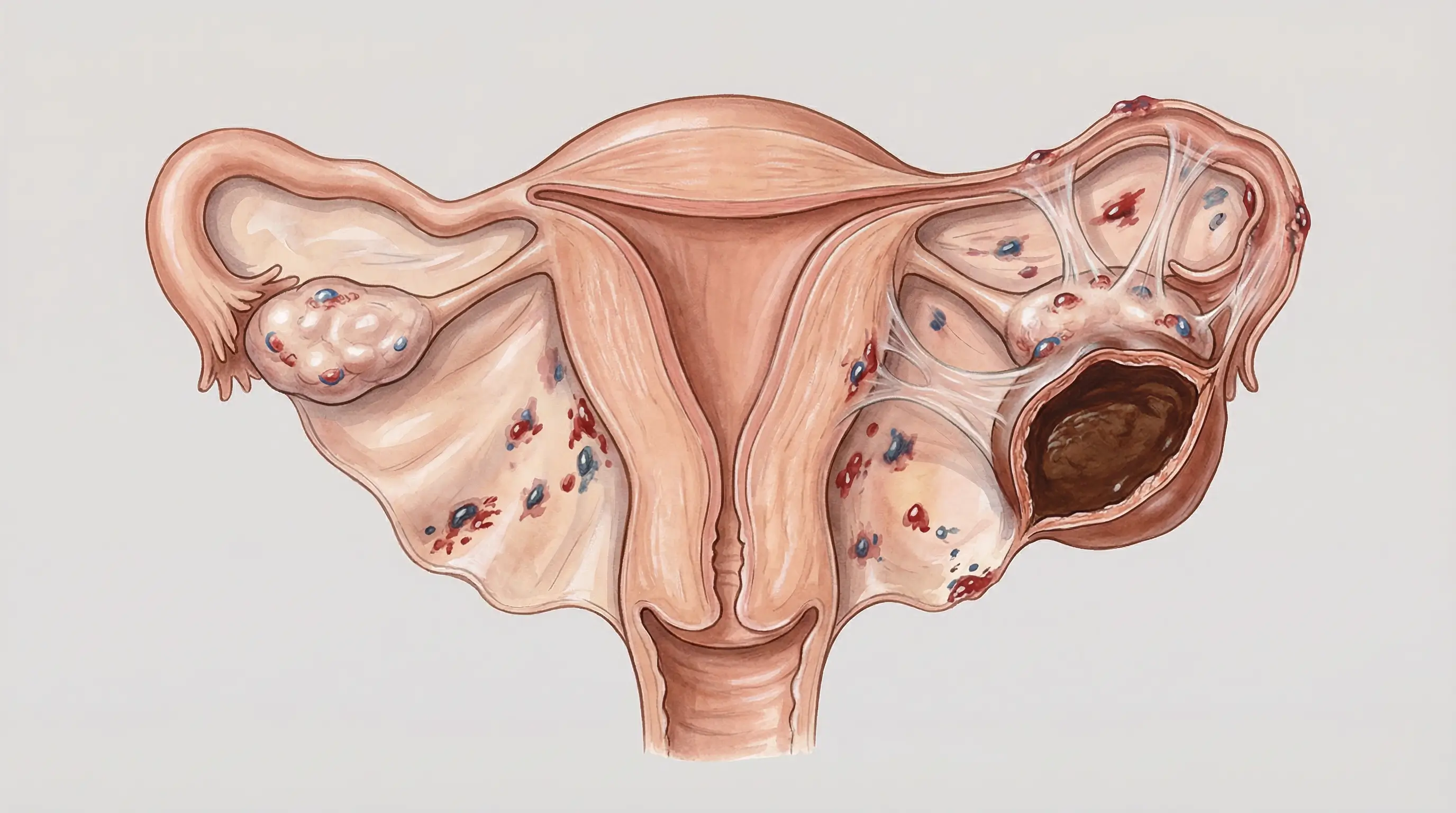
Pelvic endometriosis is a heterogeneous condition that can be divided into three different entities:

1. Superficial Peritoneal Endometriosis

Lesions on the surface of the peritoneum (the lining of the abdominal cavity). These are typically small and may appear as ‘red’, ‘blue/black’, or ‘white’ lesions depending on their activity level. Red lesions are regarded as most active, while white lesions are mostly fibrotic.

2. Ovarian Endometriosis (Endometriomas)

Also known as ‘chocolate cysts’, these are cystic lesions on the ovaries filled with thick, old blood that gives them a characteristic brown colour. Endometriomas commonly have a fibrotic wall and are rarely the only manifestation of endometriosis — they often indicate more extensive and deep disease.

3. Deep Infiltrating Endometriosis (DIE)

Defined as endometriosis that invades more than 5 mm below the peritoneal surface. Deep Infiltrating Endometriosis (DIE) can involve many areas, including visceral organs (bowel, bladder), the pelvic wall, and retroperitoneal structures (ureters, nerves, blood vessels). This form of endometriosis often causes the most severe symptoms.

What Is the rASRM Staging System?

The most widely used classification system for endometriosis is the revised American Society for Reproductive Medicine (rASRM) score. This system uses a point-based approach to categorise disease severity based on surgical findings and to help predict fertility outcomes.

Stage

Severity

Points

Stage I

Minimal

1–5 points

Stage II

Mild

6–15 points

Stage III

Moderate

16–40 points

Stage IV

Severe

>40 points

Source: rASRM Classification

Important:
Disease severity as defined by the rASRM staging system does not correlate with symptom severity. Women with Stage I (minimal) disease may experience severe pain and infertility, while some women with Stage IV (severe) endometriosis can be asymptomatic.

What Are the Symptoms of Endometriosis?

Symptoms in women with endometriosis are variable and broad. Some women experience debilitating symptoms, while others may be completely asymptomatic.

Common Symptoms

  • Dysmenorrhea: Severe pain during menstruation, often starting 1–2 days before and lasting throughout the period

  • Chronic pelvic pain: Pain that does not go away when the menstrual cycle ends

  • Deep dyspareunia: Pain during or after sexual intercourse

  • Dysuria: Painful urination, especially during menstruation

  • Dyschezia: Painful bowel movements

  • Heavy menstrual bleeding

  • Infertility: Difficulty conceiving

  • Fatigue: Chronic tiredness, though the exact mechanism remains unclear

  • Abdominal bloating and nausea

Studies show that pain intensity does not reliably correlate with the extent or location of endometriotic lesions.

Mental Health Impact

Endometriosis can significantly impact mental health, including depression and anxiety. The chronic nature of the disease, ongoing pain, fertility concerns, and impact on sexual health can all contribute to psychological distress. Quality of life studies consistently show reduced well-being in women with endometriosis compared to the general population.

How Does Endometriosis Affect Fertility?

Approximately 30–50% of women with endometriosis have fertility problems, particularly those under 35 years of age. Reciprocally, endometriosis is identified in approximately 25–50% of infertile women.

How Does Endometriosis Impair Conception?

  • Anatomical disruption: Extensive adhesions can create mechanical obstacles that prevent fertilisation

  • Impaired egg quality: Endometriosis is thought to have a detrimental effect on oocyte (egg) quality

  • Reduced ovarian reserve: Women undergoing IVF may have decreased numbers of retrieved oocytes and need higher gonadotropin doses

  • Surgical damage: Ovarian surgery to remove endometriomas has been shown to reduce postoperative AMH levels

  • Impaired implantation: Considerable debate exists about the effect of endometriosis on uterine receptivity

→ Learn more: Female Infertility

How Is Endometriosis Diagnosed?

One of the greatest challenges in endometriosis is the significant delay in diagnosis. Currently, the average time from symptom onset to diagnosis is 4–12 years. This delay occurs because symptoms can be variable and may overlap with other conditions.

Diagnostic Methods

Clinical History and Examination

A careful menstrual health history — including pain, heaviness of bleeding, and associated symptoms — can help with diagnosis. Clinical examination, including vaginal examination where appropriate, should be considered to identify deep nodules or endometriomas, although diagnostic accuracy is low.

Imaging

Transvaginal ultrasound (TVUS): The first-line imaging approach. It can reliably identify or exclude endometriomas (sensitivity 93%, specificity 96%) and, when performed by an experienced operator, has high sensitivity (91%) and specificity (98%) for detecting deep endometriosis.

MRI: Almost equally successful for detecting deep endometriosis, but is more costly and should be regarded as a second-line imaging technique.

Important:
A negative imaging finding does not exclude endometriosis, particularly superficial peritoneal disease.

Laparoscopy

Laparoscopic surgery, in which endometrial tissue can be directly visualised and tissue samples removed for examination, remains the gold standard for definitive diagnosis. However, it is an invasive procedure with potential complications and is not always necessary before initiating treatment.

Biomarkers

Currently, no reliable biomarkers exist in endometrial tissue, blood, menstrual or uterine fluids to diagnose endometriosis. New and emerging diagnostic tests, including simple symptom checklists and blood tests, are being investigated.

What Are the Treatment Options for Endometriosis?

There is no definitive cure for endometriosis. Treatments aim to control symptoms, limit long-term impacts, and address fertility concerns based on individual preferences, side effects, costs, and whether pregnancy is desired.

Medical Treatment

Pain Management

NSAIDs (Non-steroidal anti-inflammatory drugs): Such as ibuprofen and naproxen, are often used to treat pain either alone or in combination with other treatments.

Hormonal Treatments

Hormonal medicines can reduce pain severity and frequency in some women. Options include:

  • Combined hormonal contraceptives (pill, patch, ring): Reduce dyspareunia, dysmenorrhea, and non-menstrual pain.

  • Progestogens (hormonal IUD, DMPA, oral progestins): Effective for reducing endometriosis-associated pain.

  • GnRH agonists: Recommended as second-line treatment due to their side effect profile; add-back therapy should be considered to prevent bone loss.

  • GnRH antagonists: May be considered for pain reduction.

  • Aromatase inhibitors: For pain refractory to other treatments, often prescribed in combination with other hormonal treatments.

Important:
Some hormonal methods may not be suitable for women who want to get pregnant.

Surgical Treatment

Surgery can remove endometriosis lesions, adhesions, and scar tissue. It is recommended as one of the options to reduce endometriosis-associated pain.

  • Laparoscopic surgery: Minimally invasive approach; excision is generally preferred over ablation for pain relief.

  • Cystectomy: For ovarian endometriomas, it reduces recurrence compared to drainage and coagulation.

  • Hysterectomy: May be considered for women who no longer wish to conceive and have not responded to other treatments. However, hysterectomy is not a cure, and some women may still experience symptoms.

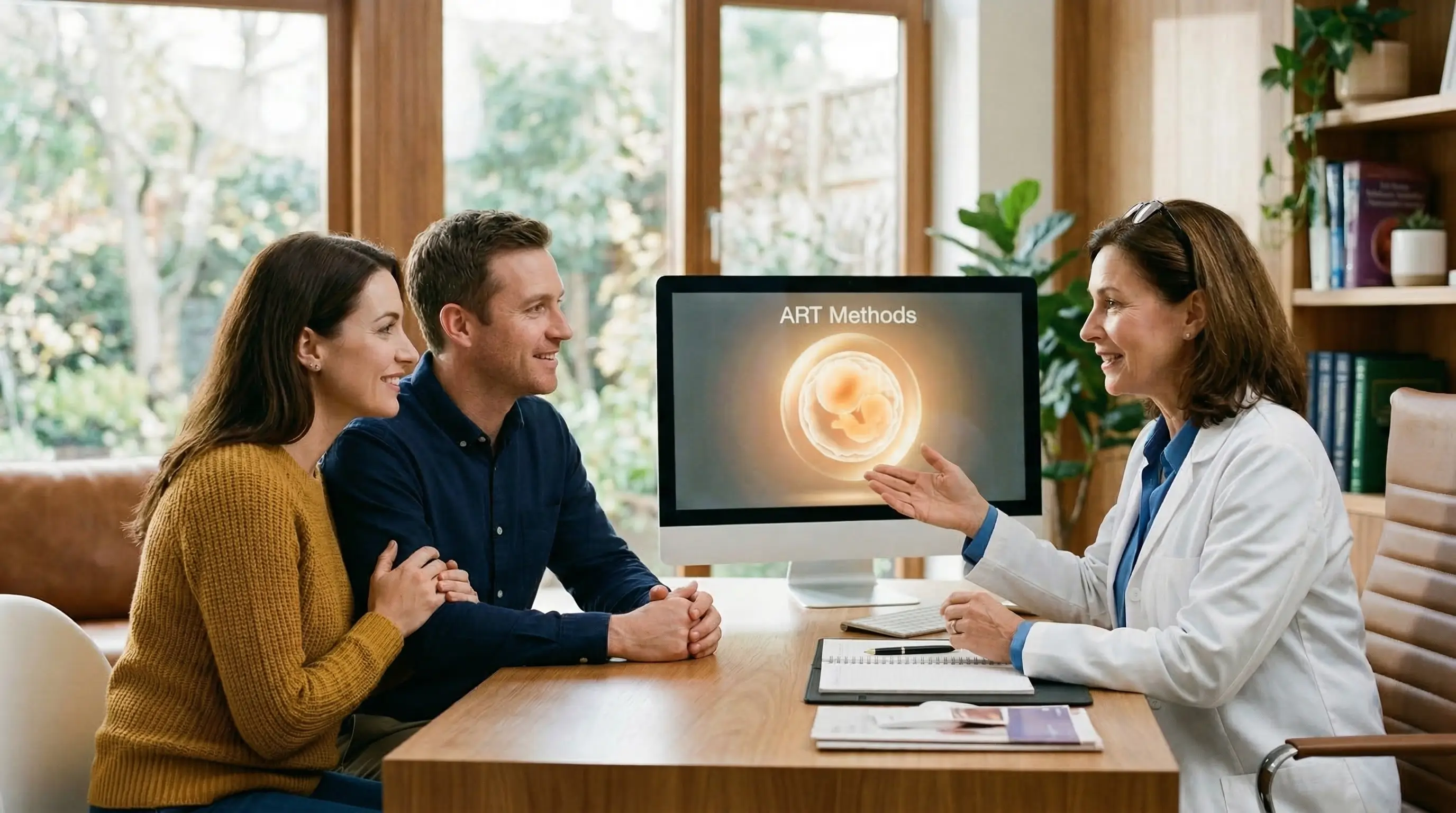
Assisted Reproductive Technology (ART)

Fertility treatments, including ovulation induction, IUI, or IVF, may be recommended for women struggling to conceive due to endometriosis.

Method

Description

Best For

IUI

Prepared sperm is placed directly into the uterus using a thin catheter at the time of ovulation.

Mild endometriosis, open tubes

IVF

Oocytes are retrieved and fertilised in a laboratory setting, where sperm are added under controlled conditions, and embryo(s) are transferred to the uterus.

Moderate–severe endometriosis, tubal involvement

ICSI

A single sperm is injected directly into each oocyte.

Combined male factor, previous IVF failure

Source: ESHRE Endometriosis Guideline

→ Treatment options: IVF, Ovulation Induction

What Is It Like Living with Endometriosis?

Endometriosis has significant health, social, and economic implications. Severe pain, heavy bleeding, fatigue, depression, anxiety, infertility, poor sexual health, and social isolation can dramatically reduce quality of life.

Pain Management Strategies

In addition to medical treatment, multidisciplinary approaches can help reduce endometriosis-related pain and improve quality of life:

  • Physiotherapy: Targets physical symptoms, including pelvic floor muscle abnormalities.

  • Cognitive Behavioural Therapy (CBT): Addresses the emotional burden associated with the disease.

  • Support groups: Local patient support groups can provide additional advice and emotional assistance.

So, What Should You Do Now?

If you suspect endometriosis or have already been diagnosed, here are the practical next steps to take control of your health.

Step 1: Track Your Symptoms

Keep a detailed record of your menstrual pain, pelvic pain, bowel and bladder symptoms, and their timing. Note how symptoms affect your daily life. This information is invaluable for your healthcare provider and can help shorten the path to diagnosis.

Step 2: Seek a Specialist Evaluation

If you experience chronic pelvic pain or difficulty conceiving, request a referral to a gynaecologist experienced in endometriosis. A thorough clinical history and transvaginal ultrasound are recommended as the first-line diagnostic steps.

Step 3: Understand Your Treatment Options

Discuss with your doctor whether medical management (pain relief, hormonal therapy), surgical treatment, or assisted reproduction is most appropriate for your situation. Treatment should be individualised based on your symptoms, age, fertility goals, and disease severity.

Step 4: Assess Your Fertility Early

If you are planning to conceive, ask about ovarian reserve testing (AMH, antral follicle count) and discuss fertility preservation options, especially if surgery is being considered.

Step 5: Choose the Right Clinic

Care for endometriosis-associated infertility is best undertaken in referral centres where a multidisciplinary approach can be offered and where both surgery and IVF services are available.

→ Compare fertility clinics worldwide: MedicalNavigator.com/fertility-clinics

Too Long, Didn’t Read…

  • Endometriosis affects 10% of reproductive-age women.

  • Diagnosis is delayed 4–12 years on average; don’t dismiss chronic pelvic pain.

  • 30–50% of women with endometriosis experience fertility problems.

  • Staging (I–IV) does not correlate with symptom severity.

  • Ultrasound is the first-line diagnostic tool; laparoscopy remains the gold standard.

  • Treatment options include pain medication, hormonal therapy, surgery, and ART for fertility.

  • There is no cure, but effective management is possible with the right approach.


References

1. World Health Organization. Endometriosis Fact Sheet. October 2025.

2. ESHRE Endometriosis Guideline Development Group. Guideline of European Society of Human Reproduction and Embryology: Endometriosis. 2022.

3. Tsamantioti ES, Mahdy H. Endometriosis. [Updated 2023 Jan 23]. In: StatPearls [Internet]. Treasure Island (FL): StatPearls Publishing; 2025 Jan-.

4. Zondervan KT, Becker CM, Koga K, et al. Endometriosis. Nat Rev Dis Primers. 2018;4:9.

5. Imperiale L, Nisolle M, Noël JC, Fastrez M. Three Types of Endometriosis: Pathogenesis, Diagnosis and Treatment. State of the Art. J Clin Med. 2023;12(3):994.

6. Lee SY, Koo YJ, Lee DH. Classification of endometriosis. Yeungnam Univ J Med. 2021;38(1):10–18.

7. Hudelist G, Valentin L, Saridogan E, et al. What to choose and why to use — a critical review on the clinical relevance of rASRM, EFI and Enzian classifications of endometriosis. Facts Views Vis Obgyn. 2021;13(4):331–338.

8. Capezzuoli T, Clemenza S, Sorbi F, et al. Classification/staging systems for endometriosis: the state of the art. GREM Gynecological and Reproductive Endocrinology & Metabolism. 2020;1(1):14–22.

9. Parasar P, Ozcan P, Terry KL. Endometriosis: Epidemiology, Diagnosis and Clinical Management. Curr Obstet Gynecol Rep. 2017;6(1):34–41.

10. InformedHealth.org [Internet]. Cologne, Germany: IQWiG; 2006-. Endometriosis: Learn More — The symptoms of endometriosis. [Updated 2025 Mar 25].

11. Elizur SE, Mostafa J, Berkowitz E, Orvieto R. Endometriosis and infertility: pathophysiology, treatment strategies, and reproductive outcomes. Arch Gynecol Obstet. 2025;312(4):1037–1048.

12. Bonavina G, Taylor HS. Endometriosis-associated infertility: From pathophysiology to tailored treatment. Front Endocrinol (Lausanne). 2022;13:1020827.

13. InformedHealth.org [Internet]. Cologne, Germany: IQWiG; 2006-. Endometriosis: Learn More — Diagnosing endometriosis. [Updated 2025 Mar 25].

14. Ata B, Telek SB. Assisted reproductive technology for women with endometriosis, a clinically oriented review. Curr Opin Obstet Gynecol. 2021;33(3):225–231.

15. Lövkvist L, et al. Impact of endometriosis on women’s health-related quality of life: A national prospective cohort study. Maturitas. 2024;179:107896.

16. de Barros Meneguetti M, et al. Assessment of quality of life and psychological repercussions in women with endometriosis according to pain intensity. Psychol Health Med. 2023;28(6):1607–1617.

This guide is for informational purposes only. Always consult qualified healthcare providers for personalized recommendations. For full details, read our Medical Disclaimer.

What you will get

Endometriosis affects an estimated 10% of reproductive-age women worldwide. Yet the average time from symptom onset to diagnosis is 4 to 12 years.

If you’re experiencing chronic pelvic pain, painful periods, or struggling to conceive, this guide will help you understand your symptoms, seek the right diagnosis, and explore effective treatment options.

What You’ll Get

  • What endometriosis is and how it develops

  • Types of endometriosis: superficial, ovarian, and deep infiltrating

  • The rASRM staging system (Stage I–IV) explained

  • Common symptoms and clinical presentation

  • Impact on fertility: egg quality, implantation, tubal function

  • Diagnosis methods: laparoscopy, imaging, biomarkers

  • Treatment options: pain management, hormonal therapy, and surgery

  • Assisted reproduction for endometriosis-related infertility: IUI, IVF, ICSI

  • Living with endometriosis and pain management strategies

What Is Endometriosis?

Endometriosis is a chronic inflammatory disease characterised by the presence of endometrium-like tissue (tissue normally found only in the lining of the uterus) growing outside the uterus. This misplaced tissue causes inflammation, scar tissue formation, and a range of symptoms that can significantly impact quality of life.

The condition most commonly occurs in the pelvis but can also develop elsewhere in the body, including the abdomen and chest.

Symptoms often begin in adolescence, sometimes around menarche, but may also develop later in reproductive life and can persist through menopause.

Endometriosis affects women regardless of ethnic origin or social status, and can also affect transgender men and non-binary individuals who menstruate.

There is currently no known cure for endometriosis. However, symptoms can be effectively managed with medications or, in some cases, surgery.

What Causes Endometriosis?

The exact causes of endometriosis remain unknown. However, emerging research suggests the condition is associated with immune system dysregulation (these associations do not imply a direct causal relationship).

Women with endometriosis have higher rates of other immune-mediated conditions, such as lupus, multiple sclerosis, and inflammatory bowel disease (IBD).

A family history of endometriosis increases risk, supporting a genetic component to the disease.

What Are the Types of Endometriosis?

Pelvic endometriosis is a heterogeneous condition that can be divided into three different entities:

1. Superficial Peritoneal Endometriosis

Lesions on the surface of the peritoneum (the lining of the abdominal cavity). These are typically small and may appear as ‘red’, ‘blue/black’, or ‘white’ lesions depending on their activity level. Red lesions are regarded as most active, while white lesions are mostly fibrotic.

2. Ovarian Endometriosis (Endometriomas)

Also known as ‘chocolate cysts’, these are cystic lesions on the ovaries filled with thick, old blood that gives them a characteristic brown colour. Endometriomas commonly have a fibrotic wall and are rarely the only manifestation of endometriosis — they often indicate more extensive and deep disease.

3. Deep Infiltrating Endometriosis (DIE)

Defined as endometriosis that invades more than 5 mm below the peritoneal surface. Deep Infiltrating Endometriosis (DIE) can involve many areas, including visceral organs (bowel, bladder), the pelvic wall, and retroperitoneal structures (ureters, nerves, blood vessels). This form of endometriosis often causes the most severe symptoms.

What Is the rASRM Staging System?

The most widely used classification system for endometriosis is the revised American Society for Reproductive Medicine (rASRM) score. This system uses a point-based approach to categorise disease severity based on surgical findings and to help predict fertility outcomes.

Stage

Severity

Points

Stage I

Minimal

1–5 points

Stage II

Mild

6–15 points

Stage III

Moderate

16–40 points

Stage IV

Severe

>40 points

Source: rASRM Classification

Important:
Disease severity as defined by the rASRM staging system does not correlate with symptom severity. Women with Stage I (minimal) disease may experience severe pain and infertility, while some women with Stage IV (severe) endometriosis can be asymptomatic.

What Are the Symptoms of Endometriosis?

Symptoms in women with endometriosis are variable and broad. Some women experience debilitating symptoms, while others may be completely asymptomatic.

Common Symptoms

  • Dysmenorrhea: Severe pain during menstruation, often starting 1–2 days before and lasting throughout the period

  • Chronic pelvic pain: Pain that does not go away when the menstrual cycle ends

  • Deep dyspareunia: Pain during or after sexual intercourse

  • Dysuria: Painful urination, especially during menstruation

  • Dyschezia: Painful bowel movements

  • Heavy menstrual bleeding

  • Infertility: Difficulty conceiving

  • Fatigue: Chronic tiredness, though the exact mechanism remains unclear

  • Abdominal bloating and nausea

Studies show that pain intensity does not reliably correlate with the extent or location of endometriotic lesions.

Mental Health Impact

Endometriosis can significantly impact mental health, including depression and anxiety. The chronic nature of the disease, ongoing pain, fertility concerns, and impact on sexual health can all contribute to psychological distress. Quality of life studies consistently show reduced well-being in women with endometriosis compared to the general population.

How Does Endometriosis Affect Fertility?

Approximately 30–50% of women with endometriosis have fertility problems, particularly those under 35 years of age. Reciprocally, endometriosis is identified in approximately 25–50% of infertile women.

How Does Endometriosis Impair Conception?

  • Anatomical disruption: Extensive adhesions can create mechanical obstacles that prevent fertilisation

  • Impaired egg quality: Endometriosis is thought to have a detrimental effect on oocyte (egg) quality

  • Reduced ovarian reserve: Women undergoing IVF may have decreased numbers of retrieved oocytes and need higher gonadotropin doses

  • Surgical damage: Ovarian surgery to remove endometriomas has been shown to reduce postoperative AMH levels

  • Impaired implantation: Considerable debate exists about the effect of endometriosis on uterine receptivity

→ Learn more: Female Infertility

How Is Endometriosis Diagnosed?

One of the greatest challenges in endometriosis is the significant delay in diagnosis. Currently, the average time from symptom onset to diagnosis is 4–12 years. This delay occurs because symptoms can be variable and may overlap with other conditions.

Diagnostic Methods

Clinical History and Examination

A careful menstrual health history — including pain, heaviness of bleeding, and associated symptoms — can help with diagnosis. Clinical examination, including vaginal examination where appropriate, should be considered to identify deep nodules or endometriomas, although diagnostic accuracy is low.

Imaging

Transvaginal ultrasound (TVUS): The first-line imaging approach. It can reliably identify or exclude endometriomas (sensitivity 93%, specificity 96%) and, when performed by an experienced operator, has high sensitivity (91%) and specificity (98%) for detecting deep endometriosis.

MRI: Almost equally successful for detecting deep endometriosis, but is more costly and should be regarded as a second-line imaging technique.

Important:
A negative imaging finding does not exclude endometriosis, particularly superficial peritoneal disease.

Laparoscopy

Laparoscopic surgery, in which endometrial tissue can be directly visualised and tissue samples removed for examination, remains the gold standard for definitive diagnosis. However, it is an invasive procedure with potential complications and is not always necessary before initiating treatment.

Biomarkers

Currently, no reliable biomarkers exist in endometrial tissue, blood, menstrual or uterine fluids to diagnose endometriosis. New and emerging diagnostic tests, including simple symptom checklists and blood tests, are being investigated.

What Are the Treatment Options for Endometriosis?

There is no definitive cure for endometriosis. Treatments aim to control symptoms, limit long-term impacts, and address fertility concerns based on individual preferences, side effects, costs, and whether pregnancy is desired.

Medical Treatment

Pain Management

NSAIDs (Non-steroidal anti-inflammatory drugs): Such as ibuprofen and naproxen, are often used to treat pain either alone or in combination with other treatments.

Hormonal Treatments

Hormonal medicines can reduce pain severity and frequency in some women. Options include:

  • Combined hormonal contraceptives (pill, patch, ring): Reduce dyspareunia, dysmenorrhea, and non-menstrual pain.

  • Progestogens (hormonal IUD, DMPA, oral progestins): Effective for reducing endometriosis-associated pain.

  • GnRH agonists: Recommended as second-line treatment due to their side effect profile; add-back therapy should be considered to prevent bone loss.

  • GnRH antagonists: May be considered for pain reduction.

  • Aromatase inhibitors: For pain refractory to other treatments, often prescribed in combination with other hormonal treatments.

Important:
Some hormonal methods may not be suitable for women who want to get pregnant.

Surgical Treatment

Surgery can remove endometriosis lesions, adhesions, and scar tissue. It is recommended as one of the options to reduce endometriosis-associated pain.

  • Laparoscopic surgery: Minimally invasive approach; excision is generally preferred over ablation for pain relief.

  • Cystectomy: For ovarian endometriomas, it reduces recurrence compared to drainage and coagulation.

  • Hysterectomy: May be considered for women who no longer wish to conceive and have not responded to other treatments. However, hysterectomy is not a cure, and some women may still experience symptoms.

Assisted Reproductive Technology (ART)

Fertility treatments, including ovulation induction, IUI, or IVF, may be recommended for women struggling to conceive due to endometriosis.

Method

Description

Best For

IUI

Prepared sperm is placed directly into the uterus using a thin catheter at the time of ovulation.

Mild endometriosis, open tubes

IVF

Oocytes are retrieved and fertilised in a laboratory setting, where sperm are added under controlled conditions, and embryo(s) are transferred to the uterus.

Moderate–severe endometriosis, tubal involvement

ICSI

A single sperm is injected directly into each oocyte.

Combined male factor, previous IVF failure

Source: ESHRE Endometriosis Guideline

→ Treatment options: IVF, Ovulation Induction

What Is It Like Living with Endometriosis?

Endometriosis has significant health, social, and economic implications. Severe pain, heavy bleeding, fatigue, depression, anxiety, infertility, poor sexual health, and social isolation can dramatically reduce quality of life.

Pain Management Strategies

In addition to medical treatment, multidisciplinary approaches can help reduce endometriosis-related pain and improve quality of life:

  • Physiotherapy: Targets physical symptoms, including pelvic floor muscle abnormalities.

  • Cognitive Behavioural Therapy (CBT): Addresses the emotional burden associated with the disease.

  • Support groups: Local patient support groups can provide additional advice and emotional assistance.

So, What Should You Do Now?

If you suspect endometriosis or have already been diagnosed, here are the practical next steps to take control of your health.

Step 1: Track Your Symptoms

Keep a detailed record of your menstrual pain, pelvic pain, bowel and bladder symptoms, and their timing. Note how symptoms affect your daily life. This information is invaluable for your healthcare provider and can help shorten the path to diagnosis.

Step 2: Seek a Specialist Evaluation

If you experience chronic pelvic pain or difficulty conceiving, request a referral to a gynaecologist experienced in endometriosis. A thorough clinical history and transvaginal ultrasound are recommended as the first-line diagnostic steps.

Step 3: Understand Your Treatment Options

Discuss with your doctor whether medical management (pain relief, hormonal therapy), surgical treatment, or assisted reproduction is most appropriate for your situation. Treatment should be individualised based on your symptoms, age, fertility goals, and disease severity.

Step 4: Assess Your Fertility Early

If you are planning to conceive, ask about ovarian reserve testing (AMH, antral follicle count) and discuss fertility preservation options, especially if surgery is being considered.

Step 5: Choose the Right Clinic

Care for endometriosis-associated infertility is best undertaken in referral centres where a multidisciplinary approach can be offered and where both surgery and IVF services are available.

→ Compare fertility clinics worldwide: MedicalNavigator.com/fertility-clinics

Too Long, Didn’t Read…

  • Endometriosis affects 10% of reproductive-age women.

  • Diagnosis is delayed 4–12 years on average; don’t dismiss chronic pelvic pain.

  • 30–50% of women with endometriosis experience fertility problems.

  • Staging (I–IV) does not correlate with symptom severity.

  • Ultrasound is the first-line diagnostic tool; laparoscopy remains the gold standard.

  • Treatment options include pain medication, hormonal therapy, surgery, and ART for fertility.

  • There is no cure, but effective management is possible with the right approach.


References

1. World Health Organization. Endometriosis Fact Sheet. October 2025.

2. ESHRE Endometriosis Guideline Development Group. Guideline of European Society of Human Reproduction and Embryology: Endometriosis. 2022.

3. Tsamantioti ES, Mahdy H. Endometriosis. [Updated 2023 Jan 23]. In: StatPearls [Internet]. Treasure Island (FL): StatPearls Publishing; 2025 Jan-.

4. Zondervan KT, Becker CM, Koga K, et al. Endometriosis. Nat Rev Dis Primers. 2018;4:9.

5. Imperiale L, Nisolle M, Noël JC, Fastrez M. Three Types of Endometriosis: Pathogenesis, Diagnosis and Treatment. State of the Art. J Clin Med. 2023;12(3):994.

6. Lee SY, Koo YJ, Lee DH. Classification of endometriosis. Yeungnam Univ J Med. 2021;38(1):10–18.

7. Hudelist G, Valentin L, Saridogan E, et al. What to choose and why to use — a critical review on the clinical relevance of rASRM, EFI and Enzian classifications of endometriosis. Facts Views Vis Obgyn. 2021;13(4):331–338.

8. Capezzuoli T, Clemenza S, Sorbi F, et al. Classification/staging systems for endometriosis: the state of the art. GREM Gynecological and Reproductive Endocrinology & Metabolism. 2020;1(1):14–22.

9. Parasar P, Ozcan P, Terry KL. Endometriosis: Epidemiology, Diagnosis and Clinical Management. Curr Obstet Gynecol Rep. 2017;6(1):34–41.

10. InformedHealth.org [Internet]. Cologne, Germany: IQWiG; 2006-. Endometriosis: Learn More — The symptoms of endometriosis. [Updated 2025 Mar 25].

11. Elizur SE, Mostafa J, Berkowitz E, Orvieto R. Endometriosis and infertility: pathophysiology, treatment strategies, and reproductive outcomes. Arch Gynecol Obstet. 2025;312(4):1037–1048.

12. Bonavina G, Taylor HS. Endometriosis-associated infertility: From pathophysiology to tailored treatment. Front Endocrinol (Lausanne). 2022;13:1020827.

13. InformedHealth.org [Internet]. Cologne, Germany: IQWiG; 2006-. Endometriosis: Learn More — Diagnosing endometriosis. [Updated 2025 Mar 25].

14. Ata B, Telek SB. Assisted reproductive technology for women with endometriosis, a clinically oriented review. Curr Opin Obstet Gynecol. 2021;33(3):225–231.

15. Lövkvist L, et al. Impact of endometriosis on women’s health-related quality of life: A national prospective cohort study. Maturitas. 2024;179:107896.

16. de Barros Meneguetti M, et al. Assessment of quality of life and psychological repercussions in women with endometriosis according to pain intensity. Psychol Health Med. 2023;28(6):1607–1617.

This guide is for informational purposes only. Always consult qualified healthcare providers for personalized recommendations. For full details, read our Medical Disclaimer.

What you will get

Endometriosis affects an estimated 10% of reproductive-age women worldwide. Yet the average time from symptom onset to diagnosis is 4 to 12 years.

If you’re experiencing chronic pelvic pain, painful periods, or struggling to conceive, this guide will help you understand your symptoms, seek the right diagnosis, and explore effective treatment options.

What You’ll Get

  • What endometriosis is and how it develops

  • Types of endometriosis: superficial, ovarian, and deep infiltrating

  • The rASRM staging system (Stage I–IV) explained

  • Common symptoms and clinical presentation

  • Impact on fertility: egg quality, implantation, tubal function

  • Diagnosis methods: laparoscopy, imaging, biomarkers

  • Treatment options: pain management, hormonal therapy, and surgery

  • Assisted reproduction for endometriosis-related infertility: IUI, IVF, ICSI

  • Living with endometriosis and pain management strategies

What Is Endometriosis?

Endometriosis is a chronic inflammatory disease characterised by the presence of endometrium-like tissue (tissue normally found only in the lining of the uterus) growing outside the uterus. This misplaced tissue causes inflammation, scar tissue formation, and a range of symptoms that can significantly impact quality of life.

The condition most commonly occurs in the pelvis but can also develop elsewhere in the body, including the abdomen and chest.

Symptoms often begin in adolescence, sometimes around menarche, but may also develop later in reproductive life and can persist through menopause.

Endometriosis affects women regardless of ethnic origin or social status, and can also affect transgender men and non-binary individuals who menstruate.

There is currently no known cure for endometriosis. However, symptoms can be effectively managed with medications or, in some cases, surgery.

What Causes Endometriosis?

The exact causes of endometriosis remain unknown. However, emerging research suggests the condition is associated with immune system dysregulation (these associations do not imply a direct causal relationship).

Women with endometriosis have higher rates of other immune-mediated conditions, such as lupus, multiple sclerosis, and inflammatory bowel disease (IBD).

A family history of endometriosis increases risk, supporting a genetic component to the disease.

What Are the Types of Endometriosis?

Pelvic endometriosis is a heterogeneous condition that can be divided into three different entities:

1. Superficial Peritoneal Endometriosis

Lesions on the surface of the peritoneum (the lining of the abdominal cavity). These are typically small and may appear as ‘red’, ‘blue/black’, or ‘white’ lesions depending on their activity level. Red lesions are regarded as most active, while white lesions are mostly fibrotic.

2. Ovarian Endometriosis (Endometriomas)

Also known as ‘chocolate cysts’, these are cystic lesions on the ovaries filled with thick, old blood that gives them a characteristic brown colour. Endometriomas commonly have a fibrotic wall and are rarely the only manifestation of endometriosis — they often indicate more extensive and deep disease.

3. Deep Infiltrating Endometriosis (DIE)

Defined as endometriosis that invades more than 5 mm below the peritoneal surface. Deep Infiltrating Endometriosis (DIE) can involve many areas, including visceral organs (bowel, bladder), the pelvic wall, and retroperitoneal structures (ureters, nerves, blood vessels). This form of endometriosis often causes the most severe symptoms.

What Is the rASRM Staging System?

The most widely used classification system for endometriosis is the revised American Society for Reproductive Medicine (rASRM) score. This system uses a point-based approach to categorise disease severity based on surgical findings and to help predict fertility outcomes.

Stage

Severity

Points

Stage I

Minimal

1–5 points

Stage II

Mild

6–15 points

Stage III

Moderate

16–40 points

Stage IV

Severe

>40 points

Source: rASRM Classification

Important:
Disease severity as defined by the rASRM staging system does not correlate with symptom severity. Women with Stage I (minimal) disease may experience severe pain and infertility, while some women with Stage IV (severe) endometriosis can be asymptomatic.

What Are the Symptoms of Endometriosis?

Symptoms in women with endometriosis are variable and broad. Some women experience debilitating symptoms, while others may be completely asymptomatic.

Common Symptoms

  • Dysmenorrhea: Severe pain during menstruation, often starting 1–2 days before and lasting throughout the period

  • Chronic pelvic pain: Pain that does not go away when the menstrual cycle ends

  • Deep dyspareunia: Pain during or after sexual intercourse

  • Dysuria: Painful urination, especially during menstruation

  • Dyschezia: Painful bowel movements

  • Heavy menstrual bleeding

  • Infertility: Difficulty conceiving

  • Fatigue: Chronic tiredness, though the exact mechanism remains unclear

  • Abdominal bloating and nausea

Studies show that pain intensity does not reliably correlate with the extent or location of endometriotic lesions.

Mental Health Impact

Endometriosis can significantly impact mental health, including depression and anxiety. The chronic nature of the disease, ongoing pain, fertility concerns, and impact on sexual health can all contribute to psychological distress. Quality of life studies consistently show reduced well-being in women with endometriosis compared to the general population.

How Does Endometriosis Affect Fertility?

Approximately 30–50% of women with endometriosis have fertility problems, particularly those under 35 years of age. Reciprocally, endometriosis is identified in approximately 25–50% of infertile women.

How Does Endometriosis Impair Conception?

  • Anatomical disruption: Extensive adhesions can create mechanical obstacles that prevent fertilisation

  • Impaired egg quality: Endometriosis is thought to have a detrimental effect on oocyte (egg) quality

  • Reduced ovarian reserve: Women undergoing IVF may have decreased numbers of retrieved oocytes and need higher gonadotropin doses

  • Surgical damage: Ovarian surgery to remove endometriomas has been shown to reduce postoperative AMH levels

  • Impaired implantation: Considerable debate exists about the effect of endometriosis on uterine receptivity

→ Learn more: Female Infertility

How Is Endometriosis Diagnosed?

One of the greatest challenges in endometriosis is the significant delay in diagnosis. Currently, the average time from symptom onset to diagnosis is 4–12 years. This delay occurs because symptoms can be variable and may overlap with other conditions.

Diagnostic Methods

Clinical History and Examination

A careful menstrual health history — including pain, heaviness of bleeding, and associated symptoms — can help with diagnosis. Clinical examination, including vaginal examination where appropriate, should be considered to identify deep nodules or endometriomas, although diagnostic accuracy is low.

Imaging

Transvaginal ultrasound (TVUS): The first-line imaging approach. It can reliably identify or exclude endometriomas (sensitivity 93%, specificity 96%) and, when performed by an experienced operator, has high sensitivity (91%) and specificity (98%) for detecting deep endometriosis.

MRI: Almost equally successful for detecting deep endometriosis, but is more costly and should be regarded as a second-line imaging technique.

Important:
A negative imaging finding does not exclude endometriosis, particularly superficial peritoneal disease.

Laparoscopy

Laparoscopic surgery, in which endometrial tissue can be directly visualised and tissue samples removed for examination, remains the gold standard for definitive diagnosis. However, it is an invasive procedure with potential complications and is not always necessary before initiating treatment.

Biomarkers

Currently, no reliable biomarkers exist in endometrial tissue, blood, menstrual or uterine fluids to diagnose endometriosis. New and emerging diagnostic tests, including simple symptom checklists and blood tests, are being investigated.

What Are the Treatment Options for Endometriosis?

There is no definitive cure for endometriosis. Treatments aim to control symptoms, limit long-term impacts, and address fertility concerns based on individual preferences, side effects, costs, and whether pregnancy is desired.

Medical Treatment

Pain Management

NSAIDs (Non-steroidal anti-inflammatory drugs): Such as ibuprofen and naproxen, are often used to treat pain either alone or in combination with other treatments.

Hormonal Treatments

Hormonal medicines can reduce pain severity and frequency in some women. Options include:

  • Combined hormonal contraceptives (pill, patch, ring): Reduce dyspareunia, dysmenorrhea, and non-menstrual pain.

  • Progestogens (hormonal IUD, DMPA, oral progestins): Effective for reducing endometriosis-associated pain.

  • GnRH agonists: Recommended as second-line treatment due to their side effect profile; add-back therapy should be considered to prevent bone loss.

  • GnRH antagonists: May be considered for pain reduction.

  • Aromatase inhibitors: For pain refractory to other treatments, often prescribed in combination with other hormonal treatments.

Important:
Some hormonal methods may not be suitable for women who want to get pregnant.

Surgical Treatment

Surgery can remove endometriosis lesions, adhesions, and scar tissue. It is recommended as one of the options to reduce endometriosis-associated pain.

  • Laparoscopic surgery: Minimally invasive approach; excision is generally preferred over ablation for pain relief.

  • Cystectomy: For ovarian endometriomas, it reduces recurrence compared to drainage and coagulation.

  • Hysterectomy: May be considered for women who no longer wish to conceive and have not responded to other treatments. However, hysterectomy is not a cure, and some women may still experience symptoms.

Assisted Reproductive Technology (ART)

Fertility treatments, including ovulation induction, IUI, or IVF, may be recommended for women struggling to conceive due to endometriosis.

Method

Description

Best For

IUI

Prepared sperm is placed directly into the uterus using a thin catheter at the time of ovulation.

Mild endometriosis, open tubes

IVF

Oocytes are retrieved and fertilised in a laboratory setting, where sperm are added under controlled conditions, and embryo(s) are transferred to the uterus.

Moderate–severe endometriosis, tubal involvement

ICSI

A single sperm is injected directly into each oocyte.

Combined male factor, previous IVF failure

Source: ESHRE Endometriosis Guideline

→ Treatment options: IVF, Ovulation Induction

What Is It Like Living with Endometriosis?

Endometriosis has significant health, social, and economic implications. Severe pain, heavy bleeding, fatigue, depression, anxiety, infertility, poor sexual health, and social isolation can dramatically reduce quality of life.

Pain Management Strategies

In addition to medical treatment, multidisciplinary approaches can help reduce endometriosis-related pain and improve quality of life:

  • Physiotherapy: Targets physical symptoms, including pelvic floor muscle abnormalities.

  • Cognitive Behavioural Therapy (CBT): Addresses the emotional burden associated with the disease.

  • Support groups: Local patient support groups can provide additional advice and emotional assistance.

So, What Should You Do Now?

If you suspect endometriosis or have already been diagnosed, here are the practical next steps to take control of your health.

Step 1: Track Your Symptoms

Keep a detailed record of your menstrual pain, pelvic pain, bowel and bladder symptoms, and their timing. Note how symptoms affect your daily life. This information is invaluable for your healthcare provider and can help shorten the path to diagnosis.

Step 2: Seek a Specialist Evaluation

If you experience chronic pelvic pain or difficulty conceiving, request a referral to a gynaecologist experienced in endometriosis. A thorough clinical history and transvaginal ultrasound are recommended as the first-line diagnostic steps.

Step 3: Understand Your Treatment Options

Discuss with your doctor whether medical management (pain relief, hormonal therapy), surgical treatment, or assisted reproduction is most appropriate for your situation. Treatment should be individualised based on your symptoms, age, fertility goals, and disease severity.

Step 4: Assess Your Fertility Early

If you are planning to conceive, ask about ovarian reserve testing (AMH, antral follicle count) and discuss fertility preservation options, especially if surgery is being considered.

Step 5: Choose the Right Clinic

Care for endometriosis-associated infertility is best undertaken in referral centres where a multidisciplinary approach can be offered and where both surgery and IVF services are available.

→ Compare fertility clinics worldwide: MedicalNavigator.com/fertility-clinics

Too Long, Didn’t Read…

  • Endometriosis affects 10% of reproductive-age women.

  • Diagnosis is delayed 4–12 years on average; don’t dismiss chronic pelvic pain.

  • 30–50% of women with endometriosis experience fertility problems.

  • Staging (I–IV) does not correlate with symptom severity.

  • Ultrasound is the first-line diagnostic tool; laparoscopy remains the gold standard.

  • Treatment options include pain medication, hormonal therapy, surgery, and ART for fertility.

  • There is no cure, but effective management is possible with the right approach.


References

1. World Health Organization. Endometriosis Fact Sheet. October 2025.

2. ESHRE Endometriosis Guideline Development Group. Guideline of European Society of Human Reproduction and Embryology: Endometriosis. 2022.

3. Tsamantioti ES, Mahdy H. Endometriosis. [Updated 2023 Jan 23]. In: StatPearls [Internet]. Treasure Island (FL): StatPearls Publishing; 2025 Jan-.

4. Zondervan KT, Becker CM, Koga K, et al. Endometriosis. Nat Rev Dis Primers. 2018;4:9.

5. Imperiale L, Nisolle M, Noël JC, Fastrez M. Three Types of Endometriosis: Pathogenesis, Diagnosis and Treatment. State of the Art. J Clin Med. 2023;12(3):994.

6. Lee SY, Koo YJ, Lee DH. Classification of endometriosis. Yeungnam Univ J Med. 2021;38(1):10–18.

7. Hudelist G, Valentin L, Saridogan E, et al. What to choose and why to use — a critical review on the clinical relevance of rASRM, EFI and Enzian classifications of endometriosis. Facts Views Vis Obgyn. 2021;13(4):331–338.

8. Capezzuoli T, Clemenza S, Sorbi F, et al. Classification/staging systems for endometriosis: the state of the art. GREM Gynecological and Reproductive Endocrinology & Metabolism. 2020;1(1):14–22.

9. Parasar P, Ozcan P, Terry KL. Endometriosis: Epidemiology, Diagnosis and Clinical Management. Curr Obstet Gynecol Rep. 2017;6(1):34–41.

10. InformedHealth.org [Internet]. Cologne, Germany: IQWiG; 2006-. Endometriosis: Learn More — The symptoms of endometriosis. [Updated 2025 Mar 25].

11. Elizur SE, Mostafa J, Berkowitz E, Orvieto R. Endometriosis and infertility: pathophysiology, treatment strategies, and reproductive outcomes. Arch Gynecol Obstet. 2025;312(4):1037–1048.

12. Bonavina G, Taylor HS. Endometriosis-associated infertility: From pathophysiology to tailored treatment. Front Endocrinol (Lausanne). 2022;13:1020827.

13. InformedHealth.org [Internet]. Cologne, Germany: IQWiG; 2006-. Endometriosis: Learn More — Diagnosing endometriosis. [Updated 2025 Mar 25].

14. Ata B, Telek SB. Assisted reproductive technology for women with endometriosis, a clinically oriented review. Curr Opin Obstet Gynecol. 2021;33(3):225–231.

15. Lövkvist L, et al. Impact of endometriosis on women’s health-related quality of life: A national prospective cohort study. Maturitas. 2024;179:107896.

16. de Barros Meneguetti M, et al. Assessment of quality of life and psychological repercussions in women with endometriosis according to pain intensity. Psychol Health Med. 2023;28(6):1607–1617.

This guide is for informational purposes only. Always consult qualified healthcare providers for personalized recommendations. For full details, read our Medical Disclaimer.