


Fertility

Last updated:

Hyperprolactinemia in Women

Author:

Juraj Xavier Gabzdil, MBA., MSc.

Medicaly approved by:

Ingemārs Sokolovskis, MBA., MSc. & MUDr. Peter Kosoň, PhD.

Fertility

Last updated:

Hyperprolactinemia in Women

Author:

Juraj Xavier Gabzdil, MBA., MSc.

Medicaly approved by:

Ingemārs Sokolovskis, MBA., MSc. & MUDr. Peter Kosoň, PhD.

Fertility

Last updated:

Hyperprolactinemia in Women

Author:

Juraj Xavier Gabzdil, MBA., MSc.

Medicaly approved by:

Ingemārs Sokolovskis, MBA., MSc. & MUDr. Peter Kosoň, PhD.

What you will get

Hyperprolactinemia is the most common pituitary hormone disorder — estimated prevalence is up to 90 people per 100,000, yet it often goes undiagnosed for years.

When excess prolactin disrupts your hormonal balance, it can silently disrupt ovulation, menstrual cycles, and fertility.

The good news? With proper treatment, 80–90% of patients achieve normal prolactin levels and tumor reduction.

What You’ll Get

  • What hyperprolactinemia is, and how prolactin affects your body

  • Common causes: from medications to pituitary tumors (prolactinomas)

  • Symptoms: menstrual disorders, galactorrhea, infertility, low libido

  • Diagnostic evaluation: blood tests, MRI, and ruling out other causes

  • Treatment options: dopamine agonists, surgery, and, when medication can be stopped

  • Fertility and pregnancy considerations

What Is Hyperprolactinemia?

Hyperprolactinemia is a condition characterized by abnormally elevated levels of prolactin in the blood.

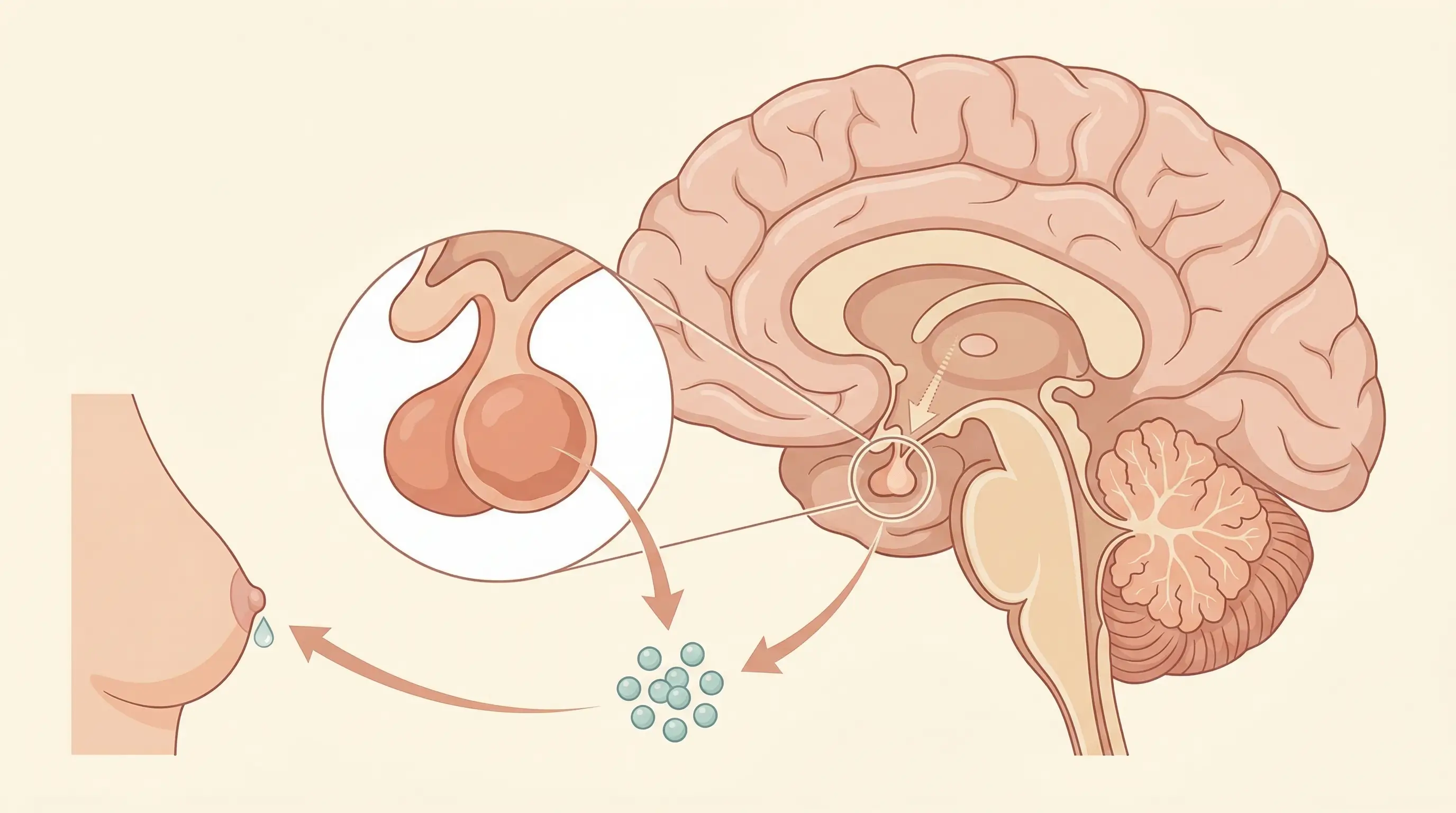
Prolactin is a hormone secreted by the lactotroph cells in the anterior pituitary (hypophysis), located at the base of the brain, and plays a major role in hormone production that regulates growth, metabolism, stress, and reproduction.

The anterior pituitary gland is primarily known for its role in inducing and maintaining lactation after childbirth.

Unlike other pituitary hormones, prolactin secretion is under constant inhibitory control — primarily by dopamine from the hypothalamus, which is located directly above the pituitary gland and is considered one of the body’s main control centers, playing a crucial role in hormonal regulation.

When this inhibition is disrupted — whether by tumors, medications, or other conditions — prolactin levels rise, potentially causing a cascade of hormonal imbalances.

Hyperprolactinemia most commonly affects women aged 25–34, with female occurrence being about 4 times higher than in males, particularly for microprolactinomas. It is present in approximately 15–20% of women presenting with menstrual disturbances.

What Causes Hyperprolactinemia?

The causes of hyperprolactinemia can be broadly classified into four categories: physiological, pathological, pharmacological, and idiopathic (unknown).

What Are the Physiological Causes?

These are normal elevations of prolactin that don’t require treatment:

  • Pregnancy and breastfeeding: Prolactin levels increase up to 10-fold during pregnancy and remain elevated during lactation.

  • Sleep: Prolactin levels naturally rise during sleep.

  • Stress: Both physical and emotional stress can temporarily increase prolactin levels.

  • Exercise and nipple stimulation.

What Are the Pathological Causes?

Prolactinomas are the most common cause of pathological hyperprolactinemia and account for approximately 50% of all pituitary adenomas. These benign tumors are classified by size:

  • Microprolactinomas (<10 mm): The most frequent type of prolactinoma, far more common in women than men (8:1 female-to-male ratio).

  • Macroprolactinomas (≥10 mm): More common in men, with a macroprolactinoma-to-microprolactinoma ratio of approximately 4:1 in men.

  • Giant prolactinomas (>40 mm): Rare.

Other pathological causes include hypothalamic lesions, hypothyroidism, chronic kidney disease, and pituitary stalk compression (“stalk effect”).

Which Medications Can Cause Hyperprolactinemia?

Many medications can elevate prolactin levels by blocking dopamine receptors or affecting dopamine synthesis. Common culprits include:

  • Antipsychotics: Risperidone (up to 2–10-fold increase), haloperidol (up to 9-fold).

  • Antiemetics: Metoclopramide (up to 15-fold), domperidone (up to 10-fold).

  • Antidepressants: Tricyclics, SSRIs (variable, generally lower increases).

  • Antihypertensives: Methyldopa, verapamil.

  • Opioids: Morphine (up to 2-fold).

What Are the Symptoms of Hyperprolactinemia?

The clinical presentation of hyperprolactinemia in women typically includes hormonal and reproductive symptoms:

How Does It Affect Menstruation?

  • Amenorrhea (absence of menstruation) or oligomenorrhea (infrequent menstruation) is the most common presenting symptom.

  • Anovulatory cycles with regular menses: Mild hyperprolactinemia may cause infertility through luteal insufficiency, even in women with regular periods.

Important:

Although severe amenorrhea has been associated with prolactin levels above 180 ng/mL (3,600 mU/L), there is no reliable cutoff; significant menstrual irregularities can also occur at much lower prolactin levels.

What Is Galactorrhea?

Spontaneous milk secretion unrelated to pregnancy or breastfeeding occurs in approximately 30–80% of patients with hyperprolactinemia. This wide variability depends on prolactin levels, duration, chronicity, and sex.

Importantly, galactorrhea can occur despite normal prolactin levels, with up to 50% of affected women being normoprolactinemic. Conversely, the absence of galactorrhea does not exclude hyperprolactinemia, as elevated prolactin levels may be present without milk secretion.

What Other Symptoms May Occur?

  • Infertility: Due to suppressed GnRH (Gonadotropin-Releasing Hormone) pulsatility and disrupted ovulation.

  • Decreased libido and sexual dysfunction: Women with hyperprolactinemia may experience decreased arousal and increased pain during intercourse.

  • Bone health concerns: Prolonged hyperprolactinemia can lead to decreased bone mineral density indirectly by lowering estrogen levels. This occurs because the condition interferes with normal hormone signaling, leading to hypogonadotropic hypogonadism — a disorder in which the brain does not send sufficient signals to the ovaries to produce sex hormones.

  • Symptoms associated with large tumors: Headaches (due to the mass effect of the tumor in the skull) and visual field defects (caused by the compression of the adjacent optic nerve by the tumor mass).

How Does Hyperprolactinemia Affect Fertility and Ovulation?

Hyperprolactinemia is an important cause of infertility in women. Elevated prolactin disrupts the reproductive axis through multiple mechanisms:

  • Suppression of GnRH pulsatility: Hyperprolactinemia inhibits kisspeptin neurons, which are essential controllers of reproduction.

  • Reduced gonadotropin secretion: FSH (Follicle-Stimulating Hormone) and LH (Luteinizing Hormone) secretion may be impaired, leading to reduced ovarian function.

  • Direct effects on the ovaries: Prolactin can directly inhibit progesterone synthesis and disrupt normal follicular development.

Even mild hyperprolactinemia may contribute to infertility by causing luteal phase defects. Treatment with dopamine agonists typically improves pregnancy rates by restoring normal ovulation.

→ Learn more: Female Infertility

How Is Hyperprolactinemia Diagnosed?

Proper diagnosis is essential for determining the underlying cause and guiding treatment.

What Blood Tests Are Needed?

  • Serum prolactin: Optimal timing is 2–3 hours after waking up. Hyperprolactinemia is generally diagnosed when blood prolactin exceeds 25 ng/mL (assay- and lab-specific reference ranges).

  • Mildly elevated values (20–40 ng/mL) should be confirmed with at least two tests to account for circadian fluctuation.

  • Rule out pregnancy first — prolactin can reach 300 ng/mL during pregnancy.

  • Check thyroid function to exclude hypothyroidism.

When Is an MRI Recommended?

MRI of the pituitary gland should be performed in patients with confirmed hyperprolactinemia (after ruling out physiological and pharmacological causes). MRI allows accurate measurement of tumor size and its relationship to surrounding structures like the optic chiasm.

General correlation between prolactin levels and tumor size:

  • Microadenomas: typically <200 ng/mL (4,000 mU/L).

  • Macroadenomas: typically >200 ng/mL (4,000 mU/L).

  • If a macroadenoma shows only mildly elevated prolactin (<200 ng/mL), consider a non-functioning adenoma with “stalk effect.”

What Are the Treatment Options?

The primary goal of treatment is to normalize prolactin levels, restore gonadal function and fertility, reduce tumor size, and prevent tumor progression.

How Do Dopamine Agonists Work?

Dopamine agonists (DA) are highly effective, achieving normal prolactin levels and tumor reduction in 80–90% of patients.

Cabergoline is the preferred first-line treatment due to:

  • Higher efficacy: 83% achieve stable normoprolactinemia, compared with 59% with bromocriptine.

  • Better tumor shrinkage: 93% achieve ≥50% reduction, compared with 64% with bromocriptine.

  • Better tolerability: 3% withdrawal rate versus 12% with bromocriptine.

  • Convenient dosing: Treatment typically starts at a low dose and is gradually increased (titrated) based on individual response. Your doctor will determine the appropriate dose and frequency for your specific situation.

What Are the Side Effects?

Common side effects include nausea, dizziness, and postural hypotension — usually occurring at treatment initiation. Taking medication with food and starting at a low dose minimizes these effects.

Cardiac valvulopathy: Higher doses of cabergoline, such as those historically used in the treatment of Parkinson’s disease, have been associated with valvular abnormalities. At lower “endocrine” doses prescribed for hyperprolactinemia, meta-analytic data demonstrate an increased prevalence of tricuspid regurgitation; however, affected patients were typically asymptomatic. Echocardiographic monitoring is recommended, with the frequency determined by treatment dose and duration.

Impulse control disorders (ICD): These include hypersexuality, compulsive buying, gambling, and repetitive behaviors. The frequency ranges from 8–61% across studies (prevalence varies widely depending on screening methods and dose) and should be actively evaluated.

Can Treatment Be Stopped?

Normoprolactinemia after DA withdrawal is possible in approximately 30% of cases. Factors associated with successful withdrawal include:

  • Treatment duration >2 years.

  • Significant tumor size reduction (≥50%).

  • Use of cabergoline over bromocriptine.

  • Lower dose at the time of withdrawal.

Prolactinoma remission is also associated with pregnancy and menopause, with a remission rate of 73% reported in one series of postmenopausal women.

When Is Surgery Considered?

Transsphenoidal surgery may be considered for:

  • Patients resistant or intolerant to dopamine agonists.

  • Symptomatic apoplectic tumors.

  • Women with non-invasive micro- or macroadenomas who prefer surgery over long-term medication.

Surgical remission rates: 83% for microprolactinomas, but only 60% for macroprolactinomas (and lower for invasive tumors).

What About Radiotherapy and Other Treatments?

Radiotherapy is rarely used and reserved for aggressive tumors not controlled by medication or surgery. Temozolomide, an alkylating agent, has shown efficacy in aggressive or resistant prolactinomas, with complete or partial response in 56% of reviewed cases.

What Are the Fertility Considerations During Pregnancy?

Dopamine agonist treatment allows fertility and pregnancy in most women with hyperprolactinemia. Ovulatory cycles or pregnancy occurred in 72% of women treated with cabergoline versus 52% with bromocriptine.

What Is the Risk of Tumor Growth During Pregnancy?

  • Microprolactinomas: Risk of clinically significant tumor growth is very low (2.5%).

  • Macroprolactinomas: Higher risk of expansion (18.1%), requiring closer monitoring.

Are Dopamine Agonists Safe During Pregnancy?

Both bromocriptine and cabergoline appear to be safe (based on large observational cohorts) when exposure occurs at conception or during early pregnancy, with no evidence of significant adverse effects on maternal or fetal outcomes.

Considering the greater efficacy and tolerability of cabergoline, routine transition to bromocriptine prior to conception is no longer recommended by most experts.

In patients with microprolactinoma or intrasellar macroprolactinoma, dopamine agonist therapy can generally be discontinued once pregnancy is confirmed.

Close clinical monitoring throughout pregnancy is advised to detect symptoms suggestive of tumor enlargement.

What Are the Long-Term Considerations?

How Does It Affect Quality of Life?

Women with hyperprolactinemia under treatment do not show significant impairment in quality of life, anxiety, or depression compared to controls. However, some women may experience difficulties with sexual function — specifically lower scores in arousal and pain domains.

What Is Idiopathic Hyperprolactinemia?

When no underlying cause is identified despite comprehensive evaluation, the condition is classified as “Idiopathic hyperprolactinemia.” These patients may harbor small microprolactinomas undetectable even with MRI. Long-term follow-up is important, as some may eventually develop visible tumors or achieve spontaneous remission.

→ Compare fertility clinics worldwide: MedicalNavigator.com/fertility-clinics

Too Long, Didn’t Read…

  • Hyperprolactinemia is the most common pituitary hormone disorder, present in approximately 15–20% of women with menstrual problems.

  • Prolactinomas (benign pituitary tumors) are the most common pathological cause, but medications and pregnancy should always be ruled out first.

  • Key symptoms include menstrual irregularities, galactorrhea, infertility, and low libido.

  • Dopamine agonists (especially cabergoline) are first-line treatment with an 80–90% success rate.

  • Treatment restores fertility in most women; pregnancy is safe with proper monitoring.

  • About 30% can stop medication after long-term treatment; remission rates increase after pregnancy and menopause.


References

1. Monteiro ALS, Glezer A. Hyperprolactinemia. [Updated 2025 Jul 22]. In: Feingold KR, Adler RA, Ahmed SF, et al., editors. Endotext [Internet]. South Dartmouth (MA): MDText.com, Inc.; 2000-.

2. Glezer A, Garmes HM, Kasuki L, et al. Hyperprolactinemia in women: diagnostic approach. Rev Bras Ginecol Obstet. 2024;46:e-FPS04.

3. Petersenn S, Fleseriu M, Casanueva FF, et al. Diagnosis and management of prolactin-secreting pituitary adenomas: a Pituitary Society international Consensus Statement. Nat Rev Endocrinol. 2023;19:722–740.

4. Levine S, Muneyyirci-Delale O. Stress-Induced Hyperprolactinemia: Pathophysiology and Clinical Approach. Obstet Gynecol Int. 2018;2018:9253083.

5. Kolnikaj TS, Musat M, Salehidoost R, et al. Pharmacological Causes of Hyperprolactinemia. [Updated 2024 Jan 4]. In: Feingold KR, Adler RA, Ahmed SF, et al., editors. Endotext [Internet]. South Dartmouth (MA): MDText.com, Inc.; 2000-.

6. Sholuade O, Njoku G, Kaza S, et al. Idiopathic Hyperprolactinemia: Clinical Presentation, Diagnosis, Management, and Clinical Outcome. Cureus. 2025;17(12):e98701.

7. Nakamura RM, Yela DA, Santos AC, et al. Depression, anxiety, sexual function and quality of life in women with hyperprolactinemia. Rev Bras Ginecol Obstet. 2025;47:e-rbgo7.

8. Maiter D. Mild hyperprolactinemia in a couple: What impact on fertility? Ann Endocrinol (Paris). 2022;83(3):164–167.

9. Melmed S, Casanueva FF, Hoffman AR, et al. Diagnosis and Treatment of Hyperprolactinemia: An Endocrine Society Clinical Practice Guideline. J Clin Endocrinol Metab. 2011;96(2):273–288.

10. Wojcik M, Amer S, Jayaprakasan K. The prevalence of hyperprolactinaemia in subfertile ovulatory women and its impact on fertility treatment outcome. J Obstet Gynaecol. 2022;42(6):2349–2353.

11. Edinoff AN, Silverblatt NS, Vervaeke HE, et al. Hyperprolactinemia, Clinical Considerations, and Infertility in Women on Antipsychotic Medications. Psychopharmacol Bull. 2021;51(2):131–148.

12. Benetti-Pinto CL, Prestes Nácul A, Rosa-E-Silva ACJS, et al. Treatment of hyperprolactinemia in women: A Position Statement from Febrasgo and SBEM. Arch Endocrinol Metab. 2024;68:e230504.

13. Yanachkova V. Perspective Chapter: Hyperprolactinaemia — Diagnostic Pitfalls, Laboratory Nuances, and Clinical Interpretation. IntechOpen. 2025. doi: 10.5772/intechopen.1011638.

14. Soto-Pedre E, Newey PJ, Bevan JS, Leese GP. Morbidity and mortality in patients with hyperprolactinaemia: the PROLEARS study. Endocr Connect. 2017;6(8):580–588.

15. Cleveland Clinic. Hyperprolactinemia.

This guide is for informational purposes only. Always consult qualified healthcare providers for personalized recommendations. For full details, read our Medical Disclaimer.

What you will get

Hyperprolactinemia is the most common pituitary hormone disorder — estimated prevalence is up to 90 people per 100,000, yet it often goes undiagnosed for years.

When excess prolactin disrupts your hormonal balance, it can silently disrupt ovulation, menstrual cycles, and fertility.

The good news? With proper treatment, 80–90% of patients achieve normal prolactin levels and tumor reduction.

What You’ll Get

  • What hyperprolactinemia is, and how prolactin affects your body

  • Common causes: from medications to pituitary tumors (prolactinomas)

  • Symptoms: menstrual disorders, galactorrhea, infertility, low libido

  • Diagnostic evaluation: blood tests, MRI, and ruling out other causes

  • Treatment options: dopamine agonists, surgery, and, when medication can be stopped

  • Fertility and pregnancy considerations

What Is Hyperprolactinemia?

Hyperprolactinemia is a condition characterized by abnormally elevated levels of prolactin in the blood.

Prolactin is a hormone secreted by the lactotroph cells in the anterior pituitary (hypophysis), located at the base of the brain, and plays a major role in hormone production that regulates growth, metabolism, stress, and reproduction.

The anterior pituitary gland is primarily known for its role in inducing and maintaining lactation after childbirth.

Unlike other pituitary hormones, prolactin secretion is under constant inhibitory control — primarily by dopamine from the hypothalamus, which is located directly above the pituitary gland and is considered one of the body’s main control centers, playing a crucial role in hormonal regulation.

When this inhibition is disrupted — whether by tumors, medications, or other conditions — prolactin levels rise, potentially causing a cascade of hormonal imbalances.

Hyperprolactinemia most commonly affects women aged 25–34, with female occurrence being about 4 times higher than in males, particularly for microprolactinomas. It is present in approximately 15–20% of women presenting with menstrual disturbances.

What Causes Hyperprolactinemia?

The causes of hyperprolactinemia can be broadly classified into four categories: physiological, pathological, pharmacological, and idiopathic (unknown).

What Are the Physiological Causes?

These are normal elevations of prolactin that don’t require treatment:

  • Pregnancy and breastfeeding: Prolactin levels increase up to 10-fold during pregnancy and remain elevated during lactation.

  • Sleep: Prolactin levels naturally rise during sleep.

  • Stress: Both physical and emotional stress can temporarily increase prolactin levels.

  • Exercise and nipple stimulation.

What Are the Pathological Causes?

Prolactinomas are the most common cause of pathological hyperprolactinemia and account for approximately 50% of all pituitary adenomas. These benign tumors are classified by size:

  • Microprolactinomas (<10 mm): The most frequent type of prolactinoma, far more common in women than men (8:1 female-to-male ratio).

  • Macroprolactinomas (≥10 mm): More common in men, with a macroprolactinoma-to-microprolactinoma ratio of approximately 4:1 in men.

  • Giant prolactinomas (>40 mm): Rare.

Other pathological causes include hypothalamic lesions, hypothyroidism, chronic kidney disease, and pituitary stalk compression (“stalk effect”).

Which Medications Can Cause Hyperprolactinemia?

Many medications can elevate prolactin levels by blocking dopamine receptors or affecting dopamine synthesis. Common culprits include:

  • Antipsychotics: Risperidone (up to 2–10-fold increase), haloperidol (up to 9-fold).

  • Antiemetics: Metoclopramide (up to 15-fold), domperidone (up to 10-fold).

  • Antidepressants: Tricyclics, SSRIs (variable, generally lower increases).

  • Antihypertensives: Methyldopa, verapamil.

  • Opioids: Morphine (up to 2-fold).

What Are the Symptoms of Hyperprolactinemia?

The clinical presentation of hyperprolactinemia in women typically includes hormonal and reproductive symptoms:

How Does It Affect Menstruation?

  • Amenorrhea (absence of menstruation) or oligomenorrhea (infrequent menstruation) is the most common presenting symptom.

  • Anovulatory cycles with regular menses: Mild hyperprolactinemia may cause infertility through luteal insufficiency, even in women with regular periods.

Important:

Although severe amenorrhea has been associated with prolactin levels above 180 ng/mL (3,600 mU/L), there is no reliable cutoff; significant menstrual irregularities can also occur at much lower prolactin levels.

What Is Galactorrhea?

Spontaneous milk secretion unrelated to pregnancy or breastfeeding occurs in approximately 30–80% of patients with hyperprolactinemia. This wide variability depends on prolactin levels, duration, chronicity, and sex.

Importantly, galactorrhea can occur despite normal prolactin levels, with up to 50% of affected women being normoprolactinemic. Conversely, the absence of galactorrhea does not exclude hyperprolactinemia, as elevated prolactin levels may be present without milk secretion.

What Other Symptoms May Occur?

  • Infertility: Due to suppressed GnRH (Gonadotropin-Releasing Hormone) pulsatility and disrupted ovulation.

  • Decreased libido and sexual dysfunction: Women with hyperprolactinemia may experience decreased arousal and increased pain during intercourse.

  • Bone health concerns: Prolonged hyperprolactinemia can lead to decreased bone mineral density indirectly by lowering estrogen levels. This occurs because the condition interferes with normal hormone signaling, leading to hypogonadotropic hypogonadism — a disorder in which the brain does not send sufficient signals to the ovaries to produce sex hormones.

  • Symptoms associated with large tumors: Headaches (due to the mass effect of the tumor in the skull) and visual field defects (caused by the compression of the adjacent optic nerve by the tumor mass).

How Does Hyperprolactinemia Affect Fertility and Ovulation?

Hyperprolactinemia is an important cause of infertility in women. Elevated prolactin disrupts the reproductive axis through multiple mechanisms:

  • Suppression of GnRH pulsatility: Hyperprolactinemia inhibits kisspeptin neurons, which are essential controllers of reproduction.

  • Reduced gonadotropin secretion: FSH (Follicle-Stimulating Hormone) and LH (Luteinizing Hormone) secretion may be impaired, leading to reduced ovarian function.

  • Direct effects on the ovaries: Prolactin can directly inhibit progesterone synthesis and disrupt normal follicular development.

Even mild hyperprolactinemia may contribute to infertility by causing luteal phase defects. Treatment with dopamine agonists typically improves pregnancy rates by restoring normal ovulation.

→ Learn more: Female Infertility

How Is Hyperprolactinemia Diagnosed?

Proper diagnosis is essential for determining the underlying cause and guiding treatment.

What Blood Tests Are Needed?

  • Serum prolactin: Optimal timing is 2–3 hours after waking up. Hyperprolactinemia is generally diagnosed when blood prolactin exceeds 25 ng/mL (assay- and lab-specific reference ranges).

  • Mildly elevated values (20–40 ng/mL) should be confirmed with at least two tests to account for circadian fluctuation.

  • Rule out pregnancy first — prolactin can reach 300 ng/mL during pregnancy.

  • Check thyroid function to exclude hypothyroidism.

When Is an MRI Recommended?

MRI of the pituitary gland should be performed in patients with confirmed hyperprolactinemia (after ruling out physiological and pharmacological causes). MRI allows accurate measurement of tumor size and its relationship to surrounding structures like the optic chiasm.

General correlation between prolactin levels and tumor size:

  • Microadenomas: typically <200 ng/mL (4,000 mU/L).

  • Macroadenomas: typically >200 ng/mL (4,000 mU/L).

  • If a macroadenoma shows only mildly elevated prolactin (<200 ng/mL), consider a non-functioning adenoma with “stalk effect.”

What Are the Treatment Options?

The primary goal of treatment is to normalize prolactin levels, restore gonadal function and fertility, reduce tumor size, and prevent tumor progression.

How Do Dopamine Agonists Work?

Dopamine agonists (DA) are highly effective, achieving normal prolactin levels and tumor reduction in 80–90% of patients.

Cabergoline is the preferred first-line treatment due to:

  • Higher efficacy: 83% achieve stable normoprolactinemia, compared with 59% with bromocriptine.

  • Better tumor shrinkage: 93% achieve ≥50% reduction, compared with 64% with bromocriptine.

  • Better tolerability: 3% withdrawal rate versus 12% with bromocriptine.

  • Convenient dosing: Treatment typically starts at a low dose and is gradually increased (titrated) based on individual response. Your doctor will determine the appropriate dose and frequency for your specific situation.

What Are the Side Effects?

Common side effects include nausea, dizziness, and postural hypotension — usually occurring at treatment initiation. Taking medication with food and starting at a low dose minimizes these effects.

Cardiac valvulopathy: Higher doses of cabergoline, such as those historically used in the treatment of Parkinson’s disease, have been associated with valvular abnormalities. At lower “endocrine” doses prescribed for hyperprolactinemia, meta-analytic data demonstrate an increased prevalence of tricuspid regurgitation; however, affected patients were typically asymptomatic. Echocardiographic monitoring is recommended, with the frequency determined by treatment dose and duration.

Impulse control disorders (ICD): These include hypersexuality, compulsive buying, gambling, and repetitive behaviors. The frequency ranges from 8–61% across studies (prevalence varies widely depending on screening methods and dose) and should be actively evaluated.

Can Treatment Be Stopped?

Normoprolactinemia after DA withdrawal is possible in approximately 30% of cases. Factors associated with successful withdrawal include:

  • Treatment duration >2 years.

  • Significant tumor size reduction (≥50%).

  • Use of cabergoline over bromocriptine.

  • Lower dose at the time of withdrawal.

Prolactinoma remission is also associated with pregnancy and menopause, with a remission rate of 73% reported in one series of postmenopausal women.

When Is Surgery Considered?

Transsphenoidal surgery may be considered for:

  • Patients resistant or intolerant to dopamine agonists.

  • Symptomatic apoplectic tumors.

  • Women with non-invasive micro- or macroadenomas who prefer surgery over long-term medication.

Surgical remission rates: 83% for microprolactinomas, but only 60% for macroprolactinomas (and lower for invasive tumors).

What About Radiotherapy and Other Treatments?

Radiotherapy is rarely used and reserved for aggressive tumors not controlled by medication or surgery. Temozolomide, an alkylating agent, has shown efficacy in aggressive or resistant prolactinomas, with complete or partial response in 56% of reviewed cases.

What Are the Fertility Considerations During Pregnancy?

Dopamine agonist treatment allows fertility and pregnancy in most women with hyperprolactinemia. Ovulatory cycles or pregnancy occurred in 72% of women treated with cabergoline versus 52% with bromocriptine.

What Is the Risk of Tumor Growth During Pregnancy?

  • Microprolactinomas: Risk of clinically significant tumor growth is very low (2.5%).

  • Macroprolactinomas: Higher risk of expansion (18.1%), requiring closer monitoring.

Are Dopamine Agonists Safe During Pregnancy?

Both bromocriptine and cabergoline appear to be safe (based on large observational cohorts) when exposure occurs at conception or during early pregnancy, with no evidence of significant adverse effects on maternal or fetal outcomes.

Considering the greater efficacy and tolerability of cabergoline, routine transition to bromocriptine prior to conception is no longer recommended by most experts.

In patients with microprolactinoma or intrasellar macroprolactinoma, dopamine agonist therapy can generally be discontinued once pregnancy is confirmed.

Close clinical monitoring throughout pregnancy is advised to detect symptoms suggestive of tumor enlargement.

What Are the Long-Term Considerations?

How Does It Affect Quality of Life?

Women with hyperprolactinemia under treatment do not show significant impairment in quality of life, anxiety, or depression compared to controls. However, some women may experience difficulties with sexual function — specifically lower scores in arousal and pain domains.

What Is Idiopathic Hyperprolactinemia?

When no underlying cause is identified despite comprehensive evaluation, the condition is classified as “Idiopathic hyperprolactinemia.” These patients may harbor small microprolactinomas undetectable even with MRI. Long-term follow-up is important, as some may eventually develop visible tumors or achieve spontaneous remission.

→ Compare fertility clinics worldwide: MedicalNavigator.com/fertility-clinics

Too Long, Didn’t Read…

  • Hyperprolactinemia is the most common pituitary hormone disorder, present in approximately 15–20% of women with menstrual problems.

  • Prolactinomas (benign pituitary tumors) are the most common pathological cause, but medications and pregnancy should always be ruled out first.

  • Key symptoms include menstrual irregularities, galactorrhea, infertility, and low libido.

  • Dopamine agonists (especially cabergoline) are first-line treatment with an 80–90% success rate.

  • Treatment restores fertility in most women; pregnancy is safe with proper monitoring.

  • About 30% can stop medication after long-term treatment; remission rates increase after pregnancy and menopause.


References

1. Monteiro ALS, Glezer A. Hyperprolactinemia. [Updated 2025 Jul 22]. In: Feingold KR, Adler RA, Ahmed SF, et al., editors. Endotext [Internet]. South Dartmouth (MA): MDText.com, Inc.; 2000-.

2. Glezer A, Garmes HM, Kasuki L, et al. Hyperprolactinemia in women: diagnostic approach. Rev Bras Ginecol Obstet. 2024;46:e-FPS04.

3. Petersenn S, Fleseriu M, Casanueva FF, et al. Diagnosis and management of prolactin-secreting pituitary adenomas: a Pituitary Society international Consensus Statement. Nat Rev Endocrinol. 2023;19:722–740.

4. Levine S, Muneyyirci-Delale O. Stress-Induced Hyperprolactinemia: Pathophysiology and Clinical Approach. Obstet Gynecol Int. 2018;2018:9253083.

5. Kolnikaj TS, Musat M, Salehidoost R, et al. Pharmacological Causes of Hyperprolactinemia. [Updated 2024 Jan 4]. In: Feingold KR, Adler RA, Ahmed SF, et al., editors. Endotext [Internet]. South Dartmouth (MA): MDText.com, Inc.; 2000-.

6. Sholuade O, Njoku G, Kaza S, et al. Idiopathic Hyperprolactinemia: Clinical Presentation, Diagnosis, Management, and Clinical Outcome. Cureus. 2025;17(12):e98701.

7. Nakamura RM, Yela DA, Santos AC, et al. Depression, anxiety, sexual function and quality of life in women with hyperprolactinemia. Rev Bras Ginecol Obstet. 2025;47:e-rbgo7.

8. Maiter D. Mild hyperprolactinemia in a couple: What impact on fertility? Ann Endocrinol (Paris). 2022;83(3):164–167.

9. Melmed S, Casanueva FF, Hoffman AR, et al. Diagnosis and Treatment of Hyperprolactinemia: An Endocrine Society Clinical Practice Guideline. J Clin Endocrinol Metab. 2011;96(2):273–288.

10. Wojcik M, Amer S, Jayaprakasan K. The prevalence of hyperprolactinaemia in subfertile ovulatory women and its impact on fertility treatment outcome. J Obstet Gynaecol. 2022;42(6):2349–2353.

11. Edinoff AN, Silverblatt NS, Vervaeke HE, et al. Hyperprolactinemia, Clinical Considerations, and Infertility in Women on Antipsychotic Medications. Psychopharmacol Bull. 2021;51(2):131–148.

12. Benetti-Pinto CL, Prestes Nácul A, Rosa-E-Silva ACJS, et al. Treatment of hyperprolactinemia in women: A Position Statement from Febrasgo and SBEM. Arch Endocrinol Metab. 2024;68:e230504.

13. Yanachkova V. Perspective Chapter: Hyperprolactinaemia — Diagnostic Pitfalls, Laboratory Nuances, and Clinical Interpretation. IntechOpen. 2025. doi: 10.5772/intechopen.1011638.

14. Soto-Pedre E, Newey PJ, Bevan JS, Leese GP. Morbidity and mortality in patients with hyperprolactinaemia: the PROLEARS study. Endocr Connect. 2017;6(8):580–588.

15. Cleveland Clinic. Hyperprolactinemia.

This guide is for informational purposes only. Always consult qualified healthcare providers for personalized recommendations. For full details, read our Medical Disclaimer.

What you will get

Hyperprolactinemia is the most common pituitary hormone disorder — estimated prevalence is up to 90 people per 100,000, yet it often goes undiagnosed for years.

When excess prolactin disrupts your hormonal balance, it can silently disrupt ovulation, menstrual cycles, and fertility.

The good news? With proper treatment, 80–90% of patients achieve normal prolactin levels and tumor reduction.

What You’ll Get

  • What hyperprolactinemia is, and how prolactin affects your body

  • Common causes: from medications to pituitary tumors (prolactinomas)

  • Symptoms: menstrual disorders, galactorrhea, infertility, low libido

  • Diagnostic evaluation: blood tests, MRI, and ruling out other causes

  • Treatment options: dopamine agonists, surgery, and, when medication can be stopped

  • Fertility and pregnancy considerations

What Is Hyperprolactinemia?

Hyperprolactinemia is a condition characterized by abnormally elevated levels of prolactin in the blood.

Prolactin is a hormone secreted by the lactotroph cells in the anterior pituitary (hypophysis), located at the base of the brain, and plays a major role in hormone production that regulates growth, metabolism, stress, and reproduction.

The anterior pituitary gland is primarily known for its role in inducing and maintaining lactation after childbirth.

Unlike other pituitary hormones, prolactin secretion is under constant inhibitory control — primarily by dopamine from the hypothalamus, which is located directly above the pituitary gland and is considered one of the body’s main control centers, playing a crucial role in hormonal regulation.

When this inhibition is disrupted — whether by tumors, medications, or other conditions — prolactin levels rise, potentially causing a cascade of hormonal imbalances.

Hyperprolactinemia most commonly affects women aged 25–34, with female occurrence being about 4 times higher than in males, particularly for microprolactinomas. It is present in approximately 15–20% of women presenting with menstrual disturbances.

What Causes Hyperprolactinemia?

The causes of hyperprolactinemia can be broadly classified into four categories: physiological, pathological, pharmacological, and idiopathic (unknown).

What Are the Physiological Causes?

These are normal elevations of prolactin that don’t require treatment:

  • Pregnancy and breastfeeding: Prolactin levels increase up to 10-fold during pregnancy and remain elevated during lactation.

  • Sleep: Prolactin levels naturally rise during sleep.

  • Stress: Both physical and emotional stress can temporarily increase prolactin levels.

  • Exercise and nipple stimulation.

What Are the Pathological Causes?

Prolactinomas are the most common cause of pathological hyperprolactinemia and account for approximately 50% of all pituitary adenomas. These benign tumors are classified by size:

  • Microprolactinomas (<10 mm): The most frequent type of prolactinoma, far more common in women than men (8:1 female-to-male ratio).

  • Macroprolactinomas (≥10 mm): More common in men, with a macroprolactinoma-to-microprolactinoma ratio of approximately 4:1 in men.

  • Giant prolactinomas (>40 mm): Rare.

Other pathological causes include hypothalamic lesions, hypothyroidism, chronic kidney disease, and pituitary stalk compression (“stalk effect”).

Which Medications Can Cause Hyperprolactinemia?

Many medications can elevate prolactin levels by blocking dopamine receptors or affecting dopamine synthesis. Common culprits include:

  • Antipsychotics: Risperidone (up to 2–10-fold increase), haloperidol (up to 9-fold).

  • Antiemetics: Metoclopramide (up to 15-fold), domperidone (up to 10-fold).

  • Antidepressants: Tricyclics, SSRIs (variable, generally lower increases).

  • Antihypertensives: Methyldopa, verapamil.

  • Opioids: Morphine (up to 2-fold).

What Are the Symptoms of Hyperprolactinemia?

The clinical presentation of hyperprolactinemia in women typically includes hormonal and reproductive symptoms:

How Does It Affect Menstruation?

  • Amenorrhea (absence of menstruation) or oligomenorrhea (infrequent menstruation) is the most common presenting symptom.

  • Anovulatory cycles with regular menses: Mild hyperprolactinemia may cause infertility through luteal insufficiency, even in women with regular periods.

Important:

Although severe amenorrhea has been associated with prolactin levels above 180 ng/mL (3,600 mU/L), there is no reliable cutoff; significant menstrual irregularities can also occur at much lower prolactin levels.

What Is Galactorrhea?

Spontaneous milk secretion unrelated to pregnancy or breastfeeding occurs in approximately 30–80% of patients with hyperprolactinemia. This wide variability depends on prolactin levels, duration, chronicity, and sex.

Importantly, galactorrhea can occur despite normal prolactin levels, with up to 50% of affected women being normoprolactinemic. Conversely, the absence of galactorrhea does not exclude hyperprolactinemia, as elevated prolactin levels may be present without milk secretion.

What Other Symptoms May Occur?

  • Infertility: Due to suppressed GnRH (Gonadotropin-Releasing Hormone) pulsatility and disrupted ovulation.

  • Decreased libido and sexual dysfunction: Women with hyperprolactinemia may experience decreased arousal and increased pain during intercourse.

  • Bone health concerns: Prolonged hyperprolactinemia can lead to decreased bone mineral density indirectly by lowering estrogen levels. This occurs because the condition interferes with normal hormone signaling, leading to hypogonadotropic hypogonadism — a disorder in which the brain does not send sufficient signals to the ovaries to produce sex hormones.

  • Symptoms associated with large tumors: Headaches (due to the mass effect of the tumor in the skull) and visual field defects (caused by the compression of the adjacent optic nerve by the tumor mass).

How Does Hyperprolactinemia Affect Fertility and Ovulation?

Hyperprolactinemia is an important cause of infertility in women. Elevated prolactin disrupts the reproductive axis through multiple mechanisms:

  • Suppression of GnRH pulsatility: Hyperprolactinemia inhibits kisspeptin neurons, which are essential controllers of reproduction.

  • Reduced gonadotropin secretion: FSH (Follicle-Stimulating Hormone) and LH (Luteinizing Hormone) secretion may be impaired, leading to reduced ovarian function.

  • Direct effects on the ovaries: Prolactin can directly inhibit progesterone synthesis and disrupt normal follicular development.

Even mild hyperprolactinemia may contribute to infertility by causing luteal phase defects. Treatment with dopamine agonists typically improves pregnancy rates by restoring normal ovulation.

→ Learn more: Female Infertility

How Is Hyperprolactinemia Diagnosed?

Proper diagnosis is essential for determining the underlying cause and guiding treatment.

What Blood Tests Are Needed?

  • Serum prolactin: Optimal timing is 2–3 hours after waking up. Hyperprolactinemia is generally diagnosed when blood prolactin exceeds 25 ng/mL (assay- and lab-specific reference ranges).

  • Mildly elevated values (20–40 ng/mL) should be confirmed with at least two tests to account for circadian fluctuation.

  • Rule out pregnancy first — prolactin can reach 300 ng/mL during pregnancy.

  • Check thyroid function to exclude hypothyroidism.

When Is an MRI Recommended?

MRI of the pituitary gland should be performed in patients with confirmed hyperprolactinemia (after ruling out physiological and pharmacological causes). MRI allows accurate measurement of tumor size and its relationship to surrounding structures like the optic chiasm.

General correlation between prolactin levels and tumor size:

  • Microadenomas: typically <200 ng/mL (4,000 mU/L).

  • Macroadenomas: typically >200 ng/mL (4,000 mU/L).

  • If a macroadenoma shows only mildly elevated prolactin (<200 ng/mL), consider a non-functioning adenoma with “stalk effect.”

What Are the Treatment Options?

The primary goal of treatment is to normalize prolactin levels, restore gonadal function and fertility, reduce tumor size, and prevent tumor progression.

How Do Dopamine Agonists Work?

Dopamine agonists (DA) are highly effective, achieving normal prolactin levels and tumor reduction in 80–90% of patients.

Cabergoline is the preferred first-line treatment due to:

  • Higher efficacy: 83% achieve stable normoprolactinemia, compared with 59% with bromocriptine.

  • Better tumor shrinkage: 93% achieve ≥50% reduction, compared with 64% with bromocriptine.

  • Better tolerability: 3% withdrawal rate versus 12% with bromocriptine.

  • Convenient dosing: Treatment typically starts at a low dose and is gradually increased (titrated) based on individual response. Your doctor will determine the appropriate dose and frequency for your specific situation.

What Are the Side Effects?

Common side effects include nausea, dizziness, and postural hypotension — usually occurring at treatment initiation. Taking medication with food and starting at a low dose minimizes these effects.

Cardiac valvulopathy: Higher doses of cabergoline, such as those historically used in the treatment of Parkinson’s disease, have been associated with valvular abnormalities. At lower “endocrine” doses prescribed for hyperprolactinemia, meta-analytic data demonstrate an increased prevalence of tricuspid regurgitation; however, affected patients were typically asymptomatic. Echocardiographic monitoring is recommended, with the frequency determined by treatment dose and duration.

Impulse control disorders (ICD): These include hypersexuality, compulsive buying, gambling, and repetitive behaviors. The frequency ranges from 8–61% across studies (prevalence varies widely depending on screening methods and dose) and should be actively evaluated.

Can Treatment Be Stopped?

Normoprolactinemia after DA withdrawal is possible in approximately 30% of cases. Factors associated with successful withdrawal include:

  • Treatment duration >2 years.

  • Significant tumor size reduction (≥50%).

  • Use of cabergoline over bromocriptine.

  • Lower dose at the time of withdrawal.

Prolactinoma remission is also associated with pregnancy and menopause, with a remission rate of 73% reported in one series of postmenopausal women.

When Is Surgery Considered?

Transsphenoidal surgery may be considered for:

  • Patients resistant or intolerant to dopamine agonists.

  • Symptomatic apoplectic tumors.

  • Women with non-invasive micro- or macroadenomas who prefer surgery over long-term medication.

Surgical remission rates: 83% for microprolactinomas, but only 60% for macroprolactinomas (and lower for invasive tumors).

What About Radiotherapy and Other Treatments?

Radiotherapy is rarely used and reserved for aggressive tumors not controlled by medication or surgery. Temozolomide, an alkylating agent, has shown efficacy in aggressive or resistant prolactinomas, with complete or partial response in 56% of reviewed cases.

What Are the Fertility Considerations During Pregnancy?

Dopamine agonist treatment allows fertility and pregnancy in most women with hyperprolactinemia. Ovulatory cycles or pregnancy occurred in 72% of women treated with cabergoline versus 52% with bromocriptine.

What Is the Risk of Tumor Growth During Pregnancy?

  • Microprolactinomas: Risk of clinically significant tumor growth is very low (2.5%).

  • Macroprolactinomas: Higher risk of expansion (18.1%), requiring closer monitoring.

Are Dopamine Agonists Safe During Pregnancy?

Both bromocriptine and cabergoline appear to be safe (based on large observational cohorts) when exposure occurs at conception or during early pregnancy, with no evidence of significant adverse effects on maternal or fetal outcomes.

Considering the greater efficacy and tolerability of cabergoline, routine transition to bromocriptine prior to conception is no longer recommended by most experts.

In patients with microprolactinoma or intrasellar macroprolactinoma, dopamine agonist therapy can generally be discontinued once pregnancy is confirmed.

Close clinical monitoring throughout pregnancy is advised to detect symptoms suggestive of tumor enlargement.

What Are the Long-Term Considerations?

How Does It Affect Quality of Life?

Women with hyperprolactinemia under treatment do not show significant impairment in quality of life, anxiety, or depression compared to controls. However, some women may experience difficulties with sexual function — specifically lower scores in arousal and pain domains.

What Is Idiopathic Hyperprolactinemia?

When no underlying cause is identified despite comprehensive evaluation, the condition is classified as “Idiopathic hyperprolactinemia.” These patients may harbor small microprolactinomas undetectable even with MRI. Long-term follow-up is important, as some may eventually develop visible tumors or achieve spontaneous remission.

→ Compare fertility clinics worldwide: MedicalNavigator.com/fertility-clinics

Too Long, Didn’t Read…

  • Hyperprolactinemia is the most common pituitary hormone disorder, present in approximately 15–20% of women with menstrual problems.

  • Prolactinomas (benign pituitary tumors) are the most common pathological cause, but medications and pregnancy should always be ruled out first.

  • Key symptoms include menstrual irregularities, galactorrhea, infertility, and low libido.

  • Dopamine agonists (especially cabergoline) are first-line treatment with an 80–90% success rate.

  • Treatment restores fertility in most women; pregnancy is safe with proper monitoring.

  • About 30% can stop medication after long-term treatment; remission rates increase after pregnancy and menopause.


References

1. Monteiro ALS, Glezer A. Hyperprolactinemia. [Updated 2025 Jul 22]. In: Feingold KR, Adler RA, Ahmed SF, et al., editors. Endotext [Internet]. South Dartmouth (MA): MDText.com, Inc.; 2000-.

2. Glezer A, Garmes HM, Kasuki L, et al. Hyperprolactinemia in women: diagnostic approach. Rev Bras Ginecol Obstet. 2024;46:e-FPS04.

3. Petersenn S, Fleseriu M, Casanueva FF, et al. Diagnosis and management of prolactin-secreting pituitary adenomas: a Pituitary Society international Consensus Statement. Nat Rev Endocrinol. 2023;19:722–740.

4. Levine S, Muneyyirci-Delale O. Stress-Induced Hyperprolactinemia: Pathophysiology and Clinical Approach. Obstet Gynecol Int. 2018;2018:9253083.

5. Kolnikaj TS, Musat M, Salehidoost R, et al. Pharmacological Causes of Hyperprolactinemia. [Updated 2024 Jan 4]. In: Feingold KR, Adler RA, Ahmed SF, et al., editors. Endotext [Internet]. South Dartmouth (MA): MDText.com, Inc.; 2000-.

6. Sholuade O, Njoku G, Kaza S, et al. Idiopathic Hyperprolactinemia: Clinical Presentation, Diagnosis, Management, and Clinical Outcome. Cureus. 2025;17(12):e98701.

7. Nakamura RM, Yela DA, Santos AC, et al. Depression, anxiety, sexual function and quality of life in women with hyperprolactinemia. Rev Bras Ginecol Obstet. 2025;47:e-rbgo7.

8. Maiter D. Mild hyperprolactinemia in a couple: What impact on fertility? Ann Endocrinol (Paris). 2022;83(3):164–167.

9. Melmed S, Casanueva FF, Hoffman AR, et al. Diagnosis and Treatment of Hyperprolactinemia: An Endocrine Society Clinical Practice Guideline. J Clin Endocrinol Metab. 2011;96(2):273–288.

10. Wojcik M, Amer S, Jayaprakasan K. The prevalence of hyperprolactinaemia in subfertile ovulatory women and its impact on fertility treatment outcome. J Obstet Gynaecol. 2022;42(6):2349–2353.

11. Edinoff AN, Silverblatt NS, Vervaeke HE, et al. Hyperprolactinemia, Clinical Considerations, and Infertility in Women on Antipsychotic Medications. Psychopharmacol Bull. 2021;51(2):131–148.

12. Benetti-Pinto CL, Prestes Nácul A, Rosa-E-Silva ACJS, et al. Treatment of hyperprolactinemia in women: A Position Statement from Febrasgo and SBEM. Arch Endocrinol Metab. 2024;68:e230504.

13. Yanachkova V. Perspective Chapter: Hyperprolactinaemia — Diagnostic Pitfalls, Laboratory Nuances, and Clinical Interpretation. IntechOpen. 2025. doi: 10.5772/intechopen.1011638.

14. Soto-Pedre E, Newey PJ, Bevan JS, Leese GP. Morbidity and mortality in patients with hyperprolactinaemia: the PROLEARS study. Endocr Connect. 2017;6(8):580–588.

15. Cleveland Clinic. Hyperprolactinemia.

This guide is for informational purposes only. Always consult qualified healthcare providers for personalized recommendations. For full details, read our Medical Disclaimer.