


Fertility
Last updated:
Male Hormonal Disorders
Author:

Juraj Xavier Gabzdil, MBA., MSc.
Medicaly approved by:

Ingemārs Sokolovskis, MBA., MSc. & MUDr. Peter Kosoň, PhD.

Ingemārs Sokolovskis, MBA., MSc. & MUDr. Peter Kosoň, PhD.
Fertility
Last updated:
Male Hormonal Disorders
Author:

Juraj Xavier Gabzdil, MBA., MSc.
Medicaly approved by:

Ingemārs Sokolovskis, MBA., MSc. & MUDr. Peter Kosoň, PhD.

Ingemārs Sokolovskis, MBA., MSc. & MUDr. Peter Kosoň, PhD.
Fertility
Last updated:
Male Hormonal Disorders
Author:

Juraj Xavier Gabzdil, MBA., MSc.
Medicaly approved by:

Ingemārs Sokolovskis, MBA., MSc. & MUDr. Peter Kosoň, PhD.

Ingemārs Sokolovskis, MBA., MSc. & MUDr. Peter Kosoň, PhD.
quick links
What you will get
quick links
Your hormones are the silent conductors of fertility. While testosterone often gets all the attention, the real story happens behind the scenes — in a sophisticated communication system between your brain and testes.
When this system malfunctions, it can mean the difference between fatherhood and infertility. Many secondary hormonal causes of infertility are treatable — if diagnosed correctly, while primary testicular failure is often not reversible.
What You’ll Get
Understanding of the HPG axis — the hormonal command center controlling male fertility
Clear explanation of primary vs. secondary hypogonadism and why it matters for treatment
Critical warning: Why testosterone replacement therapy (TRT) can make you infertile
Fertility-preserving alternatives that treat low testosterone without suppressing sperm production
Key genetic conditions: Klinefelter syndrome and Kallmann syndrome explained simply
The Hormonal Command Center: How Does the HPG Axis Work?
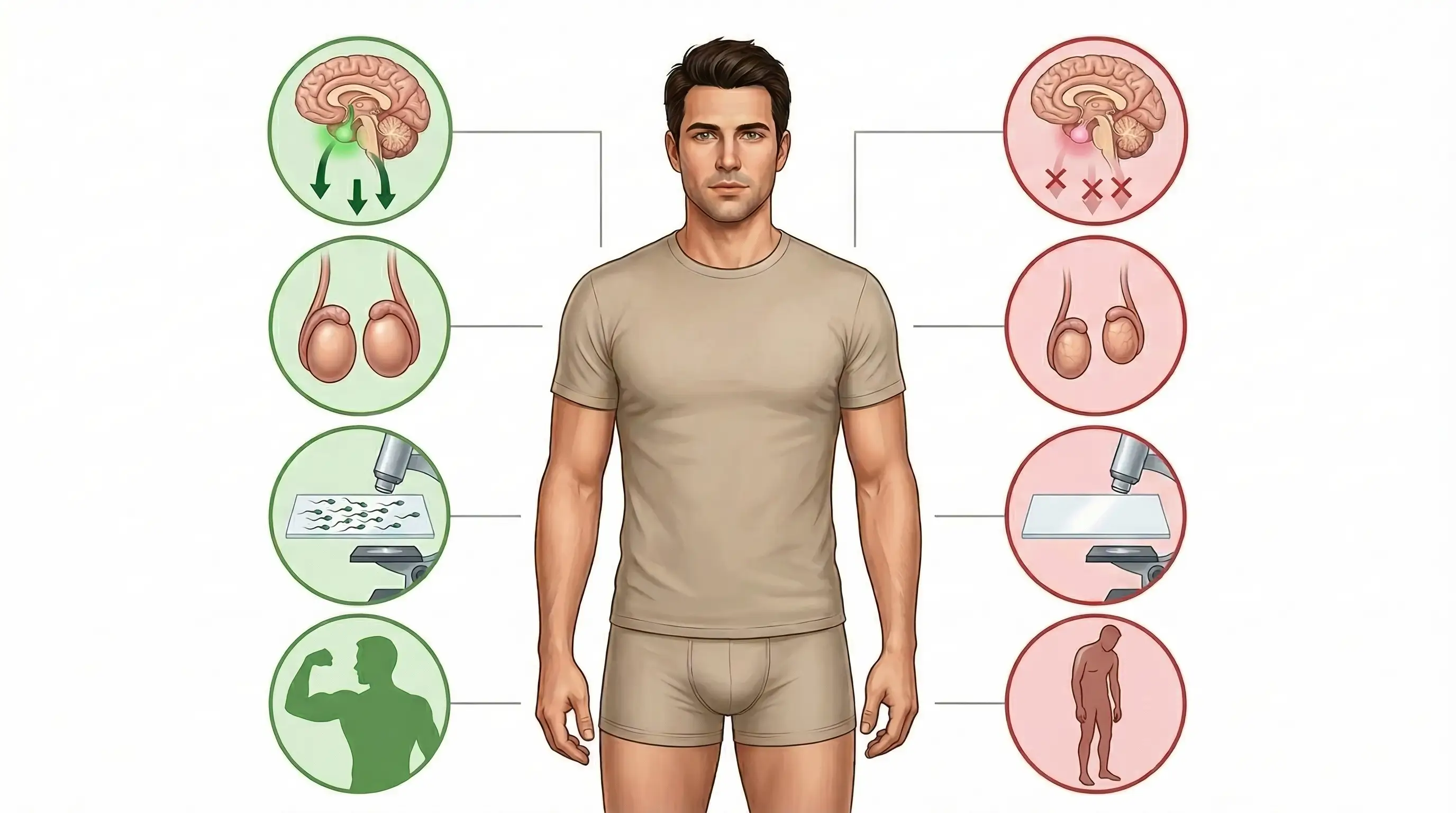
Male reproductive function depends on an elegant hormonal cascade called the hypothalamic-pituitary-gonadal (HPG) axis. Think of it as a three-level command structure:
The Hypothalamus (the general) releases GnRH (gonadotropin-releasing hormone) in pulses
The Pituitary Gland (the officers) responds by releasing FSH and LH1
The Testes (the soldiers) produce testosterone and sperm
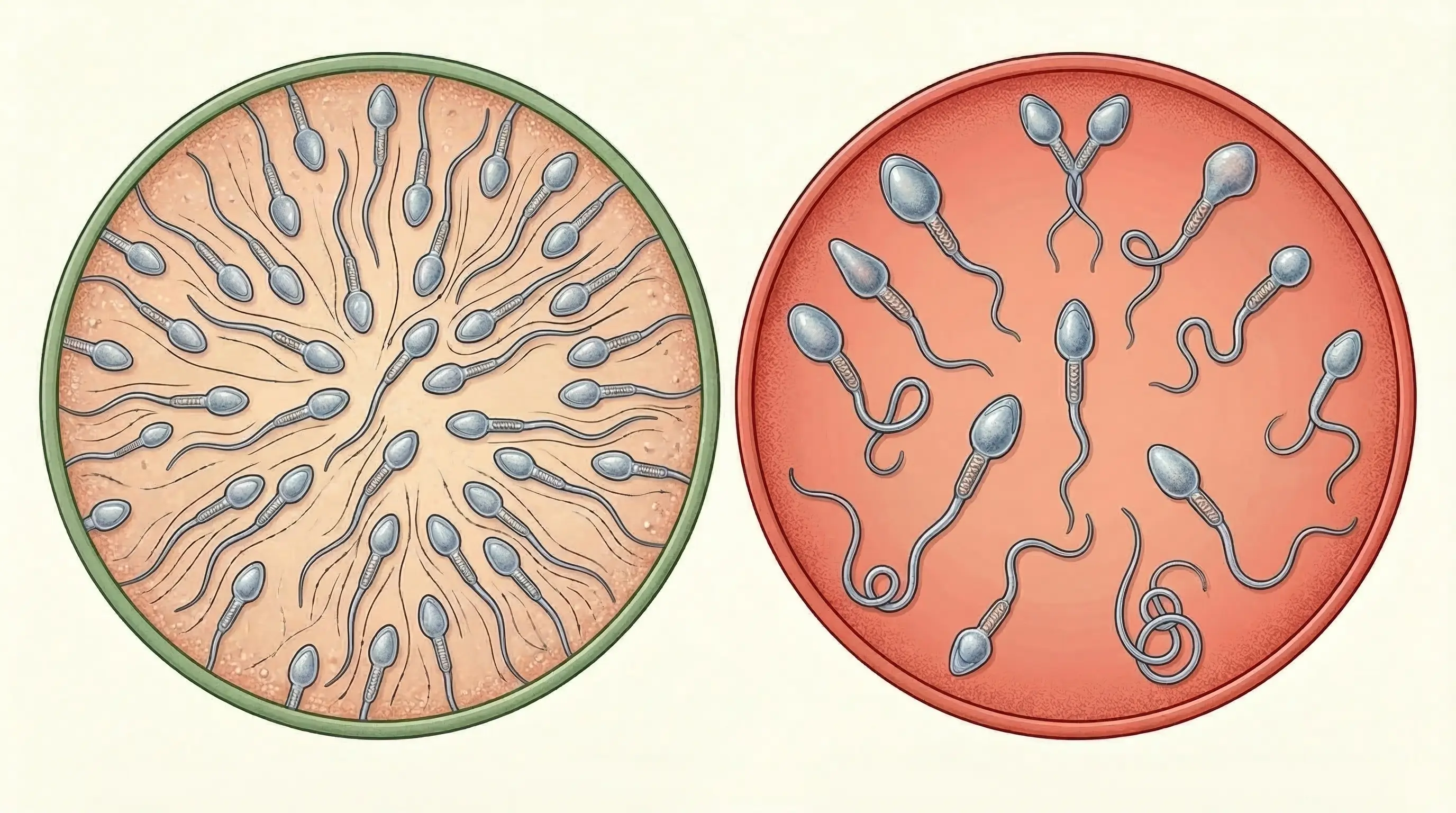
FSH supports Sertoli cell function in the seminiferous tubules, in conjunction with high intratesticular testosterone, which is essential for normal spermatogenesis. LH (luteinizing hormone) stimulates Leydig cells to produce testosterone. This system uses negative feedback — when testosterone levels rise, the brain reduces GnRH release, keeping everything in balance.
When Hormones Go Wrong: What Is Hypogonadism?
Male hypogonadism is defined by low testosterone with clinical symptoms, and can involve low testosterone, impaired sperm production, or both. Where the problem originates determines everything about treatment — especially for fertility.
What Is Primary Hypogonadism (Testicular Failure)?
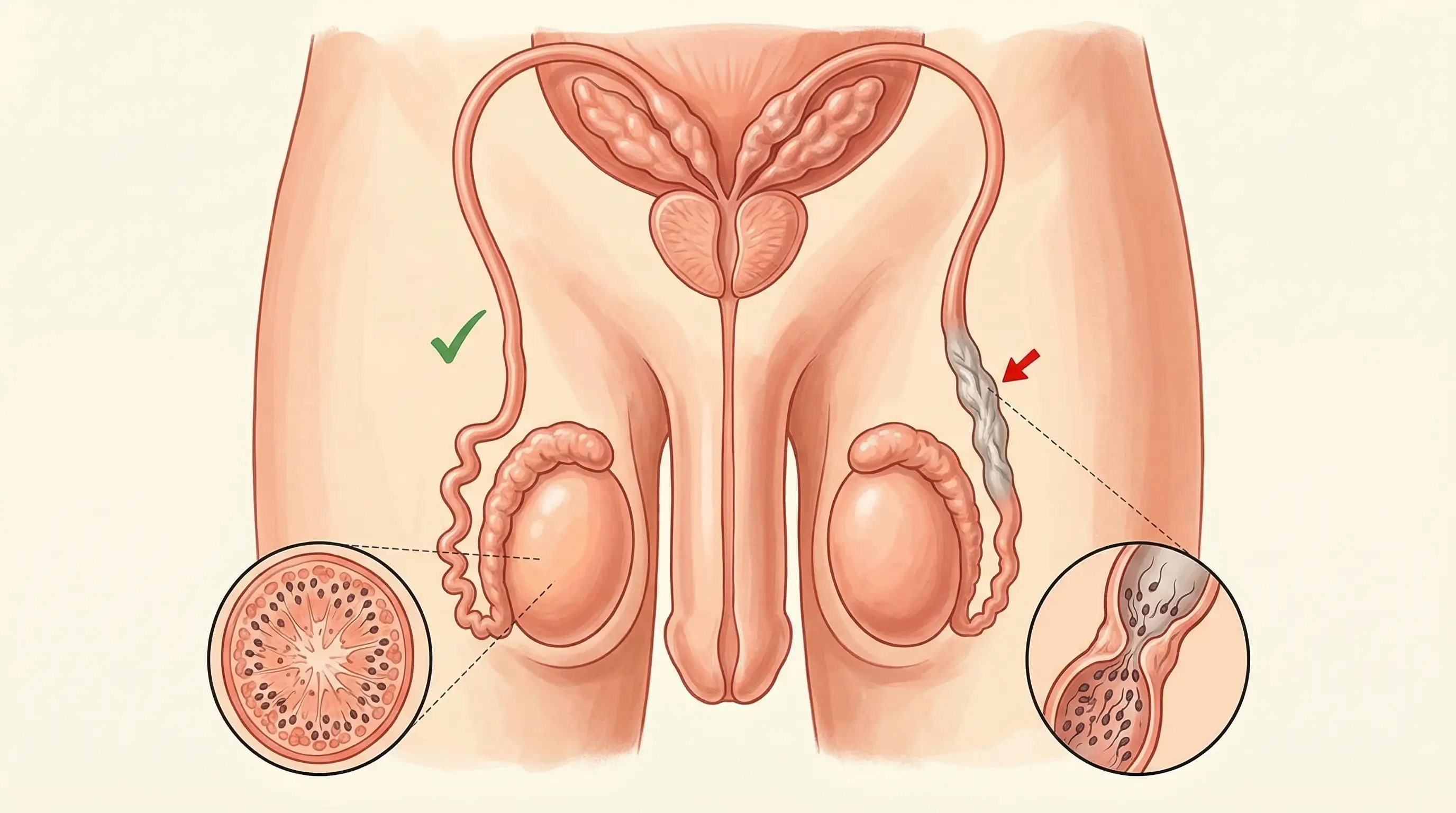
In primary hypogonadism, the problem is in the testes themselves. The brain is sending the right signals, but the testes can’t respond properly.
Lab pattern: High FSH and LH (brain is shouting louder) + Low testosterone
Common causes include:
Klinefelter syndrome (47, XXY)
Chemotherapy or radiation damage
Testicular trauma or torsion
Mumps orchitis
Cryptorchidism (undescended testes)
What Is Secondary Hypogonadism (Hypothalamic or Pituitary Problem)?
Here, the testes are capable of working, but they’re not receiving proper instructions from the hypothalamus or pituitary.
Lab pattern: Low testosterone with low or inappropriately normal LH and FSH
Common causes include:
Kallmann syndrome (GnRH deficiency)
Pituitary tumors (including prolactinomas)
Hyperprolactinemia
Exogenous testosterone use (TRT, anabolic steroids)
Severe obesity, chronic illness, or stress
Why Does This Distinction Matter for Fertility?
In secondary hypogonadism, fertility can often be restored with hormone therapy that stimulates the testes (gonadotropins or clomiphene). In primary hypogonadism, the testes themselves are damaged, making treatment more challenging — testosterone can be replaced, but this suppresses remaining sperm production.
Exogenous testosterone treats symptoms of androgen deficiency but does not restore fertility and is generally avoided when fertility is desired.
Klinefelter Syndrome (47, XXY)
Klinefelter syndrome is the most common chromosomal cause of male infertility, affecting approximately 1 in 500–1,000 males. Men with this condition have an extra X chromosome (47, XXY instead of the normal 46, XY).
What Are the Signs and Symptoms?
Small, firm testes (typically < 4 mL volume)
Tall stature with long limbs
Gynecomastia (breast tissue development)
Sparse facial and body hair
Azoospermia in most cases
Learning difficulties in some individuals
What Are the Fertility Options?
Advanced reproductive technology, such as microsurgical testicular sperm extraction (micro-TESE), can achieve sperm retrieval rates of approximately 30–60% in men with Klinefelter syndrome. The reported live birth rate through assisted reproduction is approximately 16%. Small pockets of sperm-producing tissue can be identified, extracted, and used with ICSI (intracytoplasmic sperm injection).
→ Learn more: Assisted Reproductive Technology
Kallmann Syndrome (GnRH Deficiency + Anosmia)
Kallmann syndrome is a rare form of hypogonadotropic hypogonadism affecting approximately 1 in 30,000 males and is reported to affect approximately 1 in 125,000 females. It is 4–5 times more common in males.
The defining feature: loss of smell (anosmia) combined with absent or delayed puberty. This occurs because GnRH neurons and olfactory neurons share a developmental pathway during embryonic development. When migration is disrupted, both systems are affected.
What Are the Key Features?
Absent or incomplete puberty
Inability to smell (anosmia) or reduced smell (hyposmia)
Micropenis and/or cryptorchidism may be present at birth
Low FSH, LH, and testosterone
Often associated with cleft lip/palate or renal abnormalities
What Are the Treatment and Fertility Options?
The excellent news: fertility can often be restored with gonadotropin therapy (hCG + FSH) or pulsatile GnRH. Testosterone alone does NOT restore fertility — it only provides virilization. Life-long hormone therapy is typically required.
Hyperprolactinemia: The Hidden Hormone Problem
Prolactin is typically associated with breastfeeding in women, but elevated levels in men can significantly impair fertility. Prolactin suppresses GnRH secretion at the hypothalamic level, reducing FSH and LH, and consequently testosterone and sperm production.
What Are the Common Causes?
Pituitary adenomas (prolactinomas)
Medications (antipsychotics, some antidepressants, metoclopramide)
Hypothyroidism
Chronic kidney or liver disease
What Are the Symptoms in Men?
Decreased libido and erectile dysfunction
Infertility
Gynecomastia (rarely, galactorrhea)
Visual field defects (caused by compression of the optic chiasm by tumor mass, if the pituitary tumor is large)
How Is Hyperprolactinemia Treated?
Dopamine agonists (cabergoline, bromocriptine) are highly effective first-line treatment. Cabergoline is preferred for its greater efficacy and fewer side effects. Treatment normalizes prolactin, restores testosterone, and often recovers fertility.
⚠️ Critical Warning: TRT and Male Infertility
Testosterone Replacement Therapy (TRT) suppresses sperm production and can cause temporary or, in some cases, prolonged infertility. If you want to have children now or in the future, discuss fertility-preserving alternatives with your doctor BEFORE starting TRT.
This is perhaps the most critical message in this entire article. TRT use has increased 12-fold worldwide between 2000 and 2011, with approximately 12% of men seeking TRT during their prime reproductive years.
How Does TRT Suppress Sperm Production?
When you take external testosterone, your brain detects the high levels and shuts down its own signals (GnRH, FSH, LH). Without LH stimulation, the Leydig cells stop producing intratesticular testosterone. Critically, intratesticular testosterone must be 50–100 times higher than blood levels to support sperm production.
The numbers are alarming:
TRT can cause azoospermia within 10 weeks
Intratesticular testosterone drops by 94% during TRT
Up to 10% of men may have incomplete or very delayed recovery of spermatogenesis even after stopping TRT
What Happens After Stopping TRT?
If TRT is stopped, spermatogenesis can recover, but it takes time:
67% of men reach 20 million sperm/mL at 6 months.
90% recover by 12 months.
Some men may take up to 2 years.
Age at cessation is a more consistent predictor of recovery than duration of TRT use, as testicular responsiveness to hormonal stimulation declines with age.
What Are the Fertility-Preserving Treatment Options?
For men who need testosterone support but want to preserve fertility, several alternatives exist. Dosing strategies may vary and should always be supervised by a specialist with regular hormone monitoring.
hCG (Human Chorionic Gonadotropin)
hCG mimics LH and directly stimulates Leydig cells to produce testosterone. Unlike TRT, it maintains intratesticular testosterone and supports spermatogenesis.
Adding 250 IU hCG every other day to TRT limits intratesticular testosterone drop to just 7%.
500 IU hCG every other day can actually increase intratesticular testosterone by 26%.
However, dosing strategies may vary and should be supervised by a specialist.
Clomiphene Citrate (Clomid)
Clomiphene blocks estrogen receptors in the brain, preventing negative feedback and increasing FSH and LH release. This stimulates the testes to produce more testosterone and sperm. Typical starting dose: 25–50 mg daily, but lower or alternate-day dosing is often preferred, and treatment should be supervised with hormone monitoring.
Expert-Opinion-Based Treatment Protocol by Pregnancy Timeline
The following protocol is based on expert clinical opinion rather than a universal guideline. Individual treatment plans should be discussed with a reproductive endocrinologist.
Timing of Desired Pregnancy | Treatment Recommendation |
< 6 months | Stop TRT. Start hCG 3,000 IU every other day ± clomiphene 25 mg daily. Semen analysis every 2 months. |
6–12 months | Continue TRT with hCG 500 IU every other day ± clomiphene citrate. |
> 12 months | Continue TRT. Cycle off every 6 months with a 4-week course of hCG 3,000 IU every other day. |
Source: Table adapted from Lee & Ramasamy, 2018
Which Tests Do You Need?
A comprehensive evaluation typically includes both hormonal blood tests and additional investigations:
Hormonal Evaluation
Total testosterone (morning sample, fasting)
FSH and LH — distinguish primary from secondary hypogonadism
Prolactin — screens for hyperprolactinemia
Estradiol — elevated levels suppress the HPG axis via negative feedback and indirectly reduce spermatogenesis
TSH — thyroid dysfunction can affect fertility
Additional Investigations
Semen analysis — essential baseline
Karyotype — if Klinefelter syndrome is suspected
→ Learn more: Male Infertility
So, What Should You Do Now?
If you suspect a hormonal issue may be affecting your fertility, here is how to take action:
Step 1: Get a Comprehensive Hormonal Panel
Ask your doctor for a morning blood test for testosterone, FSH, LH, prolactin, and estradiol. Morning samples are critical because testosterone levels are highest early in the day.
Step 2: Get a Semen Analysis
Even if hormones appear normal, a semen analysis is essential to evaluate actual sperm production and quality.
Step 3: If You Are on TRT, Talk to Your Doctor Immediately
Do not stop TRT abruptly without medical guidance. Ask about fertility-preserving alternatives such as hCG or clomiphene.
Step 4: Consult a Reproductive Endocrinologist or Urologist
Hormonal disorders require specialized expertise. A reproductive endocrinologist or urologist with fertility training can distinguish primary from secondary hypogonadism and create a personalized treatment plan.
Step 5: Choose the Right Clinic
Finding the right specialist can make all the difference. Compare clinics with expertise in male hormonal disorders and fertility preservation.
→ Compare fertility clinics worldwide: MedicalNavigator.com/fertility-clinics
Too Long, Didn’t Read
The HPG axis (hypothalamus → pituitary → testes) controls male hormones and fertility.
Primary hypogonadism = testicular problem (high FSH/LH, low testosterone).
Secondary hypogonadism = hypothalamus or pituitary problem (low or inappropriately normal FSH/LH, low testosterone) — often treatable with fertility preserved.
Klinefelter syndrome (47, XXY) affects 1 in 500–1,000 males; sperm retrieval rates of 30–60% are achievable with micro-TESE + ICSI.
Kallmann syndrome = no puberty + no smell; fertility is often restorable with gonadotropins.
TRT suppresses sperm production — can cause azoospermia in 10 weeks; up to 10% may have very delayed recovery.
Fertility-preserving alternatives: hCG, clomiphene citrate — maintain testosterone and sperm production.
Hyperprolactinemia is treatable with dopamine agonists (cabergoline).
References
1. Marques P, De Sousa Lages A, Skorupskaite K, et al. Physiology of GnRH and Gonadotrophin Secretion. [Updated 2024 Oct 15]. In: Feingold KR, et al., editors. Endotext [Internet]. South Dartmouth (MA): MDText.com, Inc.; 2000-.
2. Gurung P, Yetiskul E, Jialal I. Physiology, Male Reproductive System. [Updated 2023 May 1]. In: StatPearls [Internet]. Treasure Island (FL): StatPearls Publishing; 2025 Jan-.
3. Sizar O, Leslie SW, Schwartz J. Male Hypogonadism. [Updated 2024 Feb 25]. In: StatPearls [Internet]. Treasure Island (FL): StatPearls Publishing; 2025 Jan-.
4. European Association of Urology. EAU Guidelines on Sexual and Reproductive Health: Male Hypogonadism.
5. Los E, Leslie SW, Kadam SJ, et al. Klinefelter Syndrome. [Updated 2025 May 5]. In: StatPearls [Internet]. Treasure Island (FL): StatPearls Publishing; 2025 Jan-.
6. Sonne J, Leslie SW, Lopez-Ojeda W. Kallmann Syndrome. [Updated 2024 Dec 11]. In: StatPearls [Internet]. Treasure Island (FL): StatPearls Publishing; 2025 Jan-.
7. Kaur J, Bhusal K. Hyperprolactinemia. [Updated 2025 Nov 30]. In: StatPearls [Internet]. Treasure Island (FL): StatPearls Publishing; 2025 Jan-.
8. Desai A, Yassin M, Cayetano A, Tharakan T, Jayasena CN, Minhas S. Understanding and managing the suppression of spermatogenesis caused by testosterone replacement therapy (TRT) and anabolic-androgenic steroids (AAS). Ther Adv Urol. 2022;14:17562872221105017.
9. Zitzmann M, Aksglaede L, Corona G, et al. European Academy of Andrology guidelines on Klinefelter Syndrome: Endorsing Organization: European Society of Endocrinology. Andrology. 2020.
10. Lee JA, Ramasamy R. Indications for the use of human chorionic gonadotropic hormone for the management of infertility in hypogonadal men. Transl Androl Urol. 2018;7(Suppl 3):S348-S352.
11. Iancu ME, Albu AI, Albu DN. Prolactin Relationship with Fertility and In Vitro Fertilization Outcomes — A Review of the Literature. J Clin Med. 2023;12(1):122.
12. Kaprara A, et al. The hypothalamus-pituitary-gonad axis: Tales of mice and men. Metabolism. 2018;86:3-17.
This guide is for informational purposes only. Always consult qualified healthcare providers for personalized recommendations. For full details, read our Medical Disclaimer.

quick links
What you will get
quick links
Your hormones are the silent conductors of fertility. While testosterone often gets all the attention, the real story happens behind the scenes — in a sophisticated communication system between your brain and testes.
When this system malfunctions, it can mean the difference between fatherhood and infertility. Many secondary hormonal causes of infertility are treatable — if diagnosed correctly, while primary testicular failure is often not reversible.
What You’ll Get
Understanding of the HPG axis — the hormonal command center controlling male fertility
Clear explanation of primary vs. secondary hypogonadism and why it matters for treatment
Critical warning: Why testosterone replacement therapy (TRT) can make you infertile
Fertility-preserving alternatives that treat low testosterone without suppressing sperm production
Key genetic conditions: Klinefelter syndrome and Kallmann syndrome explained simply
The Hormonal Command Center: How Does the HPG Axis Work?
Male reproductive function depends on an elegant hormonal cascade called the hypothalamic-pituitary-gonadal (HPG) axis. Think of it as a three-level command structure:
The Hypothalamus (the general) releases GnRH (gonadotropin-releasing hormone) in pulses
The Pituitary Gland (the officers) responds by releasing FSH and LH1
The Testes (the soldiers) produce testosterone and sperm
FSH supports Sertoli cell function in the seminiferous tubules, in conjunction with high intratesticular testosterone, which is essential for normal spermatogenesis. LH (luteinizing hormone) stimulates Leydig cells to produce testosterone. This system uses negative feedback — when testosterone levels rise, the brain reduces GnRH release, keeping everything in balance.
When Hormones Go Wrong: What Is Hypogonadism?
Male hypogonadism is defined by low testosterone with clinical symptoms, and can involve low testosterone, impaired sperm production, or both. Where the problem originates determines everything about treatment — especially for fertility.
What Is Primary Hypogonadism (Testicular Failure)?
In primary hypogonadism, the problem is in the testes themselves. The brain is sending the right signals, but the testes can’t respond properly.
Lab pattern: High FSH and LH (brain is shouting louder) + Low testosterone
Common causes include:
Klinefelter syndrome (47, XXY)
Chemotherapy or radiation damage
Testicular trauma or torsion
Mumps orchitis
Cryptorchidism (undescended testes)
What Is Secondary Hypogonadism (Hypothalamic or Pituitary Problem)?
Here, the testes are capable of working, but they’re not receiving proper instructions from the hypothalamus or pituitary.
Lab pattern: Low testosterone with low or inappropriately normal LH and FSH
Common causes include:
Kallmann syndrome (GnRH deficiency)
Pituitary tumors (including prolactinomas)
Hyperprolactinemia
Exogenous testosterone use (TRT, anabolic steroids)
Severe obesity, chronic illness, or stress
Why Does This Distinction Matter for Fertility?
In secondary hypogonadism, fertility can often be restored with hormone therapy that stimulates the testes (gonadotropins or clomiphene). In primary hypogonadism, the testes themselves are damaged, making treatment more challenging — testosterone can be replaced, but this suppresses remaining sperm production.
Exogenous testosterone treats symptoms of androgen deficiency but does not restore fertility and is generally avoided when fertility is desired.
Klinefelter Syndrome (47, XXY)
Klinefelter syndrome is the most common chromosomal cause of male infertility, affecting approximately 1 in 500–1,000 males. Men with this condition have an extra X chromosome (47, XXY instead of the normal 46, XY).
What Are the Signs and Symptoms?
Small, firm testes (typically < 4 mL volume)
Tall stature with long limbs
Gynecomastia (breast tissue development)
Sparse facial and body hair
Azoospermia in most cases
Learning difficulties in some individuals
What Are the Fertility Options?
Advanced reproductive technology, such as microsurgical testicular sperm extraction (micro-TESE), can achieve sperm retrieval rates of approximately 30–60% in men with Klinefelter syndrome. The reported live birth rate through assisted reproduction is approximately 16%. Small pockets of sperm-producing tissue can be identified, extracted, and used with ICSI (intracytoplasmic sperm injection).
→ Learn more: Assisted Reproductive Technology
Kallmann Syndrome (GnRH Deficiency + Anosmia)
Kallmann syndrome is a rare form of hypogonadotropic hypogonadism affecting approximately 1 in 30,000 males and is reported to affect approximately 1 in 125,000 females. It is 4–5 times more common in males.
The defining feature: loss of smell (anosmia) combined with absent or delayed puberty. This occurs because GnRH neurons and olfactory neurons share a developmental pathway during embryonic development. When migration is disrupted, both systems are affected.
What Are the Key Features?
Absent or incomplete puberty
Inability to smell (anosmia) or reduced smell (hyposmia)
Micropenis and/or cryptorchidism may be present at birth
Low FSH, LH, and testosterone
Often associated with cleft lip/palate or renal abnormalities
What Are the Treatment and Fertility Options?
The excellent news: fertility can often be restored with gonadotropin therapy (hCG + FSH) or pulsatile GnRH. Testosterone alone does NOT restore fertility — it only provides virilization. Life-long hormone therapy is typically required.
Hyperprolactinemia: The Hidden Hormone Problem
Prolactin is typically associated with breastfeeding in women, but elevated levels in men can significantly impair fertility. Prolactin suppresses GnRH secretion at the hypothalamic level, reducing FSH and LH, and consequently testosterone and sperm production.
What Are the Common Causes?
Pituitary adenomas (prolactinomas)
Medications (antipsychotics, some antidepressants, metoclopramide)
Hypothyroidism
Chronic kidney or liver disease
What Are the Symptoms in Men?
Decreased libido and erectile dysfunction
Infertility
Gynecomastia (rarely, galactorrhea)
Visual field defects (caused by compression of the optic chiasm by tumor mass, if the pituitary tumor is large)
How Is Hyperprolactinemia Treated?
Dopamine agonists (cabergoline, bromocriptine) are highly effective first-line treatment. Cabergoline is preferred for its greater efficacy and fewer side effects. Treatment normalizes prolactin, restores testosterone, and often recovers fertility.
⚠️ Critical Warning: TRT and Male Infertility
Testosterone Replacement Therapy (TRT) suppresses sperm production and can cause temporary or, in some cases, prolonged infertility. If you want to have children now or in the future, discuss fertility-preserving alternatives with your doctor BEFORE starting TRT.
This is perhaps the most critical message in this entire article. TRT use has increased 12-fold worldwide between 2000 and 2011, with approximately 12% of men seeking TRT during their prime reproductive years.
How Does TRT Suppress Sperm Production?
When you take external testosterone, your brain detects the high levels and shuts down its own signals (GnRH, FSH, LH). Without LH stimulation, the Leydig cells stop producing intratesticular testosterone. Critically, intratesticular testosterone must be 50–100 times higher than blood levels to support sperm production.
The numbers are alarming:
TRT can cause azoospermia within 10 weeks
Intratesticular testosterone drops by 94% during TRT
Up to 10% of men may have incomplete or very delayed recovery of spermatogenesis even after stopping TRT
What Happens After Stopping TRT?
If TRT is stopped, spermatogenesis can recover, but it takes time:
67% of men reach 20 million sperm/mL at 6 months.
90% recover by 12 months.
Some men may take up to 2 years.
Age at cessation is a more consistent predictor of recovery than duration of TRT use, as testicular responsiveness to hormonal stimulation declines with age.
What Are the Fertility-Preserving Treatment Options?
For men who need testosterone support but want to preserve fertility, several alternatives exist. Dosing strategies may vary and should always be supervised by a specialist with regular hormone monitoring.
hCG (Human Chorionic Gonadotropin)
hCG mimics LH and directly stimulates Leydig cells to produce testosterone. Unlike TRT, it maintains intratesticular testosterone and supports spermatogenesis.
Adding 250 IU hCG every other day to TRT limits intratesticular testosterone drop to just 7%.
500 IU hCG every other day can actually increase intratesticular testosterone by 26%.
However, dosing strategies may vary and should be supervised by a specialist.
Clomiphene Citrate (Clomid)
Clomiphene blocks estrogen receptors in the brain, preventing negative feedback and increasing FSH and LH release. This stimulates the testes to produce more testosterone and sperm. Typical starting dose: 25–50 mg daily, but lower or alternate-day dosing is often preferred, and treatment should be supervised with hormone monitoring.
Expert-Opinion-Based Treatment Protocol by Pregnancy Timeline
The following protocol is based on expert clinical opinion rather than a universal guideline. Individual treatment plans should be discussed with a reproductive endocrinologist.
Timing of Desired Pregnancy | Treatment Recommendation |
< 6 months | Stop TRT. Start hCG 3,000 IU every other day ± clomiphene 25 mg daily. Semen analysis every 2 months. |
6–12 months | Continue TRT with hCG 500 IU every other day ± clomiphene citrate. |
> 12 months | Continue TRT. Cycle off every 6 months with a 4-week course of hCG 3,000 IU every other day. |
Source: Table adapted from Lee & Ramasamy, 2018
Which Tests Do You Need?
A comprehensive evaluation typically includes both hormonal blood tests and additional investigations:
Hormonal Evaluation
Total testosterone (morning sample, fasting)
FSH and LH — distinguish primary from secondary hypogonadism
Prolactin — screens for hyperprolactinemia
Estradiol — elevated levels suppress the HPG axis via negative feedback and indirectly reduce spermatogenesis
TSH — thyroid dysfunction can affect fertility
Additional Investigations
Semen analysis — essential baseline
Karyotype — if Klinefelter syndrome is suspected
→ Learn more: Male Infertility
So, What Should You Do Now?
If you suspect a hormonal issue may be affecting your fertility, here is how to take action:
Step 1: Get a Comprehensive Hormonal Panel
Ask your doctor for a morning blood test for testosterone, FSH, LH, prolactin, and estradiol. Morning samples are critical because testosterone levels are highest early in the day.
Step 2: Get a Semen Analysis
Even if hormones appear normal, a semen analysis is essential to evaluate actual sperm production and quality.
Step 3: If You Are on TRT, Talk to Your Doctor Immediately
Do not stop TRT abruptly without medical guidance. Ask about fertility-preserving alternatives such as hCG or clomiphene.
Step 4: Consult a Reproductive Endocrinologist or Urologist
Hormonal disorders require specialized expertise. A reproductive endocrinologist or urologist with fertility training can distinguish primary from secondary hypogonadism and create a personalized treatment plan.
Step 5: Choose the Right Clinic
Finding the right specialist can make all the difference. Compare clinics with expertise in male hormonal disorders and fertility preservation.
→ Compare fertility clinics worldwide: MedicalNavigator.com/fertility-clinics
Too Long, Didn’t Read
The HPG axis (hypothalamus → pituitary → testes) controls male hormones and fertility.
Primary hypogonadism = testicular problem (high FSH/LH, low testosterone).
Secondary hypogonadism = hypothalamus or pituitary problem (low or inappropriately normal FSH/LH, low testosterone) — often treatable with fertility preserved.
Klinefelter syndrome (47, XXY) affects 1 in 500–1,000 males; sperm retrieval rates of 30–60% are achievable with micro-TESE + ICSI.
Kallmann syndrome = no puberty + no smell; fertility is often restorable with gonadotropins.
TRT suppresses sperm production — can cause azoospermia in 10 weeks; up to 10% may have very delayed recovery.
Fertility-preserving alternatives: hCG, clomiphene citrate — maintain testosterone and sperm production.
Hyperprolactinemia is treatable with dopamine agonists (cabergoline).
References
1. Marques P, De Sousa Lages A, Skorupskaite K, et al. Physiology of GnRH and Gonadotrophin Secretion. [Updated 2024 Oct 15]. In: Feingold KR, et al., editors. Endotext [Internet]. South Dartmouth (MA): MDText.com, Inc.; 2000-.
2. Gurung P, Yetiskul E, Jialal I. Physiology, Male Reproductive System. [Updated 2023 May 1]. In: StatPearls [Internet]. Treasure Island (FL): StatPearls Publishing; 2025 Jan-.
3. Sizar O, Leslie SW, Schwartz J. Male Hypogonadism. [Updated 2024 Feb 25]. In: StatPearls [Internet]. Treasure Island (FL): StatPearls Publishing; 2025 Jan-.
4. European Association of Urology. EAU Guidelines on Sexual and Reproductive Health: Male Hypogonadism.
5. Los E, Leslie SW, Kadam SJ, et al. Klinefelter Syndrome. [Updated 2025 May 5]. In: StatPearls [Internet]. Treasure Island (FL): StatPearls Publishing; 2025 Jan-.
6. Sonne J, Leslie SW, Lopez-Ojeda W. Kallmann Syndrome. [Updated 2024 Dec 11]. In: StatPearls [Internet]. Treasure Island (FL): StatPearls Publishing; 2025 Jan-.
7. Kaur J, Bhusal K. Hyperprolactinemia. [Updated 2025 Nov 30]. In: StatPearls [Internet]. Treasure Island (FL): StatPearls Publishing; 2025 Jan-.
8. Desai A, Yassin M, Cayetano A, Tharakan T, Jayasena CN, Minhas S. Understanding and managing the suppression of spermatogenesis caused by testosterone replacement therapy (TRT) and anabolic-androgenic steroids (AAS). Ther Adv Urol. 2022;14:17562872221105017.
9. Zitzmann M, Aksglaede L, Corona G, et al. European Academy of Andrology guidelines on Klinefelter Syndrome: Endorsing Organization: European Society of Endocrinology. Andrology. 2020.
10. Lee JA, Ramasamy R. Indications for the use of human chorionic gonadotropic hormone for the management of infertility in hypogonadal men. Transl Androl Urol. 2018;7(Suppl 3):S348-S352.
11. Iancu ME, Albu AI, Albu DN. Prolactin Relationship with Fertility and In Vitro Fertilization Outcomes — A Review of the Literature. J Clin Med. 2023;12(1):122.
12. Kaprara A, et al. The hypothalamus-pituitary-gonad axis: Tales of mice and men. Metabolism. 2018;86:3-17.
This guide is for informational purposes only. Always consult qualified healthcare providers for personalized recommendations. For full details, read our Medical Disclaimer.
quick links
What you will get
quick links
Your hormones are the silent conductors of fertility. While testosterone often gets all the attention, the real story happens behind the scenes — in a sophisticated communication system between your brain and testes.
When this system malfunctions, it can mean the difference between fatherhood and infertility. Many secondary hormonal causes of infertility are treatable — if diagnosed correctly, while primary testicular failure is often not reversible.
What You’ll Get
Understanding of the HPG axis — the hormonal command center controlling male fertility
Clear explanation of primary vs. secondary hypogonadism and why it matters for treatment
Critical warning: Why testosterone replacement therapy (TRT) can make you infertile
Fertility-preserving alternatives that treat low testosterone without suppressing sperm production
Key genetic conditions: Klinefelter syndrome and Kallmann syndrome explained simply
The Hormonal Command Center: How Does the HPG Axis Work?
Male reproductive function depends on an elegant hormonal cascade called the hypothalamic-pituitary-gonadal (HPG) axis. Think of it as a three-level command structure:
The Hypothalamus (the general) releases GnRH (gonadotropin-releasing hormone) in pulses
The Pituitary Gland (the officers) responds by releasing FSH and LH1
The Testes (the soldiers) produce testosterone and sperm
FSH supports Sertoli cell function in the seminiferous tubules, in conjunction with high intratesticular testosterone, which is essential for normal spermatogenesis. LH (luteinizing hormone) stimulates Leydig cells to produce testosterone. This system uses negative feedback — when testosterone levels rise, the brain reduces GnRH release, keeping everything in balance.
When Hormones Go Wrong: What Is Hypogonadism?
Male hypogonadism is defined by low testosterone with clinical symptoms, and can involve low testosterone, impaired sperm production, or both. Where the problem originates determines everything about treatment — especially for fertility.
What Is Primary Hypogonadism (Testicular Failure)?
In primary hypogonadism, the problem is in the testes themselves. The brain is sending the right signals, but the testes can’t respond properly.
Lab pattern: High FSH and LH (brain is shouting louder) + Low testosterone
Common causes include:
Klinefelter syndrome (47, XXY)
Chemotherapy or radiation damage
Testicular trauma or torsion
Mumps orchitis
Cryptorchidism (undescended testes)
What Is Secondary Hypogonadism (Hypothalamic or Pituitary Problem)?
Here, the testes are capable of working, but they’re not receiving proper instructions from the hypothalamus or pituitary.
Lab pattern: Low testosterone with low or inappropriately normal LH and FSH
Common causes include:
Kallmann syndrome (GnRH deficiency)
Pituitary tumors (including prolactinomas)
Hyperprolactinemia
Exogenous testosterone use (TRT, anabolic steroids)
Severe obesity, chronic illness, or stress
Why Does This Distinction Matter for Fertility?
In secondary hypogonadism, fertility can often be restored with hormone therapy that stimulates the testes (gonadotropins or clomiphene). In primary hypogonadism, the testes themselves are damaged, making treatment more challenging — testosterone can be replaced, but this suppresses remaining sperm production.
Exogenous testosterone treats symptoms of androgen deficiency but does not restore fertility and is generally avoided when fertility is desired.
Klinefelter Syndrome (47, XXY)
Klinefelter syndrome is the most common chromosomal cause of male infertility, affecting approximately 1 in 500–1,000 males. Men with this condition have an extra X chromosome (47, XXY instead of the normal 46, XY).
What Are the Signs and Symptoms?
Small, firm testes (typically < 4 mL volume)
Tall stature with long limbs
Gynecomastia (breast tissue development)
Sparse facial and body hair
Azoospermia in most cases
Learning difficulties in some individuals
What Are the Fertility Options?
Advanced reproductive technology, such as microsurgical testicular sperm extraction (micro-TESE), can achieve sperm retrieval rates of approximately 30–60% in men with Klinefelter syndrome. The reported live birth rate through assisted reproduction is approximately 16%. Small pockets of sperm-producing tissue can be identified, extracted, and used with ICSI (intracytoplasmic sperm injection).
→ Learn more: Assisted Reproductive Technology
Kallmann Syndrome (GnRH Deficiency + Anosmia)
Kallmann syndrome is a rare form of hypogonadotropic hypogonadism affecting approximately 1 in 30,000 males and is reported to affect approximately 1 in 125,000 females. It is 4–5 times more common in males.
The defining feature: loss of smell (anosmia) combined with absent or delayed puberty. This occurs because GnRH neurons and olfactory neurons share a developmental pathway during embryonic development. When migration is disrupted, both systems are affected.
What Are the Key Features?
Absent or incomplete puberty
Inability to smell (anosmia) or reduced smell (hyposmia)
Micropenis and/or cryptorchidism may be present at birth
Low FSH, LH, and testosterone
Often associated with cleft lip/palate or renal abnormalities
What Are the Treatment and Fertility Options?
The excellent news: fertility can often be restored with gonadotropin therapy (hCG + FSH) or pulsatile GnRH. Testosterone alone does NOT restore fertility — it only provides virilization. Life-long hormone therapy is typically required.
Hyperprolactinemia: The Hidden Hormone Problem
Prolactin is typically associated with breastfeeding in women, but elevated levels in men can significantly impair fertility. Prolactin suppresses GnRH secretion at the hypothalamic level, reducing FSH and LH, and consequently testosterone and sperm production.
What Are the Common Causes?
Pituitary adenomas (prolactinomas)
Medications (antipsychotics, some antidepressants, metoclopramide)
Hypothyroidism
Chronic kidney or liver disease
What Are the Symptoms in Men?
Decreased libido and erectile dysfunction
Infertility
Gynecomastia (rarely, galactorrhea)
Visual field defects (caused by compression of the optic chiasm by tumor mass, if the pituitary tumor is large)
How Is Hyperprolactinemia Treated?
Dopamine agonists (cabergoline, bromocriptine) are highly effective first-line treatment. Cabergoline is preferred for its greater efficacy and fewer side effects. Treatment normalizes prolactin, restores testosterone, and often recovers fertility.
⚠️ Critical Warning: TRT and Male Infertility
Testosterone Replacement Therapy (TRT) suppresses sperm production and can cause temporary or, in some cases, prolonged infertility. If you want to have children now or in the future, discuss fertility-preserving alternatives with your doctor BEFORE starting TRT.
This is perhaps the most critical message in this entire article. TRT use has increased 12-fold worldwide between 2000 and 2011, with approximately 12% of men seeking TRT during their prime reproductive years.
How Does TRT Suppress Sperm Production?
When you take external testosterone, your brain detects the high levels and shuts down its own signals (GnRH, FSH, LH). Without LH stimulation, the Leydig cells stop producing intratesticular testosterone. Critically, intratesticular testosterone must be 50–100 times higher than blood levels to support sperm production.
The numbers are alarming:
TRT can cause azoospermia within 10 weeks
Intratesticular testosterone drops by 94% during TRT
Up to 10% of men may have incomplete or very delayed recovery of spermatogenesis even after stopping TRT
What Happens After Stopping TRT?
If TRT is stopped, spermatogenesis can recover, but it takes time:
67% of men reach 20 million sperm/mL at 6 months.
90% recover by 12 months.
Some men may take up to 2 years.
Age at cessation is a more consistent predictor of recovery than duration of TRT use, as testicular responsiveness to hormonal stimulation declines with age.
What Are the Fertility-Preserving Treatment Options?
For men who need testosterone support but want to preserve fertility, several alternatives exist. Dosing strategies may vary and should always be supervised by a specialist with regular hormone monitoring.
hCG (Human Chorionic Gonadotropin)
hCG mimics LH and directly stimulates Leydig cells to produce testosterone. Unlike TRT, it maintains intratesticular testosterone and supports spermatogenesis.
Adding 250 IU hCG every other day to TRT limits intratesticular testosterone drop to just 7%.
500 IU hCG every other day can actually increase intratesticular testosterone by 26%.
However, dosing strategies may vary and should be supervised by a specialist.
Clomiphene Citrate (Clomid)
Clomiphene blocks estrogen receptors in the brain, preventing negative feedback and increasing FSH and LH release. This stimulates the testes to produce more testosterone and sperm. Typical starting dose: 25–50 mg daily, but lower or alternate-day dosing is often preferred, and treatment should be supervised with hormone monitoring.
Expert-Opinion-Based Treatment Protocol by Pregnancy Timeline
The following protocol is based on expert clinical opinion rather than a universal guideline. Individual treatment plans should be discussed with a reproductive endocrinologist.
Timing of Desired Pregnancy | Treatment Recommendation |
< 6 months | Stop TRT. Start hCG 3,000 IU every other day ± clomiphene 25 mg daily. Semen analysis every 2 months. |
6–12 months | Continue TRT with hCG 500 IU every other day ± clomiphene citrate. |
> 12 months | Continue TRT. Cycle off every 6 months with a 4-week course of hCG 3,000 IU every other day. |
Source: Table adapted from Lee & Ramasamy, 2018
Which Tests Do You Need?
A comprehensive evaluation typically includes both hormonal blood tests and additional investigations:
Hormonal Evaluation
Total testosterone (morning sample, fasting)
FSH and LH — distinguish primary from secondary hypogonadism
Prolactin — screens for hyperprolactinemia
Estradiol — elevated levels suppress the HPG axis via negative feedback and indirectly reduce spermatogenesis
TSH — thyroid dysfunction can affect fertility
Additional Investigations
Semen analysis — essential baseline
Karyotype — if Klinefelter syndrome is suspected
→ Learn more: Male Infertility
So, What Should You Do Now?
If you suspect a hormonal issue may be affecting your fertility, here is how to take action:
Step 1: Get a Comprehensive Hormonal Panel
Ask your doctor for a morning blood test for testosterone, FSH, LH, prolactin, and estradiol. Morning samples are critical because testosterone levels are highest early in the day.
Step 2: Get a Semen Analysis
Even if hormones appear normal, a semen analysis is essential to evaluate actual sperm production and quality.
Step 3: If You Are on TRT, Talk to Your Doctor Immediately
Do not stop TRT abruptly without medical guidance. Ask about fertility-preserving alternatives such as hCG or clomiphene.
Step 4: Consult a Reproductive Endocrinologist or Urologist
Hormonal disorders require specialized expertise. A reproductive endocrinologist or urologist with fertility training can distinguish primary from secondary hypogonadism and create a personalized treatment plan.
Step 5: Choose the Right Clinic
Finding the right specialist can make all the difference. Compare clinics with expertise in male hormonal disorders and fertility preservation.
→ Compare fertility clinics worldwide: MedicalNavigator.com/fertility-clinics
Too Long, Didn’t Read
The HPG axis (hypothalamus → pituitary → testes) controls male hormones and fertility.
Primary hypogonadism = testicular problem (high FSH/LH, low testosterone).
Secondary hypogonadism = hypothalamus or pituitary problem (low or inappropriately normal FSH/LH, low testosterone) — often treatable with fertility preserved.
Klinefelter syndrome (47, XXY) affects 1 in 500–1,000 males; sperm retrieval rates of 30–60% are achievable with micro-TESE + ICSI.
Kallmann syndrome = no puberty + no smell; fertility is often restorable with gonadotropins.
TRT suppresses sperm production — can cause azoospermia in 10 weeks; up to 10% may have very delayed recovery.
Fertility-preserving alternatives: hCG, clomiphene citrate — maintain testosterone and sperm production.
Hyperprolactinemia is treatable with dopamine agonists (cabergoline).
References
1. Marques P, De Sousa Lages A, Skorupskaite K, et al. Physiology of GnRH and Gonadotrophin Secretion. [Updated 2024 Oct 15]. In: Feingold KR, et al., editors. Endotext [Internet]. South Dartmouth (MA): MDText.com, Inc.; 2000-.
2. Gurung P, Yetiskul E, Jialal I. Physiology, Male Reproductive System. [Updated 2023 May 1]. In: StatPearls [Internet]. Treasure Island (FL): StatPearls Publishing; 2025 Jan-.
3. Sizar O, Leslie SW, Schwartz J. Male Hypogonadism. [Updated 2024 Feb 25]. In: StatPearls [Internet]. Treasure Island (FL): StatPearls Publishing; 2025 Jan-.
4. European Association of Urology. EAU Guidelines on Sexual and Reproductive Health: Male Hypogonadism.
5. Los E, Leslie SW, Kadam SJ, et al. Klinefelter Syndrome. [Updated 2025 May 5]. In: StatPearls [Internet]. Treasure Island (FL): StatPearls Publishing; 2025 Jan-.
6. Sonne J, Leslie SW, Lopez-Ojeda W. Kallmann Syndrome. [Updated 2024 Dec 11]. In: StatPearls [Internet]. Treasure Island (FL): StatPearls Publishing; 2025 Jan-.
7. Kaur J, Bhusal K. Hyperprolactinemia. [Updated 2025 Nov 30]. In: StatPearls [Internet]. Treasure Island (FL): StatPearls Publishing; 2025 Jan-.
8. Desai A, Yassin M, Cayetano A, Tharakan T, Jayasena CN, Minhas S. Understanding and managing the suppression of spermatogenesis caused by testosterone replacement therapy (TRT) and anabolic-androgenic steroids (AAS). Ther Adv Urol. 2022;14:17562872221105017.
9. Zitzmann M, Aksglaede L, Corona G, et al. European Academy of Andrology guidelines on Klinefelter Syndrome: Endorsing Organization: European Society of Endocrinology. Andrology. 2020.
10. Lee JA, Ramasamy R. Indications for the use of human chorionic gonadotropic hormone for the management of infertility in hypogonadal men. Transl Androl Urol. 2018;7(Suppl 3):S348-S352.
11. Iancu ME, Albu AI, Albu DN. Prolactin Relationship with Fertility and In Vitro Fertilization Outcomes — A Review of the Literature. J Clin Med. 2023;12(1):122.
12. Kaprara A, et al. The hypothalamus-pituitary-gonad axis: Tales of mice and men. Metabolism. 2018;86:3-17.
This guide is for informational purposes only. Always consult qualified healthcare providers for personalized recommendations. For full details, read our Medical Disclaimer.