


What Is a Hormonal Panel for Infertility?
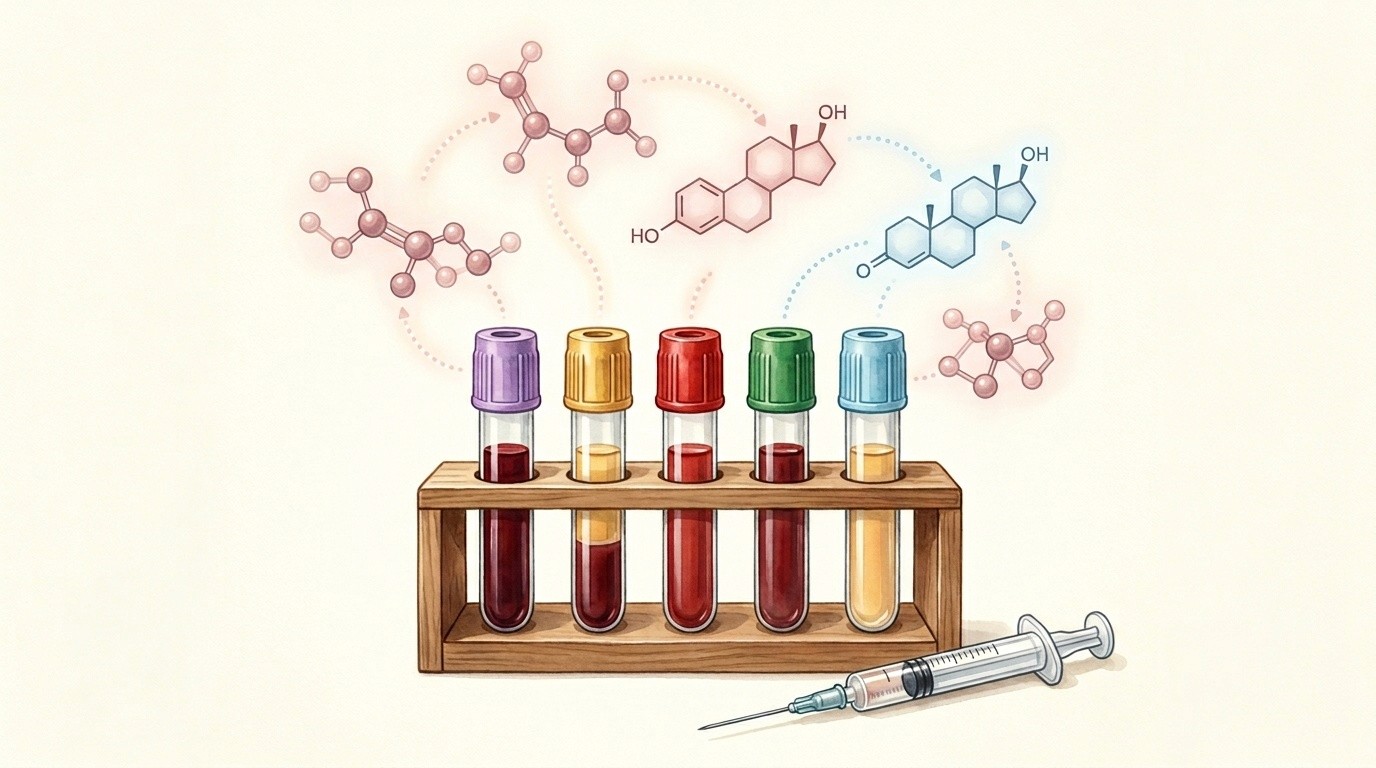
A hormonal panel for infertility is a set of blood tests that measure the hormones directly involved in reproduction. Hormones are chemical messengers produced by glands such as the pituitary (in the brain), the ovaries, and the testes. They travel through the bloodstream and coordinate every step of the reproductive cycle — from releasing an egg to preparing the uterine lining for implantation.[^1][^4]
The system that maintains hormonal balance is called the hypothalamic–pituitary–gonadal (HPG) axis. The hypothalamus sends signals to the pituitary gland, which in turn tells the ovaries or testes how much hormone to produce. When any link in this chain misfires, fertility can suffer.[^4][^8]
According to the American Society for Reproductive Medicine (ASRM), a diagnostic evaluation for infertility should be conducted in a “systematic, expeditious, and cost-effective manner,” with an emphasis on the least invasive methods for detecting the most common causes.[^1] Blood-based hormone testing fits that description: it’s minimally invasive, relatively inexpensive, and provides crucial data early in the workup.
When Is a Hormonal Panel Ordered?
Your doctor will typically order a hormonal panel when:
You’ve been trying to conceive for 12 months (or 6 months if you’re 35 or older) without success
Your menstrual cycles are irregular, absent, or unusually heavy [^1]
There are signs of hormonal imbalance — such as excess body hair, severe acne, or unexplained weight changes [^1]
You’re about to start assisted reproductive technology (ART), and your clinic needs baseline hormone values to plan stimulation protocols [^2][^3]
A semen analysis shows abnormal results that could point to an endocrine cause [^9]
In assisted reproduction cycles, hormone monitoring becomes even more central. In a global survey of 507 reproductive medicine centres, estradiol was the most frequently monitored hormone during ovarian stimulation (98.1% of respondents), followed by progesterone (57.3%) and LH (35.7%).[^2] This underscores the role hormones play across every phase of fertility care.
→ Learn more: Female Infertility
What Female Hormones Are Tested?
The hormones below form the core of every female fertility blood panel. Some are measured on specific cycle days; others can be drawn at any time. Together, they tell your doctor whether you’re ovulating, how many eggs remain, and whether underlying conditions such as PCOS or premature ovarian insufficiency (POI) might be involved.[^1][^5]
Follicle-Stimulating Hormone (FSH)
FSH is produced by the pituitary gland and drives the early growth of ovarian follicles — the tiny sacs that hold developing eggs. It’s usually measured on cycle day 2 or 3 (early follicular phase).[^1][^8]
Typical early follicular levels are often around 3–9 mIU/mL, though laboratory reference ranges vary.[^8]
High FSH (above approximately 10–13 mIU/mL on day 3) suggests diminished ovarian reserve — the ovaries need a stronger signal to produce follicles.[^5][^8]
Very low FSH may point to hypogonadotropic hypogonadism, where the pituitary isn’t sending enough signal.[^8]
Important:
FSH can fluctuate significantly from one cycle to the next, which is why the European Society of Human Reproduction and Embryology (ESHRE) considers AMH and antral follicle count more reliable for assessing ovarian reserve.[^5][^8]
Luteinizing Hormone (LH)
LH works alongside FSH. Its mid-cycle surge triggers ovulation — the release of a mature egg.[^1]
Normal basal range: approximately 2–10 mIU/mL early in the cycle
A peak above 20 mIU/mL at mid-cycle indicates the LH surge and imminent ovulation
Some patients with PCOS have elevated LH levels, but the LH:FSH ratio is not considered a reliable diagnostic marker and is not required for diagnosis.[^14]
Estradiol (E2)
Estradiol is the main form of estrogen produced by growing follicles. It thickens the endometrium (uterine lining) so a fertilised embryo can implant.[^1][^3]
Baseline (day 2–3): approximately 27–161 pg/mL
Elevated day-3 estradiol (above 60–80 pg/mL) can artificially suppress FSH, masking diminished ovarian reserve.[^8]
During ovarian stimulation for IVF, estradiol is tracked at nearly every monitoring visit to adjust medication doses.[^2]
Progesterone
After ovulation, the empty follicle transforms into the corpus luteum and secretes progesterone. This hormone shifts the endometrium into “receptive mode” for embryo implantation.[^1][^4]
Mid-luteal (day 21) level: ideally 5–20 ng/mL; values above 3–4 ng/mL typically confirm ovulation.[^4]
In fresh IVF cycles, clinicians monitor progesterone to ensure the patient hasn’t ovulated prematurely; adequate levels on transfer day are usually >10 ng/mL.[^3] In frozen embryo transfer (FET) cycles, progesterone is supplemented externally, so measured levels reflect the dosing protocol rather than endogenous production.
The WHO recommends mid-luteal serum progesterone as the preferred initial test to confirm ovulation in women with regular cycles, rather than ultrasound.[^4]
Anti-Müllerian Hormone (AMH)
AMH is produced by small developing follicles in the ovaries and provides the best available snapshot of ovarian reserve—the remaining pool of eggs. Unlike FSH, AMH stays relatively stable throughout the menstrual cycle and can be drawn on any day.[^5][^6]
Normal range: approximately 0.7–3.5 ng/mL[^5]
Values below 1.0 ng/mL suggest low reserve; below 0.3 ng/mL is considered very low.[^21]
High AMH (above 3.5 ng/mL) may point to PCOS.[^6]
A 2023 systematic review confirmed that lower age-specific AMH concentrations reliably predict earlier menopause.[^6] But AMH reflects egg quantity, not egg quality — a critical distinction. Women with low AMH can still conceive, especially with timely intervention.[^5][^21]
Prolactin
Prolactin is best known for stimulating breast milk production, but elevated levels outside of pregnancy can suppress ovulation by disrupting the HPG axis.[^1]
Normal range: 0–20 ng/mL in non-pregnant women
Levels above 30 ng/mL may indicate hyperprolactinaemia, which is highly treatable with medication such as cabergoline.[^4]
Thyroid-Stimulating Hormone (TSH)
Although not a sex hormone, TSH is routinely included because thyroid dysfunction — both hypothyroidism and hyperthyroidism — can disrupt ovulation and impair implantation.[^1]
Target range for conception: many specialists aim for TSH levels below 2.0–2.5 mIU/mL.[^1]
Female Hormone Reference Ranges at a Glance
Hormone | Typical Range | What Abnormal Levels May Suggest |
FSH (day 2–3) | 3–9 mIU/mL | >13: low ovarian reserve[^5][^8] |
LH (basal) | 2–10 mIU/mL | Elevated LH: consider PCOS evaluation[^14] |
Estradiol (day 2–3) | 27–161 pg/mL | >80: may mask true FSH[^8] |
Progesterone (day 21) | 5–20 ng/mL | <3: anovulation[^4] |
AMH (any day) | 0.7–3.5 ng/mL | <1.0: low reserve; >3.5: PCOS[^5][^6] |
Prolactin | 0–20 ng/mL | >30: hyperprolactinaemia[^4] |
TSH | 0.2–4.7 mIU/mL | Target <2.5 for conception[^1] |
Source: Compiled from ASRM (2021)[^1], ESHRE (2020)[^5], Parry & Koch (Endotext, 2025)[^8]
Reference ranges may vary by laboratory and assay method. Always compare results to the specific reference range on your lab report.
What Male Hormones Are Tested?
When a semen analysis reveals abnormalities or when clinical signs point to an endocrine problem, the next step is a hormonal evaluation of the male partner. The AUA and ASRM recommend checking the minimum total testosterone and FSH in men with abnormal semen parameters.[^9]
In men, the HPG axis works similarly: the hypothalamus releases GnRH, the pituitary responds with FSH and LH, and these hormones stimulate the testes to produce sperm (spermatogenesis) and testosterone.[^11]
→ Learn more: Male Infertility
Testosterone
Testosterone is the principal male sex hormone, essential for sperm production, libido, and overall reproductive function. It’s produced primarily by Leydig cells in the testes under LH stimulation.[^9][^11]
Total testosterone: should be measured in the morning (levels peak between 7–10 AM); normal range is roughly 300–900 ng/dL.[^9][^10]
Low testosterone with elevated FSH and LH points to primary (testicular) hypogonadism — the testes themselves are failing.[^10]
Low testosterone with low or normal FSH and LH suggests secondary (central) hypogonadism — the pituitary or hypothalamus isn’t sending adequate signals.[^10]
Important:
Exogenous testosterone therapy (injections, gels) can suppress sperm production and should not be prescribed to men who want to conceive. The AUA/ASRM explicitly warn against this.[^9] Discontinuing testosterone and switching to alternative treatments (such as clomiphene or hCG) can often restore sperm production over time, provided the change is made under the supervision of a fertility or endocrinology specialist.[^9][^16]
FSH (in Men)
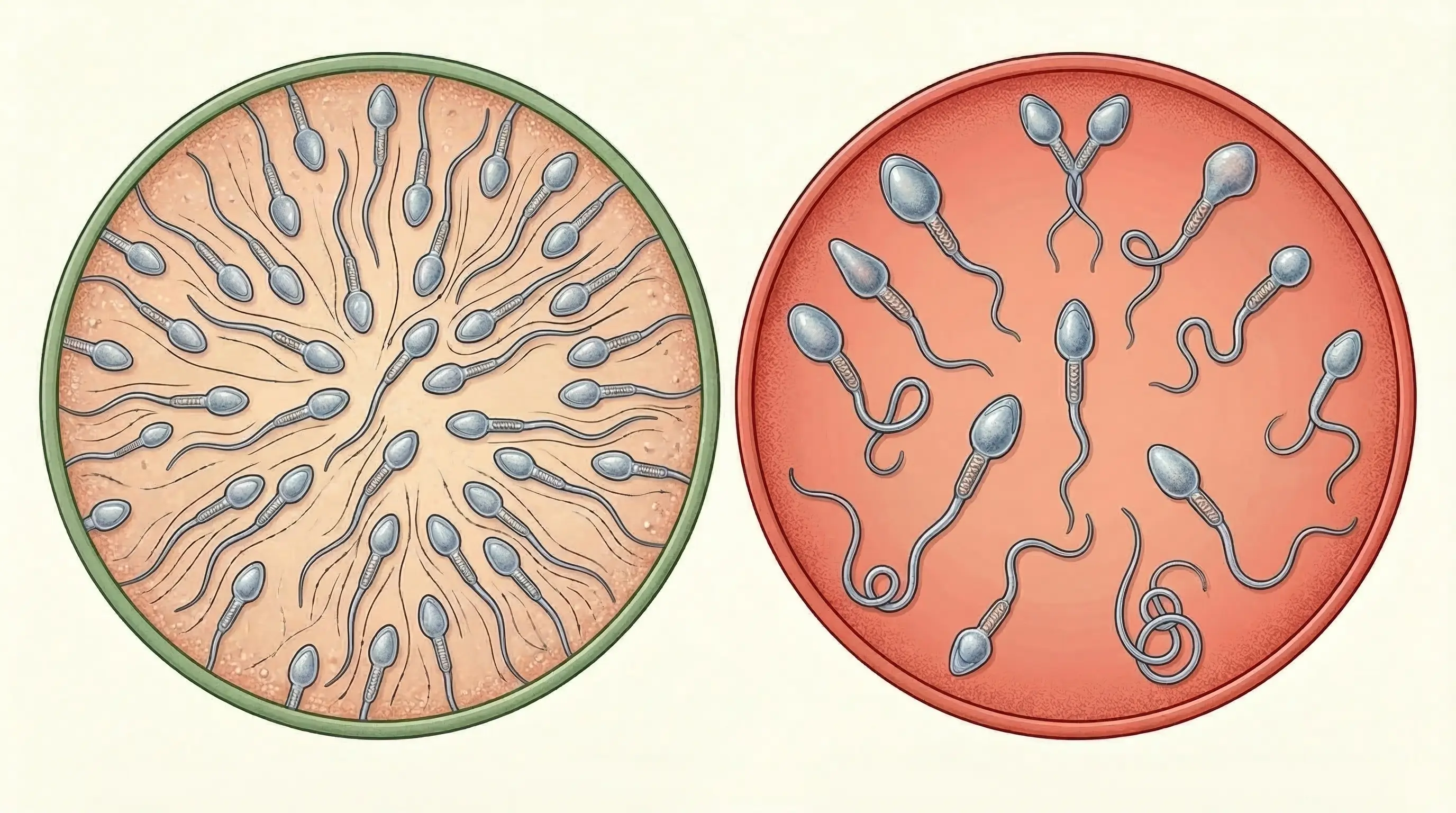
In males, FSH acts on Sertoli cells in the testes to support spermatogenesis. The EAU guidelines note that FSH levels generally correlate inversely with spermatogonial count: when sperm-producing cells are absent or severely diminished, FSH levels rise.[^10]
Elevated FSH in men typically indicates testicular damage or failure (primary hypogonadism).[^10]
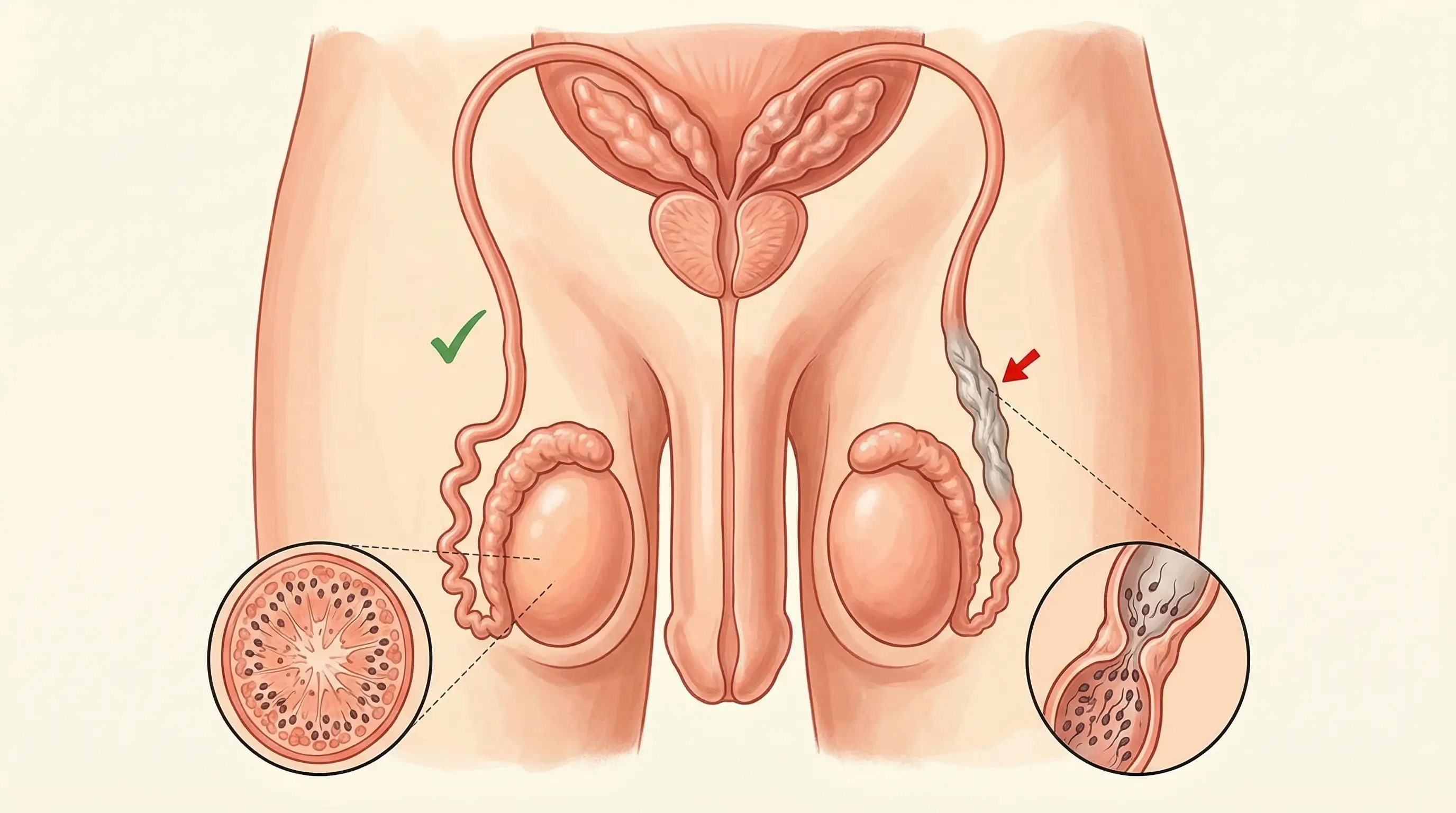
Normal or low FSH combined with azoospermia may suggest obstructive causes or secondary hypogonadism.[^9][^10]
LH (in Men)
LH stimulates Leydig cells to produce testosterone. Interpreting LH alongside testosterone helps distinguish between primary and secondary causes of low testosterone.[^9][^10][^11]
Additional Male Hormones
Depending on clinical findings, your doctor may also check:
Prolactin — elevated levels can suppress GnRH secretion, reducing testosterone and sperm production.[^9]
Estradiol — excess estrogen in men (for example, from obesity or aromatase excess) can impair spermatogenesis.[^9][^16]
TSH — thyroid disorders also affect male fertility.[^15]
Male Hormone Reference Ranges at a Glance
Hormone | Typical Range | Clinical Significance |
Total Testosterone | 300–900 ng/dL (morning) | Low: hypogonadism |
FSH | 1.5–12.4 mIU/mL | High: testicular failure |
LH | 1.7–8.6 mIU/mL | Low + low T: secondary hypogonadism |
Prolactin | 4–15 ng/mL | High: suppresses GnRH |
Source: Compiled from AUA/ASRM (2024)[^9] and EAU (2024)[^10]
Reference ranges may vary by laboratory and assay method. Always compare results to the specific reference range on your lab report.
How Should You Interpret Your Results?
Receiving hormone results can feel overwhelming. Here are the key principles to keep in mind:
Why Does Context Matter?
No single hormone value tells the whole story. Results must be interpreted together with your age, medical history, ultrasound findings, and — for men — semen analysis results.[^1][^12] An FSH of 11 mIU/mL on day 3 might be mildly concerning in a 28-year-old but expected in a 42-year-old.[^8]
Why Does Timing Matter?
Most female hormones are cycle-day-dependent. FSH and estradiol are typically drawn on day 2–3, while progesterone is drawn around day 21 (approximately 7 days before the expected period). AMH is an exception — it can be measured on any cycle day.[^1][^5] For men, testosterone should be drawn in the morning (7–10 AM) when levels peak.[^9]
How Do Labs Vary?
Reference ranges can vary between laboratories due to different assay platforms. Always compare your results to the specific reference range printed on your lab report. The ASRM notes that there is no universally agreed-upon “cutoff” for diminished ovarian reserve, and that results should be used alongside clinical judgement.[^12]
What Hormone Tests Cannot Tell You
Egg or sperm quality: AMH reflects egg quantity, not quality. FSH and LH don’t measure how well sperm can fertilise an egg.[^5][^12]
Tubal patency or uterine anatomy: Hormones don’t reveal blocked fallopian tubes or structural uterine problems — imaging tests are needed for these.[^1][^4]
A guarantee of pregnancy: Normal hormone levels don’t guarantee conception, and abnormal values don’t mean pregnancy is impossible.[^12][^21]
What Hormonal Patterns Point to Common Diagnoses?
Specific combinations of hormone levels point towards identifiable diagnoses. Below are the patterns clinicians look for most frequently:
Polyendocrine Metabolic Ovarian Syndrome (PMOS)
PMOS (formerly known as PCOS — polycystic ovary syndrome) is the most common endocrine disorder in women of reproductive age, affecting an estimated 8–13% of women globally according to the WHO, though prevalence figures range from 6% to 26% depending on the population studied and the diagnostic criteria applied.[^14]
Diagnosis is most commonly based on the Rotterdam criteria, which require at least two of three features: irregular or absent ovulation, clinical or biochemical signs of excess androgens, and polycystic ovarian morphology on ultrasound.[^14]
Hormonal pattern: elevated LH, normal or elevated AMH, and frequently elevated androgens (testosterone, DHEA-S). The LH:FSH ratio is not considered a reliable diagnostic criterion.[^14]
Irregular or absent periods and multiple small follicles on ultrasound complete the picture.[^14]
→ Learn more: Polycystic Ovary Syndrome (PCOS)
Premature Ovarian Insufficiency (POI)
POI occurs when the ovaries stop functioning normally before age 40. The ESHRE guideline describes a clear hormonal signature:[^13]
Hormonal pattern: high FSH (typically >25 mIU/mL on two measurements 4 weeks apart), low estradiol, and very low or undetectable AMH.[^6][^13]
AMH testing can help differentiate POI from other causes of absent periods, such as PCOS or hypogonadotropic hypogonadism, where AMH tends to be normal or high.[^6]
Hyperprolactinaemia
Excess prolactin disrupts the GnRH pulse generator, leading to suppressed FSH and LH secretion and, consequently, anovulation. Causes include pituitary adenomas, certain medications, and hypothyroidism.[^4]
Male Hypogonadism
In men, the pattern of hormone levels determines whether the problem lies in the testes (primary) or in the brain (secondary):[^10][^15]
Primary Hypogonadism | Secondary Hypogonadism | |
Testosterone | Low | Low |
FSH | High | Low or Normal |
LH | High | Low or Normal |
Cause | Testicular damage, Klinefelter | Pituitary tumour, Kallmann syndrome |
Source: EAU (2024)[^10] and Leslie et al. (StatPearls, 2024)[^15]
Identifying secondary hypogonadism is clinically important because it’s often treatable with gonadotropin therapy (hCG, FSH), which can restore spermatogenesis — unlike exogenous testosterone, which shuts it down.[^9][^16]
How Do Hormone Results Guide Treatment?
Hormone levels don’t just diagnose the problem — they also determine which treatment is most appropriate:
For Women
Low progesterone/anovulation: ovulation induction with medications such as letrozole or clomiphene citrate is a common initial approach, though the choice of agent depends on the underlying cause and individual patient factors.[^4][^17]
Elevated prolactin: dopamine agonists (such as cabergoline) can normalise levels and restore ovulation in most patients.[^4]
Diminished ovarian reserve (low AMH, elevated FSH): more aggressive stimulation protocols may be used, or IVF with donor eggs may be discussed.[^1][^5][^21]
PCOS-related anovulation: lifestyle modifications combined with letrozole — now the preferred first-line agent per WHO and the 2023 international PCOS guideline — are recommended initially; clomiphene citrate remains an alternative where letrozole is unavailable.[^14] If unsuccessful, gonadotropins or IVF may follow.
Thyroid dysfunction: correcting TSH levels with levothyroxine can restore fertility in women with hypothyroidism.[^1]
The WHO guideline recommends a stepwise approach: start with the simplest effective treatment and escalate only when needed.[^4]
For Men
Secondary hypogonadism: gonadotropin therapy (hCG ± FSH) can stimulate the testes to produce both testosterone and sperm.[^9][^16]
Low testosterone with no identifiable reversible cause: selective estrogen receptor modulators (SERMs, such as clomiphene) or aromatase inhibitors may be considered.[^9]
Hyperprolactinaemia in men: evaluate for pituitary pathology and treat accordingly.[^9]
Idiopathic male infertility: FSH analogues may improve sperm concentration and live-birth rates, though evidence remains limited.[^9]
In cases where medical therapy is insufficient, ART options such as IUI or IVF/ICSI become the next step. A JAMA review summarises the testing–treatment pathway as a decision tree where hormone patterns directly shape clinical decisions.[^17]
→ Learn more: In Vitro Fertilization (IVF)
What Is It Like Living with Abnormal Hormone Results?
Receiving abnormal hormone results can trigger a range of emotions — anxiety, frustration, grief, or even relief that there’s finally an explanation. The psychological burden of infertility is well-documented and should not be underestimated.[^19]
What Is the Emotional Weight of Infertility?
Research shows that infertile couples experience greater psychological stress and have an increased risk of developing anxiety and depression compared with couples without fertility issues.[^19] The relationship between psychological distress and infertility is bidirectional: stress may itself contribute to reduced fertility, while infertility diagnosis and treatment further amplify that stress.[^19]
A systematic review found that the most common reasons patients discontinue fertility treatment include the physical and psychological burden of treatment, not just financial constraints or poor prognosis.[^18] This underscores the importance of addressing emotional well-being at every stage of the fertility process.
Why Does Support Matter?
The ESHRE guideline on routine psychosocial care in infertility recommends that counselling should ideally begin before patients start any medical intervention, helping them prepare for the emotional challenges ahead.[^19][^20] Psychotherapy, couples counselling, and support groups have all been shown to help.
Talk to your care team: many fertility clinics have dedicated psychologists or social workers
Connect with others: patient organisations (such as RESOLVE or Fertility Europe) provide peer support and resources
Remember: abnormal results are not the end of the road. Even women with AMH levels ≤0.3 ng/mL achieved cumulative live-birth rates comparable to national averages after multiple treatment cycles.[^21]
So, What Should You Do Now?
If you suspect a hormonal issue may be affecting your fertility, here’s how to move forward:
Step 1: Talk to Your Doctor About Testing
If you’ve been trying to conceive for 12 months (or 6 months if you’re over 35), ask your doctor about a hormonal panel. Don’t wait for symptoms — many hormonal imbalances are silent.
Step 2: Time Your Blood Tests Correctly
For women, FSH and estradiol should be drawn on cycle day 2–3, and progesterone should be drawn around day 21. AMH can be drawn on any day. For men, testosterone must be drawn in the morning between 7–10 AM.
Step 3: Understand Your Results in Context
A single number doesn’t tell the full story. Ask your doctor to explain how your age, diagnosis, partner’s results, and imaging findings fit together. Reference ranges vary between labs.
Step 4: Discuss Treatment Options
Hormone results directly shape treatment decisions — from ovulation induction and medication adjustments to IUI and IVF. Ask about the WHO's stepwise approach.
Step 5: Choose the Right Clinic
Not all fertility clinics offer the same level of hormonal evaluation and personalised treatment planning. Compare clinics based on their diagnostic approach, success rates, and support services.
→ Compare fertility clinics worldwide: MedicalNavigator.com/fertility-clinics
Too Long, Didn’t Read
A hormonal panel for infertility is a set of blood tests measuring the hormones that control reproduction.
Female panel: FSH, LH, estradiol, progesterone (cycle-day-dependent), AMH (any day), prolactin, and TSH.
Male panel: total testosterone (morning draw), FSH, and LH; prolactin and estradiol when indicated.
Results must be read in context — age, cycle day, partner data, and imaging all matter.
PCOS shows elevated LH and androgens; POI shows high FSH and low AMH; male hypogonadism follows the FSH/LH–testosterone pattern.
Treatment is guided by results: from ovulation induction and medications to IUI and IVF when needed.
References
[^1]: Practice Committee of the American Society for Reproductive Medicine. (2021). Fertility evaluation of infertile women: A committee opinion. Fertility and Sterility, 116(5), 1255–1265.
[^2]: Sachs-Guedj N, Hart R, Requena A, Vergara V, Polyzos NP. (2023). Real-world practices of hormone monitoring during ovarian stimulation in assisted reproductive technology: a global online survey. Frontiers in Endocrinology, 14, 1260783.
[^3]: Choe J, Shanks AL. (2023). In Vitro Fertilization. In: StatPearls [Internet]. Treasure Island (FL): StatPearls Publishing.
[^4]: World Health Organization. (2025). Guideline for the prevention, diagnosis and treatment of infertility. Geneva: WHO.
[^5]: European Society of Human Reproduction and Embryology. (2020). ESHRE guideline: Ovarian reserve testing. Human Reproduction Open.
[^6]: Nelson SM, Davis SR, Kalantaridou S, Lumsden MA, Panay N, Anderson RA. (2023). Anti-Müllerian hormone for the diagnosis and prediction of menopause: a systematic review. Human Reproduction Update, 29(3), 327–346.
[^7]: National Institute for Health and Care Excellence. (2013, updated). Fertility problems: Assessment and treatment (CG156).
[^8]: Parry JP, Koch CA. (2025). Ovarian Reserve Testing. In: Feingold KR, et al., eds. Endotext [Internet]. South Dartmouth (MA): MDText.com, Inc.
[^9]: American Urological Association & American Society for Reproductive Medicine. (2024). Diagnosis and treatment of infertility in men.
[^10]: European Association of Urology. (2024). EAU Guidelines on Sexual and Reproductive Health.
[^11]: Li L, Lin W, Wang Z, et al. (2024). Hormone Regulation in Testicular Development and Function. International Journal of Molecular Sciences, 25(11), 5805.
[^12]: Practice Committee of the American Society for Reproductive Medicine et al. Testing and interpreting measures of ovarian reserve: a committee opinion. Fertility and Sterility, 114(6), 1151–1157.
[^13]: European Society of Human Reproduction and Embryology. (2018, reaffirmed). ESHRE guideline on the management of women with premature ovarian insufficiency. Human Reproduction.
[^14]: Teede HJ, et al. (2023). International evidence-based guideline for the assessment and management of polycystic ovary syndrome.
[^15]: Leslie SW, Soon-Sutton TL, Khan MAB. (2024). Male Infertility. In: StatPearls [Internet]. Treasure Island (FL): StatPearls Publishing.
[^16]: Dabaja AA, Schlegel PN. (2014). Medical treatment of male infertility. Translational Andrology and Urology, 3(1), 9–16.
[^17]: Carson SA, Kallen AN. (2021). Diagnosis and Management of Infertility: A Review. JAMA, 326(1), 65–76.
[^18]: Gameiro S, Boivin J, Peronace L, Verhaak CM. (2012). Why do patients discontinue fertility treatment? A systematic review of reasons and predictors of discontinuation in fertility treatment. Human Reproduction Update, 18(6), 652–669.
[^19]: Simionescu G, Doroftei B, Maftei R, et al. (2021). The complex relationship between infertility and psychological distress. Experimental and Therapeutic Medicine, 21(4), 306.
[^20]: European Society of Human Reproduction and Embryology. (2023). Routine psychosocial care in infertility and MAR.
[^21]: Romanski PA, Gelvin B, Bortoletto P, Rosenwaks Z, Kang HJ. (2022). Live-Birth Outcomes Among Women With Infertility and Anti-Müllerian Hormone Levels of 0.3 ng/mL or Lower. Obstetrics & Gynecology, 140(5), 743–750.,
This guide is for informational purposes only. Always consult qualified healthcare providers for personalized recommendations. For full details, read our Medical Disclaimer.

Author of the article
Date of publication