


Fertility

Last updated:

Varicocele

Author:

author
Juraj Xavier Gabzdil, MBA., MSc.

Medicaly approved by:

Ingemārs Sokolovskis, MBA., MSc. & MUDr. Peter Kosoň, PhD.

Fertility

Last updated:

Varicocele

Author:

author
Juraj Xavier Gabzdil, MBA., MSc.

Medicaly approved by:

Ingemārs Sokolovskis, MBA., MSc. & MUDr. Peter Kosoň, PhD.

Fertility

Last updated:

Varicocele

Author:

author
Juraj Xavier Gabzdil, MBA., MSc.

Medicaly approved by:

Ingemārs Sokolovskis, MBA., MSc. & MUDr. Peter Kosoň, PhD.

What you will get

Varicocele is the most common correctable cause of male infertility, found in approximately 15–20% of all men and up to 40% of men evaluated for infertility.

Whatever brought you here, know that you are not alone, and this guide will help you understand your condition and take the next step.

What You’ll Get

  • What a varicocele is and why it matters for fertility

  • How a varicocele affects sperm quality and DNA integrity

  • Symptoms and signs to watch for

  • How a varicocele is diagnosed

  • Treatment options: surgical and non-surgical

  • When treatment is recommended

  • Recovery and outcomes after treatment

What Is a Varicocele?

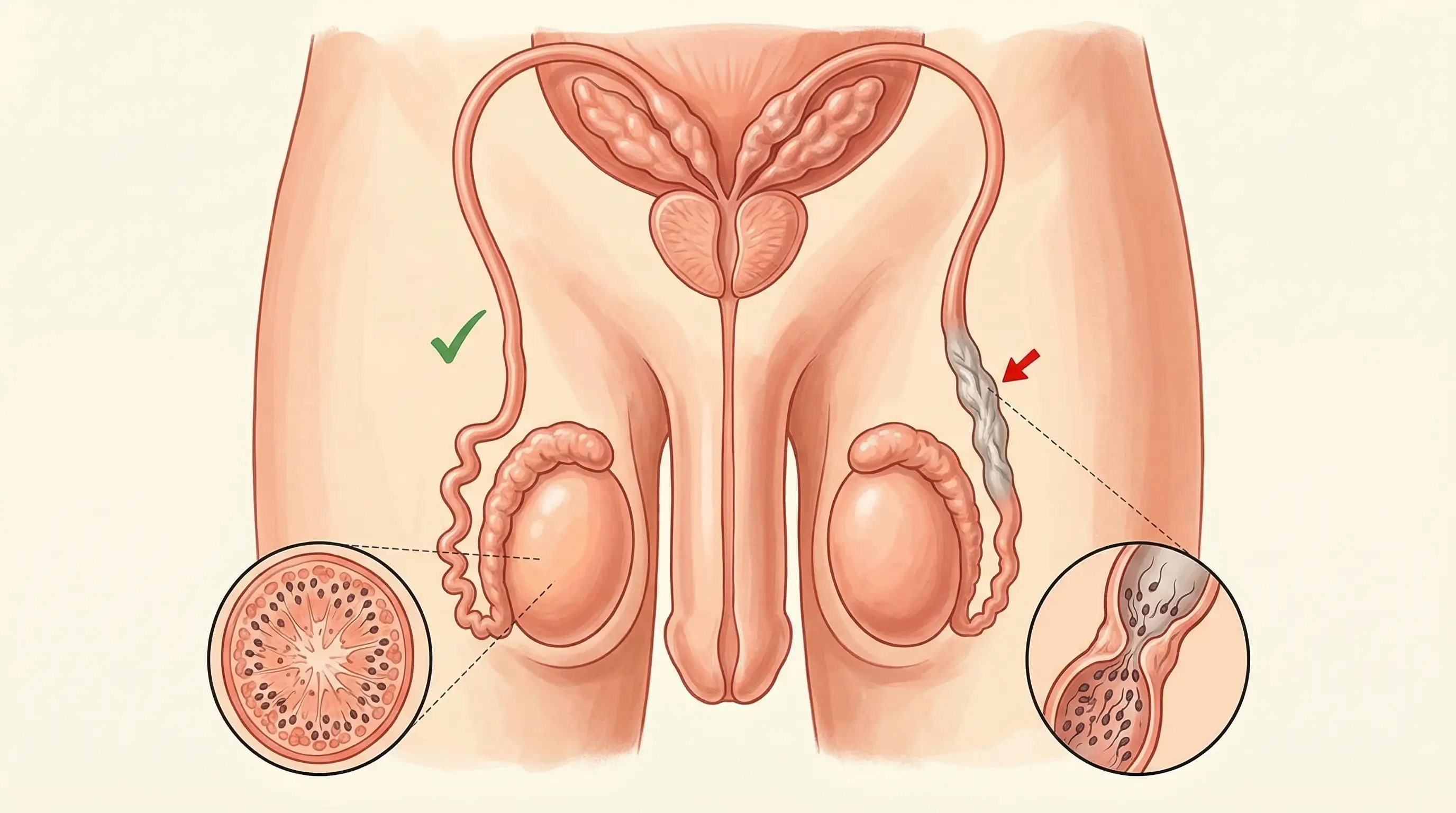
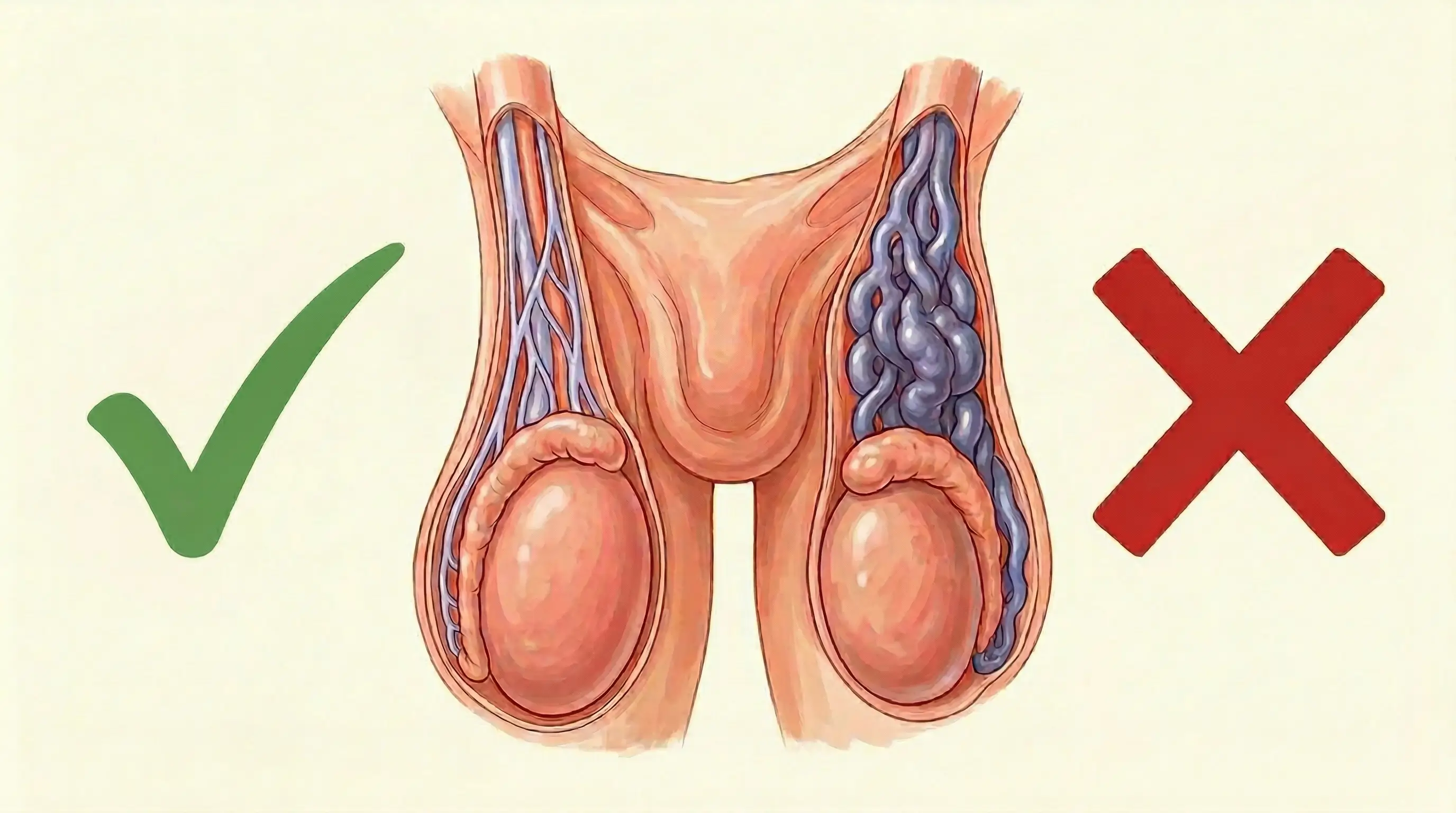
A varicocele is an abnormal dilation and enlargement of the veins (pampiniform plexus) that drain blood from each testicle. Think of it as varicose veins — but in the scrotum.

It’s not a personal failure or bad luck — it’s a medical condition that can often be treated effectively.

Why Is It More Common on the Left Side?

80–90% of varicoceles occur on the left side. This is due to anatomy: the left testicular vein drains into another vein (the left renal vein) at a sharp angle. This setup can increase pressure and slow blood flow, making it easier for blood to pool in the veins around the testicle. The right testicular vein drains directly into the lower-pressure inferior vena cava.

Key insight:
Bilateral involvement is common and may be detected in up to 30–40% of cases, particularly when ultrasound is performed.

How Does Varicocele Affect Fertility?

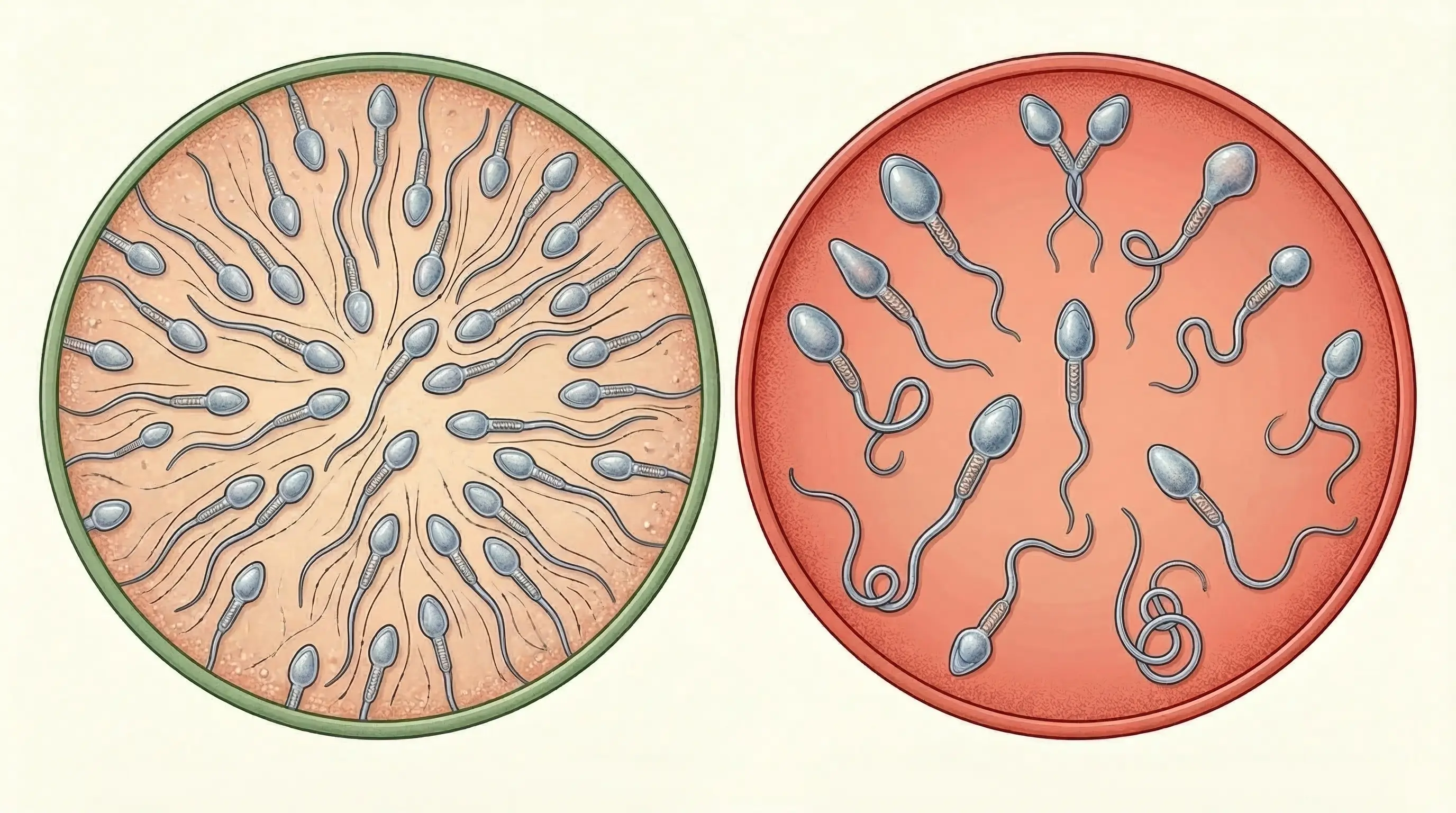
Most men with varicoceles are fertile, but varicocele is the most commonly identified cause of abnormal semen analysis — low sperm count, decreased sperm motility, and abnormal sperm morphology.

Varicocele can impair fertility through several mechanisms:

  • Increased scrotal temperature: Blood pooling raises testicular temperature, which is harmful to sperm production. This is one of the most widely supported mechanisms.

  • Oxidative stress: Varicocele is associated with increased production of reactive oxygen species (ROS), which can damage sperm membranes and DNA.

  • Hypoxia: Impaired blood flow results in lower oxygen delivery to the testicle.

  • Sperm DNA fragmentation: Men with varicocele often have higher sperm DNA fragmentation, which can affect fertility even when standard semen parameters appear normal.

How Does Varicocele Affect Sperm Parameters?

When varicocele affects semen, it typically causes a characteristic pattern on semen analysis, sometimes referred to in clinical literature as a “stress pattern.” This pattern includes:

  • Low sperm count (oligozoospermia).

  • Poor sperm motility (asthenozoospermia).

  • Abnormal sperm morphology (teratozoospermia).

What Are the Symptoms and Signs?

Most varicoceles are asymptomatic and are discovered during routine physical examinations or infertility workups. A minority of patients experience symptoms, most commonly dull scrotal pain or heaviness (reported in approximately 2–10% of patients).

When symptoms occur, they may include:

  • Dull, aching pain: Described as a heavy, throbbing discomfort that worsens with standing or physical activity.

  • Scrotal heaviness: A sensation of weight or fullness in the scrotum.

  • Visible or palpable mass: Large varicoceles may appear as a “bag of worms” above the testicle.

  • Testicular atrophy: The affected testicle may be smaller than the other.

Important:
The absence of symptoms does not rule out a varicocele. Many clinically significant varicoceles causing infertility are painless.

What Are the Grades of Varicocele?

Varicoceles are classified by clinical examination according to their size:

Grade

Description

Grade 0 (Subclinical)

Not detectable by physical examination; found only on ultrasound imaging.

Grade I (Small)

Palpable only during the Valsalva maneuver (bearing down).*

Grade II (Medium)

Palpable without the Valsalva maneuver but not visible.

Grade III (Large)

Visible through scrotal skin; “bag of worms” appearance.

Source: Leslie SW et al. StatPearls (2023) and Kim DK et al. WJMH (2025)

*The Valsalva maneuver is a simple breathing technique where you take a breath, close your mouth, pinch your nose, and gently try to blow air out without letting any air escape. This briefly increases pressure inside your chest and abdomen, which can make certain veins or bulges more noticeable during a medical exam.

Key insight:
Only clinical varicoceles (Grades I–III) are typically considered for treatment. Subclinical varicoceles found only on imaging are generally not treated.

How Is Varicocele Diagnosed?

Physical examination is the cornerstone of diagnosis. Many clinically relevant varicoceles are diagnosed solely by exam, without the need for imaging.

Method

What It Checks

Physical Examination

Primary diagnostic method. Performed standing and during the Valsalva maneuver. Can identify Grade I–III varicoceles.

Doppler Ultrasound

Used for equivocal cases. A varicocele on ultrasound is typically defined as veins ≥3 mm in diameter with demonstrable venous reflux during the Valsalva maneuver. Can also detect subclinical varicoceles.

Semen Analysis

Essential for assessing fertility impact. Evaluates sperm count, motility, and morphology. Advanced testing may include DNA fragmentation analysis.

Source: Leslie SW et al. StatPearls (2023) and Cauni V et al. In Vivo (2022)

Important:
In men undergoing fertility evaluation, at least one semen analysis should be performed to assess fertility. A single abnormal result should be confirmed with a repeat test after 2–4 weeks.

What Are the Treatment Options?

There are no medications that correct the underlying venous abnormality. When treatment is indicated, it involves surgical intervention or percutaneous embolization.

Surgical Options

Technique

Recurrence Rate

Key Notes

Microsurgical (Subinguinal) Varicocelectomy

0.8–4%

Preferred technique; lowest recurrence.

Laparoscopic

Approximately 2–15%

Higher recurrence; some pediatric use. Reported recurrence rates vary depending on technique and surgeon experience.

Open Inguinal / Retroperitoneal

5–15%

Traditional approach.

Source: Agarwal A et al. WJMH (2023) and Kuchakulla M et al. BJU Int (2025)

Microsurgical subinguinal varicocelectomy is considered the preferred technique due to lower recurrence rates, fewer complications, and better outcomes.

Non-Surgical Option: Percutaneous Embolization

Performed by interventional radiology, this involves passing a catheter through the femoral vein to block the spermatic vein. Reported success rates range from approximately 85–89%, depending on the study and technique. Recurrence rates are reported at 3–11%. While less invasive than surgical options, it can be technically challenging and is commonly used for recurrent varicoceles.

When Is Treatment Recommended?

Treatment is not recommended for all varicoceles. Guidelines recommend treatment when the following criteria are met:

Indication

Criteria

Infertility

Palpable (clinical) varicocele + abnormal semen parameters + couple attempting conception.

Pain / Discomfort

Scrotal pain or heaviness attributable to a varicocele that affects quality of life.

Adolescent Testicular Growth

High-grade varicocele + >20% testicular volume difference (affected side smaller).

Source: AUA/ASRM Guideline (2021) and EAU Guidelines on Sexual and Reproductive Health (2025)

Treatment is NOT recommended for:

  • Subclinical varicoceles (found only on imaging).

  • Men with normal semen parameters.

  • Asymptomatic varicoceles without fertility concerns.

What Are the Expected Recovery and Outcomes?

Timeline for Improvement

Spermatogenesis takes approximately 74 days, so improvements in sperm parameters typically become noticeable 3–6 months after treatment.

Expected Outcomes

Meta-analyses have shown the following improvements after varicocele treatment:

Parameter

Expected Improvement

Sperm Count

+9.7 to +12.3 million/mL

Sperm Motility

+10.9%

Sperm Morphology

+9.7%

Couple Conception Rate

40–60% of couples achieve improved conception rates after treatment.

Source: Leslie SW et al. StatPearls (2023) and Majzoub A et al. Andrologia (2021)

Overall, approximately 70% of patients have improved semen parameters, and 40–60% of couples achieve improved conception rates after treatment.

Important: Better outcomes are generally seen in men with milder baseline semen abnormalities (initial sperm counts >8 million/mL and progressive motility >18%). Smoking and obesity negatively affect outcomes.

So, What Should You Do Now?

If you suspect you have a varicocele or are experiencing fertility issues, here is a clear path forward:

Step 1: Get a Physical Examination

See a urologist or fertility specialist for a clinical examination. This is the primary diagnostic method.

Step 2: Get a Semen Analysis

A semen analysis (spermiogram) will assess whether the varicocele is affecting your fertility.

Step 3: Discuss Treatment Options

If you have a clinical varicocele with abnormal semen parameters and fertility concerns, discuss treatment options with your doctor.

Step 4: Consider Both Partners

Remember that an infertility evaluation should always include both partners.

→ Compare fertility clinics worldwide: MedicalNavigator.com/fertility-clinics

Too Long, Didn’t Read

  • Varicocele is the most common correctable cause of male infertility.

  • It is found in 15–20% of all men, but up to 40% of infertile men.

  • Most are on the left side (80–90%) due to anatomy.

  • Many are asymptomatic — no symptoms doesn’t mean no varicocele.

  • Treatment is recommended for: clinical varicocele + abnormal semen + infertility.

  • Microsurgical varicocelectomy is the preferred surgical technique.

  • Expect improvements in semen quality in 3–6 months after treatment.


References

1. Leslie SW, Sajjad H, Siref LE. Varicocele. [Updated 2023 Nov 13]. In: StatPearls [Internet]. Treasure Island (FL): StatPearls Publishing; 2025 Jan-.

2. European Association of Urology. EAU Guidelines on Sexual and Reproductive Health. 2025 Edition.

3. Naughton CK, Nangia AK, Agarwal A. Pathophysiology of varicoceles in male infertility. Human Reproduction Update. 2001;7(5):473–481. doi:10.1093/humupd/7.5.473

4. Zhang Y, Zhang W, Wu X, et al. Effect of varicocele on sperm DNA damage: A systematic review and meta-analysis. Andrologia. 2022;54(1):e14275. doi:10.1111/and.14275

5. Kim DK, Kim DS, Kam SC, et al. Recent Guidelines and Perspectives for Varicocele: A Clinical Consensus and Recommendations from the Korean Society for Sexual Medicine and Andrology. World Journal of Men’s Health. 2025;43(4):748–757. doi:10.5534/wjmh.240290

6. Schlegel PN, Sigman M, Collura B, et al. Diagnosis and Treatment of Infertility in Men: AUA/ASRM Guideline Part I. J Urol. 2021;205(1):36–43.

7. Schlegel PN, Sigman M, Collura B, et al. Diagnosis and Treatment of Infertility in Men: AUA/ASRM Guideline Part II. J Urol. 2021;205(1):44–51.

8. Cauni V, Ciofu I, Stoica C, et al. Doppler Ultrasonography  —  An Important Tool in Managing Patients With Varicocele and Secondary Infertility. In Vivo. 2022;36(5):2392–2399. doi:10.21873/invivo.12972

9. Agarwal A, Cannarella R, Saleh R, et al.Impact of Varicocele Repair on Semen Parameters in Infertile Men: A Systematic Review and Meta-Analysis. World Journal of Men’s Health. 2023;41(2):289–310. doi:10.5534/wjmh.220142

10. Kuchakulla M, Gurayah AA, Marinaro JA, et al. Impact of microsurgical varicocelectomy on sperm capacitation and birth outcomes. BJU International. 2025;136(6):1064–1070. doi:10.1111/bju.16888

11. Majzoub A, ElBardisi H, Covarrubias S, et al. Effect of microsurgical varicocelectomy on fertility outcome and treatment plans of patients with severe oligozoospermia: An original report and meta-analysis. Andrologia. 2021;53(6):e14059. doi:10.1111/and.14059

12. Persad E, O’Loughlin C, Kaur S, et al. Surgical or radiological treatment for varicoceles in subfertile men. Cochrane Database of Systematic Reviews. 2021.

13. Chiba K, Fujisawa M. Clinical Outcomes of Varicocele Repair in Infertile Men: A Review. World Journal of Men’s Health. 2016;34(2):101–109. doi:10.5534/wjmh.2016.34.2.101

14. Al Bakri A, Lo K, Grober E, et al. Time for improvement in semen parameters after varicocelectomy. Journal of Urology. 2012;187(1):227–231. doi:10.1016/j.juro.2011.09.041

This guide is for informational purposes only. Always consult qualified healthcare providers for personalized recommendations. For full details, read our Medical Disclaimer.

What you will get

Varicocele is the most common correctable cause of male infertility, found in approximately 15–20% of all men and up to 40% of men evaluated for infertility.

Whatever brought you here, know that you are not alone, and this guide will help you understand your condition and take the next step.

What You’ll Get

  • What a varicocele is and why it matters for fertility

  • How a varicocele affects sperm quality and DNA integrity

  • Symptoms and signs to watch for

  • How a varicocele is diagnosed

  • Treatment options: surgical and non-surgical

  • When treatment is recommended

  • Recovery and outcomes after treatment

What Is a Varicocele?

A varicocele is an abnormal dilation and enlargement of the veins (pampiniform plexus) that drain blood from each testicle. Think of it as varicose veins — but in the scrotum.

It’s not a personal failure or bad luck — it’s a medical condition that can often be treated effectively.

Why Is It More Common on the Left Side?

80–90% of varicoceles occur on the left side. This is due to anatomy: the left testicular vein drains into another vein (the left renal vein) at a sharp angle. This setup can increase pressure and slow blood flow, making it easier for blood to pool in the veins around the testicle. The right testicular vein drains directly into the lower-pressure inferior vena cava.

Key insight:
Bilateral involvement is common and may be detected in up to 30–40% of cases, particularly when ultrasound is performed.

How Does Varicocele Affect Fertility?

Most men with varicoceles are fertile, but varicocele is the most commonly identified cause of abnormal semen analysis — low sperm count, decreased sperm motility, and abnormal sperm morphology.

Varicocele can impair fertility through several mechanisms:

  • Increased scrotal temperature: Blood pooling raises testicular temperature, which is harmful to sperm production. This is one of the most widely supported mechanisms.

  • Oxidative stress: Varicocele is associated with increased production of reactive oxygen species (ROS), which can damage sperm membranes and DNA.

  • Hypoxia: Impaired blood flow results in lower oxygen delivery to the testicle.

  • Sperm DNA fragmentation: Men with varicocele often have higher sperm DNA fragmentation, which can affect fertility even when standard semen parameters appear normal.

How Does Varicocele Affect Sperm Parameters?

When varicocele affects semen, it typically causes a characteristic pattern on semen analysis, sometimes referred to in clinical literature as a “stress pattern.” This pattern includes:

  • Low sperm count (oligozoospermia).

  • Poor sperm motility (asthenozoospermia).

  • Abnormal sperm morphology (teratozoospermia).

What Are the Symptoms and Signs?

Most varicoceles are asymptomatic and are discovered during routine physical examinations or infertility workups. A minority of patients experience symptoms, most commonly dull scrotal pain or heaviness (reported in approximately 2–10% of patients).

When symptoms occur, they may include:

  • Dull, aching pain: Described as a heavy, throbbing discomfort that worsens with standing or physical activity.

  • Scrotal heaviness: A sensation of weight or fullness in the scrotum.

  • Visible or palpable mass: Large varicoceles may appear as a “bag of worms” above the testicle.

  • Testicular atrophy: The affected testicle may be smaller than the other.

Important:
The absence of symptoms does not rule out a varicocele. Many clinically significant varicoceles causing infertility are painless.

What Are the Grades of Varicocele?

Varicoceles are classified by clinical examination according to their size:

Grade

Description

Grade 0 (Subclinical)

Not detectable by physical examination; found only on ultrasound imaging.

Grade I (Small)

Palpable only during the Valsalva maneuver (bearing down).*

Grade II (Medium)

Palpable without the Valsalva maneuver but not visible.

Grade III (Large)

Visible through scrotal skin; “bag of worms” appearance.

Source: Leslie SW et al. StatPearls (2023) and Kim DK et al. WJMH (2025)

*The Valsalva maneuver is a simple breathing technique where you take a breath, close your mouth, pinch your nose, and gently try to blow air out without letting any air escape. This briefly increases pressure inside your chest and abdomen, which can make certain veins or bulges more noticeable during a medical exam.

Key insight:
Only clinical varicoceles (Grades I–III) are typically considered for treatment. Subclinical varicoceles found only on imaging are generally not treated.

How Is Varicocele Diagnosed?

Physical examination is the cornerstone of diagnosis. Many clinically relevant varicoceles are diagnosed solely by exam, without the need for imaging.

Method

What It Checks

Physical Examination

Primary diagnostic method. Performed standing and during the Valsalva maneuver. Can identify Grade I–III varicoceles.

Doppler Ultrasound

Used for equivocal cases. A varicocele on ultrasound is typically defined as veins ≥3 mm in diameter with demonstrable venous reflux during the Valsalva maneuver. Can also detect subclinical varicoceles.

Semen Analysis

Essential for assessing fertility impact. Evaluates sperm count, motility, and morphology. Advanced testing may include DNA fragmentation analysis.

Source: Leslie SW et al. StatPearls (2023) and Cauni V et al. In Vivo (2022)

Important:
In men undergoing fertility evaluation, at least one semen analysis should be performed to assess fertility. A single abnormal result should be confirmed with a repeat test after 2–4 weeks.

What Are the Treatment Options?

There are no medications that correct the underlying venous abnormality. When treatment is indicated, it involves surgical intervention or percutaneous embolization.

Surgical Options

Technique

Recurrence Rate

Key Notes

Microsurgical (Subinguinal) Varicocelectomy

0.8–4%

Preferred technique; lowest recurrence.

Laparoscopic

Approximately 2–15%

Higher recurrence; some pediatric use. Reported recurrence rates vary depending on technique and surgeon experience.

Open Inguinal / Retroperitoneal

5–15%

Traditional approach.

Source: Agarwal A et al. WJMH (2023) and Kuchakulla M et al. BJU Int (2025)

Microsurgical subinguinal varicocelectomy is considered the preferred technique due to lower recurrence rates, fewer complications, and better outcomes.

Non-Surgical Option: Percutaneous Embolization

Performed by interventional radiology, this involves passing a catheter through the femoral vein to block the spermatic vein. Reported success rates range from approximately 85–89%, depending on the study and technique. Recurrence rates are reported at 3–11%. While less invasive than surgical options, it can be technically challenging and is commonly used for recurrent varicoceles.

When Is Treatment Recommended?

Treatment is not recommended for all varicoceles. Guidelines recommend treatment when the following criteria are met:

Indication

Criteria

Infertility

Palpable (clinical) varicocele + abnormal semen parameters + couple attempting conception.

Pain / Discomfort

Scrotal pain or heaviness attributable to a varicocele that affects quality of life.

Adolescent Testicular Growth

High-grade varicocele + >20% testicular volume difference (affected side smaller).

Source: AUA/ASRM Guideline (2021) and EAU Guidelines on Sexual and Reproductive Health (2025)

Treatment is NOT recommended for:

  • Subclinical varicoceles (found only on imaging).

  • Men with normal semen parameters.

  • Asymptomatic varicoceles without fertility concerns.

What Are the Expected Recovery and Outcomes?

Timeline for Improvement

Spermatogenesis takes approximately 74 days, so improvements in sperm parameters typically become noticeable 3–6 months after treatment.

Expected Outcomes

Meta-analyses have shown the following improvements after varicocele treatment:

Parameter

Expected Improvement

Sperm Count

+9.7 to +12.3 million/mL

Sperm Motility

+10.9%

Sperm Morphology

+9.7%

Couple Conception Rate

40–60% of couples achieve improved conception rates after treatment.

Source: Leslie SW et al. StatPearls (2023) and Majzoub A et al. Andrologia (2021)

Overall, approximately 70% of patients have improved semen parameters, and 40–60% of couples achieve improved conception rates after treatment.

Important: Better outcomes are generally seen in men with milder baseline semen abnormalities (initial sperm counts >8 million/mL and progressive motility >18%). Smoking and obesity negatively affect outcomes.

So, What Should You Do Now?

If you suspect you have a varicocele or are experiencing fertility issues, here is a clear path forward:

Step 1: Get a Physical Examination

See a urologist or fertility specialist for a clinical examination. This is the primary diagnostic method.

Step 2: Get a Semen Analysis

A semen analysis (spermiogram) will assess whether the varicocele is affecting your fertility.

Step 3: Discuss Treatment Options

If you have a clinical varicocele with abnormal semen parameters and fertility concerns, discuss treatment options with your doctor.

Step 4: Consider Both Partners

Remember that an infertility evaluation should always include both partners.

→ Compare fertility clinics worldwide: MedicalNavigator.com/fertility-clinics

Too Long, Didn’t Read

  • Varicocele is the most common correctable cause of male infertility.

  • It is found in 15–20% of all men, but up to 40% of infertile men.

  • Most are on the left side (80–90%) due to anatomy.

  • Many are asymptomatic — no symptoms doesn’t mean no varicocele.

  • Treatment is recommended for: clinical varicocele + abnormal semen + infertility.

  • Microsurgical varicocelectomy is the preferred surgical technique.

  • Expect improvements in semen quality in 3–6 months after treatment.


References

1. Leslie SW, Sajjad H, Siref LE. Varicocele. [Updated 2023 Nov 13]. In: StatPearls [Internet]. Treasure Island (FL): StatPearls Publishing; 2025 Jan-.

2. European Association of Urology. EAU Guidelines on Sexual and Reproductive Health. 2025 Edition.

3. Naughton CK, Nangia AK, Agarwal A. Pathophysiology of varicoceles in male infertility. Human Reproduction Update. 2001;7(5):473–481. doi:10.1093/humupd/7.5.473

4. Zhang Y, Zhang W, Wu X, et al. Effect of varicocele on sperm DNA damage: A systematic review and meta-analysis. Andrologia. 2022;54(1):e14275. doi:10.1111/and.14275

5. Kim DK, Kim DS, Kam SC, et al. Recent Guidelines and Perspectives for Varicocele: A Clinical Consensus and Recommendations from the Korean Society for Sexual Medicine and Andrology. World Journal of Men’s Health. 2025;43(4):748–757. doi:10.5534/wjmh.240290

6. Schlegel PN, Sigman M, Collura B, et al. Diagnosis and Treatment of Infertility in Men: AUA/ASRM Guideline Part I. J Urol. 2021;205(1):36–43.

7. Schlegel PN, Sigman M, Collura B, et al. Diagnosis and Treatment of Infertility in Men: AUA/ASRM Guideline Part II. J Urol. 2021;205(1):44–51.

8. Cauni V, Ciofu I, Stoica C, et al. Doppler Ultrasonography  —  An Important Tool in Managing Patients With Varicocele and Secondary Infertility. In Vivo. 2022;36(5):2392–2399. doi:10.21873/invivo.12972

9. Agarwal A, Cannarella R, Saleh R, et al.Impact of Varicocele Repair on Semen Parameters in Infertile Men: A Systematic Review and Meta-Analysis. World Journal of Men’s Health. 2023;41(2):289–310. doi:10.5534/wjmh.220142

10. Kuchakulla M, Gurayah AA, Marinaro JA, et al. Impact of microsurgical varicocelectomy on sperm capacitation and birth outcomes. BJU International. 2025;136(6):1064–1070. doi:10.1111/bju.16888

11. Majzoub A, ElBardisi H, Covarrubias S, et al. Effect of microsurgical varicocelectomy on fertility outcome and treatment plans of patients with severe oligozoospermia: An original report and meta-analysis. Andrologia. 2021;53(6):e14059. doi:10.1111/and.14059

12. Persad E, O’Loughlin C, Kaur S, et al. Surgical or radiological treatment for varicoceles in subfertile men. Cochrane Database of Systematic Reviews. 2021.

13. Chiba K, Fujisawa M. Clinical Outcomes of Varicocele Repair in Infertile Men: A Review. World Journal of Men’s Health. 2016;34(2):101–109. doi:10.5534/wjmh.2016.34.2.101

14. Al Bakri A, Lo K, Grober E, et al. Time for improvement in semen parameters after varicocelectomy. Journal of Urology. 2012;187(1):227–231. doi:10.1016/j.juro.2011.09.041

This guide is for informational purposes only. Always consult qualified healthcare providers for personalized recommendations. For full details, read our Medical Disclaimer.

What you will get

Varicocele is the most common correctable cause of male infertility, found in approximately 15–20% of all men and up to 40% of men evaluated for infertility.

Whatever brought you here, know that you are not alone, and this guide will help you understand your condition and take the next step.

What You’ll Get

  • What a varicocele is and why it matters for fertility

  • How a varicocele affects sperm quality and DNA integrity

  • Symptoms and signs to watch for

  • How a varicocele is diagnosed

  • Treatment options: surgical and non-surgical

  • When treatment is recommended

  • Recovery and outcomes after treatment

What Is a Varicocele?

A varicocele is an abnormal dilation and enlargement of the veins (pampiniform plexus) that drain blood from each testicle. Think of it as varicose veins — but in the scrotum.

It’s not a personal failure or bad luck — it’s a medical condition that can often be treated effectively.

Why Is It More Common on the Left Side?

80–90% of varicoceles occur on the left side. This is due to anatomy: the left testicular vein drains into another vein (the left renal vein) at a sharp angle. This setup can increase pressure and slow blood flow, making it easier for blood to pool in the veins around the testicle. The right testicular vein drains directly into the lower-pressure inferior vena cava.

Key insight:
Bilateral involvement is common and may be detected in up to 30–40% of cases, particularly when ultrasound is performed.

How Does Varicocele Affect Fertility?

Most men with varicoceles are fertile, but varicocele is the most commonly identified cause of abnormal semen analysis — low sperm count, decreased sperm motility, and abnormal sperm morphology.

Varicocele can impair fertility through several mechanisms:

  • Increased scrotal temperature: Blood pooling raises testicular temperature, which is harmful to sperm production. This is one of the most widely supported mechanisms.

  • Oxidative stress: Varicocele is associated with increased production of reactive oxygen species (ROS), which can damage sperm membranes and DNA.

  • Hypoxia: Impaired blood flow results in lower oxygen delivery to the testicle.

  • Sperm DNA fragmentation: Men with varicocele often have higher sperm DNA fragmentation, which can affect fertility even when standard semen parameters appear normal.

How Does Varicocele Affect Sperm Parameters?

When varicocele affects semen, it typically causes a characteristic pattern on semen analysis, sometimes referred to in clinical literature as a “stress pattern.” This pattern includes:

  • Low sperm count (oligozoospermia).

  • Poor sperm motility (asthenozoospermia).

  • Abnormal sperm morphology (teratozoospermia).

What Are the Symptoms and Signs?

Most varicoceles are asymptomatic and are discovered during routine physical examinations or infertility workups. A minority of patients experience symptoms, most commonly dull scrotal pain or heaviness (reported in approximately 2–10% of patients).

When symptoms occur, they may include:

  • Dull, aching pain: Described as a heavy, throbbing discomfort that worsens with standing or physical activity.

  • Scrotal heaviness: A sensation of weight or fullness in the scrotum.

  • Visible or palpable mass: Large varicoceles may appear as a “bag of worms” above the testicle.

  • Testicular atrophy: The affected testicle may be smaller than the other.

Important:
The absence of symptoms does not rule out a varicocele. Many clinically significant varicoceles causing infertility are painless.

What Are the Grades of Varicocele?

Varicoceles are classified by clinical examination according to their size:

Grade

Description

Grade 0 (Subclinical)

Not detectable by physical examination; found only on ultrasound imaging.

Grade I (Small)

Palpable only during the Valsalva maneuver (bearing down).*

Grade II (Medium)

Palpable without the Valsalva maneuver but not visible.

Grade III (Large)

Visible through scrotal skin; “bag of worms” appearance.

Source: Leslie SW et al. StatPearls (2023) and Kim DK et al. WJMH (2025)

*The Valsalva maneuver is a simple breathing technique where you take a breath, close your mouth, pinch your nose, and gently try to blow air out without letting any air escape. This briefly increases pressure inside your chest and abdomen, which can make certain veins or bulges more noticeable during a medical exam.

Key insight:
Only clinical varicoceles (Grades I–III) are typically considered for treatment. Subclinical varicoceles found only on imaging are generally not treated.

How Is Varicocele Diagnosed?

Physical examination is the cornerstone of diagnosis. Many clinically relevant varicoceles are diagnosed solely by exam, without the need for imaging.

Method

What It Checks

Physical Examination

Primary diagnostic method. Performed standing and during the Valsalva maneuver. Can identify Grade I–III varicoceles.

Doppler Ultrasound

Used for equivocal cases. A varicocele on ultrasound is typically defined as veins ≥3 mm in diameter with demonstrable venous reflux during the Valsalva maneuver. Can also detect subclinical varicoceles.

Semen Analysis

Essential for assessing fertility impact. Evaluates sperm count, motility, and morphology. Advanced testing may include DNA fragmentation analysis.

Source: Leslie SW et al. StatPearls (2023) and Cauni V et al. In Vivo (2022)

Important:
In men undergoing fertility evaluation, at least one semen analysis should be performed to assess fertility. A single abnormal result should be confirmed with a repeat test after 2–4 weeks.

What Are the Treatment Options?

There are no medications that correct the underlying venous abnormality. When treatment is indicated, it involves surgical intervention or percutaneous embolization.

Surgical Options

Technique

Recurrence Rate

Key Notes

Microsurgical (Subinguinal) Varicocelectomy

0.8–4%

Preferred technique; lowest recurrence.

Laparoscopic

Approximately 2–15%

Higher recurrence; some pediatric use. Reported recurrence rates vary depending on technique and surgeon experience.

Open Inguinal / Retroperitoneal

5–15%

Traditional approach.

Source: Agarwal A et al. WJMH (2023) and Kuchakulla M et al. BJU Int (2025)

Microsurgical subinguinal varicocelectomy is considered the preferred technique due to lower recurrence rates, fewer complications, and better outcomes.

Non-Surgical Option: Percutaneous Embolization

Performed by interventional radiology, this involves passing a catheter through the femoral vein to block the spermatic vein. Reported success rates range from approximately 85–89%, depending on the study and technique. Recurrence rates are reported at 3–11%. While less invasive than surgical options, it can be technically challenging and is commonly used for recurrent varicoceles.

When Is Treatment Recommended?

Treatment is not recommended for all varicoceles. Guidelines recommend treatment when the following criteria are met:

Indication

Criteria

Infertility

Palpable (clinical) varicocele + abnormal semen parameters + couple attempting conception.

Pain / Discomfort

Scrotal pain or heaviness attributable to a varicocele that affects quality of life.

Adolescent Testicular Growth

High-grade varicocele + >20% testicular volume difference (affected side smaller).

Source: AUA/ASRM Guideline (2021) and EAU Guidelines on Sexual and Reproductive Health (2025)

Treatment is NOT recommended for:

  • Subclinical varicoceles (found only on imaging).

  • Men with normal semen parameters.

  • Asymptomatic varicoceles without fertility concerns.

What Are the Expected Recovery and Outcomes?

Timeline for Improvement

Spermatogenesis takes approximately 74 days, so improvements in sperm parameters typically become noticeable 3–6 months after treatment.

Expected Outcomes

Meta-analyses have shown the following improvements after varicocele treatment:

Parameter

Expected Improvement

Sperm Count

+9.7 to +12.3 million/mL

Sperm Motility

+10.9%

Sperm Morphology

+9.7%

Couple Conception Rate

40–60% of couples achieve improved conception rates after treatment.

Source: Leslie SW et al. StatPearls (2023) and Majzoub A et al. Andrologia (2021)

Overall, approximately 70% of patients have improved semen parameters, and 40–60% of couples achieve improved conception rates after treatment.

Important: Better outcomes are generally seen in men with milder baseline semen abnormalities (initial sperm counts >8 million/mL and progressive motility >18%). Smoking and obesity negatively affect outcomes.

So, What Should You Do Now?

If you suspect you have a varicocele or are experiencing fertility issues, here is a clear path forward:

Step 1: Get a Physical Examination

See a urologist or fertility specialist for a clinical examination. This is the primary diagnostic method.

Step 2: Get a Semen Analysis

A semen analysis (spermiogram) will assess whether the varicocele is affecting your fertility.

Step 3: Discuss Treatment Options

If you have a clinical varicocele with abnormal semen parameters and fertility concerns, discuss treatment options with your doctor.

Step 4: Consider Both Partners

Remember that an infertility evaluation should always include both partners.

→ Compare fertility clinics worldwide: MedicalNavigator.com/fertility-clinics

Too Long, Didn’t Read

  • Varicocele is the most common correctable cause of male infertility.

  • It is found in 15–20% of all men, but up to 40% of infertile men.

  • Most are on the left side (80–90%) due to anatomy.

  • Many are asymptomatic — no symptoms doesn’t mean no varicocele.

  • Treatment is recommended for: clinical varicocele + abnormal semen + infertility.

  • Microsurgical varicocelectomy is the preferred surgical technique.

  • Expect improvements in semen quality in 3–6 months after treatment.


References

1. Leslie SW, Sajjad H, Siref LE. Varicocele. [Updated 2023 Nov 13]. In: StatPearls [Internet]. Treasure Island (FL): StatPearls Publishing; 2025 Jan-.

2. European Association of Urology. EAU Guidelines on Sexual and Reproductive Health. 2025 Edition.

3. Naughton CK, Nangia AK, Agarwal A. Pathophysiology of varicoceles in male infertility. Human Reproduction Update. 2001;7(5):473–481. doi:10.1093/humupd/7.5.473

4. Zhang Y, Zhang W, Wu X, et al. Effect of varicocele on sperm DNA damage: A systematic review and meta-analysis. Andrologia. 2022;54(1):e14275. doi:10.1111/and.14275

5. Kim DK, Kim DS, Kam SC, et al. Recent Guidelines and Perspectives for Varicocele: A Clinical Consensus and Recommendations from the Korean Society for Sexual Medicine and Andrology. World Journal of Men’s Health. 2025;43(4):748–757. doi:10.5534/wjmh.240290

6. Schlegel PN, Sigman M, Collura B, et al. Diagnosis and Treatment of Infertility in Men: AUA/ASRM Guideline Part I. J Urol. 2021;205(1):36–43.

7. Schlegel PN, Sigman M, Collura B, et al. Diagnosis and Treatment of Infertility in Men: AUA/ASRM Guideline Part II. J Urol. 2021;205(1):44–51.

8. Cauni V, Ciofu I, Stoica C, et al. Doppler Ultrasonography  —  An Important Tool in Managing Patients With Varicocele and Secondary Infertility. In Vivo. 2022;36(5):2392–2399. doi:10.21873/invivo.12972

9. Agarwal A, Cannarella R, Saleh R, et al.Impact of Varicocele Repair on Semen Parameters in Infertile Men: A Systematic Review and Meta-Analysis. World Journal of Men’s Health. 2023;41(2):289–310. doi:10.5534/wjmh.220142

10. Kuchakulla M, Gurayah AA, Marinaro JA, et al. Impact of microsurgical varicocelectomy on sperm capacitation and birth outcomes. BJU International. 2025;136(6):1064–1070. doi:10.1111/bju.16888

11. Majzoub A, ElBardisi H, Covarrubias S, et al. Effect of microsurgical varicocelectomy on fertility outcome and treatment plans of patients with severe oligozoospermia: An original report and meta-analysis. Andrologia. 2021;53(6):e14059. doi:10.1111/and.14059

12. Persad E, O’Loughlin C, Kaur S, et al. Surgical or radiological treatment for varicoceles in subfertile men. Cochrane Database of Systematic Reviews. 2021.

13. Chiba K, Fujisawa M. Clinical Outcomes of Varicocele Repair in Infertile Men: A Review. World Journal of Men’s Health. 2016;34(2):101–109. doi:10.5534/wjmh.2016.34.2.101

14. Al Bakri A, Lo K, Grober E, et al. Time for improvement in semen parameters after varicocelectomy. Journal of Urology. 2012;187(1):227–231. doi:10.1016/j.juro.2011.09.041

This guide is for informational purposes only. Always consult qualified healthcare providers for personalized recommendations. For full details, read our Medical Disclaimer.