


What Does Blood Work Show in a Fertility Workup?
Blood work answers questions that imaging and physical exams cannot: how well your endocrine system signals ovulation, sperm production, and embryo support — and whether nutrient gaps or autoimmune problems are quietly undermining all of it. A standard fertility panel covers reproductive hormones, thyroid function, key micronutrients, and the infectious-disease serology required before any treatment cycle.[^1][^2]
A 2021 Journal of the American Medical Association (JAMA) review describes the diagnostic workup as a stepwise process: history and physical, then targeted bloods, then imaging — each test ordered to answer a specific clinical question, not as a fishing expedition.[^2] Most fertility clinics order between 10 and 25 blood tests at the first visit. The goal isn't to find something abnormal. The goal is to rule out the conditions that change what treatment you actually need.
→ Learn more: Hormonal Panel for Infertility
How Do You Read a Lab Report?
You read a lab report by checking three numbers on every line: your value, the reference range, and the units. The reference range is the lab's "central 95%" — the range that includes the middle 95% of healthy people the lab tested during assay validation. By definition, 5% of healthy people fall outside it. A flagged result does not necessarily mean disease.[^3]
A 2025 review in the Journal of the American Board of Family Medicine found that the rate of incidentally abnormal lab values far exceeds the rate of clinically meaningful disease — partly because reference ranges are built from limited reference populations and shift with method, sex, age, ethnicity, and even the season the test was drawn.[^3]
This matters for fertility in two specific ways. First, a "normal" TSH for the general population (often up to about 4.5 mIU/L) is not the same as a fertility-target TSH — many specialists aim for a level below 2.5 mIU/L when conception is the goal.[^4] Second, ranges differ between labs. Always compare your value to the range printed on your report — not to one you found online.
Bottom Line:
A flagged value isn't a diagnosis. It's a question your specialist needs to answer in the context of your age, cycle day, history, and other results.
What Do Reproductive Hormone Tests Indicate?
Reproductive hormone tests indicate whether the brain is sending the right signals to the ovaries or testes — and whether those organs are responding. The menstrual cycle and male spermatogenesis — sperm production that takes approximately 74 days — are both governed by signaling between the brain (hypothalamus and pituitary) and the gonads (ovaries or testes). The blood panel reads that signal at a single point in time.
For Women
The standard female panel measures FSH and estradiol on cycle day 2 or 3, AMH on any day, prolactin and TSH on any day, and progesterone roughly 7 days before the expected next period (around day 21 in a 28-day cycle).[^5][^6]
FSH (follicle-stimulating hormone) drives early follicle growth. Day 3 levels above 10–13 mIU/mL are considered elevated and may be associated with poor ovarian response.
AMH (anti-Müllerian hormone) reflects the size of the remaining egg pool. Below 1.0 ng/mL is low; below 0.3 ng/mL is very low. AMH has largely replaced basal FSH as the most sensitive single marker of ovarian reserve.
Estradiol (E2) thickens the uterine lining. An elevated day-3 estradiol can artificially suppress FSH and mask diminished reserve.
Progesterone confirms ovulation has happened. A mid-luteal level above 3 ng/mL indicates ovulation occurred.
Prolactin elevated outside pregnancy can shut down ovulation entirely. Hyperprolactinemia is a recognized cause of amenorrhea and infertility.
AMH is unusual because it remains relatively stable throughout the cycle, which is useful when scheduling is difficult.[^7] But there's a catch. AMH and FSH reflect egg quantity, not egg quality, and neither predicts the chance of pregnancy in any individual woman. The 2022 Journal of Clinical Endocrinology & Metabolism (JCEM) review on AMH was explicit: in non-infertile women, AMH should not be used as a fertility predictor.[^8]
→ Learn more: Fertility and Age
For Men
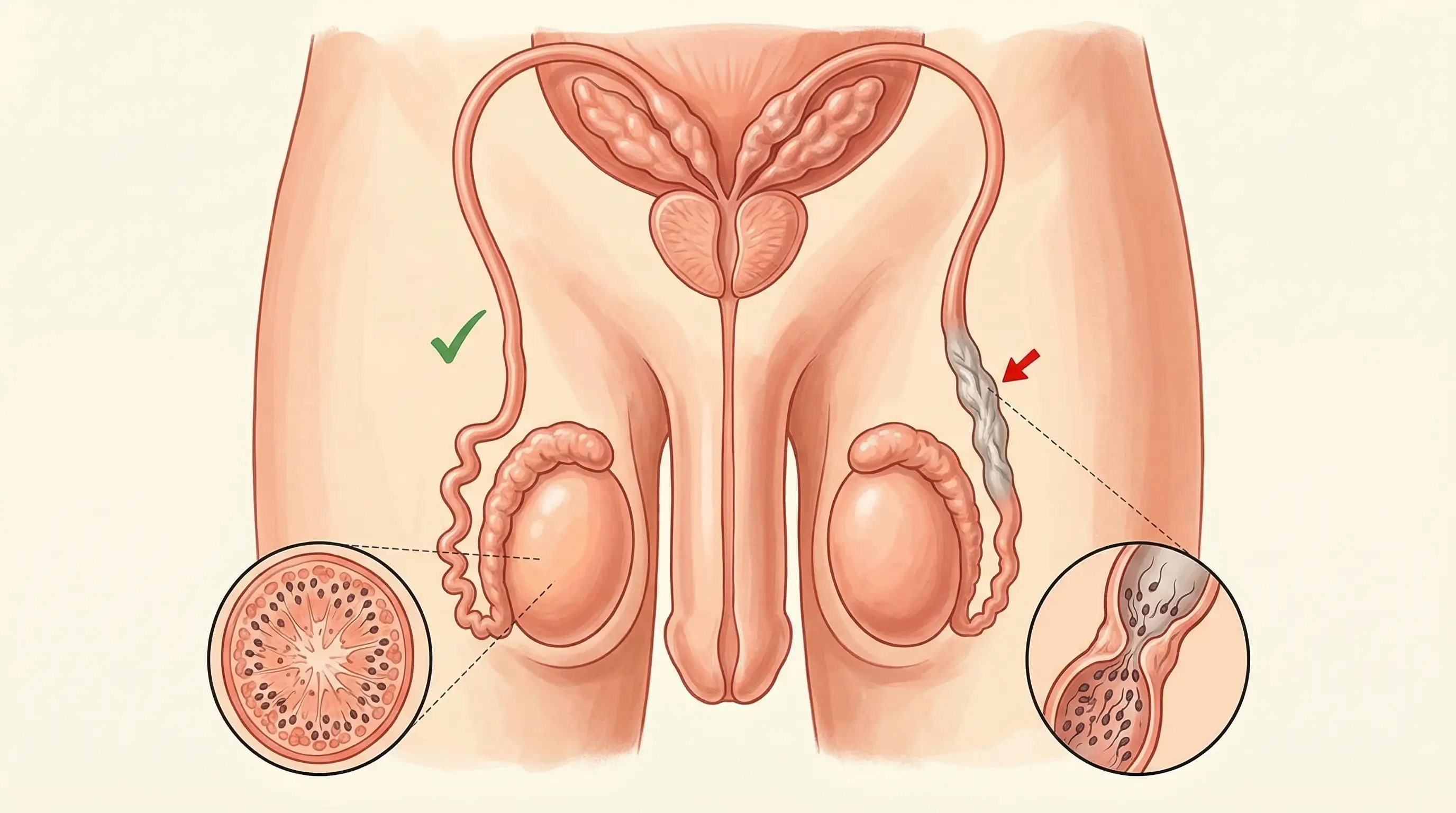
The minimum male panel includes total testosterone (drawn between 7 and 10 AM, when levels peak), FSH, and LH (luteinizing hormone). The pattern across all three tells you where the problem is.
Low testosterone with high FSH and LH points to primary (testicular) hypogonadism — the testes themselves are failing.
Low testosterone with low or normal FSH and LH points to secondary (central) hypogonadism — the brain isn't sending an adequate signal.
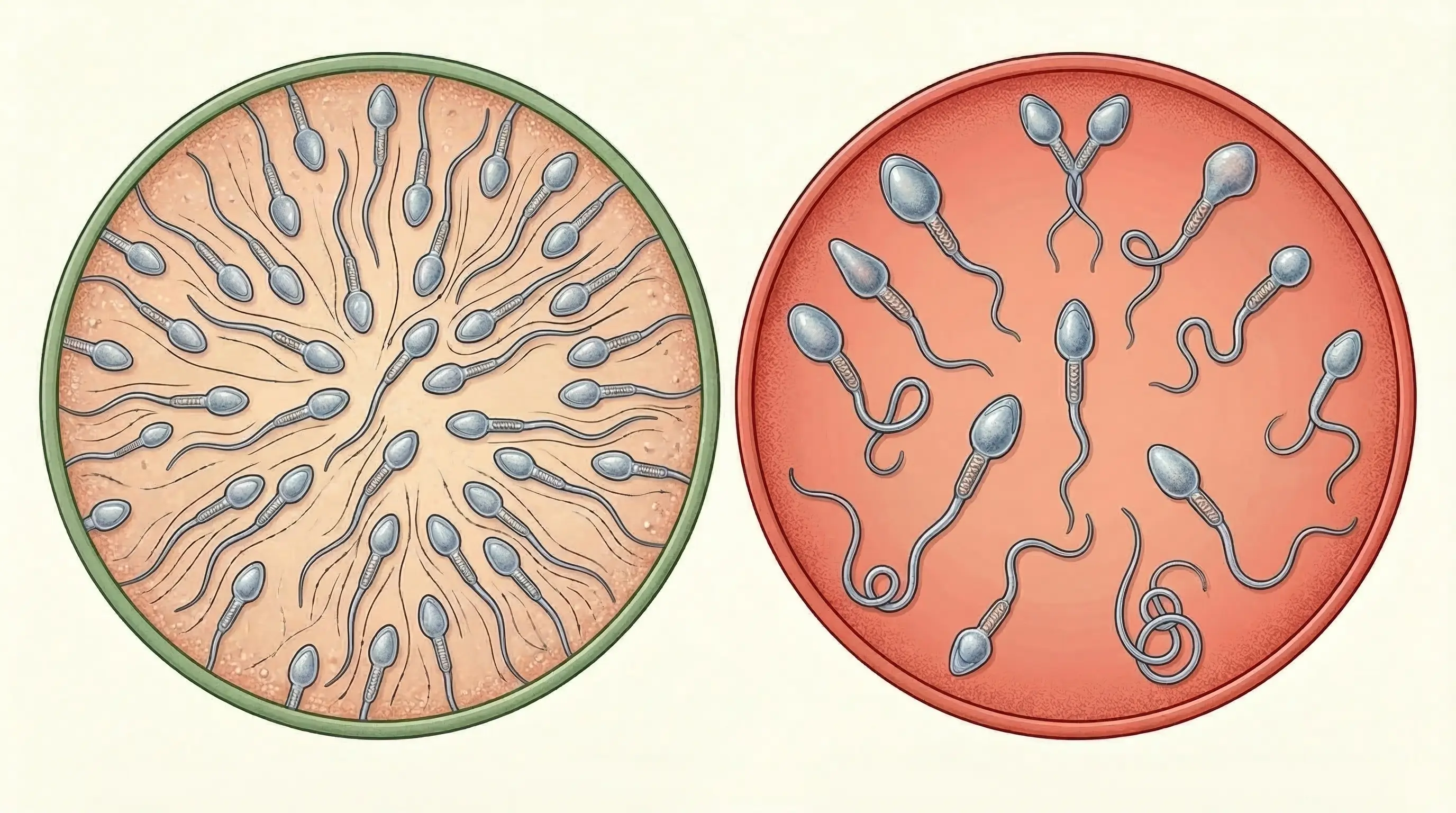
Elevated FSH alone, even with normal testosterone, suggests damage to sperm-producing cells.
Important:
Exogenous testosterone — testosterone taken from outside the body, such as gels, injections, or "TRT" — suppresses sperm production. Men trying to conceive should not be on testosterone replacement. If you've been on it, talk to a fertility specialist about alternatives such as clomiphene or hCG, which can restore sperm production over time.
Reproductive Hormone Reference Ranges at a Glance
Hormone | Typical Range | What Abnormal May Suggest |
|---|---|---|
FSH (day 2–3) | 3–9 mIU/mL | >10–13: low ovarian reserve[^5][^7] |
LH (basal) | 2–10 mIU/mL | Elevated: consider PCOS evaluation |
Estradiol (day 2–3) | 27–161 pg/mL | >80: may artificially suppress FSH[^7] |
Progesterone (day 21) | 5–20 ng/mL | <3: anovulation[^6] |
AMH (any day) | 0.7–3.5 ng/mL | <1.0: low reserve; >3.5: PCOS[^5][^8] |
Prolactin | 0–20 ng/mL | >30: hyperprolactinaemia[^9] |
Total Testosterone (men, AM) | 300–900 ng/dL | <300: hypogonadism |
Sources: Compiled from ASRM Practice Committee (2020);[^5] Parry & Koch, Endotext (2025);[^7] Cedars (JCEM, 2022)[^8].
Reference ranges vary by laboratory and assay. Always compare results to the range printed on your own lab report.
What Do Thyroid Markers Tell You?
Thyroid function affects ovulation, embryo implantation, and miscarriage risk — which is why a thyroid panel sits in every fertility workup. The 2024 American Society for Reproductive Medicine (ASRM) guideline on subclinical hypothyroidism in infertile women is the current standard.[^4]
The basic panel covers three markers.
TSH (thyroid-stimulating hormone) is the most sensitive screen. The general population reference range typically extends to about 4.5 mIU/L, but many fertility specialists aim for TSH below 2.5 mIU/L during conception attempts and pregnancy.
Free T4 (FT4) is the active circulating thyroid hormone. It's typically ordered when TSH is abnormal.
Thyroid peroxidase (TPO) antibodies indicate autoimmune thyroid disease, even when TSH and FT4 are within the reference range.
Key Insight:
TPO-antibody-positive women undergoing in vitro fertilization (IVF) / intracytoplasmic sperm injection (ICSI) showed lower AMH levels, fewer oocytes retrieved, lower top-quality embryo rates, and lower live-birth rates — even when their TSH was completely normal.[^10] Antibody status carries clinical weight on its own. If yours come back positive, that's a conversation worth having before stimulation starts.
What Do Metabolic Markers Reveal?
Insulin resistance — even without diabetes — is associated with ovulation problems, lower IVF success, and higher late-miscarriage risk.[^11][^12] The metabolic markers commonly added to a fertility workup, particularly in women with PCOS or unexplained late miscarriage:
Fasting insulin and glucose are used to calculate HOMA-IR (homeostatic model assessment of insulin resistance). One 2022 study in Frontiers in Endocrinology found HOMA-IR independently predicted late miscarriage in non-dyslipidemic women (those with normal blood lipid levels — fats such as cholesterol and triglycerides) undergoing fresh IVF/ICSI embryo transfer.[^12]
Sex hormone-binding globulin (SHBG) is often low in PCOS and in hyperinsulinemic states, before androgens climb out of range. It's an early warning sign that other markers can miss.[^13]
HbA1c reflects average blood sugar over roughly 3 months — useful for distinguishing chronic from one-off elevations.
Think of insulin resistance like a thermostat that's been turned up: the body keeps producing more insulin to push glucose into cells, and the resulting high insulin levels disrupt SHBG, androgens, and ovulation in ways a fasting glucose alone won't show.
What Do Vitamins and Micronutrients Show?
Deficiencies in vitamin D, B12, folate, iron, and zinc are associated with reduced oocyte quality, hormonal imbalance, and impaired implantation. A 2025 narrative review in Nursing Research and Practice summarised the evidence: these specific deficiencies appear measurably more often in infertile women than in healthy pregnant controls.[^14][^15]
Vitamin D (25-Hydroxyvitamin D)
Vitamin D is one of the most extensively studied markers. A 2025 systematic review and dose-response meta-analysis in Reproductive Sciences found that vitamin D sufficiency was associated with significantly higher rates of clinical pregnancy and live birth in assisted reproductive technology (ART).[^16] Most labs flag values below 30 ng/mL (75 nmol/L) as insufficient.
Ferritin
Ferritin is the storage form of iron — and the most useful single marker of iron status. The WHO defines iron deficiency as ferritin <15 µg/L, but newer evidence supports a higher cutoff for women trying to conceive: <30 µg/L. A 2023 case-control study at the Medical University of Vienna found women with unexplained infertility had ferritin levels under 30 µg/L roughly three times more often than fertile controls (33.3% vs 11.1%).[^15] Hemoglobin can be normal while iron stores are depleted. Ferritin catches what hemoglobin misses.
Vitamin B12 and Folate
Both B12 and folate are required for DNA synthesis, gametogenesis, and embryo development.[^14] Deficiency has been observed more frequently in those following vegetarian and vegan diets, and in patients on long-term metformin or proton pump inhibitors.
→ Learn more: What to Do Before Your First Visit
What Does the Complete Blood Count Show — and What Doesn't It?
The complete blood count (CBC) is included in every fertility panel because it screens for anemia (too few red blood cells or too little hemoglobin, which reduces the blood's ability to carry oxygen throughout the body), infection, and bone marrow problems — any of which can affect a pregnancy if missed.[^17] A standard CBC includes hemoglobin and hematocrit (the anemia screen), mean corpuscular volume (which flags iron-deficient or B12/folate-deficient red cells), the white-cell differential, and platelets.
But the CBC has limits. Some clinics market "inflammatory ratios" derived from it — the neutrophil-to-lymphocyte ratio (NLR), platelet-to-lymphocyte ratio (PLR), and newer composite indices such as the systemic immune-inflammation index (SII) — as fertility predictors. Here's the catch.
Key Insight:
A 2025 retrospective study of 430 women with unexplained infertility undergoing IVF/ICSI found that none of these CBC-derived inflammatory indices predicted clinical pregnancy. Receiver-operating-characteristic (ROC) values clustered at 0.48–0.52 — no better than chance.[^18] Given those numbers, there's little reason to pay extra for these ratios as a fertility add-on — though it's always worth asking your clinic what any added test is expected to tell you.
What Are Immunity and Autoimmune Markers?
Immunity and autoimmune markers are blood tests that check whether your immune system is mistakenly targeting your own tissues — including reproductive tissues, embryos, and developing pregnancies. Some clinics order these panels routinely; others only after recurrent implantation failure or pregnancy loss. The evidence is real, but uneven.
Antinuclear Antibodies (ANA)
A 2023 meta-analysis in the Journal of Reproductive Immunology found ANA-positive women undergoing IVF/ICSI had roughly half the pregnancy rate (OR 0.50, 95% CI 0.38–0.67) and three times the miscarriage rate (OR 3.25, 95% CI 1.57–6.76) compared to ANA-negative women.[^19] Routine ANA screening is debated, but the test has clear value when there's already a history of recurrent loss.
Antiphospholipid Antibodies (aPL)
Antiphospholipid antibodies are implicated in implantation failure and recurrent pregnancy loss. A 2022 systematic review found that aPL-positive women with at least two prior implantation failures had significantly higher odds of failing again than IVF controls.[^20] Other meta-analyses dispute this in the general IVF population. The takeaway: test when there's a clinical reason, not as a default screen.
Natural Killer (NK) Cells
Both peripheral-blood and uterine NK cell testing are debated, and methodologies vary widely across labs. ASRM and the European Society of Human Reproduction and Embryology (ESHRE) do not endorse routine NK cell testing as part of an infertility workup.
The pattern across all three: autoimmune testing should be ordered selectively — typically after recurrent miscarriage, recurrent implantation failure, or known autoimmune disease. Routine screening of every infertile patient isn't supported by current ASRM or ESHRE guidelines, and it can lead to expensive add-on treatments (immunosuppressants, intralipids, IVIG) that haven't been shown to help in unselected cases.
What Infection Tests Are Required Before Fertility Treatment?
Infectious disease screening is mandatory before any assisted reproductive technology (ART) cycle worldwide. The 2023 ASRM committee opinion specifies the panel; ESHRE and most national regulators require equivalent testing.[^21] Both partners are screened, and most labs require retesting at intervals (often every 6–12 months for active treatment).
The standard panel for both partners covers four pathogens:
HIV-1 and HIV-2 — antibody and antigen testing, with nucleic acid testing (NAT) added in some jurisdictions.
Hepatitis B — surface antigen (HBsAg) and core antibody.
Hepatitis C — antibody, with reflex to NAT if positive.
Syphilis — treponemal antibody.
Frequently added, especially for women: chlamydia trachomatis and gonorrhea — because untreated tubal infection causes hydrosalpinx (a blocked, fluid-filled swelling of the fallopian tubes) and tubal-factor infertility. Roughly 15% of untreated chlamydia infections progress to fallopian-tube fibrosis.[^22] human T-lymphotropic viruses (HTLV-1/2), cytomegalovirus (CMV, a common and usually symptomless virus), and Zika (a mosquito-borne virus) are required in some countries, particularly for donor cycles.
A positive screen does not disqualify you from fertility treatment. It changes the protocol — sample handling, equipment use, embryo storage, and consent for partner and future child.[^21] If something flags positive, don't delay treatment until you've spoken with a clinic that handles serodiscordant couples. They exist, and they're routine.
So, What Should You Do Now?
If you're sitting with a stack of blood results and unsure what to make of them, here's how to move forward.
Step 1: Bring All Your Results to One Place
Collect every blood test from the past 12 months — primary care, gynecology, endocrinology, anything that touched your reproductive system. A fertility specialist needs them in one document, not scattered across patient portals.
Step 2: Check Cycle Timing
For female hormones, look at the date of each draw and confirm the cycle day. FSH and estradiol drawn on day 8 mean little. AMH drawn on any day is fine. If timing is wrong, the test needs to be repeated before it's useful.
Step 3: Compare Each Value to the Range on YOUR Lab Report
Reference ranges differ between labs and between assay platforms. Don't compare your values to ranges you found online — compare them to the printed range on the actual report you're holding.
Step 4: Identify the Three Numbers That Drive Treatment
For most women, these are AMH (ovarian reserve), TSH (thyroid), and one of ferritin or vitamin D (nutrient status). For men, the trio is total testosterone, FSH, and LH. Everything else is supporting context that helps interpret those core values.
Step 5: Choose the Right Clinic
Not every clinic interprets blood work the same way. Some over-test (NK cells for everyone, immune panels by default). Some under-test (no metabolic panel for PCOS workups). Compare clinics on diagnostic philosophy and clinician communication, not just on advertised IVF success rates.
→ Compare fertility clinics worldwide: MedicalNavigator.com/fertility-clinics
Too Long, Didn't Read
Reference ranges are statistical, not diagnostic — about 5% of healthy people fall outside them.
For ovarian reserve, AMH below 1.0 ng/mL is low, and below 0.3 ng/mL is very low.
Fertility-target TSH is below 2.5 mIU/L — lower than the general-population cutoff of about 4.5 mIU/L.
Ferritin below 30 µg/L is associated with unexplained infertility, even when hemoglobin is normal.
CBC inflammatory ratios do not predict IVF success and shouldn't be sold as a fertility add-on.
Infection screening (HIV, hepatitis B and C, syphilis) is required before any ART cycle, for both partners.
References
[^1]: World Health Organization. (2024). Infertility (fact sheet). Geneva: WHO.
[^2]: Carson SA, Kallen AN. (2021). Diagnosis and Management of Infertility: A Review. JAMA, 326(1), 65–76.
[^3]: Doles N, Ye Mon M, Shaikh A, Mitchell S, Patel D, Seehusen D, Singh G. (2025). Interpreting Normal Values and Reference Ranges for Laboratory Tests. Journal of the American Board of Family Medicine, 38(1), 174–179.
[^4]: Practice Committee of the American Society for Reproductive Medicine. (2024). Subclinical hypothyroidism in the infertile female population: a guideline. Fertility and Sterility.
[^5]: Practice Committee of the American Society for Reproductive Medicine. (2020). Testing and interpreting measures of ovarian reserve: a committee opinion. Fertility and Sterility.
[^6]: Quinn JG, Tansey EA, Johnson CD, Roe SM, Montgomery LE. (2016). Blood: tests used to assess the physiological and immunological properties of blood. Advances in Physiology Education, 40(2), 165–175.
[^7]: Parry JP, Koch CA. (2025). Ovarian Reserve Testing. In: Feingold KR, Adler RA, Ahmed SF, et al., editors. Endotext [Internet]. South Dartmouth (MA): MDText.com, Inc.
[^8]: Cedars MI. (2022). Evaluation of Female Fertility — AMH and Ovarian Reserve Testing. The Journal of Clinical Endocrinology and Metabolism, 107(6), 1510–1519.
[^9]: Iancu ME, Albu AI, Albu DN. (2023). Prolactin Relationship with Fertility and In Vitro Fertilization Outcomes — A Review of the Literature. Pharmaceuticals (Basel), 16(1), 122.
[^10]: Wei SX, Wang L, Liu YB, Fan QL, Fan Y, Qiao K. (2023). TPOAb positivity can impact ovarian reserve, embryo quality, and IVF/ICSI outcomes in euthyroid infertile women. Gynecological Endocrinology, 39(1).
[^11]: Lei R, Chen S, Li W. (2024). Advances in the study of the correlation between insulin resistance and infertility. Frontiers in Endocrinology, 15, 1288326.
[^12]: Yang T, Yang Y, Zhang Q, et al. (2022). Homeostatic Model Assessment for Insulin Resistance Is Associated With Late Miscarriage in Non-Dyslipidemic Women Undergoing Fresh IVF/ICSI Embryo Transfer. Frontiers in Endocrinology, 13, 880518.
[^13]: Szybiak-Skora W, Cyna W, Lacka K. (2025). New Insights in the Diagnostic Potential of Sex Hormone-Binding Globulin (SHBG) — Clinical Approach. Biomedicines, 13(5), 1207.
[^14]: Mashhadi F, Sedghi Z, Hemmat A, Rivaz R, Roudi F. (2025). Nutritional Interventions for Enhancing Female Fertility: A Comprehensive Review of Micronutrients and Their Impact. Nursing Research and Practice, 2025, 2137328.
[^15]: Holzer I, Ott J, Beitl K, Mayrhofer D, Heinzl F, Ebenbauer J, Parry JP. (2023). Iron status in women with infertility and controls: a case-control study. Frontiers in Endocrinology, 14, 1173100.
[^16]: Xu C, An X, Tang X, et al. (2025). Association Between Vitamin D Level and Clinical Outcomes of Assisted Reproductive Treatment: A Systematic Review and Dose-Response Meta-Analysis. Reproductive Sciences, 32, 1446–1458.
[^17]: El Brihi J, Pathak S. (2024). Normal and Abnormal Complete Blood Count With Differential. In: StatPearls [Internet]. Treasure Island (FL): StatPearls Publishing.
[^18]: Tulucu Kalkan F, Atlihan U, Aykanat G, Ertan B, Acet F, Tavmergen Goker EN, Tavmergen E. (2025). Predictive value of hematological parameters for IVF success: a retrospective analysis. Frontiers in Reproductive Health, 7, 1746987.
[^19]: Ticconi C, Inversetti A, Logruosso E, Ghio M, Casadei L, Selmi C, Di Simone N. (2023). Antinuclear antibodies positivity in women in reproductive age: From infertility to adverse obstetrical outcomes — A meta-analysis. Journal of Reproductive Immunology, 155, 103794.
[^20]: Papadimitriou E, Boutzios G, Mathioudakis AG, Vlahos NF, Vlachoyiannopoulos P, Mastorakos G. (2022). Presence of antiphospholipid antibodies is associated with increased implantation failure following in vitro fertilization technique and embryo transfer: A systematic review and meta-analysis. PLoS One, 17(7), e0260759.
[^21]: Practice Committee of the American Society for Reproductive Medicine. (2023). Recommendations for reducing the risk of viral transmission during fertility treatment with the use of autologous gametes: a committee opinion. Fertility and Sterility.
[^22]: Tsevat DG, Wiesenfeld HC, Parks C, Peipert JF. (2017). Sexually transmitted diseases and infertility. American Journal of Obstetrics and Gynecology, 216(1), 1–9.
This guide is for informational purposes only. Always consult qualified healthcare providers for personalized recommendations. For full details, read our Medical Disclaimer.

Author of the article
Date of publication